


10 Coastal Towns Where Second-Home Buyers Still Find Value in Spain

Why property in Spain by the sea still matters
Property in Spain by the sea remains one of the most sought-after choices for second-home buyers, holiday renters and buy-to-let investors. If you are chasing sun, practical access from major cities, or a reliable holiday rental market, location will shape your outcome more than price alone. In our analysis of the current options, 10 destinations stand out for offering a mix of lifestyle and market activity that supports both personal use and rental income.
This article walks through those towns, explains what they offer, and outlines the practical considerations every buyer should weigh before signing a contract.
How we judge a second-home location
We assess coastal locations against a few repeatable criteria that directly affect owners and investors:
- Accessibility: proximity to airports and main roads, and travel times from major feeder cities.
- Seasonality: whether demand is concentrated in summer months or extends year-round.
- Diversity of stock: presence of apartments, townhouses and villas at different price points.
- Local services: healthcare, supermarkets, marinas, schools and year-round shops.
- Rental market activity: short-term holiday lets, medium-term seasonal lets and long-term tenancy demand.
These factors point to different strategies. If you want regular personal use and low hassle, pick a place with good year-round services and road links. If your priority is rental yield, favour towns with strong holiday demand and a broad choice of tourist accommodation.
The 10 coastal destinations to consider
Below we summarise each destination from the source list, with practical notes for buyers and investors.
1. Costa Blanca (Alicante)
The Costa Blanca is a long-established second-home region and remains a magnetic choice. Towns such as Jávea, Altea, Calpe, Dénia and Santa Pola have drawn buyers from Madrid, Castilla-La Mancha and inland Valencia for decades.
Key points:
- Mild Mediterranean climate and sheltered coves.
- Good transport links to Alicante and Murcia airports.
- Range of product from family-friendly apartments in Santa Pola to exclusive villas in Jávea and Moraira.
- Active holiday-home market and long-term rental options.
What it means for buyers: you will find a wide range of stock and buyer profiles, which supports resale liquidity. Expect higher competition in the most famous enclaves but better long-term demand overall.
2. Sanxenxo (Pontevedra)
Sanxenxo is one of Galicia's most popular summer towns. It pairs urban beaches like Silgar with smaller coves and a busy seasonal scene.
Key points:
- Strong domestic demand from Santiago, Ourense, Lugo and Madrid.
- Marina and notable gastronomic offer tied to the Rías Baixas.
- Stable property market with a busy holiday rental season.
What it means for buyers: this is a high-season destination for family rentals; if you want quieter winter use, check service levels outside peak months.
3. Costa Brava (Girona)
Costa Brava is not a single product. Towns such as Begur, Calella de Palafrugell, L’Escala and Platja d’Aro provide various coastal experiences from rocky coves to open beaches.
Key points:
- Proximity to Barcelona and Girona enhances weekend access.
- Good road connectivity supports frequent visits from inland Catalonia.
- Broad selection of properties from flats to sea-view villas.
What it means for buyers: appeal to both domestic and international buyers; expect steady holiday rental demand in summer and medium-term lets outside peak season.
4. Mojácar (Almería)
Mojácar mixes traditional whitewashed architecture with an extensive beach strip and a lively summer atmosphere.
Key points:
- Traditional Andalusian character in the old town, with modern residential developments on the coast.
- Relatively affordable prices compared with other Andalusian hotspots.
- Good services for extended stays.
What it means for buyers: Mojácar can offer value for money, especially for buyers prioritising authenticity and lower entry prices.
5. Castro Urdiales (Cantabria)
Castro Urdiales draws residents from Biscay thanks to the A-8 motorway and reliable year-round activity.
Key points:
- Historic centre, working port and urban beaches.
- Lively atmosphere through the year rather than purely seasonal.
- Consistent demand for property for sale and a coexisting long-term and holiday rental market.
What it means for buyers: if you want a second home that functions almost like a primary residence for regular weekend visits, Castro Urdiales is attractive.
6. Costa Dorada (Tarragona)
Areas such as Salou, Cambrils and La Pineda are family favourites, particularly for households from Zaragoza and Lleida.
Key points:
- Wide beaches and family-friendly amenities.
- Established road links and generational continuity in ownership.
- High supply of seaside apartments.
What it means for buyers: expect strong summer holiday demand and reliable year-to-year rental interest. The market suits families seeking classic beach breaks.
7. Port of Mazarrón (Murcia)
Puerto de Mazarrón is an established choice in Murcia with dry climate and calm beaches.
Key points:
- Attractive prices relative to other coastal regions.
- Services sufficient for longer stays and seasonal tourism.
- Holiday rentals prominent during peak season.
What it means for buyers: the combination of affordability and adequate services creates opportunities for investors seeking lower entry costs.
8. Chipiona (Cádiz)
Chipiona is defined by long, shallow beaches and a strong local atmosphere.
Key points:
- More than 12 kilometres of wide, shallow beaches including La Regla and Las Tres Piedras.
- About an hour from Seville, known for seafood and busy seafront terraces.
- Local-market feel rather than heavy international tourism.
What it means for buyers: wide beaches mean family-oriented demand; properties near the seafront (mostly flats) are popular for summer rentals and local buyers.
9. Corralejo (Fuerteventura)
Corralejo offers sun most of the year and an international holiday scene.
Key points:
- Dunes and long beaches with strong air connections to the mainland.
- Year-round mild climate supports winter and shoulder-season demand.
- International tenant base and steady holiday rental activity.
What it means for buyers: if your strategy relies on out-of-season occupancy, Corralejo is one of the better Canary options.
10.


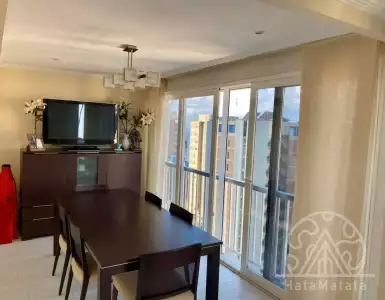

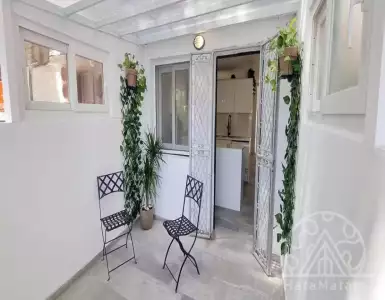
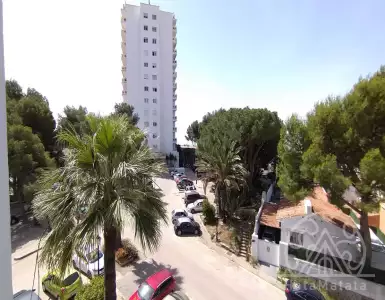
Punta Umbría is a family-oriented Atlantic beach town with wide sandy shores.
Key points:
- Generous beaches such as La Canaleta and Los Enebrales.
- A lively atmosphere beyond summer months with market life and traditional bars.
- Practical, not luxury-focused; stock is mainly flats and townhouses.
What it means for buyers: this is a pragmatic choice for families and buyers seeking accessible, functional second homes with good seasonal rental demand.
Investment and rental market considerations
Several common threads run through these destinations, and each will determine how you structure a purchase or a buy-to-let operation.
- Seasonality of demand: some towns are heavily summer-driven (Sanxenxo, Costa Dorada), while Corralejo and parts of Costa Blanca see visits across the year. Seasonality affects annual occupancy rates and cashflow.
- Product mix: coastal apartments dominate in many areas because they are easier to maintain and rent. Villas appear in higher-end enclaves like Jávea and Begur. Choose product aligned with your exit strategy.
- Tenant profile: domestic family renters, international holidaymakers and longer-term local tenants appear in different ratios across towns. This shapes pricing and management needs.
- Short-term rental rules: local regulations on holiday lets differ between municipalities. A property that is rentable in one town may face licensing or operational limits in another, affecting gross income and management costs.
From our perspective, buyers who plan to rent should build conservative occupancy assumptions into their forecasts and factor in management costs, cleaning, insurance and community fees. Where local markets are active for holiday rentals, professional management often pays off by keeping higher occupancy and better guest reviews.
Practical buying checklist: what to inspect and budget for
Before purchase, make sure to check and budget for the following:
- Title and encumbrances: confirm that deeds (escritura) are clean and that any furniture or fixtures included are listed.
- Urban planning and renovations: check the town hall records for permissions if you plan to refurbish.
- Community fees and IBI: understand monthly community (condominium) charges and annual property tax (IBI). These can be higher in beachfront developments.
- Running costs: insurance, utilities during vacancy, and upkeep of pools or communal gardens.
- Short-term rental constraints: confirm local licences and holiday rental restrictions.
- Access and transport: distance to the nearest airport and condition of main access roads for winter visits.
We advise arranging local professional services: a bilingual lawyer, an architect if you will renovate, and a reputable property manager if you rent the property out.
Risks and practical downsides to weigh
Buying a second home by the sea is appealing, but the following issues can erode returns if you do not plan for them:
- Seasonality leading to concentrated income months and long vacancies.
- Maintenance and deterioration from salt air, which increases repair costs for metalwork and paint.
- Local holiday-rental regulation changes, which can reduce permitted occupancy or impose licensing costs.
- Market concentration: towns with a large holiday market can experience swings from year to year.
- Community governance: disputes or rising community fees can hit net return.
We recommend stress-testing your cashflow for low-occupancy years and building a repair reserve into your financial model.
How to choose between these 10 towns: a short decision guide
Ask yourself four questions:
- Who will use the home most: your family, holiday renters or a mixed group? If family-focused, pick a family-friendly beach like Punta Umbría or Costa Dorada.
- How often will you visit? If frequent short trips matter, select places with better road and air links such as Costa Blanca or Costa Brava.
- Do you want rental income year-round or mainly in summer? Choose Corralejo for year-round demand or Sanxenxo for strong summer demand.
- What budget and maintenance appetite do you have? For lower entry prices consider Puerto de Mazarrón or Mojácar; for premium coastal enclaves, look to Jávea or Begur.
Your answers will narrow the list quickly and help align financial expectations with lifestyle goals.
Final practical takeaways for buyers and investors
- There are at least 10 reputable Spanish coastal markets where second homes remain in active demand, each with a distinct buyer profile. Choose the destination to match the intended user and rental horizon.
- For holiday-rental strategies, check municipal rules before purchase and adopt conservative occupancy forecasts.
- If your priority is frequent access from a major city, favour regions with strong transport links such as Costa Blanca and Costa Brava.
- Expect maintenance costs associated with coastal properties; factor these into your holding costs.
In short, buying a second home by the sea in Spain can work as a comfortable retreat and a source of seasonal income, provided you match location, product and management plan to your objectives. Remember that local rules on holiday lets and the seasonal nature of demand will shape returns, so always confirm licences and run a low-case financial scenario.
Frequently Asked Questions
Q: Which of these towns is best for year-round rental demand?
A: Corralejo in Fuerteventura has year-round mild climate and steady tourist flows outside traditional summer months, making it one of the stronger choices for out-of-season occupancy.
Q: Are property prices more affordable in any of these areas?
A: Puerto de Mazarrón and Mojácar are noted for more affordable options compared with enclaves on the Costa Brava or premium parts of the Costa Blanca.
Q: How important are transport links when choosing a second home?
A: Very important. Good access to airports and main roads increases potential visitor pool and supports higher occupancy from weekend visitors. Costa Blanca and Costa Brava benefit from proximity to major airports.
Q: Should I buy a villa or an apartment for rental purposes?
A: Apartments dominate in many beach towns because they are easier to maintain and typically rent frequently. Villas can command higher rents but have higher maintenance and vacancy risk. Match product to demand in your chosen location.
Tags
We will find property in Spain for you
- 🔸 Reliable new buildings and ready-made apartments
- 🔸 Without commissions and intermediaries
- 🔸 Online display and remote transaction

International Real Estate Consultant

Subscribe to the newsletter from Hatamatata.com!
Subscribe to the newsletter from Hatamatata.com!
Popular Posts

We will find property in Spain for you
- 🔸 Reliable new buildings and ready-made apartments
- 🔸 Without commissions and intermediaries
- 🔸 Online display and remote transaction
International Real Estate Consultant

Subscribe to the newsletter from Hatamatata.com!
Subscribe to the newsletter from Hatamatata.com!
I agree to the processing of personal data and confidentiality rules of HatamatataPopular Offers

 1
1
 1
1
 72
72
 1
1
54
1
1
54
 1
1
53
1
1
53
Need advice on your situation?
Get a free consultation on purchasing real estate overseas. We’ll discuss your goals, suggest the best strategies and countries, and explain how to complete the purchase step by step. You’ll get clear answers to all your questions about buying, investing, and relocating abroad.



Sales Director, HataMatata