


Athens Riviera Reinvented: How Art-Led Developers Are Redefining Luxury Living

Athens Riviera is changing what real estate Greece means
The phrase real estate Greece has new connotations thanks to a quiet but steady reinvention along the Athens coastline. Over the last decade a stretch of coast from Palaio Faliro to Sounio has moved beyond leisure and tourism to become an unfolding residential, cultural and investment corridor. I’ve followed this market closely and what strikes me is less the scale of new construction and more the shift in what buyers now want: meaning, craft and places that feel like homes rather than financial products.
Ali Fouladi, CEO and co‑founder of iLand, frames this change as an architectural and cultural moment. iLand, founded in 2014, positions itself explicitly at the intersection of art and development. Their claim is that architecture should tell a cultural story and that the most valuable buildings will be those people remember because they live inside them.
Why the opening matters
Geography has shaped cities before, but when a coastline becomes part of the city’s identity it changes investment dynamics. The Athens Riviera’s transformation is not just about new towers. It is a reinterpretation of Mediterranean living — and that reinterpretation is influencing the property market across Attica.
From leisure strip to residential corridor: the evolution explained
For decades the Athens seafront was known for beaches, seaside dining and day trips. Today the coastline is evolving into a continuous urban spine with residential projects, cultural venues and large-scale masterplans.
Key points from the recent discussion with iLand’s leadership:
- The Riviera now stretches in practical terms from Palaio Faliro to Sounio, forming a contiguous area of urban redevelopment.
- The process has taken place over the last decade, not overnight, which matters for buyers assessing stability versus speculative spikes.
- Major schemes such as The Ellinikon are lifting international attention, while smaller boutique projects are defining long-term value.
That combination matters. Large masterplans bring infrastructure and visibility; boutique developments provide craftsmanship and differentiation. For investors and buyers, understanding how these two forces interact is essential to assessing future appreciation and livability.
iLand’s philosophy: architecture as cultural storytelling
iLand’s approach is not merely marketing. The company offers integrated services including development, investment management and construction — a full service pathway into Greek property. But their stated difference is in design intent: drawing on artists, poets and a sense of Greek identity to shape projects.
What that means practically:
- Projects emphasize artistic identity, individuality and craftsmanship rather than formulaic floorplans.
- Design choices aim to engage with Athens’ architectural layers — from ancient geometry to neoclassical and modernist elements — without copying historic forms.
- The focus moves away from sheer scale to the emotional quality of spaces: light, proportion, materials and privacy.
As an investor or buyer, this matters because the market is starting to reward projects with distinct narratives. Buildings that are memorable, not merely efficient, can command better long-term positioning in the high-end segment.
How luxury is being redefined along the Riviera
Luxury in this market is shifting. According to iLand’s view, the new definition is built around four elements:
- Beauty in composition and use of materials
- Privacy through considered planning and orientation
- Wellbeing with access to outdoor space, sunlight and quiet
- Time — the idea that a home offers a sense of permanence and connection
This redefinition has practical effects on project economics and marketing. Developers who lean into craftsmanship and long-term maintenance will attract buyers looking for residency and emotional return, not just short-term capital gain.
What buyers and investors should consider now
We assess the market through both opportunity and risk. The Athens Riviera offers a mix of high-profile masterplans and smaller boutique properties. Here’s what to weigh before committing capital.
-
Value drivers to prioritise:
- Proximity to cultural anchors and quality infrastructure (transport, marinas, parks)
- Proven developer track record and clear construction standards
- Design quality, material specification and ongoing maintenance plans
- Project scale and the balance between public access and private amenity
-
Risks to acknowledge:
- Overbuilding in desirable corridors can compress returns if supply growth outpaces demand
- Projects that favour maximum density over design quality may age poorly
- Market sentiment can be influenced by large schemes like The Ellinikon, which lift profile but also raise pricing expectations
-
Practical steps before purchase:
- Conduct site visits to assess light, views and neighbourhood character
- Validate warranties, building specifications and communal service charges
- Review the developer’s portfolio and post‑completion track record
- Consult local legal and tax advisors to understand transactional implications
Buying here is not a passive bet on tourism. The most sensible buyers are those seeking a liveable asset that offers cultural depth and enduring desirability.
Which segments of the property market Greece investors should watch
Not all property types along the Riviera perform the same. Based on recent project patterns, we highlight three segments worth monitoring:
- Boutique residential schemes: These small- to mid-size developments emphasize craftsmanship and unique design.
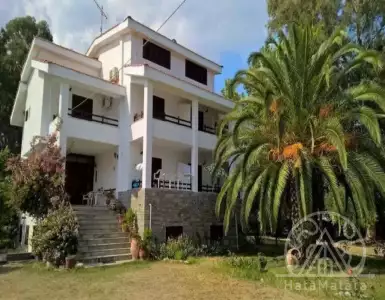




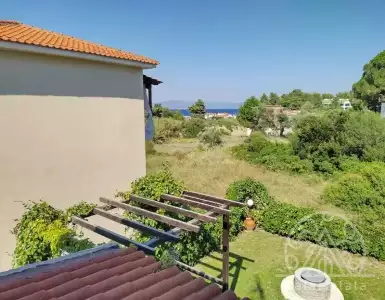
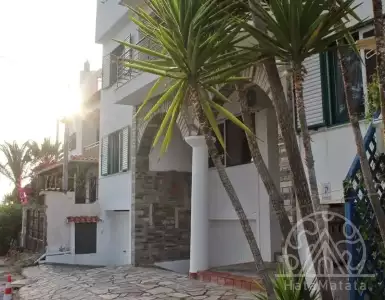
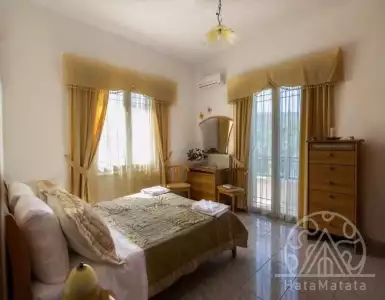
Our analysis suggests that boutique projects can outperform in desirability terms because they offer personality in a market where buyers increasingly prize narrative and connection.
The role of The Ellinikon and major masterplans
Major developments like The Ellinikon are changing international perceptions of Athens. They introduce new public spaces and amenities that broaden the appeal of the Riviera to global buyers. But the effects are nuanced:
- They increase visibility and attract institutional attention.
- They create complementary demand for higher-quality residential projects nearby.
- They can also accelerate price cycles and invite speculative development if not well controlled by planning authorities.
For a measured investor, proximity to such masterplans is a factor to weigh, not an automatic green light. A high-quality boutique project located near upgraded public realm and transport will benefit without having to compete with mass-market units.
Urban identity matters: engage with history, don’t replicate it
Athens has architectural layers that are visible on almost every block. iLand’s proposition is clear: projects should engage in dialogue with that history rather than imitate it. In practice that looks like:
- Using proportion, rhythm and local materials to reference tradition without copying detail
- Prioritising human-scale public spaces and a Mediterranean sense of light and shadow
- Emphasising craft details that age gracefully and contribute to local character
For buyers who care about provenance and place, these qualities matter as much as square meters and location.
Practical checklist for buyers of Athens Riviera property
Before signing, run through this checklist that I compile from developer interviews and market experience:
- Confirm the developer’s completion record and ask to visit finished projects
- Inspect the proposed materials and request maintenance forecasts
- Check communal service charges and reserve funds for communal maintenance
- Clarify timelines for delivery and penalties for delays
- Verify planning permissions and any obligations related to public realm contributions
- Understand tax and transfer costs with a local specialist
These are basic but often-overlooked elements that determine whether a purchase is a long-term asset or a short-term problem.
What this means for international buyers and expats
International buyers are not a single group. We see three broad profiles currently active along the Riviera:
- Lifestyle buyers seeking a second home with cultural depth
- Long-term residents relocating to a Mediterranean lifestyle with access to the city
- Investors seeking appreciation driven by high-end demand and limited supply in boutique segments
All three profiles benefit from projects that offer privacy, wellbeing and a clear maintenance strategy. My view is that the best opportunities will be those that combine strong architecture, meaningful public realm and careful long-term stewardship of communal assets.
Frequently Asked Questions
Is the Athens Riviera a good area to invest in real estate Greece?
The Riviera has moved from seasonal leisure to a developing residential and cultural corridor over the last decade. Large masterplans raise market profile while boutique projects create durable value. For investors focused on long-term quality and design, the area is attractive; those seeking short-term speculative gains should be cautious.
How does iLand’s art-led approach affect buyers?
Projects that are shaped by artistic intent tend to prioritise craftsmanship, materials and spatial quality. For buyers, that often translates to better-lived experience, stronger identity and potential for stable demand among discerning owners.
Will The Ellinikon push up housing prices across the Riviera?
Major developments increase visibility and infrastructure, which can lift demand. However, pricing shifts depend on supply response and the quality mix of nearby projects. High-quality boutique developments will likely benefit without being subsumed by mass-market competition.
What are the main risks when buying along the Riviera?
Key risks include overdevelopment, projects that prioritise density over design, and weak post‑completion maintenance plans. Proper due diligence, visits to comparable finished projects and legal advice reduce these risks.
Final assessment and practical takeaway
The Athens Riviera is not being remade overnight. It has evolved over the last decade into a corridor where architecture, lifestyle and identity intersect. Developers such as iLand, founded in 2014, argue that the future of high-end property here is about narrative, craft and wellbeing rather than spectacle. For buyers and investors that translates into a clear rule: prioritise projects with demonstrable design quality, a track record of delivery and a sensible maintenance plan. The practical takeaway is straightforward — when evaluating offers in this part of real estate Greece, put craftsmanship, location within the Palaio Faliro to Sounio corridor and developer reliability at the top of your checklist.
We will find property in Greece for you
- 🔸 Reliable new buildings and ready-made apartments
- 🔸 Without commissions and intermediaries
- 🔸 Online display and remote transaction

International Real Estate Consultant

Subscribe to the newsletter from Hatamatata.com!
Subscribe to the newsletter from Hatamatata.com!
Popular Posts

We will find property in Greece for you
- 🔸 Reliable new buildings and ready-made apartments
- 🔸 Without commissions and intermediaries
- 🔸 Online display and remote transaction
International Real Estate Consultant

Subscribe to the newsletter from Hatamatata.com!
Subscribe to the newsletter from Hatamatata.com!
I agree to the processing of personal data and confidentiality rules of Hatamatata
Need advice on your situation?
Get a free consultation on purchasing real estate overseas. We’ll discuss your goals, suggest the best strategies and countries, and explain how to complete the purchase step by step. You’ll get clear answers to all your questions about buying, investing, and relocating abroad.



Sales Director, HataMatata