


Buy a Spanish Seaside Home for Under €200,000 — Where to Look Now

Spain property bargains: still possible to buy by the sea for under €200,000
Spain property buyers who assumed that a home by the sea is out of reach should read this. While hotspots like the Balearic Islands, Barcelona and the Costa del Sol now often command more than €4,000 per square metre, there are pockets of the Spanish coastline where housing prices remain far lower and homes can still be found for under €200,000, according to the property portal Idealista.
In this article we map the most affordable coastal towns, explain what that budget will buy, and offer practical advice for buyers and investors considering lower‑priced seaside markets in Spain.
Where the coast is still affordable: six towns to watch
Idealista’s recent compilations highlight a small group of coastal municipalities where asking prices are unusually low compared with national and regional averages. The towns highlighted are Burela, Ferrol, Ribadeo, Adra, Cartagena and La Ràpita. Each is different in profile and market dynamics, but the common thread is that buyers can find properties for under €200,000.
- Burela (Lugo, Galicia) — a small fishing port on the Atlantic coast. The town’s maritime economy and working harbour keep supply steady while tourist pressure is lower than in mainstream resorts.
- Ferrol (A Coruña, Galicia) — historically a naval city with important infrastructure and nearby beaches. Its industrial past and slower tourism growth have kept prices moderate.
- Ribadeo (Lugo, Galicia) — sits on the border with Asturias and is the gateway to the famous Playa de las Catedrales. Despite the natural attraction nearby, Ribadeo still appears among Idealista’s cheaper coastal towns.
- Adra (Almería, Andalusia) — on the Mediterranean in the province of Almería. A long maritime tradition and a milder price baseline make it one of the most affordable municipalities on the Mediterranean coast.
- Cartagena (Murcia) — an important historical port on the Costa Cálida with a Roman theatre and a functioning harbour. The city’s cultural assets have not pushed prices to the levels seen in major tourist centres.
- La Ràpita (Tarragona, Catalonia) — in the Ebro Delta, known for seafood and natural surroundings; Idealista reports an average price of around €1,445 per square metre, significantly lower than much of Catalonia.
These towns are concentrated in a few regions: Galicia and Asturias (Atlantic), Almería and parts of Andalusia, Murcia/Costa Cálida, and pockets of Tarragona and Castellón on the Mediterranean.
What can €200,000 buy you on these coasts?
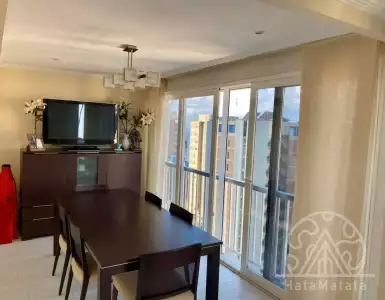
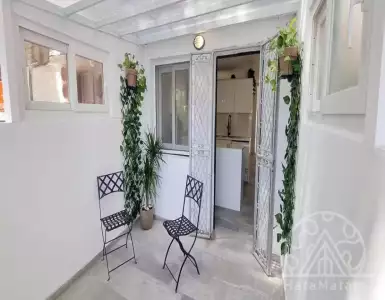
Expectations matter. In several of these towns a budget of €150,000–€200,000 can secure a second‑home apartment close to the sea; sometimes a small ground‑floor flat with sea views, or a modest house a short walk from the beach. In more urbanised coastal cities like Cartagena or Ferrol the same money may buy a centrally located one‑bedroom or a two‑bedroom needing renovation.
Practical takeaways for buyers:
- A budget under €200,000 is more realistic on the Atlantic coast (Galicia and Asturias) and in lower‑pressure Mediterranean zones such as parts of Almería and the Costa Cálida.
- La Ràpita’s average of €1,445/m² implies that a €200,000 budget could theoretically buy roughly 138 m² of space at the average price point, though inventory at that size will be limited.
- In practice, smaller apartments and properties needing renovation form most of the sub‑€200,000 stock.
We advise making a short list of priorities—location within town, size, renovation needs and rental potential—before touring properties. In these markets you often trade prime location and modern finish for affordability.
Regional snapshots: what to know about each area
Galicia and Asturias (Atlantic coast)
Galicia’s coastal towns are on many buyers’ radar for affordability combined with dramatic scenery and cooler summers. The economic profile differs from tourist hotspots: fishing, port activity and local services dominate.
- Pros: Lower prices, authentic local life, less crowded outside the high season.
- Cons: Cooler climate than the Mediterranean, slower year‑round rental demand, and some towns face demographic decline which can affect resale.
For investment-minded buyers we say: expect lower yields from holiday lets but steadier long‑term occupancy from local tenants or seasonal visitors who return annually.
Andalusia — Almería and southern Mediterranean
Almería’s coastline is less developed for mass tourism compared with Málaga and Cádiz, and that keeps prices down in towns such as Adra.



- Pros: Warmer climate, growing interest from national buyers, affordable entry prices.
- Cons: Limited high‑end tourism infrastructure, variable transport links depending on the town.
Adra is a municipality where affordability meets a traditional maritime economy; buyers seeking second homes that are quieter than the Costa del Sol should look here.
Murcia — Cartagena and the Costa Cálida
Cartagena is a large city with an active port and notable heritage assets. It attracts domestic buyers who prefer culture and city services over the party resort model.
- Pros: City amenities, cultural tourism, functioning urban market.
- Cons: Tourist seasonality, limited international recognition compared with Alicante or Málaga.
Cartagena’s market is attractive for those who want a seaside city with an established local population and municipal services.
Catalonia — La Ràpita and the Ebro Delta
La Ràpita offers a different coastal experience: lagoon and delta ecosystems, gastronomy focused on rice and seafood, and lower price points than the Costa Brava or Barcelona province.
- Pros: Natural landscape, reasonable prices (€1,445/m² average), proximity to Tarragona.
- Cons: Conservation rules can restrict development, seasonal visitor peaks.
Buyers in this area should check local zoning rules if they plan to renovate or extend.
Investment considerations: what we look at before buying
We treat purchase decisions in these markets the same way we do elsewhere: look at supply, demand, rental rules, tax implications and physical condition. Specific items to examine:
- Inventory and listing trends: How many homes under €200k are listed and how long do they stay on market? Low inventory can mean competition even at lower price points.
- Seasonality of demand: Atlantic towns often see seasonal peaks but limited year‑round tourist footfall; Mediterranean towns may have longer letting seasons.
- Local rental regulation: Some municipalities apply strict rules to short‑term holiday lets; check local licensing and tourist apartment restrictions before planning rentals.
- Transport and services: Distance to airports, train links and healthcare matter for resale and year‑round livability.
- Renovation costs: Older properties may need substantial work; budget for at least one realistic quote from a local contractor.
We recommend buyers obtain a local market report, arrange a technical survey and consult a solicitor specialising in Spanish property law. That reduces the chance of surprises and protects deposits.
Practical buying tips for international buyers and expats
- Start online with targeted searches on portals such as Idealista to build a shortlist, but plan at least two site visits—one quick scouting trip and one detailed inspection.
- Engage a bilingual lawyer for title searches, tax advice and to check for any debts or encumbrances on the property.
- Ask about community fees (comunidad) and local property taxes; they vary widely and can erode the running cost advantage of a cheap purchase.
- If you plan to rent, ask for historical occupancy rates and rental income figures for comparable properties.
- Check utilities and internet access—some smaller coastal towns have patchy broadband, which matters for long stays or remote work.
We always tell clients: a low purchase price is only part of the arithmetic. Holding costs, renovation, and local taxes shape the real cost of ownership.
Risks and downsides to bear in mind
Affordable coastal property is attractive, but there are trade‑offs:
- Market stagnation: Lower‑price coastal towns can lag in capital appreciation, especially where local economies shrink or young people move away.
- Seasonal reliance: Many coastal markets depend on tourists; in quieter towns seasonal income can be short and unpredictable.
- Liquidity: Properties in small towns can take longer to sell than equivalents in major cities or established resorts.
- Regulatory changes: Local councils can tighten rules on holiday rentals, which can hurt short‑term letting strategies.
We recommend stress‑testing your investment plan against slow rental seasons and delayed sales timelines. Have contingency funds and a realistic timeline for returns.
How to spot value — checklist for inspections
When you visit, bring this checklist:
- Verify the floor area against the escritura (title deed).
- Inspect windows, plumbing and electrics; ask when they were last upgraded.
- Confirm facade and roof condition, especially in salt‑air environments where corrosion is faster.
- Check orientation and exposure to prevailing winds; Atlantic towns can be windier and cooler.
- Ask neighbours about yearly community fees, noise levels and seasonal tourist behaviour.
A thorough inspection reveals items that will affect both liveability and renovation budgets.
Final thoughts: who should look at these towns?
If you want a seaside base for family use, a low‑cost second home, or a buy‑and‑hold property with modest rent expectations, these towns deserve attention. If you need strong short‑term holiday rental returns or rapid capital growth, mainstream hotspots still perform better, though they require higher entry prices.
Our analysis shows Spain still offers coastal property options for buyers on a modest budget, especially in Galicia, parts of Andalusia, Murcia and selected Catalan towns. The trade is clear: you sacrifice the premium amenities and international cachet of Ibiza or Marbella for local life, lower purchase prices and potentially slower capital growth.
Frequently Asked Questions
Q: Can I buy a coastal property in Spain for under €200,000?
A: Yes. According to Idealista, towns such as Burela, Ferrol, Ribadeo, Adra, Cartagena and La Ràpita still list properties that fall under €200,000. Expect smaller apartments or properties needing renovation.
Q: Which regions in Spain have the cheapest coastal properties?
A: The most affordable coastal regions identified by Idealista are Galicia and Asturias (Atlantic coast), Almería and parts of Andalusia, Murcia (Costa Cálida), and some areas of Tarragona and Castellón.
Q: Is buying in these towns a good investment?
A: It depends on your objectives. These towns can be good for affordable second homes or long‑term holdings, but they generally offer lower short‑term holiday rental yields and slower capital growth than major tourist hotspots.
Q: What should international buyers check before purchasing?
A: Get a local lawyer, verify titles and debts, check community fees and local rental regulations, budget for renovation, and confirm transport links and services.
We conclude with a practical takeaway: if your budget is under €200,000 and your goal is to own by the Spanish coast rather than to chase rapid capital gains, towns like Burela, Ferrol, Ribadeo, Adra, Cartagena and La Ràpita are worth a shortlist — but plan for renovation costs, slower resale times and the need for local due diligence.
Tags
We will find property in Spain for you
- 🔸 Reliable new buildings and ready-made apartments
- 🔸 Without commissions and intermediaries
- 🔸 Online display and remote transaction

International Real Estate Consultant

Subscribe to the newsletter from Hatamatata.com!
Subscribe to the newsletter from Hatamatata.com!
Popular Posts

We will find property in Spain for you
- 🔸 Reliable new buildings and ready-made apartments
- 🔸 Without commissions and intermediaries
- 🔸 Online display and remote transaction
International Real Estate Consultant

Subscribe to the newsletter from Hatamatata.com!
Subscribe to the newsletter from Hatamatata.com!
I agree to the processing of personal data and confidentiality rules of HatamatataPopular Offers
 1
1
 1
1
 72
72
 1
1
54
1
1
54
 1
1
53
1
1
53
Need advice on your situation?
Get a free consultation on purchasing real estate overseas. We’ll discuss your goals, suggest the best strategies and countries, and explain how to complete the purchase step by step. You’ll get clear answers to all your questions about buying, investing, and relocating abroad.



Sales Director, HataMatata