


Buy Montenegro Property Now: Low Taxes, Easy Residency and a Market Ready to Rise

Why Montenegro real estate is suddenly on retirees’ radar
If you're shopping for Montenegro real estate as a retirement base, the pitch is straightforward: access to Mediterranean coastlines, low headline taxes on pensions and a residency route tied to property purchase — all while prices still lag many Western European hotspots. That mix is what has caught our attention and the attention of buyers looking for value, lifestyle and an entry point into Europe.
We have reviewed the options available across Southern Europe and the Balkans, and Montenegro is the one place where you can buy property with no minimum investment threshold to secure residency. That fact alone reshapes the calculus for middle-market buyers who want legal residency in Europe without the multi‑hundred‑thousand euro minimums imposed elsewhere.
What this guide covers
- How Montenegro’s residency-by-property purchase works
- Actual price signals and what €300,000–€400,000 gets you on the coast
- Tax treatment of pension income and other fiscal considerations
- Practical buying tips and the main legal risks we see
- How Montenegro compares with other retiree-friendly countries
Throughout this article we use the facts reported in the original briefing and add practical, boots‑on‑the‑ground advice for buyers and investors.
How property purchase links to residency in Montenegro
Montenegro allows residence via property purchase with no stated minimum investment. This is a clear departure from many southern European residency schemes that require minimum purchase thresholds. For retirees who want to live in Europe without the high entry price of some golden visas, that is an immediate attraction.
Key points to remember about Montenegro residency by purchase:
- No minimum property price is required to qualify for residency through buying local real estate, according to the source material.
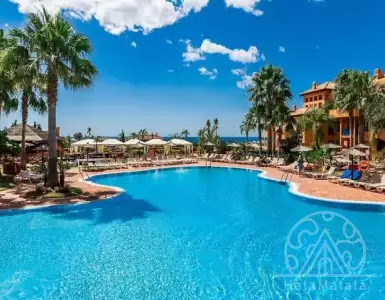
- Luxury sea‑facing apartments are selling in the €300,000–€400,000 range, which gives a realistic benchmark for coastal living.
- On paper, Montenegro has a physical presence requirement tied to residency, but authorities rarely enforce it in practice, which some retirees see as flexible for travel and seasonal living.
From our experience, that combination — accessible property prices, residency on purchase and light enforcement — makes Montenegro attractive to buyers who want a European foothold without the high upfront cost demanded by some EU states.
Prices, product and where to look
Montenegro is compact, so you can realistically evaluate several different micro‑markets in a short trip. Product types and price brackets you will encounter include:
- Coastal luxury apartments: Expect to see many listings in the €300,000–€400,000 band, particularly in seaside towns and resort developments. These are often marketed to foreign buyers as turnkey units.
- Smaller coastal towns and inland properties: Cheaper stock exists inland and in less touristic coastal settlements. The absence of a minimum residency investment means these are eligible too.
- New developments near marinas and tourist nodes: these carry a premium but are often promoted with rental management services.
Where to look first:
- Budva and the Boka Bay area for a classic Adriatic lifestyle with marinas and tourist infrastructure.
- Bar and Ulcinj for more affordable coastlines with long beaches.
- Inland areas and mountain towns if you prefer quiet, lower prices and proximity to national parks.
Practical tip from our reporting: coastal luxury price bands are visible now, but the source warns these prices may not last if demand increases with Montenegro’s EU accession prospects. That means the window to buy at current coastal prices could be limited.
Taxation, cost of living and healthcare — the numbers that matter
Tax treatment and everyday costs are central for retirees living on fixed incomes. On that front Montenegro has clear selling points:
- Pension tax: the maximum tax rate on pension income is 15%, which is lower than many Western European headline rates.
- Cost of living: Montenegro is widely regarded as more affordable than Western Europe. The original overview ranks Montenegro among budget‑friendly retiree destinations alongside Georgia and Portugal.
Healthcare is an important non‑financial factor. Montenegro offers public and private healthcare options. Our reading of the source indicates that healthcare quality and access can vary by location; major towns and coastal resorts have better facilities than rural inland areas. Many foreign retirees opt for private insurance to secure timely access to specialist care.
Practical consideration: if you plan to become a tax resident, a careful review of double taxation treaties, your home country’s rules on pension taxation and the timing of transfers is essential. While 15% on pension headline tax looks attractive, overall liabilities depend on your global tax position.
Residency rules in practice: presence, paperwork and timelines
The official residency framework includes several administrative requirements. The crucial, practice‑level details we report are:
- Residency via property purchase has no minimum purchase threshold.
- There is an official physical presence requirement, but enforcement is light; many buyers use Montenegro as a base while spending significant time abroad.
From a practical standpoint, expect to:
- Register the property and obtain a residency permit application via local authorities.
- Present proof of accommodation, health insurance and means of support.
- Use a local notary and a lawyer to register title and confirm there are no encumbrances on the property.
We advise starting the residency process only after title is clear. Using a trusted local attorney is not optional; Montenegro property law has local procedures that foreign buyers must navigate carefully.
Risks and caveats every buyer must weigh
I am cautious about painting an entirely rosy picture. Here are the issues we keep seeing and that a prudent buyer should assess:
- EU accession is pending. That brings upside but also uncertainty. Changes to regulatory, tax or property regimes could occur during the accession process.
- Market momentum could lift prices quickly, especially coastal luxury stock; this is the very driver that makes early buying attractive, but it also raises the risk of a buying frenzy and reduced negotiation leverage.
- Title, permitting and development paperwork require close scrutiny. Not all coastal developments are finished to the same standard or have complete documentation.
- Rental income and short‑term letting rules can change; if you plan to offset ownership costs with holiday rentals, confirm local rules and licensing requirements.
From our experience handling international property transactions, the single biggest misstep is insufficient local legal review.




Practical buying checklist for Montenegro property buyers
If you are serious about buying property in Montenegro, here is a step‑by‑step checklist built from our reporting experience and the facts in the source:
- Visit in person and spend time in at least two coastal towns and one inland location.
- Hire an English‑speaking local lawyer with international property experience.
- Check vendor title and whether any mortgages, liens or disputes exist.
- Confirm planning permission and that the developer completed all required works (for new builds).
- Obtain a notary‑certified contract, and arrange escrow or secure payment mechanisms.
- Verify residency application procedures and timeline with a local migration office or legal adviser.
- Buy comprehensive health insurance that covers both public and private care, at least until you are settled in the local system.
Finance options: local mortgages are available to non‑residents in some cases, but many foreign buyers bring funds from abroad. Confirm currency conversion logistics and any sterling/euro transfer costs if transferring from the UK or other places.
How Montenegro stacks up against alternatives
When we compare Montenegro to other retiree magnets in the broader list, its strengths and trade‑offs become clear:
- Compared with Spain and Portugal: Montenegro is cheaper on purchase price and taxes on pensions are lower (15% versus up to 47% in Spain). Portugal offers easy D7 residency with a modest passive income requirement but often higher purchase prices in top locations.
- Compared with Greece: Greece’s golden visa requires €400,000–€800,000 depending on location. Montenegro’s lack of a minimum investment makes residency by property far more accessible.
- Compared with Georgia: Georgia is even cheaper and has territorial taxation on foreign income, but it is outside the EU context. Montenegro offers the prospect of EU membership, which matters to buyers who value eventual access to EU travel and rights.
- Compared with Malta and Monaco: those are premium options with high investment thresholds and strong tax pulls. Montenegro is more accessible and still offers coastal Mediterranean living.
In short, Montenegro is a pragmatic middle way for buyers who want Mediterranean living without the ultra‑high entry cost.
Our verdict: who should consider Montenegro property now?
We think Montenegro is a serious option for these buyer profiles:
- Retirees with a modest to comfortable nest egg who want legal residency in Europe without six‑figure minimums.
- Lifestyle buyers who prioritise seaside living and are comfortable with a smaller market and more hands‑on due diligence.
- Investors seeking upside tied to a market that could gain from EU accession and rising demand for Adriatic property.
If your priority is immediate high‑end taxation shelter, Monaco still outperforms; if your priority is English‑language services and quick citizenship solutions, Malta and Ireland are better fits. Montenegro is best positioned for those who balance cost, lifestyle and a reasonable path to residency.
Final practical takeaway and next steps
Montenegro offers a rare combination: residency via property purchase with no minimum threshold, coastal luxury apartments priced around €300,000–€400,000, and a maximum pension tax rate of 15%. These are concrete facts from the source that explain why we and many buyers are watching the market closely.
If you are interested, our recommended next steps are clear:
- Make a scouting trip to inspect properties and local services.
- Engage an English‑speaking local property lawyer before signing any contract.
- Run a tax and residency compatibility check with an international tax adviser.
- Consider how EU accession could change market dynamics and plan your timing accordingly.
Montenegro is not a low‑risk, no‑work solution. It is a pragmatic option that rewards careful buyers who accept some local complexity in exchange for lower entry costs and favourable pension tax treatment.
Frequently Asked Questions
Q: Can I get residency in Montenegro by buying any property? A: Yes. According to the source, you can obtain residency through local real estate purchase without a set minimum investment amount. You still need to complete the standard residency application and registration.
Q: How much are seaside apartments in Montenegro today? A: The briefing reports that luxury apartments by the sea are around €300,000–€400,000. Inland properties and smaller towns will generally cost less.
Q: What tax will I pay on my pension if I move to Montenegro? A: The source lists a maximum tax rate of 15% on pension income, which is lower than many Western European headline rates.
Q: Is Montenegro likely to join the EU, and does that affect property buyers? A: Montenegro’s EU membership was described as pending in the source. EU accession could increase demand and affect prices and regulation, so prospective buyers should factor that as both an upside and a source of future change.
Q: Do I need to live in Montenegro to keep my residency? A: Officially there is a physical presence requirement, but the source notes it is rarely enforced in practice. Still, residency rules can change, and you should verify current enforcement and legal obligations before planning extended absences.
Q: What is the most common legal mistake foreign buyers make? A: Skipping a full local legal title check. Always use a reputable local lawyer and confirm that the developer or seller has all permits and the title is clean before exchanging funds.
End note: Montenegro is affordable relative to many Mediterranean alternatives, and the residency‑via‑purchase rule with no minimum investment is a tangible advantage for retirees and mid‑market buyers; act with thorough local legal checks and a clear tax plan.
Tags
We will find property in Portugal for you
- 🔸 Reliable new buildings and ready-made apartments
- 🔸 Without commissions and intermediaries
- 🔸 Online display and remote transaction

International Real Estate Consultant

Subscribe to the newsletter from Hatamatata.com!
Subscribe to the newsletter from Hatamatata.com!
Popular Posts

We will find property in Portugal for you
- 🔸 Reliable new buildings and ready-made apartments
- 🔸 Without commissions and intermediaries
- 🔸 Online display and remote transaction
International Real Estate Consultant

Subscribe to the newsletter from Hatamatata.com!
Subscribe to the newsletter from Hatamatata.com!
I agree to the processing of personal data and confidentiality rules of Hatamatata

Need advice on your situation?
Get a free consultation on purchasing real estate overseas. We’ll discuss your goals, suggest the best strategies and countries, and explain how to complete the purchase step by step. You’ll get clear answers to all your questions about buying, investing, and relocating abroad.



Irina Nikolaeva
Sales Director, HataMatata