


How Portugal Is Rewriting Luxury: Homes Built for Longevity and Wellness

Luxury that keeps you well: the new brief for property Portugal
Living somewhere beautiful is no longer enough. Buyers now want homes that actively support health, independence and long-term quality of life. In Portugal, that shift is visible and accelerating: developers and buyers are prioritising wellness features, accessibility and a stronger link to nature over the old metrics of mere exclusivity and views. Our analysis of Portugal Sotheby’s International Realty’s latest report shows this is more than a fad — it is a structural change in how luxury real estate is specified, marketed and bought.
A fast hook for investors and buyers
If you are considering property Portugal today, expect the conversation to be less about a skyline and more about sunlight, air quality, and how easily a home adapts as its owners age. That matters for resale, for seasonal rental appeal, and for everyday living.
What longevity-focused homes look like in practice
The report identifies concrete features that define wellness real estate. These are not vague lifestyle buzzwords; they are specifications that can be drawn into architectural plans, appliance lists and amenities budgets.
Key features you will now see in new high-end developments and in retrofit projects include:
- Spacious floor plans with circulation designed for reduced mobility, wider doorways and level thresholds.
- Dedicated wellbeing areas: spas, cryotherapy or ice-bath spaces, private gyms and meditation rooms.
- Lighting systems that mimic circadian rhythms and generous natural light throughout the day.
- Improved acoustic insulation to support sleep and mental recovery.
- Ergonomic kitchens with smoother workflow and easier access to storage and appliances.
- Enhanced indoor air quality, using green settings, plants or mechanical systems to reduce pollutants.
- Stronger indoor-outdoor connections, patios, terraces and gardens that make daily access to nature simple.
- Integrated technology for comfort and safety, from automated environmental controls to fall-detection and security systems.
All of these features make a home easier to live in across decades. They are practical upgrades for buyers who want property Portugal to be a place that ages with them.
Why Portugal has a structural advantage in wellness real estate
Portugal is not reinventing longevity from scratch. The country already offers several systemic benefits that align with wellness-focused buyers, and these traits give the market a defensible position.
Portugal’s selling points for wellness real estate include:
- Safety and a mild climate that encourage outdoor activity year-round.
- Abundant daylight and coastline access, which support both physical and mental wellbeing.
- Cities and towns that have retained human scale, making walking and local social life realistic.
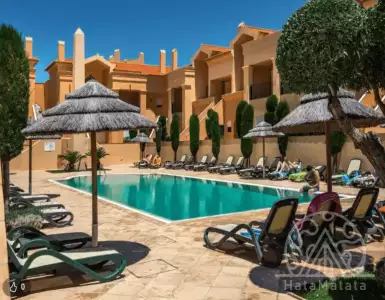
- A growing pipeline of premium projects that explicitly target comfort and daily ease, for example Savoy Residences Monumentalis.
- A more balanced lifestyle and a sense of calm that many buyers now prioritise over purely financial incentives.
The report also notes a decline in home purchases by foreign investors, but that does not erase Portugal’s advantage. Instead, it shapes a market where quality, lifestyle and permanence can count more than short-term speculative demand.
Who is buying wellness-focused luxury homes in Portugal?
One of the clearest shifts is demographic. This is not a niche for retirees alone.
- Millennials in their 30s and 40s are a major driver of demand in the premium segment. Many are working in technology, finance, entrepreneurship or digital assets and have accumulated or received substantial wealth early.
- According to Portugal Sotheby’s International Realty’s survey, 66% of property professionals reported an increase in this buyer profile, rising to 73% at the ultra-prime level (above $5 million).
- For 62% of surveyed professionals, lifestyle now matters more than tax or geopolitical concerns when buyers make purchase decisions.
This matters for investors and developers because the product buyers seek is different. They want homes designed around longevity from day one rather than properties that need expensive retrofits later.
The scale of the trend: market numbers and what they mean
Wellness real estate is expanding quickly. The Global Wellness Institute estimates that the sector has more than doubled in five years and is expected to exceed $1.1 trillion by 2029. That is a substantial addressable market, and it explains why mainstream developers are adjusting product briefs to include longevity features.
From a market strategy point of view, this growth changes how value is created in residential projects:
- Developers can command premiums for purpose-built wellness features if they are integrated from the earliest design stages.
- For investors, demand from younger high-net-worth buyers improves long-term liquidity for well-specified homes, but only where the market is educated about these features.
Design lessons from the Blue Zones and how they translate into property
The report draws inspiration from the so-called Blue Zones — regions where people live significantly longer lives with lower rates of chronic illness. Those regions include Ikaria, Okinawa, Sardinia, Loma Linda and the Nicoya Peninsula. They share common, replicable traits:
- Walkable neighbourhoods where daily errands are done on foot.
- Strong social ties and community rituals that encourage regular interaction.
- Easy access to nature and daily movement integrated into life.
- Less chronic stress and environments that support recuperation.
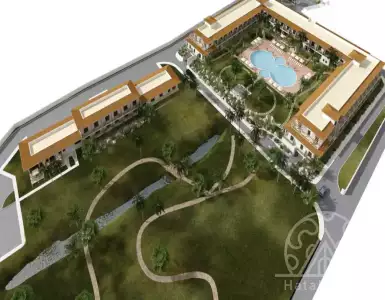
Developers and urban planners in Portugal are borrowing these principles. Projects and communities that prioritise walkability, communal spaces, and proximity to green areas or the sea are being positioned as part of a longevity proposition.



Practical buying and investment considerations for property Portugal
If you are a buyer or investor focused on wellness real estate in Portugal, here are the factors you should weigh carefully.
What to inspect and demand in a property:
- Confirm accessibility measures: door widths, step-free access, elevator reach and bathroom ergonomics.
- Test the lighting plan: does the design maximise daylight and include programmable circadian lighting?
- Ask for indoor air quality data or the presence of mechanical ventilation with filtration.
- Check the sound insulation rating between units and outside noise exposure.
- Review the building’s wellness amenities and who manages them — owners’ associations versus professional operators.
- Evaluate the technology stack for safety and independence features, including remote monitoring options and smart home integrations.
Investment specifics to model:
- Premiums for wellness features can be real but are not automatic. They require clear marketing and buyer education.
- Liquidity depends on how broad the buyer pool is; a very specialised wellness build may limit resale to a niche segment unless the features are clearly useful to a wider market.
- Consider rental demand in the high-end short-stay or health retreat market if the legal framework allows it.
Regulatory and market risks to watch:
- The report mentions a decline in foreign buyer activity. Regulatory shifts, tax changes and visa policies can alter demand quickly.
- Overbuilding of niche wellness product could lead to price pressure if supply outpaces buyers who value those specific features.
- Measurement standards for wellness features are not yet uniform; this creates room for misaligned expectations between buyer and seller.
Retrofit versus new-build: where to spend your euros
You do not need a new-build to capture many longevity features, but costs and effectiveness vary by intervention.
High-impact retrofits:
- Reworking circulation and doorways for accessibility is often feasible in lower-storey units or standalone houses.
- Upgrading mechanical ventilation and filtration can dramatically improve indoor air quality without a full rebuild.
- Acoustic improvements in party walls or roofs usually require professional assessment but can be targeted where noise is a problem.
- Lighting upgrades to programmable systems are among the most cost-effective changes to support circadian health.
New-build advantages:
- Integrating wellness features from the design stage reduces compromises and cost overruns.
- Developers can scale amenity delivery and create community spaces that are purpose-built rather than retrofitted.
As a buyer, weigh your budget, the property type and your ownership horizon when choosing retrofit or new-build.
Where in Portugal this trend is most visible
The report highlights that wellness principles are being applied across the country, but they are naturally strongest where climate, access to nature and international project capital already exist. Expect the clearest examples in:
- Coastal and island locations where sea access and mild weather are constant selling points.
- Cities and towns that maintain a human scale and offer walkability.
- High-end developments where developers have the appetite and capital to deliver bespoke wellness amenities.
Projects such as Savoy Residences Monumentalis illustrate the market’s appetite for day-to-day comfort as a selling point rather than purely monumental statements.
What this means for developers, agents and city planners
The shift toward longevity changes product briefs, marketing language and policy priorities.
For developers:
- Early-stage integration of accessibility, daylighting and amenity programming matters; retrofits are more expensive and less reliable.
- Partnerships with wellness operators, physiotherapists or longevity consultants can add credibility.
For agents:
- Educate buyers on measurable benefits such as improved air quality, reduced utility costs from efficient environmental controls and the resale advantages of adaptable homes.
For planners and municipalities:
- Prioritising walkability, green space and safe streets increases the appeal of local markets in the long-run.
Risks and balance: why wellness real estate is not a guaranteed outperformer
I find the trend compelling, but there are caveats. Market enthusiasm can drive speculative development. If too many projects copy the wellness label without delivering measurable benefits, buyer trust will falter. There is also a timing risk: lifestyle preferences can shift, and regulatory changes affecting foreign demand can reduce liquidity. Finally, not every buyer values the same mix of features, so over-specialised properties can find a narrow resale pool.
That said, where wellness features are practical, sensible and clearly documented, they add everyday utility and broaden appeal beyond an exclusive demographic.
Frequently Asked Questions
What does "wellness real estate" mean for buyers in Portugal?
Wellness real estate refers to homes designed to support physical and mental health through layout, materials, amenities and technology. For buyers in Portugal, that typically means better daylight, improved air quality, walkable neighbourhoods and dedicated wellness spaces such as gyms and spas.
Will wellness features increase resale value?
They can, but only if the features are integrated properly and the market recognises their value. Buyers in the premium segment increasingly prioritise lifestyle, so well-documented wellness features may command a premium and improve marketability.
Can I retrofit an existing property to be longevity-friendly?
Yes. High-impact retrofits include upgrading ventilation, installing programmable lighting, improving acoustic insulation and modifying circulation for accessibility. The feasibility and cost depend on the property type and structural constraints.
Which buyer groups are driving demand for longevity-focused homes?
Millennials in their 30s and 40s with substantial wealth are a major driver, alongside traditional older buyers. According to Sotheby’s survey, 66% of professionals see more of these younger buyers, rising to 73% in the over-$5 million segment.
Final takeaway for buyers and investors
Wellness real estate is more than a marketing label; it is changing how homes are designed and valued. Portugal’s climate, coastal access and human-scale cities give the market an advantage, and the sector is forecast to surpass $1.1 trillion by 2029. For buyers, the practical step is to prioritise measurable features — air quality, lighting, noise control, accessibility and community access — and demand documentation. For investors, the lesson is clear: integrate wellness features in a repeatable, verifiable way and align supply with a clearly identified buyer profile. A home that supports longevity is a home that reduces friction for decades of everyday life.
Tags
We will find property in Portugal for you
- 🔸 Reliable new buildings and ready-made apartments
- 🔸 Without commissions and intermediaries
- 🔸 Online display and remote transaction

International Real Estate Consultant

Subscribe to the newsletter from Hatamatata.com!
Subscribe to the newsletter from Hatamatata.com!
Popular Posts

We will find property in Portugal for you
- 🔸 Reliable new buildings and ready-made apartments
- 🔸 Without commissions and intermediaries
- 🔸 Online display and remote transaction
International Real Estate Consultant

Subscribe to the newsletter from Hatamatata.com!
Subscribe to the newsletter from Hatamatata.com!
I agree to the processing of personal data and confidentiality rules of Hatamatata
Need advice on your situation?
Get a free consultation on purchasing real estate overseas. We’ll discuss your goals, suggest the best strategies and countries, and explain how to complete the purchase step by step. You’ll get clear answers to all your questions about buying, investing, and relocating abroad.



Sales Director, HataMatata