


Indianapolis Tops Zillow’s List: Where U.S. Buyers Will Find Leverage in 2026

Why this Zillow ranking matters if you follow real estate USA
If you're hunting for property in the USA in 2026, Zillow’s recent ranking of the 50 largest U.S. metros is one of the clearest roadmaps available. The listing identifies where buyers are likely to find the friendliest combination of affordability, price momentum and negotiating leverage. At the head of the list sits Indianapolis, followed by Atlanta, Charlotte, Jacksonville and Oklahoma City — markets that promise a less hostile buying environment than the headline coastal metros.
Zillow’s analysis is aimed at buyers and investors who want more than low prices; it highlights markets where you can reasonably expect both a manageable monthly payment and room to negotiate now while retaining some upside later. Our analysis walks through the methodology, the markets to watch, the practical implications for buyers and investors, and the local risks you should not ignore.
How Zillow constructed the buyer-friendly ranking
Zillow combined three measurable factors to score each metro. Understanding these is essential if you plan to use the list in decision-making.
- Cooling now, upside ahead: Zillow rewards metros where home values are easing today but the forecasted Zillow Home Value Forecast (ZHVF) shows growth over the coming year. The idea is to identify entry points where short-term price pressure has eased but future appreciation is plausible.
- Share of income for mortgage payment: Zillow calculates the portion of median household income needed to cover a mortgage on a typical home in each metro, assuming a 20% down payment. Lower shares mean housing is more affordable relative to local earnings.
- Market Heat Index: This measure captures buyer competition by looking at metrics such as days on market and share of listings with price cuts. Lower heat equals more negotiating leverage for buyers.
Those three dimensions give the ranking practical teeth: you get markets where supply has recovered or never overheated, where buyers are less pressured into bidding wars, and where monthly carrying costs fit a local wage profile.
Top buyer-friendly metros and what the numbers show
Zillow’s top 10 for 2026 are dominated by the Midwest and Sun Belt. Here are the headline facts from the top of the table:
- 1 Indianapolis, IN — Typical home value $283,040; monthly mortgage equals 26.9% of median household income; month-over-month home value change 0.2%; forecasted annual home value growth 2.9%.
- 2 Atlanta, GA — Typical value $374,117; mortgage share 30.5%; monthly change -0.1%; forecast 1.9%.
- 3 Charlotte, NC — Typical value $379,228; mortgage share 31.3%; monthly change 0.0%; forecast 2.6%.
- 4 Jacksonville, FL — Typical value $342,853; mortgage share 32.2%; monthly change 0.0%; forecast 1.5%.
- 5 Oklahoma City, OK — Typical value $238,791; mortgage share 26.8%; monthly change 0.2%; forecast 2.2%.
Other cities in the top 10 include Memphis, Detroit, Miami, Tampa and Pittsburgh. Note the range of affordability: Pittsburgh shows a particularly low mortgage burden at 22.2% of median income, while Miami is included despite a higher mortgage share of 46.7% because other factors in Zillow’s index (competition and forecasted appreciation) affect the overall score.
What these numbers say in practice:
- Markets with mortgage payments under 30% of median income give buyers more breathing room against high mortgage rates and cost shocks. Zillow finds that in 5 of the top 10 metros a typical mortgage falls below that threshold.
- Month-over-month changes near zero or slightly negative indicate an easing of froth. That can mean more rational pricing and fewer frantic bidding situations.
Regional patterns: why the Midwest and Sun Belt dominate
The geography of the ranking is revealing. Most top-ranked metros are in the Midwest and Sun Belt. There are two clear reasons:
- Midwest markets largely avoided the steepest pandemic price runups, which preserved relative affordability. Buyers entering markets like Indianapolis, Detroit or Pittsburgh face lower entry prices relative to local incomes.
- In the Sun Belt, especially in parts of Florida and the Southeast, a boom in new construction has restored inventory in many metros. More supply equals less competition, and that helps buyers regain negotiating power.
This regional split matters for strategy. If your priority is low entry cost and conservative leverage, look to the Midwest. If you want faster population growth and development-driven upside, the Sun Belt can offer that, but you must screen for local dynamics like flood risk, insurance costs and regulation.
Where the ranking masks important variation
Zillow’s index provides a useful headline, but the market is not uniform. There are clear exceptions and risks you must weigh.
- High-competition outliers: Hartford, CT is Zillow’s hottest market of 2026, that is where supply shortage drives competition. If you chase a home in Hartford you will likely face tight inventory and strong bidding pressure.
- Markets with expected near-term price declines: Zillow’s forecasts show negative annual changes for some high-cost metros. Austin is forecasted at -2.0%, Denver at -1.0%, and other pricey West Coast markets show minor declines or weak growth. If you are speculating on rapid gains, those metros carry greater short-term risk.
- Affordability stress in expensive coastal metros: San Diego, Los Angeles, San Francisco, San Jose and New York show very high mortgage burdens — often exceeding 50% of the local median household income — which limits the pool of sustainable buyers and increases exposure to rate moves.
We must be blunt: a market’s position on Zillow’s list does not remove transaction-level risks. Local job markets, property taxes, insurance costs, school zones and micro-location supply remain decisive.
Practical takeaways for buyers and investors
Zillow’s ranking is valuable as a screening tool, but buyers and investors need to translate it into actionable steps.
- Use affordability metrics to set a realistic budget. Zillow assumes a 20% down payment; if you plan to put down less, your monthly burden will rise and your loan-to-value ratio will change financing options.
- Prioritize days-on-market and price-cut trends in your search.






Case study: why Indianapolis leads the list
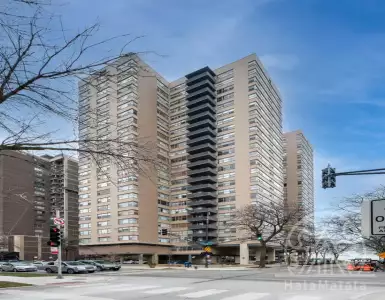
Indianapolis earns the top spot because it combines several favorable elements in Zillow’s framework. The typical home value of $283,040 keeps the monthly mortgage burden to 26.9% of the median household income — comfortably below the oft-cited 30% threshold.
At the same time, Zillow’s forecast shows a 2.9% expected annual growth, which implies upside without the short-term froth that choked buyers in past years. Month-over-month change is modest at 0.2%, indicating neither sharp acceleration nor steep decline.
What this means for a buyer or investor:
- Buyers can find housing within budget while still expecting modest appreciation.
- Investors can target either owner-occupied flips for steady gains or long-term rentals with reasonable affordability for tenants.
- Local market dynamics such as continued job growth, infrastructure, and municipal policy will remain key. Zillow’s index is a starting point, not a closing argument.
How international buyers and expats should interpret the ranking
For foreign investors and expats, Zillow’s buyer-friendly metros offer a quick lens to compare U.S. markets by affordability and negotiating environment, but the U.S. residential market has additional layers:
- Financing: Non-U.S. citizens often face higher down payment requirements and different mortgage products. Zillow’s 20% down assumption may be optimistic for some foreign buyers.
- Taxes and reporting: Property taxes, state income taxes and federal reporting obligations differ by state and residency status. These can materially affect net returns.
- Currency and financing risk: If you earn in a currency other than the U.S. dollar, FX swings can change effective affordability.
- Management and vacancy: If you plan to rent from overseas, factor in property management fees and local rental regulations.
For many cross-border buyers, Zillow’s list helps narrow the search to metros where price and competition align with cross-border investment goals. From there, perform jurisdiction-specific due diligence.
Risks I would watch closely
We are optimistic that buyers will have more room to operate in many metros in 2026, but the following risks persist:
- Rising mortgage rates can undo affordability gains quickly. A few percentage points change monthly payments substantially.
- Local supply shocks, such as zoning changes or development slowdowns, can alter the Market Heat Index within a single year.
- Natural hazard costs such as flood insurance in coastal and some Sun Belt markets can erode returns even when headline prices look attractive.
- Employment concentration in single industries can create vulnerability if a major employer cuts jobs.
Where to go next with this data
If Zillow’s ranking identified a market you find interesting, we recommend three next steps:
- Drill into local microdata: neighborhoods, school zones, transport links and recent sale comps.
- Model different financing scenarios: lower down payment, adjustable vs fixed rates, and rent vs buy calculations if you plan to rent the unit.
- Speak to local agents and property managers to verify inventory trends and transaction timelines.
Frequently Asked Questions
Q: How does Zillow define “typical home value” in its ranking? A: Zillow uses its Zillow Home Value Index (ZHVI) for the typical home value metric, which is a smoothed measure of home prices for a typical home in a metro area as of December 2025.
Q: Does the ranking assume a specific mortgage rate? A: The ranking reports the mortgage share of income assuming a 20% down payment but does not fix one mortgage rate across metros. Buyers should model current prevailing rates to estimate monthly payments precisely.
Q: Why are some expensive metros like Miami included in the top 10 despite high mortgage burdens? A: Zillow’s index balances three measures: current price momentum, forecasted appreciation and market heat. A city like Miami can rank highly if low competition and forecasted appreciation offset a higher share of income required for a mortgage.
Q: Should international buyers rely solely on Zillow’s ranking for investment decisions? A: No. Zillow’s ranking is a useful screening tool, but international buyers must factor in financing constraints, tax rules, management logistics and currency risk before making a purchase.
Zillow’s list is a practical compass for 2026: it signals where buyers may find both lower friction and reasonable upside. Use it to narrow markets, then layer on micro-market analysis, financing scenarios and local due diligence before you commit.
Tags
We will find property in USA for you
- 🔸 Reliable new buildings and ready-made apartments
- 🔸 Without commissions and intermediaries
- 🔸 Online display and remote transaction

International Real Estate Consultant

Subscribe to the newsletter from Hatamatata.com!
Subscribe to the newsletter from Hatamatata.com!
Popular Posts

We will find property in USA for you
- 🔸 Reliable new buildings and ready-made apartments
- 🔸 Without commissions and intermediaries
- 🔸 Online display and remote transaction
International Real Estate Consultant

Subscribe to the newsletter from Hatamatata.com!
Subscribe to the newsletter from Hatamatata.com!
I agree to the processing of personal data and confidentiality rules of HatamatataPopular Offers

 3
3
 120
120
 5
143
5
143
 2
165
2
165
Need advice on your situation?
Get a free consultation on purchasing real estate overseas. We’ll discuss your goals, suggest the best strategies and countries, and explain how to complete the purchase step by step. You’ll get clear answers to all your questions about buying, investing, and relocating abroad.



Irina Nikolaeva
Sales Director, HataMatata