


Living in 9 m² in Paris: the real cost and surprising trade-offs

Why I moved into a 97 sq ft chambre de bonne — and why I stayed
When I first opened the door to my 97-square-foot (9 m²) micro-apartment in Paris in the fall of 2025, I expected to treat it as a temporary stopgap. I had come from New York and assumed I would tolerate minimalism for a few months before finding something larger. Instead I stayed for nine months and learned more about central Paris rental realities than I expected.
Right away a fact shaped my decision: the rent was €550 per month, utilities included. That figure alone puts the experience in the context of the wider real estate France discussion: central-city living at that price is rare, and it changes priorities. I want to be clear: this is an account of living in a classic Parisian chambre de bonne, not a market report. Still, this personal case study does have direct implications for renters, buyers considering small units, and investors watching demand for tiny, central units.
What a chambre de bonne looks like: layout, fixtures and privacy
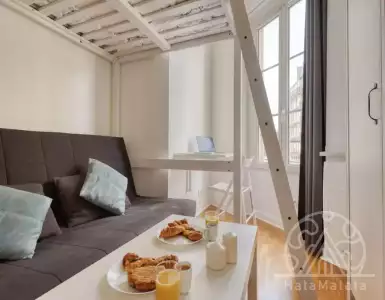
In practical terms, my room is a single rectangular space with a compact kitchenette and a small floating desk, a bed, and some wall-mounted storage. The layout is efficient on paper but cramped in use. Key features:
- Floor area: 97 sq ft (9 m²)
- Rent: €550/month with utilities included
- Shared toilet in the hallway and shower facilities outside the room
Because the kitchenette and bed are very close — sometimes two feet apart — there is effectively no separation between sleep, work, and cooking zones. Guests must use the shared facilities in the corridor, which many visitors find awkward. Privacy is limited in the sense that sanitary facilities are communal with other tenants on the floor.
I call it pseudo-communal living. The building layout encourages interaction with neighbors while preserving a one-room private unit. That arrangement produces both social perks and practical frictions: you get to know your floor-mates quickly, but you give up private bathroom access.
The financial trade-offs: where the savings go
The most obvious number is the rent. €550 a month including utilities freed up cash in ways I didn’t expect. Having that much spare budget in a major European city changed how I live:
- I booked more travel and short trips.
- I invested in hobbies and fitness classes that I value.
- I stopped buying non-essential household items because I lacked space to store them.
The author of the original account contrasts this to a New York upbringing where many people spend 30% or more of income on housing; cheaper central rents feel like a luxury by comparison. That is not a universal truth across Paris or France, but it explains why small, centrally located units are attractive to younger expats and professionals who prioritize location over space.
There are offsetting costs, though. Because counter space and storage are limited, I cook less and order in more often, which can offset part of the savings. I also bought a gym membership because there is no room for a full yoga routine or home workouts. These are predictable substitution costs: you trade physical space for outside services.
Lifestyle gains: minimalism, coziness, and forced choices
Tiny living forces decisions. When you have nine square metres, every object must justify its presence. I found the mental economy useful: before I buy something new I ask whether it will earn its place in the room. That kind of intentional consumption reduces clutter and can reduce overall spending.
There are other gains:
- A compact space is quick to clean and easy to make cozy.
- Living alone in a small unit can feel safer and less lonely than a large empty apartment.
- Proximity to central amenities — cafés, transport, and cultural life — often outweighs spatial limitations for people who spend most waking hours outside home.
Still, loving a small place is not the same as it being perfect. The lack of clear zones makes it hard to separate work from rest, which is a real problem if you work from home.

 2
2
 1
1
 68
68
 1
1
46
1
1
46
 2
1
48
2
1
48


Lifestyle losses: cooking, exercise and hosting
The functional limits of a chambre de bonne are not abstract. They are everyday problems:
- Limited kitchen counter and storage space reduce the desire to cook. Ordering food more often raised my monthly expenditure.
- No floor space for a 45-minute yoga routine meant I had to pay for a gym membership or schedule workout classes.
- The room isn’t comfortable for hosting, so social life shifts to cafés, parks, or friends’ apartments.
These are not minor inconveniences; they change how you spend time and money. The choice to live small is therefore an active trade-off between location and lifestyle functionality.
Community in close quarters: an overlooked benefit
One unexpected upside was the social dynamic. Sharing facilities and corridors with neighbors pressured me into interaction more than in my previous apartment. There is a certain camaraderie among floor-mates; we compare schedules, borrow small items, and occasionally share meals in the hallways or courtyard.
That community aspect is a reminder that housing is not just square metres and fixtures — it is also social context. For some renters, especially recent arrivals or expats, access to a built-in social network can be as valuable as economic savings.
What this experience means for renters, buyers and investors in the Paris market
This personal case is small-scale evidence but it is useful for three groups:
-
Renters and expats: If you prioritize being in central Paris and want to minimize monthly housing costs, a chambre de bonne is a real option. Expect shared facilities, minimal storage, and limited entertaining capacity. Factor in extra expenses such as more frequent dining out or gym fees.
-
Buyers looking at small units: Purchasing a tiny central unit can be affordable on a per-month basis, but you must understand limitations. Consider whether a small apartment will suit long-term living or serve better as a pied-à-terre or short-term rental.
-
Investors: There is ongoing demand among students, single professionals, and short-stay visitors for tiny, well-located units that offer low monthly rent. However, investors should assess tenant turnover, management of shared facilities, and the legal requirements for rental habitability. Micro-units may have lower nominal rent but can deliver consistent occupancy if marketed to the right tenant profiles.
For all three groups, two practical caveats matter:
- Confirm exactly what utilities and services are included in the rent.
- Inspect the shared facilities and ask neighbors about their experience.
Regulations and building rules vary by arrondissement and owner, so always verify the legal status of units marketed as chambres de bonne or micro-apartments.
Practical tips if you’re considering a micro-apartment in Paris
If you are considering renting or buying a similarly small unit, these are hard-won, practical suggestions based on firsthand experience:
- Buy multi-functional furniture: a fold-down table, wall-mounted shelving, and a bed with storage.
- Prioritize decluttering: adopt a one-in-one-out rule for purchases to avoid accumulating items that won’t fit.
- Plan your meals: batch cook to the extent possible and use compact containers to save money on ordering in.
- Join a gym or community studio only after comparing membership costs to the added expense of delivery and eating out.
- Be candid with friends and dates about the space and shared facilities to avoid awkward moments.
- Meet your neighbors: a friendly relationship with floor-mates reduces friction around shared bathrooms and housekeeping.
These small adjustments can make micro-living more sustainable and enjoyable over time.
Risks and realities you should weigh
Micro-living is not for everyone. Key risks include:
- Longevity risk: what feels quirky and charming in your twenties may feel claustrophobic later in life.
- Hidden costs: extra spending on takeout, gym memberships, or storage lockers can erode savings.
- Privacy limits: shared sanitary facilities may be a deal-breaker for some people and a social awkwardness for visitors.
If you plan to rent long-term, consider whether you might someday need more space for a partner, work equipment, or storage. If you are an investor, think about target tenant segmentation and whether your unit’s layout will appeal to those groups.
Our assessment: who should consider a chambre de bonne?
In our view, the chambre de bonne model works best for:
- Single expats or students who spend significant time outside the apartment.
- Professionals who value central location over living area and who use outside spaces for socializing.
- Budget-conscious renters who prefer to trade space for low monthly housing costs and want to allocate funds to travel or lifestyle activities.
It is less suited for people who work from home full time, those who entertain regularly, and families.
Frequently Asked Questions
Q: How big is a typical chambre de bonne?
A: In my case the unit was 97 square feet (9 m²). Sizes can vary but chambre de bonne units are generally very small and often consist of a single room with minimal kitchenette space.
Q: What is a realistic rent for a micro-apartment in central Paris?
A: My rent was €550 per month, utilities included. Rents vary by arrondissement and condition, so use that figure as a single data point rather than a market average.
Q: Can you cook in a 9 m² apartment?
A: Yes, but counter and storage space are limited, which reduces the desire to cook regularly. Many residents end up ordering food more often or relying on nearby markets and cafés.
Q: Is a chambre de bonne suitable for long-term living?
A: It depends on priorities. I stayed nine months and found it manageable and even preferable in some ways. Still, lack of privacy, limited space for exercise, and difficulties hosting can make it impractical as a long-term solution for many people.
Living in a chambre de bonne is a series of deliberate compromises: you trade square metres for central Paris access, lower rent, and quicker integration into local life. If you value location and can tolerate shared facilities and tight quarters, a room like mine — 97 sq ft at €550/month — can be a pragmatic route to free up cash for travel and experiences. If you need separate work and sleep zones, private sanitary facilities, or space to host, plan on a larger unit and higher monthly costs.
We will find property in France for you
- 🔸 Reliable new buildings and ready-made apartments
- 🔸 Without commissions and intermediaries
- 🔸 Online display and remote transaction

International Real Estate Consultant

Subscribe to the newsletter from Hatamatata.com!
Subscribe to the newsletter from Hatamatata.com!
Popular Posts

We will find property in France for you
- 🔸 Reliable new buildings and ready-made apartments
- 🔸 Without commissions and intermediaries
- 🔸 Online display and remote transaction
International Real Estate Consultant

Subscribe to the newsletter from Hatamatata.com!
Subscribe to the newsletter from Hatamatata.com!
I agree to the processing of personal data and confidentiality rules of Hatamatata
Need advice on your situation?
Get a free consultation on purchasing real estate overseas. We’ll discuss your goals, suggest the best strategies and countries, and explain how to complete the purchase step by step. You’ll get clear answers to all your questions about buying, investing, and relocating abroad.



Sales Director, HataMatata