


Discover the secrets of the climate of Spain: find out everything you need to know!

Temperature and weather conditions in Spain
The Mediterranean region has hot summers and mild winters, with average temperatures ranging from 12-21 °C (54-70 °F). The continental region has hot summers but cold winters, with temperatures ranging from -8 °C (17 °f) to 38 °C (100 °f). In the oceanic region, temperatures are moderate year-round, ranging from 5°c to 20°c (41°f to 68°f). Rainfall varies throughout the country, with mountainous areas such as Galicia and Asturias receiving more rainfall, while parts of Andalusia receive very little.
Impact on agriculture and tourism industry
Spain's climatic conditions have a significant impact on both agricultural production and the tourism industry.






Climate change in recent years: the impact of global warming?
In recent years, there has been a marked increase in average temperatures in all regions of Spain as a result of human-induced global warming. This increase is particularly noticeable in coastal areas, where sea surface temperatures have risen significantly over time, leading to changes in the populations of marine life living there. Similarly, rainfall patterns in different parts of Spain have changed in recent years, leading to more floods or droughts depending on location. With global warming, these changes are projected to become even more pronounced over time, creating additional challenges for both agricultural production and the tourism industry, both of which rely heavily on climate predictability.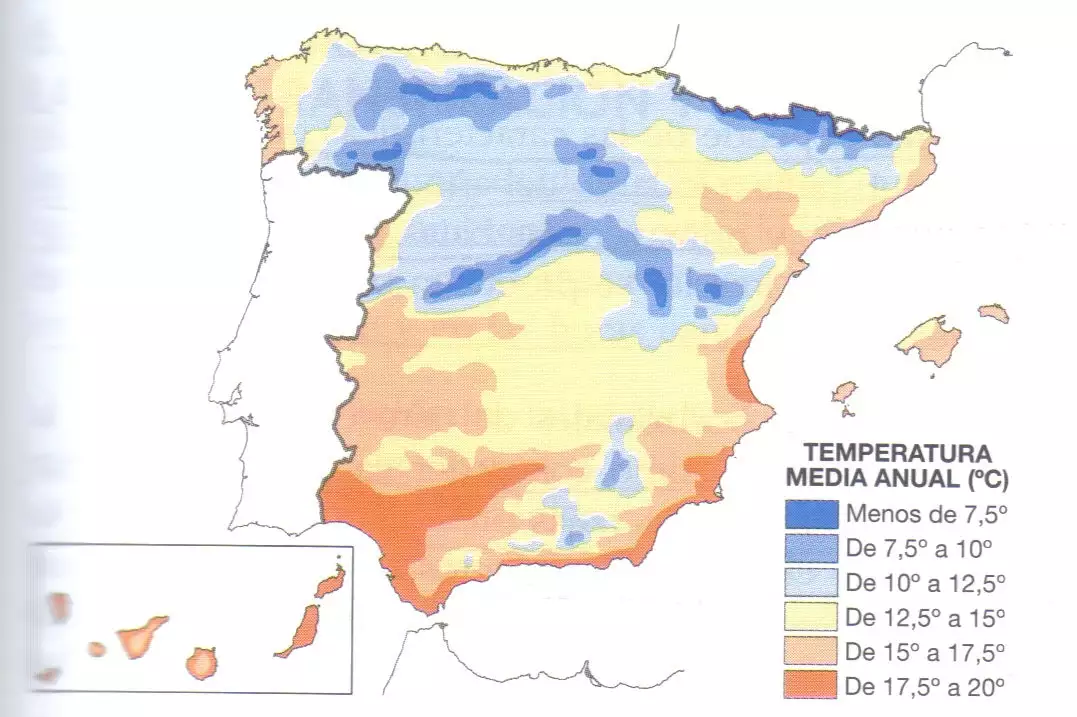
We will find property in Portugal for you
- 🔸 Reliable new buildings and ready-made apartments
- 🔸 Without commissions and intermediaries
- 🔸 Online display and remote transaction

International Real Estate Consultant

Subscribe to the newsletter from Hatamatata.com!
Subscribe to the newsletter from Hatamatata.com!
Popular Posts

We will find property in Portugal for you
- 🔸 Reliable new buildings and ready-made apartments
- 🔸 Without commissions and intermediaries
- 🔸 Online display and remote transaction
International Real Estate Consultant

Subscribe to the newsletter from Hatamatata.com!
Subscribe to the newsletter from Hatamatata.com!
I agree to the processing of personal data and confidentiality rules of Hatamatata


Need advice on your situation?
Get a free consultation on purchasing real estate overseas. We’ll discuss your goals, suggest the best strategies and countries, and explain how to complete the purchase step by step. You’ll get clear answers to all your questions about buying, investing, and relocating abroad.



Sales Director, HataMatata