


Ultra-luxury Portugal: Why scarce supply is driving a high-end property boom

Portugal’s high-end property moment: supply tight, demand surging
The real estate Portugal market for luxury homes is moving fast and not in a way that benefits casual buyers. Within the first 100 words: real estate Portugal is seeing a distinct split — a robust luxury segment and a pressured middle-class sector — and that split matters for anyone considering a purchase or investment here. After interviewing Marlos Gonçalves, CEO of Piquet Realty Portugal, we have a clearer picture of where money is flowing, what is constrained and what this means for investors, second-home buyers and local purchasers.
Quick snapshot
- Piquet Realty Portugal was founded in 2019 and became part of the Porta da Frente Christie’s Group in H1 2025.
- The company reported performance around 50% higher in 2025 than in 2024.
- Portuguese buyers account for 20–30% of the firm’s transactions.
These are not small details; they frame how supply, buyer mix and corporate consolidation are shaping the premium segment.
What ‘luxury’ and ‘ultra-luxury’ mean in Portugal today
The words luxury and ultra-luxury get thrown around, but here the distinction is practical. From the interview, Marlos Gonçalves defines ultra-luxury by a set of concrete features: prime location, very large floorplans, top-quality finishes, advanced home automation systems and extensive amenities including large garages.
In practice that means:
- In Lisbon: high-floor penthouses and large, fully refurbished apartments with concierge-style services.
- In Cascais: a mix of villas and apartments where outdoor living and privacy matter.
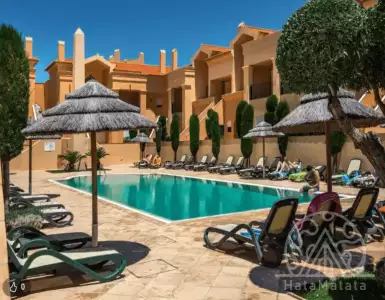
- In the Algarve: predominantly villas in gated resorts or private enclaves such as Quinta do Lago and Vale do Lobo.
The ultra-luxury segment is growing, Gonçalves says, but growth is limited by the simple fact that there are few properties that meet these specifications. That scarcity is a structural dynamic, not a temporary trend.
Demand drivers: who is buying and why
The foreign buyers fueling luxury demand are diverse. Piquet’s experience highlights several nationalities that consistently appear in the transaction mix:
- Brazilian and North American buyers are especially prominent for Piquet Realty Portugal.
- Significant flows also come from British, German, French, Swedish and Russian buyers.
- Domestic buyers still matter: 20–30% of deals involve Portuguese purchasers.
Why are these buyers active? Gonçalves pointed to a combination of factors:
- Portugal’s economic stability and legal certainty attract investors seeking safer assets.
- Quality of life, climate and access to European markets draw second-home buyers and retirees.
- A diversified supply of historic properties, contemporary villas and new premium developments allows buyers to match product to lifestyle.
From an investor’s point of view, this mix matters because demand comes from different motives. Some buyers want rental income and capital appreciation. Others want lifestyle and privacy. The presence of both types of buyers tends to support liquidity and price resilience in the high-end segment.
Supply constraints: why prices are staying strong
The core structural factor in the premium market is restricted supply. Gonçalves outlined two main reasons:
- Licensing and bureaucratic hurdles slow new developments, especially larger premium projects.
- A shortage of land and projects that meet the ultra-luxury criteria.
These constraints mean demand outstrips supply. For a buyer, that translates into a market where:
- Off-market transactions are common and valuable — agents who have access to discreet listings hold an advantage.
- Decision speed and paperwork preparedness matter; lengthy delays can mean losing a deal.
From the seller side, low replenishment of high-end inventory supports asking prices and accelerates negotiation timelines for competitive, well-priced assets.
Regional focus: Lisbon, Cascais and the Algarve compared
Not all Portuguese property markets behave the same. Buyers need to match product type to region.
Lisbon
- Typical luxury product: apartments and penthouses.
- Appeal: urban lifestyle, international schools, business and cultural infrastructure.
- Buyers: mix of European and transatlantic investors looking for city living or prime rental yields.
Cascais
- Typical product: mix of villas and apartments with strong demand for privacy and sea views.
- Appeal: proximity to Lisbon, coastal amenities, established high-end neighbourhoods.
- Buyers: families and lifestyle buyers who value short commutes to Lisbon.
Algarve (Quinta do Lago, Vale do Lobo and surrounding areas)
- Typical product: predominantly villas in gated resorts and private estates.
- Appeal: resort leisure, golf, marinas and year-round tourism infrastructure.
- Buyers: holiday-home buyers, high-net-worth owners seeking privacy and rental opportunities.
Piquet Realty Portugal’s strategic decision to expand into the Algarve reflects an assessment that the region has scale and product diversity that can support longer-term growth. Gonçalves contrasts Algarve with smaller hotspots such as Comporta; the latter may be high-profile but lacks the same depth of listings and market scale.
The changing role of the luxury agent and technology’s place
The pandemic-era acceleration of digital tools has changed how high-end real estate agents operate. Gonçalves describes this evolution in practical terms: agents are now expected to combine market knowledge with technology and relationship management.
Key points:
- Agents act as “experience managers” and strategic partners. They guide buyers through relocation, documentation and local integration when needed.
- Technology and AI are used for market data analysis, identification of demand patterns and personalisation of client outreach.
- Still, human relationships remain decisive.





What this means for buyers and investors: choosing the right agent is now a strategic decision. Agents who can demonstrate a structured CRM, market analytics and a track record in off-market transactions are more likely to secure scarce, premium stock.
How recent government measures could ripple through the market
Gonçalves noted that even measures aimed at the middle class can have spillover effects on the luxury sector. Examples he cited include the reduction of VAT for properties up to €648,000 and policy moves to accelerate urban development and rehabilitation.
Why these measures matter for the luxury market:
- Accelerating licensing could unlock projects that feed into the high-end pipeline, easing supply pressure over time.
- Greater predictability and increased construction activity can improve investor confidence across segments.
That said, supply constraints specific to the ultra-luxury echelon — large plots in prime locations and bespoke architectural projects — cannot be solved overnight by VAT changes. Investors should be realistic about timelines for new supply to materialise.
Practical guidance for buyers and investors
Based on Piquet’s experience and the market signals Gonçalves shared, here are actionable takeaways for different buyer profiles.
For high-net-worth buyers seeking ultra-luxury homes:
- Expect scarcity. Be prepared for off-market searches and flexible timelines.
- Use a specialist agent who has deep local knowledge and access to discreet listings.
- Prioritise due diligence on licensing status and future development plans around the property’s location.
For investors focused on rental income or capital appreciation:
- Match product to region: apartments in Lisbon for urban rentals, villas in Algarve for seasonal lets.
- Consider regulatory timelines: short-term rental rules and licensing can affect returns.
- Track domestic buyer participation: a 20–30% domestic component helps with market stability.
For domestic buyers and traders in the mid-to-high segment:
- Off-market opportunities can be a route to better value if you work with experienced firms.
- Be wary of transaction speed; the premium market moves quickly when a desirable asset appears.
For agents and service providers:
- Invest in CRM and analytics capabilities; clients expect personalised, data-informed service.
- Develop competency in relocation and cross-border logistics; international buyers often need end-to-end support.
Risks and limits to consider
The high-end market’s strengths come with risks buyers must understand:
- Concentration risk: demand tends to concentrate in a few prime areas, amplifying price volatility locally.
- Regulatory bottlenecks: licensing and bureaucratic delays can stall both purchases and planned renovations.
- Dependency on international demand: geopolitical shifts or currency swings that depress foreign buying could reduce liquidity.
These risks are manageable, but they demand careful planning and the right professional support.
My reading: why this matters beyond headline growth
Piquet’s reported ~50% growth in 2025 versus 2024 is an exceptional company-level outcome, but it should be read in context. That performance reflects successful integration into a larger group, access to a broader portfolio and effective targeting of international demand. It is not a blanket signal that every corner of the Portuguese housing market is booming.
What we can say with confidence: the luxury and ultra-luxury segments remain robust because of constrained supply, sustained international interest and a continued domestic buyer presence. Agents are evolving into strategic partners who bring technology, local knowledge and full-service support to wealthy clients. Any investor or buyer entering this market should plan for scarcity, prioritise off-market access and factor in regulatory timelines when assessing value.
Frequently Asked Questions
Q: Is Portugal still a good place to invest in luxury property? A: Yes, Portugal remains attractive for luxury property investment because of stable institutions, legal certainty and demand from diverse international buyers. That said, buyers must account for limited high-end supply and licensing delays.
Q: Which regions should buyers prioritise for ultra-luxury homes? A: Focus on Lisbon and Cascais for prime urban and near-coast living, and the Algarve (notably Quinta do Lago and Vale do Lobo) for villas and resort-style estates.
Q: How important are off-market listings in Portugal’s premium sector? A: Extremely important. Off-market inventory is where many ultra-luxury deals surface, so access to experienced agents is critical.
Q: Have government measures to boost housing supply affected the luxury market? A: Measures aimed at the middle market can improve overall market confidence and speed up development processes, which may indirectly benefit the high-end sector. But ultra-luxury supply constraints tied to land and project scale will take longer to resolve.
If you are considering an acquisition in this segment, work with a firm that combines rigorous market analytics, international reach and a record of off-market transactions; remember that Portuguese buyers still account for roughly 20–30% of high-end deals and that Piquet recorded an approximate 50% jump in activity in 2025 compared with 2024.
We will find property in Portugal for you
- 🔸 Reliable new buildings and ready-made apartments
- 🔸 Without commissions and intermediaries
- 🔸 Online display and remote transaction

International Real Estate Consultant

Subscribe to the newsletter from Hatamatata.com!
Subscribe to the newsletter from Hatamatata.com!
Popular Posts

We will find property in Portugal for you
- 🔸 Reliable new buildings and ready-made apartments
- 🔸 Without commissions and intermediaries
- 🔸 Online display and remote transaction
International Real Estate Consultant

Subscribe to the newsletter from Hatamatata.com!
Subscribe to the newsletter from Hatamatata.com!
I agree to the processing of personal data and confidentiality rules of Hatamatata

Need advice on your situation?
Get a free consultation on purchasing real estate overseas. We’ll discuss your goals, suggest the best strategies and countries, and explain how to complete the purchase step by step. You’ll get clear answers to all your questions about buying, investing, and relocating abroad.



Irina Nikolaeva
Sales Director, HataMatata