


Where in Málaga Province You Can Still Buy Property for Under €600/m²

Affordable property in Spain’s Málaga province: where price beats proximity
If you're looking at property in Spain, the image that often comes to mind is the Costa del Sol — sun, sea and high prices. Yet a closer look at Málaga province shows a different reality inland where homes can be found for under €600 per square metre. For buyers and investors who prioritise space and cost over coastal amenities, these markets deserve attention and careful scrutiny.
Quick snapshot
- Villanueva de Algaidas average price: €594/m² (early 2026)
- Coastal averages often reach €2,000–€3,000/m²
- Inland demand is steadier and driven by local economies rather than tourism
These figures show the gap between seaside demand and inland affordability. We examine what that gap means for buyers, expats and investors, and offer practical guidance based on market signals and on-the-ground realities.
Where prices fall below €600/m²: Villanueva de Algaidas and similar towns
Villanueva de Algaidas, in the north-eastern corner of Málaga province near Antequera, is cited as one of the most affordable municipalities. The average price of €594/m² as of early 2026 places it in a very different bracket to popular coastal resorts.
What you typically find inland:
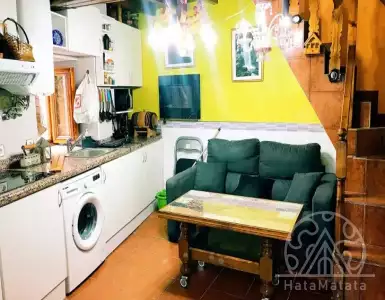
- Traditional village houses, often with internal patios or small gardens
- Larger floor areas for the same money compared with coastal apartments
- Properties that frequently need renovation or modernisation
These towns are not isolated curiosities; they represent a micro-market where values are shaped by local jobs, agricultural activity and smaller, stable populations rather than by international tourism or short-term rental inflows.
Why inland prices are lower — the economic and social drivers
The gulf between inland and coastal prices is explained by several concrete factors.
- Tourism and second-home demand fuel coastal prices: seaside towns attract foreign buyers, holiday rentals and expatriate communities. That sustained demand pushes averages into the €2,000–€3,000/m² range.
- Inland economies are more local: agriculture, light industry and small services sustain inland towns. That means lower housing demand from outside buyers and fewer price spikes.
- Population patterns: smaller, ageing populations in some inland municipalities reduce pressure on housing stock.
Put simply, inland property prices reflect lower external demand and a different set of buyer priorities. For many buyers that is a strength: more space, lower entry cost and less competition. For others it is a downside: fewer rental prospects, lower liquidity and a need for on-the-ground adaptation.
What buyers and expats must weigh before committing
We see increasing interest from foreign buyers who are prepared to relocate permanently rather than buy a holiday home. But inland living is not for everyone. Here are the key considerations based on market reports and local experience.
Transport and mobility
- Private transport is usually essential. Public services can be limited and infrequent.
- Road improvements have helped commute times to larger towns, yet daily travel is common for schools, healthcare and administration.
Local services and amenities
- Hospitals, international schools and specialised medical care are typically in larger towns or cities — plan for regular travel.
- Supermarkets, basic medical centres and municipal services are present but vary by town.
Property condition and renovation
- Many low-priced properties are older village homes that may require structural work, wiring upgrades or plumbing replacement.
- Renovation can add significant cost and delay to occupation. We advise arranging a survey before offer.
Connectivity
- Internet infrastructure has improved in many inland areas, which helps remote workers. Speeds however can vary between villages.
Employment
- Jobs tied to the local economy are limited compared with coastal tourist hubs. Remote work changes the equation for some buyers, but not all occupations are suitable.
Lifestyle trade-offs
- Inland life is quieter and typically cheaper, but less service-dense. If a daily commute to a city is planned, weigh fuel and time against the savings on the purchase price.
We recommend that expats who are not fluent in Spanish engage a bilingual local agent or lawyer. That reduces the risk of misunderstandings around planning rules, renovation permits and contract terms.
Investment outlook: steady demand, limited upside compared with the coast
Inland Málaga has not seen the rapid price rises characteristic of the coast. Estate agents report gradual growth in foreign buyer interest, particularly from those seeking a permanent move rather than a holiday home. That distinction matters.
What to expect as an investor or owner-occupier:
- Stability rather than rapid appreciation. Inland markets can be less volatile but offer smaller short-term gains.
- Rental returns depend on use. Long-term rentals to locals or regional workers are realistic; holiday-rental income tends to be lower than coastal options.
- Liquidity is lower.





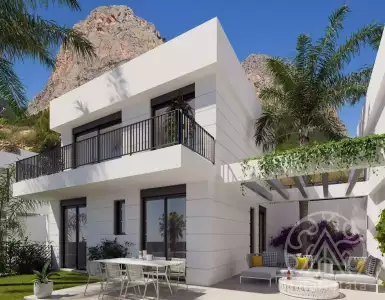

From an investment perspective, inland purchases can be sensible when the goal is low-cost ownership, living space and a slower pace of life. If fast capital growth or high short-term rental yields are the objective, coastal markets remain stronger.
Practical steps and checklist for buying inland property in Málaga
We advise a methodical approach. Below is a practical checklist to guide your search and due diligence.
Before you view
- Clarify your budget including purchase taxes, notary fees and likely renovation costs.
- Decide on primary use: permanent residence, long-term rental or renovation project.
At viewings
- Inspect the roof, foundations, damp and structural elements.
- Check for signs of rising damp, outdated electrical systems, and plumbing in need of replacement.
- Ask about municipal services: water supply, waste removal and broadband options.
Due diligence
- Get a structural survey and a written estimate for required works.
- Confirm the property’s cadastral reference and that planning permissions are in order.
- Verify utility registration and absence of debts attached to the property.
Legal and fiscal steps
- Obtain an NIE (foreigner identification number) if you are a non-resident buyer.
- Use an independent lawyer to review contracts and confirm tax implications; local Spanish property tax rules apply.
- Factor in purchase taxes (transfer tax for resale properties, VAT for new builds), plus annual wealth or property taxes where applicable.
After purchase
- Register the property at the Land Registry.
- Start any renovations only after obtaining required planning permissions.
- Arrange local services and utilities in your name — this can take time in smaller towns.
We recommend meeting local town hall officials if possible; they can explain permitted renovations, extensions and any municipal development plans that may affect value.
Typical property types and what to expect inside the walls
Inland Málaga towns offer several common property profiles:
- Traditional village houses: compact floorplans, thick walls, internal patios; often two or three storeys with small terraces.
- Semi-detached houses on village margins: slightly larger plots and access to street parking.
- Small finca or country houses: semi-rural plots with small gardens, sometimes outbuildings.
Renovation often brings the biggest value uplift, but it requires patience and local knowledge. If you plan to modernise for resale or rental, obtain multiple contractor quotes and confirm timescales. Unforeseen structural issues can extend schedules and budgets.
Risks and warning signs
We are cautious about overstating inland appeal. Key risks include:
- Low resale demand: small buyer pools mean properties can sit on the market longer.
- Hidden renovation costs: older buildings may have concealed structural problems.
- Service access: health and education services are centralised in larger towns.
- Economic exposure: local economies can be constrained by agriculture or small-scale industry.
A balanced approach is essential. Lower purchase price does not automatically equal a good deal; you must account for hidden costs and lifestyle adjustments.
How the remote-work trend changes the equation
Remote working has made inland life viable for more buyers. If your job allows home-based work, living inland can deliver lower living costs and more space. Important practical points:
- Verify broadband speed at the exact property address rather than relying on town averages.
- Plan for occasional travel to larger towns for services and social life.
- Assess the local community to ensure you have a social support network if you relocate full time.
Agents report increased interest from foreigners seeking permanent residence in inland Málaga. This is not a tsunami of demand, but a slow shift in buyer preference that could support modest price appreciation over time.
Practical example: what Villanueva de Algaidas represents
Villanueva de Algaidas is a clear illustration of where value persists. Its €594/m² average in early 2026 points to affordability driven by limited tourism demand and a local economic base. Buyers there often find traditional houses that need work but provide more space than a coastal apartment would for the same money.
For many, the trade-off is acceptable: lower price in return for a quieter life and larger property. For others who require instant access to international schools, specialised healthcare or high-rent holiday markets, the coast will remain more suitable.
Conclusion: who should consider inland Málaga property?
Inland Málaga is best suited for:
- Buyers who want maximum living space for their budget.
- Those willing to renovate and manage projects locally.
- Remote workers who can be flexible on travel for services.
- Residents seeking long-term, lower-cost living rather than short-term rental income.
We advise caution for buyers expecting quick turnovers or high holiday-rental returns. The inland market is steady but less liquid than the coast.
If your primary criterion is low price per square metre, Villanueva de Algaidas offers a clear example with an average of €594/m² as of early 2026; be prepared to budget extra for renovation, transport and accessing key services.
Frequently Asked Questions
Q: Where in Málaga can I buy property for under €600/m²?
A: Municipalities inland such as Villanueva de Algaidas have recorded averages close to €594/m² (early 2026). These prices are typically found away from the Costa del Sol and in towns with smaller local economies.
Q: Why are inland prices so much lower than on the coast?
A: Coastal prices reflect tourism, second-home buyers and strong short-term rental markets, which push averages into the €2,000–€3,000/m² range. Inland areas have lower external demand and rely more on local employment sectors like agriculture.
Q: Can a foreign buyer get a mortgage for an inland property in Spain?
A: Foreign buyers can obtain mortgages in Spain, but terms vary by lender. Non-resident lending ratios are usually lower than for residents, and lenders will assess income, deposit size and property value. Use a local mortgage broker to compare offers.
Q: Is renovation common and expensive in inland properties?
A: Renovation is common, especially for older village houses. Costs vary widely depending on scope. We recommend a pre-purchase survey and several contractor quotes to avoid surprises.
Tags
We will find property in Spain for you
- 🔸 Reliable new buildings and ready-made apartments
- 🔸 Without commissions and intermediaries
- 🔸 Online display and remote transaction

International Real Estate Consultant

Subscribe to the newsletter from Hatamatata.com!
Subscribe to the newsletter from Hatamatata.com!
Popular Posts

We will find property in Spain for you
- 🔸 Reliable new buildings and ready-made apartments
- 🔸 Without commissions and intermediaries
- 🔸 Online display and remote transaction
International Real Estate Consultant

Subscribe to the newsletter from Hatamatata.com!
Subscribe to the newsletter from Hatamatata.com!
I agree to the processing of personal data and confidentiality rules of Hatamatata

Need advice on your situation?
Get a free consultation on purchasing real estate overseas. We’ll discuss your goals, suggest the best strategies and countries, and explain how to complete the purchase step by step. You’ll get clear answers to all your questions about buying, investing, and relocating abroad.



Irina Nikolaeva
Sales Director, HataMatata