


Where to Put Money Now: Real Estate Indonesia Trends and Best Bets

A clear read on real estate Indonesia right now
If you are scanning the real estate Indonesia market for opportunities, you need clarity fast. The market is active and varied — driven by urban migration, new infrastructure, and a growing middle class — and that combination is creating pockets of real opportunity and pockets of risk. In our analysis, success comes down to picking the right location, understanding regulations, and planning for interest-rate and economic swings.
Market snapshot: what’s driving demand
Indonesia is Southeast Asia's largest economy, and that scale shows up in the property market. Demand is strongest where jobs concentrate, transport links improve, and new consumers move into home-ownership age. Several structural drivers are shaping housing and commercial real estate today:
- Urbanization and household formation as people move into cities.
- Rising middle-class incomes that are changing housing preferences.
- Government infrastructure projects that reshape accessibility and value.
- Technology and fintech making property search and financing more efficient.
These trends mean price movement is rarely uniform. Some urban submarkets are tight and price-sensitive, while peripheral zones absorb large volume developments aimed at affordability. For buyers and investors that means the headline market direction is useful, but local microconditions are decisive.
Key trends shaping buying and investment decisions
Here are the patterns you must account for when analysing opportunities in Indonesian property.
Urban housing demand and commuter spread
Cities like Jakarta remain the centre of corporate activity. As central districts fill up, demand shifts outward into commuter belts. That trend is visible in stronger activity in nearby towns where new toll roads, commuter rail and metro extensions shorten travel times. For investors, commuter towns can offer lower entry prices and steady rental demand from workers priced out of city centres.
Appetite for sustainable and energy-efficient projects
Developers are adding green elements such as energy-efficient lighting, better insulation and water-saving systems. Buyers increasingly ask about operating costs and environmental features. While green upgrades can add upfront cost, they often reduce vacancy and operating expenses for rental stock.
Integrated townships and mixed-use projects
Large-scale integrated developments that combine homes, offices, retail and recreation are prominent. These projects aim to reduce daily travel for residents and to create higher-value ecosystems where land is used intensively. For investors, integrated townships can be easier to market to tenants seeking convenience and lifestyle.
Affordability remains an urgent policy and market theme
Despite rising incomes, many Indonesians cannot afford central-city prices. Public and private initiatives to produce affordable housing are expanding, and these projects can move large volumes of buyers quickly. That volume can help developers de-risk but it also compresses margins and can lead to over-supply in specific segments.
Technology's role in discovery and finance
Online portals, virtual tours and property marketplaces are now central to how buyers and tenants find homes. Fintech lenders and alternative mortgage products are emerging, making finance more accessible for a broader pool of buyers. That expands potential demand but also means underwriting and borrower quality deserve close scrutiny.
Hottest locations and where to focus attention
Not all Indonesian property markets are the same. Location still determines returns more than any single trend.
- Jakarta — SCBD and Kuningan: Central business districts remain the top choice for corporate tenants and high-end apartment buyers. These areas are where multinational firms and financial institutions cluster.
- Greater Jakarta commuters: Tangerang, Bekasi, Bogor: These suburbs are absorbing demand pushed out of the capital by cost and congestion. Improved roads and mass transit upgrades make them practical for buyers who need access to Jakarta work centres.
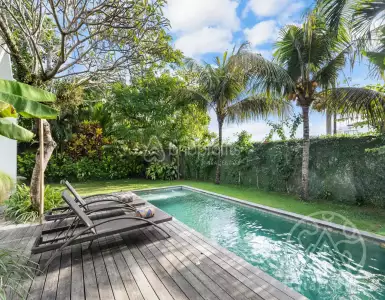
- Bali: Tourism-linked properties and villas remain in demand for holiday rentals and lifestyle buyers. Bali's market is sensitive to travel trends and regulatory changes affecting short-term rentals.
- Surabaya and Medan: Major regional cities showing steady commercial and residential interest, often with lower entry costs than Greater Jakarta.
Each of these locations has different risk-return profiles.


 5
5
 5
5
 360
360
 2
2
90
2
2
90
 2
2
130
2
2
130
 2
2
163
2
2
163
What moves prices: the factors to model
When you value a property or project in Indonesia, consider these variables explicitly.
- Macroeconomic growth: GDP trends affect employment and real wages, which feed housing demand.
- Interest rates: Mortgage affordability is rate-sensitive. Lower rates widen buyer pools; higher rates reduce purchasing power and increase holding costs.
- Inflation and construction costs: Rising material and labour costs push developer prices up or squeeze margins.
- Location fundamentals: Proximity to transport, schools, hospitals, and corporate hubs drives premium pricing.
- Policy and regulation: Zoning changes, tax incentives and foreign-ownership rules can shift market dynamics quickly.
- Supply-demand balance: Oversupply in a segment drives price pressure. High demand with limited land creates appreciation.
Modeling these inputs without robust local data results in weak projections. We recommend building scenario-based valuations: a base case, a conservative case that assumes weaker macro conditions, and an optimistic case for faster-than-expected infrastructure delivery.
Practical investment strategies for buyers and investors
You can think of Indonesian property investments in three practical buckets: buy-to-let for yield, buy-for-capital appreciation, and development/speculative plays. Each requires a different approach.
- Buy-to-let (rental): Look for steady tenant demand and manageable operating costs. Central business districts and established commuter towns tend to supply tenants with jobs nearby. Budget for property management costs and factor in vacancy cycles.
- Capital appreciation: Focus where infrastructure projects are confirmed, zoning allows higher density, and land supply is limited. Early investment near a confirmed mass transit extension can pay off, but timing and project delivery matter.
- Development/speculative: This is higher risk and requires local execution strength. You need reliable contractors, local approvals expertise, and contingency budgets when timelines slip.
Concrete steps we recommend before committing capital:
- Do a location-level rental and sales comparables review.
- Validate infrastructure timelines with municipal agencies or developer announcements.
- Insist on full legal checks and title verification with a local lawyer.
- Get an independent inspection report for physical condition and build quality.
- Stress-test cashflows against higher interest rates and longer vacancy periods.
- Use an experienced local agent with verifiable track record and client references.
Legal and regulatory caution: what to check
The original reporting notes that foreign ownership regulations are influential. For international buyers, understanding permitted ownership structures, lease terms and transfer processes is essential. We advise:
- Engaging a local property lawyer early and keeping them through to completion.
- Verifying land titles and encumbrances before offering earnest money.
- Confirming developer permits and completion certificates for off-plan buy-ins.
These steps reduce the risk of later disputes and protect capital. Legal costs and timeframes can vary significantly by region, so build that into acquisition schedules and budgets.
Risks and where investors should be guarded
Indonesia's market is promising in many respects, but it has risks you should price into your decision-making.
- Macro volatility: Global shocks or local economic slowdowns reduce demand and squeeze yields.
- Interest-rate rises: Higher borrowing costs depress buyer affordability and can lengthen sales cycles.
- Regulatory change: Zoning and tax adjustments can alter returns quickly, especially for foreign investors.
- Project delivery risk: Infrastructure projects that are delayed weaken nearby appreciation cases.
- Segment oversupply: Large-scale affordable housing or condo building waves can reduce unit prices locally.
We are candid: you can win in this market, but only with conservative underwriting and strong local partners.
How to size your bet: practical money questions
- Time horizon: Property Iocations tied to infrastructure typically need 3–7 years to show appreciation; rental strategies may start producing cashflow within months.
- Leverage: Use conservative loan-to-value ratios to withstand rate rises. Factor in service charges and maintenance for condos or gated communities.
- Exit strategy: Have clear exit triggers — a target IRR, a maximum holding period, or conditions that prompt sale — and keep options open for sale, refinance or converting to long-term rental.
Future outlook: measured optimism, with caveats
Overall, supply-demand forces and ongoing infrastructure development keep the outlook constructive. Urbanization and a growing consumer base will keep demand for housing and commercial space alive. Technology is lowering search friction and expanding finance options, which should widen buyer participation.
However, watch for global economic cycles, shifts in interest rates and sudden regulatory moves that change foreign ownership rules or short-term rental policies. Those elements can change the return profile quickly.
Frequently Asked Questions
Q: Can foreigners buy property in Indonesia?
A: The market has rules on foreign ownership that affect what you can buy and how long you can hold it. The original reporting highlights the importance of understanding local ownership regulations and using a local lawyer to verify permissibility and structure.
Q: Which locations offer the best balance of capital growth and rental demand?
A: Central Jakarta (SCBD and Kuningan) offers corporate tenancy and high-end demand; Tangerang, Bekasi and Bogor provide commuter-driven rental markets; Bali is best for tourism-linked rentals but is sensitive to travel cycles.
Q: How important are infrastructure projects for property appreciation?
A: Very important. Confirmed transport and road projects can change accessibility and buyer interest, but you must verify delivery timelines because values respond when projects open, not when they are announced.
Q: What are the biggest mistakes first-time investors make?
A: Skipping legal due diligence, underestimating holding costs, relying solely on headline market optimism, and not stress-testing cashflows against higher interest rates.
Practical takeaway
Indonesia's property market is driven by urban growth, infrastructure and a rising middle class. The smartest moves are location-specific, legally sound and conservatively underwritten. If you are considering an investment, start by verifying land titles, confirm infrastructure timelines, and work with experienced local advisors who can translate national trends into neighbourhood-level forecasts.
End with one specific fact: central business districts such as SCBD and Kuningan are still the primary magnets for corporate tenants and high-end buyers, while commuter towns like Tangerang, Bekasi and Bogor are absorbing displaced demand from Jakarta and deserve close attention when modeling rental and appreciation scenarios.
We will find property in Thailand for you
- 🔸 Reliable new buildings and ready-made apartments
- 🔸 Without commissions and intermediaries
- 🔸 Online display and remote transaction

International Real Estate Consultant

Subscribe to the newsletter from Hatamatata.com!
Subscribe to the newsletter from Hatamatata.com!
Popular Posts

We will find property in Thailand for you
- 🔸 Reliable new buildings and ready-made apartments
- 🔸 Without commissions and intermediaries
- 🔸 Online display and remote transaction
International Real Estate Consultant

Subscribe to the newsletter from Hatamatata.com!
Subscribe to the newsletter from Hatamatata.com!
I agree to the processing of personal data and confidentiality rules of HatamatataPopular Offers
 0
0
 4
38
4
38
 2
96
2
96
Need advice on your situation?
Get a free consultation on purchasing real estate overseas. We’ll discuss your goals, suggest the best strategies and countries, and explain how to complete the purchase step by step. You’ll get clear answers to all your questions about buying, investing, and relocating abroad.



Irina Nikolaeva
Sales Director, HataMatata