


Why Belgrade Is Suddenly on Property Investors’ Radar — Low Taxes, Cheap Rent, Real Risks

Belgrade real estate: why investors and expats are paying attention
If you're tracking the real estate Serbia market, Belgrade demands a look. The city pairs one of Europe’s lowest corporate tax rates (15%) with housing costs well below Western benchmarks, and that combo is drawing entrepreneurs, digital nomads, and second-home buyers.
We have watched inflows of foreigners who want a European base that is affordable and straightforward to set up a business in. That interest is sensible — but it is not risk-free. In this piece I explain where the value lies, how residency and property purchase work, and what an investor or expat should watch for before signing a contract.
What makes Belgrade different for property buyers and investors
Belgrade is at the crossroads between West and East. It is geographically central in the Balkans and borders eight countries. But geography is only part of the story. Here are the concrete pull factors:
- Low taxes: corporate tax 15%, personal income tax 10–20%, and no wealth tax.
- Cost advantage: the cost of living in Belgrade is about 59% lower than in London.
- Passport reach: Serbian passport holders have visa-free or visa-on-arrival access to 135 countries, including EU states, Russia and China.
- Business ease: you can form a Serbian limited liability company (LLC) with shared capital of just €1 and often register in five to seven days.
Those facts explain why many small tech firms, remote teams and service providers see Serbia as a pragmatic base. Still, money saved on taxes must be weighed against other factors such as legal clarity, market liquidity and reselling timelines.
The property market: prices, rents and what they mean for returns
Belgrade is not a single market — it is a set of neighbourhood markets with different demand drivers. Use the numbers below as a working map rather than gospel.
- Central one-bedroom rent: €450–€700 per month
- Central three-bedroom rent: €850–€1,500 per month
- One-bedroom outside centre: €255–€425 per month
- Three-bedroom outside centre: €590–€1,000 per month
Running costs and everyday prices matter for yields and tenant demand:
- Utilities: around €150 per month
- Groceries: €170–€250 per month per person
- Milk €1.10, bread €0.50, eggs (12) €1.85, local beer €2.10, cappuccino €1.70
- Monthly transport pass: €28; gym membership: €30
What this implies for investors:
- Rents are low by Western standards, so gross yields will come from low purchase prices rather than high rents. Expect moderate rental income but lower holding costs and high affordability for tenants.
- For buy-to-let buyers targeting expats or digital nomads, neighbourhood choice is crucial; central areas and well-connected suburbs attract longer bookings and corporate tenants.
I advise running conservative yield scenarios. If you rely on capital gains, track local supply growth and new-build pipelines — these influence resale timing.
Where to buy in Belgrade: neighbourhood guide for investors and families
Belgrade comprises varied quarters. The right area depends on whether you want steady rental income, capital appreciation, a family-friendly location, or a modern apartment for short-term lets.
- Vračar — central, upscale, strong café culture. Good for long-term capital appreciation and professional tenants. Property values have risen steadily over the past decade.
- Dorćol — old city charm, cobbled streets and nightlife. Good for short-term lets and younger renters who want character and proximity to bars and galleries.
- Novi Beograd (New Belgrade) — planned neighbourhood, wide boulevards, newer office stock. Good for families and corporate tenants; strong transport links to the city centre and international firms.
- Savski Venac — quieter, green, close to international schools. Good for families seeking larger flats and access to amenities.
Pick a neighbourhood with clear tenant demand aligned to your strategy. If you want high occupancy with modest rent, aim for family-oriented districts near schools and transport. If you are targeting short-term corporate rentals, choose Dorćol or Vračar.
How non-residents buy property and the legal checks you must do
Buying property in Serbia is straightforward in many respects but not universal for all foreigners. Key points:
- You can only buy Serbian real estate if your home country has a reciprocal real estate agreement with Serbia. Check your country’s status before making plans.
- There is no government-fixed minimum purchase value for residency via property, but the state assesses applications individually — approval is not automatic.
- Expect to be asked to spend one to two months in Serbia after filing your residence application and to show you have sufficient funds to support yourself and dependents.
Due diligence checklist I advise every buyer to follow:
- Verify title with the local public registry and check for encumbrances or liens.
- Confirm zoning and permitted uses if you plan to renovate or run an Airbnb-style operation.
- Check the seller’s documents for outstanding utility bills or local charges.
- Get a local lawyer who speaks your language and who specialises in property transactions.
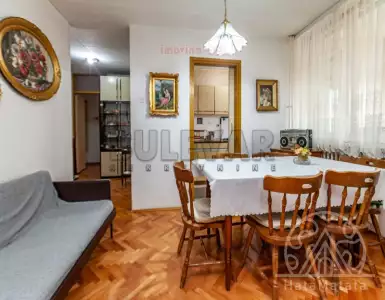
The transaction itself is usually handled through a notary-like process with registration at the cadastre. Expect typical closing costs to include notary fees, registration fees and possible agent commissions.



Residency routes linked to business and property ownership
If your objective is residency rather than simply buying a home, Serbia has two common pathways: company formation and real estate investment.
Company formation route:
- You can form an LLC with minimum share capital of €1.
- The company must be active — registering a shell without real activity risks rejection.
- Registering typically takes five to seven days.
- Temporary residency is issued and can be renewed after six months; permanent residency may be granted after three years of continuous temporary residency.
Real estate route:
- There’s no formal minimum investment set by law for residence through property, but approval is discretionary.
- Applicants must spend a minimum of six months in Serbia each year to maintain temporary residency.
- Temporary residence via property is renewable annually; permanent residency is possible after three years of temporary residence, subject to conditions.
Citizenship options:
- Citizenship by descent is available if you can prove Serbian ancestry. That route can allow children and sometimes spouses to obtain citizenship with different rules from residency.
- For naturalisation, rules vary; authorities often require multiple years of residence and proof of integration. The text of the law and administrative practice can differ, so seek current legal advice.
Be realistic: residency routes that look fast on paper still require time for paperwork, translations, background checks and possible interviews.
Taxes: what residency and property ownership mean for your wallet
Serbia’s tax framework is one of the main attractions, but you must understand residency tests and what they trigger.
- Tax residency criteria include staying at least 183 days per year, owning a personal residence in Serbia, or owning a business in Serbia.
- Residents are taxed on worldwide income; non-residents pay tax on Serbian-sourced income only.
- Serbia has double taxation treaties with over 60 countries, which may prevent double taxation on salaries, dividends or rental profits.
Key rates and points:
- Corporate tax: 15% flat.
- Personal income tax: 10% to 20%, depending on the income type.
- No wealth tax is imposed.
What this means in practice:
- Entrepreneurs who establish a genuine business presence in Serbia can often benefit from low corporate tax on locally earned profits.
- If you become a tax resident, your global tax position must be modelled carefully; some clients save materially, others find their home country still taxes worldwide income depending on their resident country rules.
I always recommend running residency and tax scenarios with both a Serbian tax adviser and a specialist in your current home jurisdiction.
Practical daily-life considerations and risks for newcomers
Belgrade is cheap and lively, but urban realities matter:
- Smoking is permitted in many indoor spaces, including restaurants and bars. If you dislike smoke, aim for outdoor seating.
- Public transport is cheap and reliable. Beware of unlicensed taxis; these can overcharge up to two or three times the standard fare. Use ride-hailing apps or registered cabs.
- Petty crime exists, as in most cities. Keep standard precautions and avoid flashy displays of wealth.
Market risks:
- Liquidity risk: resale can take longer than in Western markets. If you need quick exits, factor that into financing.
- Regulatory risk: rules for foreign buyers and residency applications are subject to change and may be applied with discretion.
- Currency risk: the Serbian dinar (RSD) can move against the euro or dollar; if your income or mortgage is in foreign currency, model currency swings.
My bottom-line view for buyers and investors
Belgrade is compelling for those who want a European base with low costs and straightforward business setup. The numbers — low corporate tax (15%), affordable rents from €255 outside the centre, and cost-of-living roughly 59% below London — make it attractive for entrepreneurs, startups and long-stay nomads.
But this is not a guaranteed arbitrage. Expect modest rental yields, possible delays in selling, and legal complexity around residency and property rights for some nationalities. If you aim to use residency to change your tax status, plan with a tax specialist and allow time for approvals.
If you decide to buy, focus on neighbourhoods with stable tenant demand, do full title checks, and budget for at least several months of paperwork. Set conservative assumptions for rental income and hold periods.
Frequently Asked Questions
Q: Can any foreigner buy property in Serbia?
A: No. You can buy property only if your country has a reciprocal real estate agreement with Serbia. Confirm reciprocity with local authorities or a lawyer before committing.
Q: How fast can I form a company and use it to get residency?
A: You can register a Serbian LLC in about five to seven days with €1 minimum share capital. The company must be active in practice. Temporary residency can be issued and renewed; permanent residency is typically available after three years of continuous temporary residency.
Q: What are typical rent levels and living costs?
A: Central one-bedroom rents are €450–€700 per month; outside centre €255–€425. Utilities are around €150 monthly; groceries €170–€250 per person. A monthly transport pass is €28.
Q: How long until I can become a Serbian citizen?
A: Rules differ by route. Citizenship by descent is available to those with Serbian ancestry. For naturalisation, authorities often require multiple years of residence; administrative practice can vary, and some pathways require several years of permanent residency.
Final practical takeaway: if you want to relocate or invest, budget for €450–€700 for a central one-bedroom, verify your country’s reciprocal purchase rights, and assume at least three years of continuous residence before you can apply for permanent residency.
Tags
We will find property in Serbia for you
- 🔸 Reliable new buildings and ready-made apartments
- 🔸 Without commissions and intermediaries
- 🔸 Online display and remote transaction

International Real Estate Consultant

Subscribe to the newsletter from Hatamatata.com!
Subscribe to the newsletter from Hatamatata.com!
Popular Posts

We will find property in Serbia for you
- 🔸 Reliable new buildings and ready-made apartments
- 🔸 Without commissions and intermediaries
- 🔸 Online display and remote transaction
International Real Estate Consultant

Subscribe to the newsletter from Hatamatata.com!
Subscribe to the newsletter from Hatamatata.com!
I agree to the processing of personal data and confidentiality rules of Hatamatata
Need advice on your situation?
Get a free consultation on purchasing real estate overseas. We’ll discuss your goals, suggest the best strategies and countries, and explain how to complete the purchase step by step. You’ll get clear answers to all your questions about buying, investing, and relocating abroad.



Irina Nikolaeva
Sales Director, HataMatata