


Why Huge Plots and Gîte Dreams Cost Buyers Dearly in France

Five mistakes that can turn a French property dream into a headache
If you're looking at property France, listen to people who have actually helped hundreds of buyers move here. I spoke with Didi Hawkins, 61, an estate agent with Leggett Immobilier who has worked from the village of Bouresse, 30km south of Poitiers, for 19 years. Her clients are French and British and come from across the world. Her list of common errors for foreign buyers is short, sharp and, frankly, useful.
This article breaks down the five mistakes she highlighted, explains what they mean for buyers, and gives practical steps you can take to avoid the traps. We combine hands-on tips you can apply when searching the property market, and technical checks to protect your budget, privacy and sanity.
1. Buying too much land: more upkeep than freedom
A recurring theme among the buyers Ms Hawkins meets is a hunger for acres. In the UK land is expensive; in rural France a field feels affordable and romantic. But there is a trade-off.
Large plots require:
- More maintenance: mowing, hedge cutting, fencing and bramble control.
- More time or money: either you pay contractors or you spend hours on garden machinery.
- Extra liability: more boundary disputes and a higher likelihood of visitors going where they shouldn't.
A lot of these costs are invisible when you fall in love with a view. For holiday properties, especially, we see that smaller plots usually give owners more leisure time. You don't buy rural property to gain a second job.
Practical advice:
- Ask yourself how many hours per week you want to spend maintaining land. If the answer is less than five, reduce your land requirement.
- Inspect the boundaries with a local surveyor and check the cadastre map. Know exactly what you are buying.
- Factor contractor costs into annual running expenses. If you rely on seasonal labour, prices and availability can swing.
What this means for investors: large grounds can add value if subdivided or developed with planning permission, but that requires specialist local advice and a realistic timeline.
2. Isolation risks: remote isn't always restful
Many buyers imagine the perfect rural life as complete solitude. Ms Hawkins warns that in France, isolated can be really isolated. The postman may be your main social contact.
Problems with extreme isolation:
- Practical: access to services, deliveries and emergency help becomes harder.
- Social: integration into the community is slower; neighbours are important for local knowledge and day-to-day help.
- Security: an empty, isolated property can attract opportunistic trespassers.
Why having neighbours matters. Ms Hawkins makes a blunt point: a couple of nearby neighbours will watch over your place, bring produce, and help with local tips. That social buffer matters more than most buyers expect.
Practical advice:
- Meet the neighbours before you buy. Arranged visits give a real sense of community.
- Check mobile and broadband coverage. Remote properties often have limited internet, which affects everything from working remotely to using home security.
- Visit in different seasons. A quiet winter village can feel different from a lively summer one.
For holiday buyers: consider proximity to neighbours as a safety and convenience feature rather than a loss of privacy.
3. The gîte trap: running a hospitality business is not a hobby
The dream of running a gîte is a major reason foreign buyers come to France. The appeal is obvious: rent out extra space to holidaymakers and help pay the bills. But many buyers underestimate the operational reality.
Common traps:
- Privacy loss: living where guests stay means visitors can turn up at odd times asking about appliances and expecting instant help.
- Underestimating running costs: cleaning, linen, bookings, tax obligations and marketing all take time and money.
- Emotional toll: dealing with complaints, breakages and late-night calls is part of the job.
Ms Hawkins recommends buying a home for your personal use first and then buying a second property nearby to operate as a gîte. That separation gives homeowners privacy and a clean exit strategy if running a gîte turns out to be more work than expected.
Practical advice for would-be gîte owners:
- Start with a business plan. Include cleaning, maintenance, marketing and seasonality in revenue projections.
- Consider short-term rental rules and tax implications in France. Local mairie offices and accountants can advise.
- If you still want to operate a gîte on-site, plan for separate entrances, private outdoor spaces and clear house rules.
For investors: owning a dedicated gîte unit beside your home keeps personal and business assets separate and limits stress when the market changes.
4. Renovation ambitions and renovation reality
Ms Hawkins warns that many older properties in France need renovation. Overseas buyers often overestimate their DIY skills and underestimate the true cost of work.
Key risks:
- Rising material costs since the Covid-19 pandemic have pushed renovation budgets upwards.
- Hiring unvetted workers found on social media can end badly.
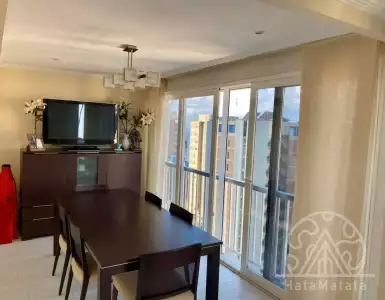
 3
3
 2
2
 109
109
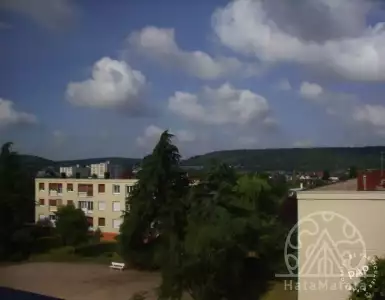 2
1
68
2
1
68
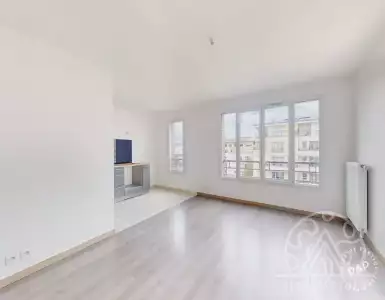 1
1
46.50
1
1
46.50
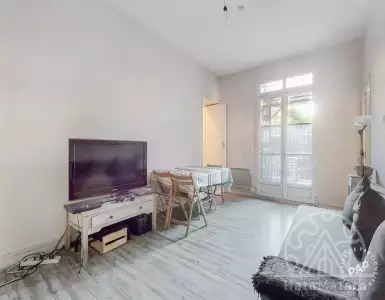 2
1
48
2
1
48
What to check before committing:
- Get a full diagnostic and structural survey. Know if there are issues with roofs, damp, foundations or asbestos.
- Ask for formal, written estimates from reputable local contractors. Compare at least three quotes.
- Confirm what paperwork is required. Planning permission in France (permis de construire or déclaration préalable) may be needed for extensions or significant changes; the application process is free and relatively straightforward.
Budgeting tip: from experience I recommend a contingency of around 20–30% above estimates for older properties. That buffer covers surprises and material price shifts.
Proven caution: always get contractor references from your agent or neighbours. Agents like Ms Hawkins point to reliable tradespeople and who is likely to disappear with a deposit.
5. Expect changing village life: the bar may close
A surprising but frequent disappointment for buyers is that the local bar or boulangerie they love can shut. Rural services open and close with irregularity.
Consequences:
- Lifestyle mismatch: wanting a walkable bar is at odds with wanting a countryside plot.
- Resale risk: buyers who expect vibrant village life may find the market narrower if local amenities decline.
Practical advice:
- Decide whether you want a village or the countryside. Each has trade-offs.
- Check business turnover locally. Ask the agent about recent closures and the vitality of the local economy.
- If a bar or shop matters, prioritise properties within the village center and be prepared to pay a premium.
A practical checklist before you bid
Before you make an offer, run through this checklist. It is grounded in the practical experience agents like Ms Hawkins report daily.
- Survey and report: obtain a structural survey and the standard French diagnostics (e.g., DPE for energy performance).
- Land and boundaries: review cadastre maps and have boundaries checked by a surveyor.
- Local community: meet at least two neighbours and visit at different times of year.
- Contractors: secure at least two local tradespeople references from your agent or neighbours.
- Planning and permissions: check with the mairie for planning constraints and required permissions.
- Business planning: if running a gîte, produce a formal business plan and separate living from guest facilities where possible.
- Budget contingency: include 20–30% contingency for renovations and unexpected costs.
What this means for buyers and investors
From our reporting and conversations with agents, the headline is simple. You can still buy an attractive property in France, but you need to be realistic.
Buyers who succeed are usually those who:
- Prioritise the right trade-offs: land size versus maintenance, isolation versus community.
- Use local knowledge: agents, neighbours and mairie offices are better sources on practicalities than online forums.
- Plan for the long term: permit requirements, renovation costs and business realities matter when you sell.
For investors: a property that seems cheap because it has an overgrown field or an outbuilding for conversion may carry hidden costs. If you plan refurbishment or subdivision, lock in local planning guidance early. Expect timelines to stretch and budgets to shift.
For holiday-home buyers: smaller plots and proximity to a few neighbours typically reduce long-term headaches. If you aim to run a gîte, consider buying a dedicated rental property rather than turning your family home into a hospitality business.
How to use an agent effectively
Agents like Ms Hawkins are not just salespeople. In rural France they act as interpreters of local realities. Use them to:
- Vet tradespeople and supply references.
- Check planning history and local restrictions.
- Arrange meetings with neighbours and the mairie.
- Explain local customs and seasonal differences in village life.
I advise a two-way relationship: be clear about your priorities and ask for examples of similar sales. Ask the agent how often properties with features you want (for example, large land or a village bar) sell in the area.
Frequently Asked Questions
Is it better to buy a property with lots of land in rural France?
It depends on what you want to do. Large plots suit buyers who plan to farm, create private gardens or subdivide with permissions. For holiday homes, large plots increase maintenance and costs. Consider whether you're buying land for leisure or for an income-generating project.
Can I run a gîte from my main house?
Yes, but expect privacy compromises and extra work. Ms Hawkins recommends buying a separate property for a gîte if you can. Keeping your home and your business separate helps preserve privacy and gives you an exit route if hosting proves too demanding.
How do I avoid rogue contractors?
Get recommendations from your estate agent and neighbours. Insist on written contracts, proof of insurance, and at least three references. Avoid hiring people you meet only through social media without vetting.
What paperwork do I need before renovating?
Check with the local mairie about whether your work requires a déclaration préalable or permis de construire. These applications are free and can save legal headaches when you later sell. Also secure any specialist permits for listed buildings or protected areas.
Final practical takeaway
French rural property can be a wonderful investment, but the unexpected costs of land upkeep, the realities of isolation, the workload of running a gîte, and rising renovation prices are real. My bottom-line advice, based on agents like Ms Hawkins and on-years reporting: buy less land than your heart wants, keep a few neighbours, separate business from home where possible, secure trusted builders through local recommendations, and get the correct permissions before you start any work. A practical rule is to budget a contingency of around 20–30% on top of quoted renovation costs and to treat local community knowledge as a core part of your due diligence.
We will find property in France for you
- 🔸 Reliable new buildings and ready-made apartments
- 🔸 Without commissions and intermediaries
- 🔸 Online display and remote transaction

International Real Estate Consultant

Subscribe to the newsletter from Hatamatata.com!
Subscribe to the newsletter from Hatamatata.com!
Popular Posts

We will find property in France for you
- 🔸 Reliable new buildings and ready-made apartments
- 🔸 Without commissions and intermediaries
- 🔸 Online display and remote transaction
International Real Estate Consultant

Subscribe to the newsletter from Hatamatata.com!
Subscribe to the newsletter from Hatamatata.com!
I agree to the processing of personal data and confidentiality rules of Hatamatata
Need advice on your situation?
Get a free consultation on purchasing real estate overseas. We’ll discuss your goals, suggest the best strategies and countries, and explain how to complete the purchase step by step. You’ll get clear answers to all your questions about buying, investing, and relocating abroad.



Irina Nikolaeva
Sales Director, HataMatata