


Why Paying Cash Often Becomes the Only Way to Buy Property in France

Cash is often the shorthand for success in the property France market
When foreigners start shopping for property in France they quickly discover this is not merely a difference in paperwork. It is a structural mismatch between what banks like to lend against and what cross-border buyers can plausibly offer. French lenders routinely ask foreign applicants for 30–40% downpayment, while locals and permanent residents typically get away with 20%. That gap changes negotiation power, timing, and even the kinds of properties you can realistically pursue.
I have seen this play out firsthand. I emptied my savings to buy a French home after a bank rejected my mortgage file. Paying in cash was painful and risky, but it bought speed, stronger bargaining position, and full rental cash flow. In this article we map what that experience means for other buyers and investors, and offer practical steps if you are targeting property in France.
Why French banks tighten the screws for foreign buyers
French banks are conservative when assessing cross-border risk. From conversations with lenders and from my own application process the pattern is clear.
- Higher downpayments for foreigners: French institutions commonly ask for 30–40% up front for non-resident borrowers. That lowers the loan-to-value and reduces banks’ exposure to currency, market and legal uncertainty.
- Employment conditions: Lenders prefer borrowers with a secure local employment record or a permanent contract in France. If you are working abroad, their appetite falls.
- Documentary burden: Expect a longer checklist — tax returns, proof of assets, and paperwork translated or apostilled — and a shorter tolerance for ambiguity in source-of-funds and asset tracing.
- Collateral preference: Banks like collateral they can value easily and repossess if necessary. A foreign property increments friction in those assumptions.
This is not personal. Banks weigh risk and prefer clients whose incomes, assets and legal recourse they understand. When you tack on foreign property you add layers banks do not like.
Cash as strategy: what it delivers for buyers and investors
Paying outright is not glamorous. It is an active tactical choice. From my perspective, cash buys three concrete advantages in France.
- Speed of transaction. Sellers and agents value buyers who can close quickly. Cash removes the conditionality of loan approvals and the long underwriting wait.
- Negotiating leverage. When a seller faces multiple offers, a buyer without a mortgage condition can often negotiate a lower price or better terms.
- Full operating cash flow. If you rent the property, every euro of rent goes to you after taxes and fees. There is no monthly mortgage service eating into net yield.
Beyond those, cash ownership creates optionality. A fully paid asset can be used later as collateral with lenders in your home country or in France, which some investors use to expand a portfolio. In my case, having cash meant I could renovate immediately, set the property up for long-term rental, and not worry about meeting a mortgage payment if occupancy dipped.
Practical outcomes I experienced
I emptied my savings to secure a property I had been hunting for a year. The bank at first engaged my case, then rejected it. Paying in cash:
- let me negotiate a better purchase price;
- allowed a faster closing that avoided competing bids;
- removed monthly loan repayments from my budget.
It was financially stressful in the short term, but strategically useful.
The downsides and risks of the all-cash approach
Cash is powerful but not without trade-offs. You should weigh liquidity risk, tax friction, exit options and opportunity cost.
- Liquidity risk: Converting life savings into a single illiquid asset reduces your buffer for emergencies. I went from comfortable to nearly broke overnight to buy my starter home.
- Transaction costs and taxes: Stamp duties, notary fees and any non-resident surcharges can take a meaningful share of capital. Cash may reduce negotiation friction but cannot eliminate statutory costs.
- Exit barriers: A tough resale market, punitive capital gains rules, or a small pool of foreign buyers can make an otherwise affordable cash purchase hard to unwind.
- Price floors for foreigners: Some countries impose indirect barriers that push foreigners into pricier segments.
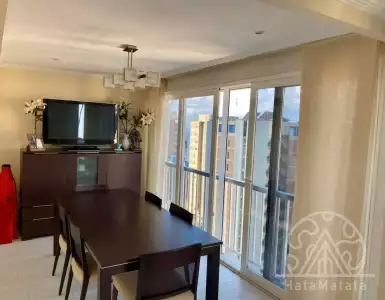
 3
3
 2
2
 109
109
 2
1
68
2
1
68
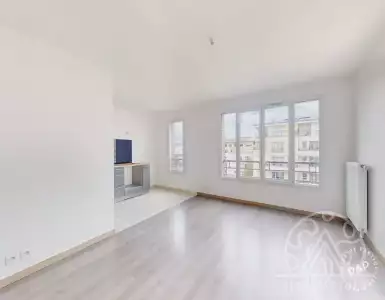 1
1
46.50
1
1
46.50
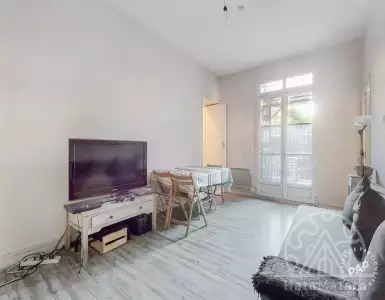 2
1
48
2
1
48

For these reasons, cash is a tactical tool, not a universal prescription. It is impressive when it works and painful when it does not.
Alternatives to paying everything in cash
If you cannot or do not want to convert all your liquid assets into one purchase, several intermediate routes exist. Each comes with its own costs and complexities.
- Partial cash plus local mortgage: Use cash for the higher downpayment that French banks demand and borrow the remainder locally. Expect to prove substantial funds and a longer approval timeline.
- Use domestic property as collateral: Some buyers mortgage a property in their home country to raise funds for a purchase abroad. This requires familiarity with lenders at home and cross-border legal advice.
- International banks and private lenders: A few banks and specialist lenders offer cross-border mortgages or loans to non-residents, often at higher rates and shorter tenures.
- Bridging finance or developer financing: Short-term credit can bridge the time between purchase and a longer-term loan or sale. It is expensive but can secure a deal while you arrange refinancing.
None of these is a quick fix. The reason many buyers end up choosing cash is that alternatives lengthen timelines and increase conditional risk.
How to prepare if you plan to buy property in France—practical checklist
From my experience and conversations with other investors, here is a pragmatic checklist that balances strategy with caution.
- Know your cash threshold
- Estimate the minimum a French bank would expect if you planned to borrow — usually 30–40% for foreign buyers.
- Compare that with the cash you can realistically liquidate without destroying your emergency buffer.
- Run the numbers on total acquisition cost
- Budget for taxes, notary fees, agency fees, and initial renovation or compliance costs.
- If you plan to rent, model occupancy, operating costs and net cash flow with and without a mortgage.
- Arrange legal and tax advice early
- Consult a French notaire or a solicitor experienced in cross-border purchases.
- Understand residence-related taxation and non-resident filing obligations in France and at home.
- Prepare documentary proof of funds
- Banks and notaires will want clean, traceable evidence of where your cash comes from. Plan bank statements, sale documentation, or declarations accordingly.
- Consider exit scenarios
- Understand local demand for your property type and likely buyers. A property that is easy to rent is not always easy to sell to retirees or second-home buyers.
- Explore financing alternatives before giving cash commitments
- Talk to specialist lenders early so you know whether a partial mortgage is realistic. If a French bank declines, ask why and obtain written reasons where possible.
- Keep cash reserves after closing
- Preserve liquidity for unexpected repairs, vacancy, or tax bills. Owning property abroad is not costless even when it is paid off.
What this means for different buyer profiles
Cash-first and cash-lite buyers face different realities.
- Young buyers with accumulated savings: Using cash can be a deliberate strategy to gain negotiation and operational advantages but plan for liquidity erosion.
- Investors seeking scale: Paying cash every time constrains portfolio growth. Many investors use an initial cash purchase as collateral to unlock leverage later.
- Relocators and retirees: If you need a primary residence in France, cash can reduce stress and make the move cleaner, but consider healthcare, residency and tax implications.
From my vantage point, cash is most useful when speed, simplicity and control matter more than short-term diversification.
When banks do say yes: what to expect
If you manage to interest a French lender there will still be conditions. Expect:
- more conservative loan-to-value ratios for non-residents;
- requests for translated and certified documentation;
- preference for proof of ongoing income in euros or a French employment contract.
In my case a bank took the file seriously but ultimately rejected the loan because the business logic did not justify lending given the high downpayment required. That experience is common: the lending math often fails to make sense for banks when the borrower is non-resident.
Final assessment: liquidity is leverage in foreign real estate
My experience buying a house in France taught me that liquidity matters more than glamorous leverage in cross-border real estate. Cash gives you negotiation strength, speed and full rental cash flow, and those benefits matter when lenders tighten rules for non-residents.
But cash has costs. You trade portfolio diversification and safety buffers for control of a single asset. You also need a clear exit plan and professional advice on tax and legal matters.
If you are serious about buying in France, target having at least 30–40% of the purchase price available or be prepared to demonstrate equivalent collateral. If you cannot, plan for longer timelines and more complex financing solutions that will reduce your bargaining power.
Frequently Asked Questions
Q: Do French banks always require a higher downpayment from foreigners?
A: They commonly do. The market practice is to ask foreign buyers for 30–40% downpayment, compared with about 20% for locals and permanent residents. Rules vary between lenders but plan for a higher upfront requirement.
Q: If I pay cash, do I avoid all fees and taxes?
A: No. Cash removes mortgage interest and monthly repayments but statutory fees, stamp duty, notary fees and any non-resident taxes still apply. You should budget for those separately.
Q: Can I use my home country property as collateral to buy in France?
A: Yes, some buyers mortgage domestic assets to raise capital for foreign purchases. This requires careful coordination with lenders at home and cross-border legal advice.
Q: Is paying cash a good long-term investment strategy for property in France?
A: It depends on objectives. Cash ownership gives control, full rental cash flow and negotiating strength. But it concentrates risk. For investors seeking scale or who need liquidity, mixing cash with responsible borrowing or using the asset later as collateral may be preferable.
If you want tailored guidance based on your finances and goals, speak with a lawyer or a mortgage specialist experienced in cross-border transactions. In the French market the most frequent reason a deal fails is lack of liquidity, so make liquidity your first test and your negotiation tool as you move forward.
We will find property in France for you
- 🔸 Reliable new buildings and ready-made apartments
- 🔸 Without commissions and intermediaries
- 🔸 Online display and remote transaction

International Real Estate Consultant

Subscribe to the newsletter from Hatamatata.com!
Subscribe to the newsletter from Hatamatata.com!
Popular Posts

We will find property in France for you
- 🔸 Reliable new buildings and ready-made apartments
- 🔸 Without commissions and intermediaries
- 🔸 Online display and remote transaction
International Real Estate Consultant

Subscribe to the newsletter from Hatamatata.com!
Subscribe to the newsletter from Hatamatata.com!
I agree to the processing of personal data and confidentiality rules of Hatamatata

Need advice on your situation?
Get a free consultation on purchasing real estate overseas. We’ll discuss your goals, suggest the best strategies and countries, and explain how to complete the purchase step by step. You’ll get clear answers to all your questions about buying, investing, and relocating abroad.



Irina Nikolaeva
Sales Director, HataMatata