


Why Phuket’s Branded Residences Are Rewriting Real Estate Thailand Investment Rules

Phuket’s new role in real estate Thailand: a fast, visible shift
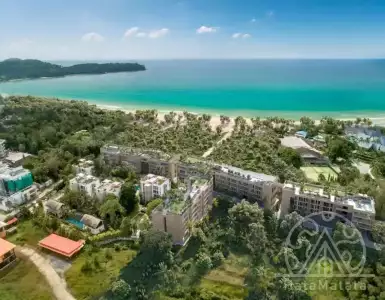
Phuket has moved from being a holiday stop to a centre for long-term real estate Thailand investment. Published on April 15, 2026, industry coverage points to a surge in branded residences that blend hotel-grade services with private ownership. From my reporting and conversations with market participants, this is not a fad; it is a structural shift in how wealthy buyers view property on the island.
The first sentences matter: branded residences change the buyer's proposition from a short stay to owning access to an integrated lifestyle and an income stream. That combination is attracting high-net-worth individuals and family offices who want both enjoyment and capital growth.
What branded residences are and why they matter
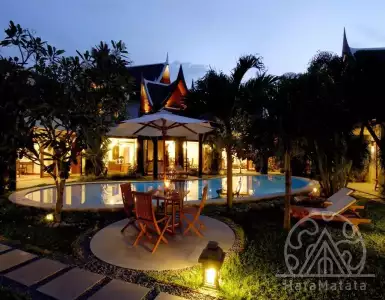
Branded residences pair a developer’s product with a hotel or lifestyle brand’s management, design standards, and marketing. On Phuket this means owners get a legal title to a unit plus:
- Access to resort facilities such as spas, restaurants, beach clubs and private marinas
- A professional management team handling rental programs, housekeeping and maintenance
- Brand-driven standards in design, service and marketing that support resale value
These arrangements make a property purchase feel like acquiring both real estate and a slice of a hospitality business. For investors, the appeal is twofold: an experiential asset they can use, and an asset they can place into a managed rental pool to generate income when it is unused.
From the original reporting, a key driver is emotional brand loyalty. Buyers are buying comfort that a global brand will deliver consistent service and preserve value in ways a locally marketed product may not.
Who is buying and why Phuket attracts them
High-net-worth individuals are the primary buyers. They are drawn by several features that the market now highlights:
- Brand assurance: global hotel groups bring recognised standards that reduce perceived investment risk
- Integrated living: access to resort amenities and on-site services that support longer stays and family use
- Scarcity: many branded projects on Phuket are limited in inventory, which pushes demand for listed units
Phuket’s improvements in infrastructure and tourism services are also part of the equation. The island is more accessible than before, and this has made prolonged stays and second-home ownership more practical for international buyers.
From an investor perspective, emotional affinity with a brand can translate into higher willingness to pay and stronger resale demand. I have seen buyers accept premium pricing where brand and service promise is clear and contractually sound.
Financial mechanics: returns, rental programs and capital appreciation
Branded residences offer several financial pathways for owners:
- Short-term income through a hotel-style rental program
- Long-term capital appreciation driven by brand recognition and limited supply
- Cost predictability via service charge and sinking fund structures when those are well disclosed
The original report emphasises that Phuket branded projects are seeing growth in both rental returns and capital appreciation. That matches what we observe in markets where branded supply is limited and tourist demand is steady.
Important investor considerations:
- Rental management agreements: check who takes operational control, what share the owner receives, and the length of any guaranteed returns
- Service charges and repair funds: these recurring costs reduce net yield and must be factored into cash-flow models
- Occupancy and seasonality: Phuket remains tourism-driven, so occupancy patterns will follow travel cycles
Our analysis is clear: branded products can lift both occupancy and average daily rates compared with non-branded stock, but that is contingent on brand strength and management quality. Fees for management and marketing will lower headline yields, so run conservative scenarios when projecting net returns.
Legal ownership and transaction mechanics in Thailand
Foreigners must follow Thailand’s property ownership framework when buying on Phuket. Key principles to confirm with local counsel before signing anything:
- Condominium freehold: foreigners can own condo units in freehold so long as the condominium project’s foreign quota is not exceeded
- Leasehold options: for land or villa packages, long leases are common; typical structures include 30-year leases with renewal options
- Title checks: ensure the developer has clear title and that the condominium project is registered under Thai law
- Taxes and transfer costs: buyers must budget for transfer fees, taxes and potential income taxation on rental revenue
Do not assume a branded arrangement changes the legal mechanics. The brand is a separate management and marketing layer. Ownership rights are determined by Thai property law and the specific title for the unit.
Due diligence checklist for buyers and investors
If you are evaluating a branded residence in Phuket, this checklist reflects what we and experienced advisers are asking:
- Who holds legal title and what form is it (condominium freehold, leasehold, strata)?
- What is the foreign quota for the condominium and how much of it is already sold?
- Is there a written rental management agreement or a rental pool contract? What fees and revenue shares are specified?
- What are the ongoing operating costs: service charge, sinking fund contributions, utilities, insurance?
- What guarantees or buyback options does the developer or brand offer, and are those guaranteed in writing?
- Who is the developer and what is their track record with branded projects in Thailand or internationally?
- Are there exit limits, preferential resale channels or restrictions under the brand’s rules?
- What visa or tax planning implications will ownership trigger for your home jurisdiction?
We advise getting a Thai-qualified lawyer, a chartered surveyor if buying villas or land, and an international tax adviser to model the investment outcomes under worst-case and base-case scenarios.
Risks: why branded does not mean risk-free
Branded residences reduce certain market anxieties but they do not eliminate risk. Key risks to weigh:
- Brand dilution: if the brand has multiple, lower-quality projects nearby, perceived exclusivity can fall
- Management change: brands can withdraw or change management terms, which can alter rental performance
- Regulatory change: Thailand’s rules on foreign investment or taxation can change and affect returns
- Tourism volatility: demand will track global travel patterns, so macro shocks reduce occupancy and rates
- Fees and cost escalation: rising service charges can erode net yield, especially if owners cannot influence budgets
I have seen buyers assume a branded product is immune to market cycles; that assumption is hazardous. Branded residences often carry higher premiums at purchase and higher running costs.







How Phuket compares with other Thai markets
Phuket’s branded-residence growth is arguably unique in Thailand for three reasons identified in the reporting:
- Concentration of premium beachfront and resort land that supports integrated resort models
- Strong tourist draw that supports high ADRs and occupancy when travel is robust
- A pipeline of internationally recognised hotel brands seeking to extend loyalty programs into property ownership
Bangkok, Chiang Mai, and Pattaya have branded projects too, but Phuket’s island appeal and resort inventory create a different buyer profile. In Bangkok, branded residences are more urban and oriented to recurring business demand. On Phuket, branded products centre on leisure, family stays, and second-home use.
Practical steps for buyers and investors
If you are considering a purchase, here is a concise action plan based on market practice:
- Pre-screen brands and projects: shortlist based on transparent contracts and a clear operating history.
- Engage local legal counsel with experience in foreign ownership and branded residence agreements.
- Request full financials for the rental program and ask for historical occupancy data where available.
- Verify the foreign ownership quota for condo projects and how it has been allocated.
- Model returns with conservative occupancy and revenue assumptions; include worst-case repairs and fees.
- Consider residency and tax planning early; long-term owners should factor in wealth planning and estate issues.
We find many buyers skip steps 2 and 3 because the product looks desirable; that is a mistake. Professional advice costs money but reduces execution risk.
Market outlook and what it means for investors
The original analysis suggests Phuket will remain a magnet for branded real estate demand because tourism and ownership are merging. I agree that brand-driven demand will persist, but investors should not conflate brand popularity with guaranteed returns. Expect the following dynamics:
- Continued interest from affluent buyers seeking lifestyle ownership
- Ongoing premium pricing where brand and scarcity align
- Greater scrutiny by buyers on contract transparency and fee structures
For investors, the takeaway is that branded residences in Phuket are an asset class that requires specialized diligence. You are investing in real estate plus a service and marketing engine. The better that engine is documented, the easier it is to forecast cash flows.
Frequently Asked Questions
Can foreigners own branded residences in Phuket outright?
Foreigners can own condominium units in Thailand if the project’s foreign ownership quota allows it. Branded residences that are condominiums may be purchased freehold by foreigners, subject to that quota. Always verify title and quota status before contracting.
Do branded residences guarantee rental income?
Guarantees do exist in some contracts, but they vary. Many developments offer rental pool programs rather than guaranteed returns. Check the guarantee’s sponsor, its legal enforceability, and the conditions that trigger payments.
What are the main ongoing costs after purchase?
Expect service charges, sinking fund contributions for major repairs, utilities, insurance and any brand-specific marketing or reservation fees. These running costs reduce net rental yield, so factor them into cash-flow models.
How should I choose between a branded condominium and a villa in Phuket?
Condominiums offer clearer paths to foreign freehold ownership and joining a pooled rental program. Villas often use leasehold arrangements and can involve higher running costs. Choose based on your legal comfort, intended use, and exit strategy.
Final assessment: pragmatic optimism with caveats
Phuket’s branded residences are changing how international buyers approach property Thailand, blending hospitality with ownership and attracting wealthy buyers who want both lifestyle and returns. That shift is real and significant, but successful investment requires careful legal and financial checks. If you are considering a purchase, prioritise contract transparency, confirm foreign ownership mechanics, and model net returns conservatively. A well-documented branded project with established management can be an attractive addition to a diversified portfolio; an under-documented one is a risk.
Practical takeaway: before you pay a premium for brand and convenience, secure a Thai lawyer to confirm title and rental agreements and run a net-yield scenario that assumes lower-than-expected occupancy and higher-than-expected service charges.
We will find property in Thailand for you
- 🔸 Reliable new buildings and ready-made apartments
- 🔸 Without commissions and intermediaries
- 🔸 Online display and remote transaction

International Real Estate Consultant

Subscribe to the newsletter from Hatamatata.com!
Subscribe to the newsletter from Hatamatata.com!
Popular Posts

We will find property in Thailand for you
- 🔸 Reliable new buildings and ready-made apartments
- 🔸 Without commissions and intermediaries
- 🔸 Online display and remote transaction
International Real Estate Consultant

Subscribe to the newsletter from Hatamatata.com!
Subscribe to the newsletter from Hatamatata.com!
I agree to the processing of personal data and confidentiality rules of Hatamatata


Need advice on your situation?
Get a free consultation on purchasing real estate overseas. We’ll discuss your goals, suggest the best strategies and countries, and explain how to complete the purchase step by step. You’ll get clear answers to all your questions about buying, investing, and relocating abroad.



Sales Director, HataMatata