45 432 $
Villa with 3 bedrooms in Kavarna, Bulgaria
Bedrooms: 3
Kavarna, Bulgaria
Explore our property catalogue in Bulgaria for ideal investments. Pros include low property prices, beautiful landscapes, and a growing tourism industry. Invest wisely with us.
 Valeriy Tarenko, International Real Estate Investment Expert
Updated:
45 432 $
Kavarna, Bulgaria
 Sea View view 614 995 $
Balchik, Bulgaria
 55 405 $
Kavarna, Bulgaria
 Sea View view 370 105 $
Varna, Bulgaria
 Sea View view 243 782 $
Byala, Bulgaria
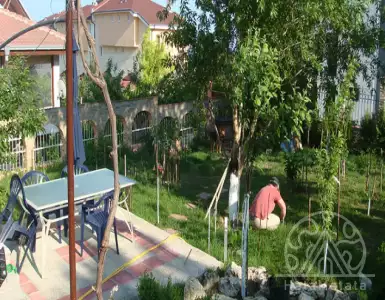 Sea View view 232 701 $
Varna, Bulgaria
Save time — for free we will select objects for your budget and goals
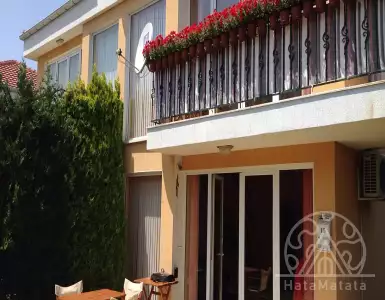 110 810 $
Sveti Vlas, Bulgaria
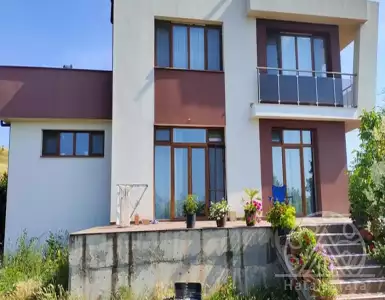 234 806 $
Burgas, Bulgaria
 1 019 452 $
Orizare, Bulgaria
 Legal review:
Deni Gerikhanov, International Real Estate Lawyer
 Financial review:
Evgeniya Skripko, Financial Expert in International Real Estate
Reviewed:
Buying a villa in Bulgaria combines Mediterranean-influenced climate, affordable prices and improving infrastructure, creating a market attractive to private buyers and investors alike. Whether you seek a family home in Sofia’s green suburbs, a seaside villa near Sunny Beach, or a mountain retreat in Bansko, Bulgaria offers villa formats from compact 120 m² homes to luxury estates over 500 m² with prices and yields that stand out in Europe.
Buying patterns in Bulgaria split by location, size and finish, with distinct price tiers across the coast, mountains and the capital. Average price ranges for villas are: coastal second-line properties $120,000–$900,000, premium seafront homes $700,000–$3,500,000, Sofia suburban villas $250,000–$3,000,000, mountain properties in Bansko or Pamporovo $80,000–$650,000. Sizes typically span 120–450 m² for private villas and 50–200 m² for condominium-style houses in gated complexes.
Price by city/region (indicative, USD):
Property formats and typical sizes:
Market dynamics show steady interest in coastal and mountain second homes, while Sofia’s suburbs attract long-term residents and executives. Search terms to find inventory include Villa in Bulgaria, Villa for sale in Bulgaria, and Investment villa in Bulgaria.
Geography and transport corridors shape demand: the Black Sea coast (Varna–Burgas axis), the capital region (Sofia and Plovdiv catchment), and mountain resorts (Bansko, Pamporovo) are dominant. Coastal road and motorway links—Trakia (A1) and Hemus (A2)—plus major airports (Sofia, Varna, Burgas) drive accessibility and short-term rental arrivals. Touristic micro-regions like Sunny Beach / Nessebar benefit from mass tourism; luxury enclaves concentrate around St. Vlas, Sozopol and Balchik.
Most purchased regions and strengths:
Transport and infrastructure nodes:
Price differentials reflect seasonality, rental potential and infrastructure: coastal villas near marinas and golf courses command premiums versus inland mountain homes that can offer higher rental yields in winter months.
Climate, geography, tourism patterns and infrastructure determine where buyers focus. Bulgaria’s Black Sea coastline provides warm summers and mild winters along the coast, while the Rila and Pirin mountains give reliable snowfall for winter resorts; this split creates distinct demand cycles and supports both holiday rental and year‑round living. Infrastructure upgrades—airport expansions, motorway completions and marina investments—raise local values and liquidity.
Demand drivers:
How factors shape buyer choices:
Seasonality and infrastructure investments drive predictable peaks in demand, making choice of micro-location decisive for rental yield and resale liquidity.
Bulgaria’s business environment features lower operating costs and a competitive corporate tax system that supports real estate demand from domestic and foreign buyers. Tourism volumes on the Black Sea coast and ski regions feed short-term rental markets, while Sofia’s role as a regional IT and business hub sustains demand for suburban villas. Economic indicators and inward tourism flows directly impact liquidity and ROI on villa in Bulgaria.
Key economic and tax points:
How economy impacts liquidity:
Investors evaluate both immediate cashflow (rental income) and medium-term appreciation when assessing Investment villa in Bulgaria opportunities.
A number of established Bulgarian developers and international operators deliver villa formats across coast and mountains. Recognizable names and projects include Dinevi Group (Marina Dinevi, Sveti Vlas), Pirin Golf & Country Club (villas near Bansko/Razlog), Festa Holding (resorts and villa complexes in Sunny Beach), Glavbolgarstroy (large-scale coastal and urban residential projects), and golf‑oriented developments such as BlackSeaRama / Thracian Cliffs area in Kavarna.
Notable developers and projects:
Developer offerings and buyer considerations:
Choosing established developers with finished examples and transparent management contracts reduces delivery and rental risk for both private owners and investors seeking ROI on villa in Bulgaria.
Foreign buyers can obtain mortgages in Bulgaria, though conditions differ from domestic borrowers. Typical bank lending for non-residents requires down payments of 20–40%, with loan terms often up to 25–30 years depending on borrower profile. Mortgage rates often range from about 3% to 6% in local and euro-linked products, subject to bank evaluation, currency and collateral.
Typical bank and lending facts:
Developer finance and installment plans:
Careful comparison of bank offers and developer plans maximizes leverage while protecting buyers from currency and construction risk.
The legal transaction follows clear local steps from reservation through registration, with the notary public playing a central role. Buyers should perform title searches, check encumbrances in the Registry Agency, and sign a preliminary contract before final notary deed and registration. The Legal process to buy villa in Bulgaria requires local legal representation, cadastral checks and payment of transfer taxes and notary fees.
Step-by-step process:
Costs and timelines:
Engage a bilingual lawyer and insist on certified translations of all documents; this preserves rights and ensures clarity across the Legal process to buy villa in Bulgaria.
Owning a villa triggers municipal property tax, waste fees and possible rental income tax; rates and bases vary by locality. Annual Property taxes in Bulgaria for foreigners are municipal and linked to tax value; combined annual charges (property tax plus local fees) typically range 0.1–0.5% of the tax value, while one-off transfer and registration costs are commonly 2–4%. Rental income is taxed under standard rules; many owners use management companies for compliance.
Tax and legal points:
Residence and investor programs:
Complying with tax registration, annual filings and local regulations is essential to protect rental income and avoid penalties.
Bulgaria suits multiple buyer goals: full-time relocation, seasonal second homes, holiday rentals, family retreats, or premium trophy properties. Each purpose maps to different regions and product types, with price and ROI implications.
Living and relocation:
Seasonal residence and holiday rental:
Investment and premium segment:
Choosing product and location according to intended use optimizes income and lifestyle outcomes; short-term rental properties require professional management to maximize occupancy and returns.
Bulgaria’s villa market blends low comparative entry costs, diverse micro-markets and improving infrastructure that together create compelling opportunities for owner-occupiers and investors. Improved airport connectivity, motorway upgrades and continued growth in leisure segments support demand across Sofia, the Black Sea coast and mountain resorts, and with careful due diligence on developer track record, financing and legal compliance, buyers can secure a villa that meets lifestyle needs and generates attractive ROI on villa in Bulgaria.
Villas in Bulgaria vary widely: rural/village properties €30,000–€120,000 (≈$33k–$132k), Black Sea coast €120,000–€800,000 (≈$132k–$880k), mountain and ski areas €150,000–€1,000,000+ (≈$165k–$1.1M+), Sofia outskirts/upscale coastal villas €150,000–€1,000,000+, luxury €500,000–€2,000,000+.
In Bulgaria EU/EEA/Swiss citizens can register to reside. Non‑EU buyers use a long‑stay (type D) visa then apply for temporary residence (work, study, family) and may seek permanent residence after years of continuous stay. Owning a villa can support applications as proof of accommodation but does not automatically confer residency or citizenship.
Typical steps: viewings, offer and preliminary contract, legal due diligence (title, cadastre, permits), sign notary deed, pay transfer tax/fees, register in the Property Register. Non‑EU buyers should check land rules; some purchases require company structures. Use a local lawyer and notary for all steps.
Bulgarian banks lend to residents and many non‑residents. Typical LTV: residents 60–80%, non‑residents 50–70%. Loan terms often 15–30 years. Approval depends on income, credit, property valuation and local bank criteria; interest rates vary by lender and profile.
Owners pay annual municipal property tax (rates typically 0.01%–0.45% of tax value), local waste/municipal fees, and rental income tax (10% flat for individuals). VAT (20%) can apply to some new builds. Capital gains and other taxes follow national income rules; consult a Bulgarian tax advisor for specifics.
Check the Property Register and cadastre for owner, mortgages, easements and encumbrances. Verify building permits and final occupancy (e.g., Akt 16), planning/zoning at the municipality, and any outstanding debts or unresolved disputes. Hire a lawyer to obtain official extracts and confirm compliance.
EU citizens can generally buy land and property in Bulgaria. Non‑EU buyers face limits on agricultural and forest land and often use a Bulgarian company structure for such plots. Protected zones, coastal buffers and municipal plans can also restrict development — always check land class and local rules.
Long‑term gross yields for villas commonly range 3%–6% nationwide. Holiday/short‑term rentals in prime coastal or mountain areas can show higher gross returns, often 6%–12% depending on seasonality and occupancy; net yields will be lower after taxes, management and maintenance.
Bulgaria offers public and private healthcare; quality and access are better in Sofia and regional centers. International schools exist mainly in larger cities. Cities have good public transport; road and airport links vary by region. Cost of living is lower than Western Europe and internet is widely available, making many areas suitable for remote workers.
From offer to notarized deed typically 4–12 weeks for a straightforward sale: time for due diligence, contracting and notary formalities. Registration in the Property Register may take additional days to weeks. Complex cases, company setups or land issues can extend the timeline.
Yes: 174 of 447 properties in Bulgaria (39%) have a pool, private or shared in the complex. The most affordable of them starts from 55 000 $. HataMatata catalog data as of November 16, 2026.
The most affordable listing in Bulgaria starts from 21 000 $ right now, out of 447 properties in the catalog. Sort the catalog by price to see the cheapest first and compare them with nearby towns in the region. HataMatata catalog data as of November 16, 2026.
Yes: 211 of 447 properties in Bulgaria (47%) have a sea view or are within 1 km of the beach. The most affordable of them starts from 44 000 $. The closest one is 30 m from the beach. HataMatata catalog data as of November 16, 2026.
Leave a request and receive free advice on prices, taxes, residence permits and the real estate market in Bulgaria.
 Burgas region
 Varna region
 Dobrich
 Smolyan
 Sofia