


Flat in Croatia


Choosing a property in Croatia for your request
- 🔸 Reliable new buildings and ready-made apartments
- 🔸 Without commissions and intermediaries
- 🔸 Online display and remote transaction

International Real Estate Consultant
Need help choosing a property?
Leave a request and our manager will contact you.
International Real Estate Consultant

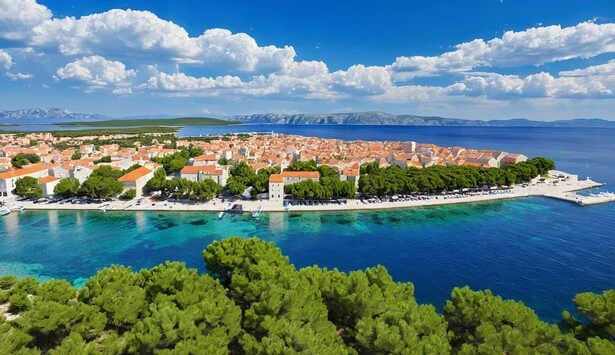
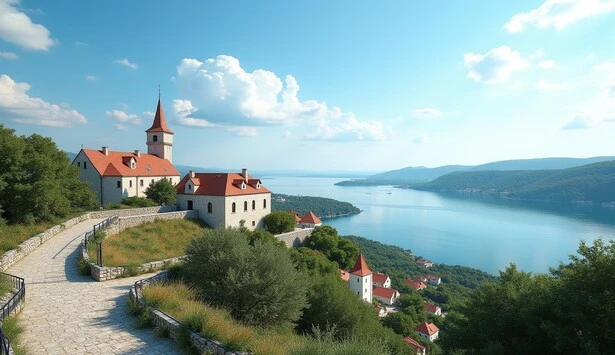
Weather in Croatia
For Sale flat in Croatia
Flats in Istria
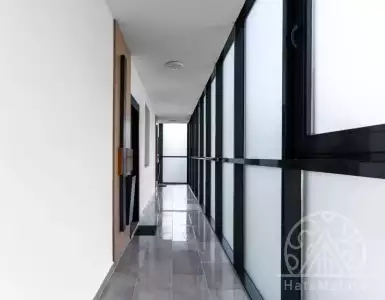


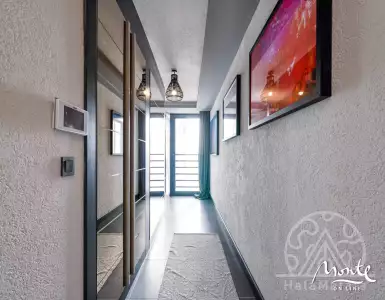
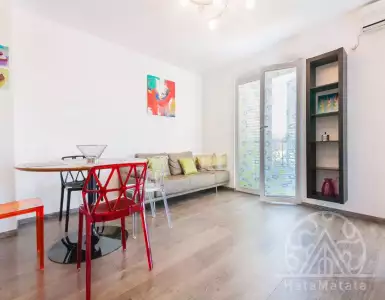
Flats in Zadar
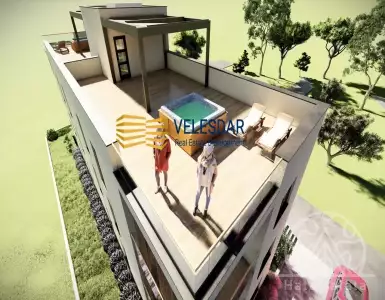
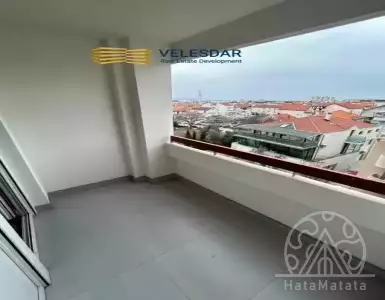
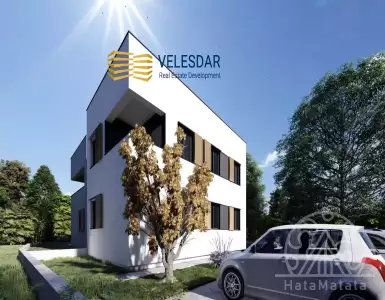
Choosing a property in Croatia for your request
- 🔸 Reliable new buildings and ready-made apartments
- 🔸 Without commissions and intermediaries
- 🔸 Online display and remote transaction
International Real Estate Consultant
Didnt find the right facility?
Leave a request - we will handle the selection and send the best offers in a short period of time



Irina Nikolaeva
Sales Director, HataMatata
Flat in Croatia
Choosing a property in Croatia for your request
- 🔸 Reliable new buildings and ready-made apartments
- 🔸 Without commissions and intermediaries
- 🔸 Online display and remote transaction
International Real Estate Consultant
Need help choosing a property?
Leave a request and our manager will contact you.
International Real Estate Consultant
Individual selection flats in Croatia
Save time — for free we will select objects for your budget and goals
🇭🇷 Flat ownership in Croatia: legal requirements, residency rules and tax implications
Croatia blends Adriatic coastline, continental plains and urban hubs into a compact, accessible market that attracts private buyers and investors alike. Buyers choose Croatia for its diverse property stock — from renovated stone apartments in Dubrovnik’s Old Town to new seafront complexes in Split and sustainable developments in Istria — combined with well-developed transport links, reliable utilities and strong seasonal tourism. This text gives a practical, data-rich guide to buying flat in Croatia for living, rental income and long-term capital growth.
🌊 Why locations in Croatia shape demand for Flat in Croatia
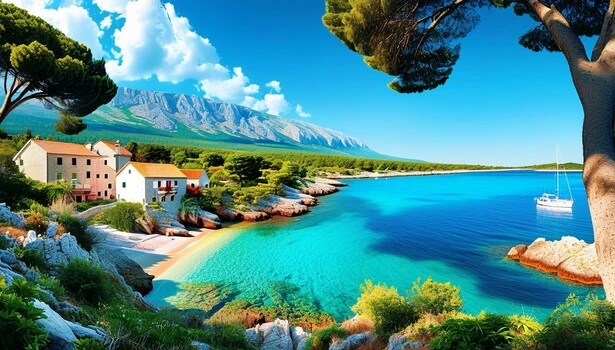
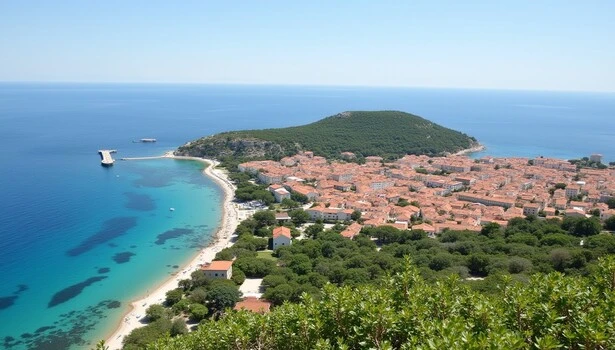
Croatia’s coastline and islands concentrate the highest demand, with the Dalmatian coast and Istria driving most international interest; coastal tourism accounts for roughly 20 percent of national GDP and creates strong seasonal occupancy for short-term rentals. Urban centers such as Zagreb, Split, Rijeka, and Zadar attract year-round demand from professionals and students, shaping stable long-term rental markets and steady buyer interest. Inland and suburban locations near transport corridors and industrial hubs show lower entry prices and are favored by families and local buyers seeking value.
Infrastructure and transport are key drivers: Franjo Tuđman Airport (Zagreb), Split Airport, Dubrovnik (Čilipi) Airport, Zadar Airport and Rijeka (Krk) Airport support international arrivals; the A1 motorway, Pelješac Bridge, and ferry operator Jadrolinija connect islands to mainland markets and boost occupancy. Buyers evaluating Flat for sale in Croatia weigh climate (Mediterranean coast vs continental inland), proximity to airports and ports, healthcare centers such as KBC Split and KBC Zagreb, and local amenities including marinas like ACI Marina Dubrovnik and Marina Frapa in Rogoznica.
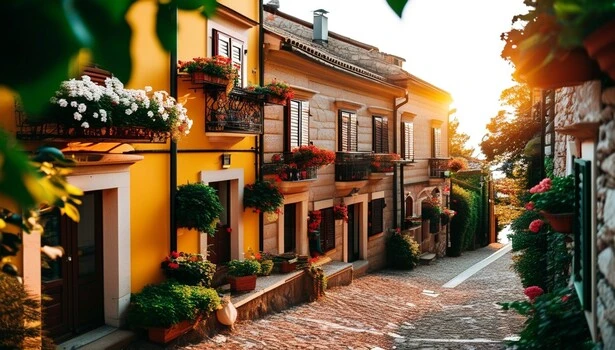
Location choices vary by buyer profile: investors target Split waterfront, Dubrovnik Old Town, Rovinj, and Hvar for high seasonal yields and capital appreciation; families prefer Zagreb suburbs, Istria hinterland and coastal towns with schools and year-round services; downsizers and premium buyers focus on renovated historic buildings and penthouses in city centers. When you plan to Buy flat in Croatia, prioritize connectivity, local regulations on short-term rentals and municipal tourist infrastructure that supports higher rental yields.
📈 How Croatia’s economy influences investment flat in Croatia
Croatia’s economy is service-oriented with a large tourism component and an expanding tech and export sector centered in Zagreb and Rijeka; this mix supports both seasonal and permanent rental demand. Investors should note that tourism flows create strong seasonal liquidity but city centers provide stability, helping the market absorb new supply. The overall investment climate is characterized by EU membership, Schengen access and euro currency usage, which reduce currency and regulatory friction for many foreign buyers.
Taxation and business environment affect ROI on flat in Croatia: standard VAT at 25 percent applies to many new-build transactions, while an alternative real estate transfer tax of 3 percent may apply on resales; local variations in annual property levies and tourist taxes influence net yield. Institutional interest in hospitality and mixed-use projects by regional investors strengthens development pipelines and provides exit options for patients investors and funds seeking secondary-market liquidity.
Macro indicators show moderate growth in wages and household incomes concentrated in Zagreb and coastal cities, improving long-term domestic demand and supporting rental markets beyond peak tourist months. For buyers seeking an Investment flat in Croatia, these structural economic elements — tourism strength, EU alignment and improving local incomes — combine to support both rental yield for flat in Croatia and steady capital appreciation potential.
💶 How much Flat costs in Croatia
Prices vary sharply by city, proximity to the sea, building condition and whether a property is new-build or historic renovation. Average price per square meter ranges commonly encountered are:
- Zagreb city center: $2,000–$4,000 / m²
- Split central & seafront: $2,500–$5,000 / m²
- Dubrovnik (Old Town & prime seafront): $4,000–$10,000 / m²
- Zadar & Šibenik: $1,800–$3,500 / m²
- Istria (Rovinj, Pula, Poreč): $2,500–$5,500 / m²
- Rijeka & Kvarner: $1,500–$3,200 / m² Typical flat price examples by format and area:
- Studio/1-bedroom coastal: $80,000–$220,000
- 2-bedroom urban flat (60–90 m²): $120,000–$450,000
- Premium seafront penthouse (100+ m²): $500,000–$5,000,000 Market dynamics show higher transaction volumes in Zagreb and Split for resales and robust off-plan demand on islands and Istria for holiday product. New developments close to marinas and airports command price premiums of 10–40 percent above comparable older stock.
🗺️ Which regions of Croatia to choose for buying flat in Croatia
Coastal Dalmatia (Split, Dubrovnik, Zadar, Šibenik) is favored for short-term rentals and luxury purchases, supported by high tourist arrivals, boutique marinas and direct flights. Istria (Rovinj, Pula, Poreč) attracts buyers from Italy and central Europe seeking year-round living and premium holiday homes; proximity to Trieste/Italy enhances cross-border demand. Continental Croatia and Zagreb are practical for relocating families, professionals and investors seeking stable long-term rental contracts, proximity to universities and corporate headquarters.
Infrastructure and transport access matter strongly for rental prospects and resale: proximity to Split Airport, Ferries from Split to Hvar and Brač, Zagreb Central Station, and highways A1/A6 increase liquidity and rental occupancy. Rental demand characteristics:
- Short-term holiday demand: Split, Dubrovnik, Hvar, Rovinj
- Long-term rental stability: Zagreb, Rijeka, Zadar
- Mixed seasonal/year-round: Istria peninsula and Kvarner Price differences between coastal resorts and inland towns can exceed 100 percent, so investors should match product type to region and intended use for optimal yield.
🏗️ Developers and major projects offering Flat in Croatia
Leading Croatian developers and operators active in residential and mixed-use projects include Valamar Riviera (resorts with residential components across Istria and Dalmatia), Maistra (Istrian hospitality and resort regeneration), and TDI Group (residential and office projects in Zagreb). International hospitality brands and developers collaborate on branded residences and conversion projects, with examples such as converted boutique properties and waterfront complexes in Split and Rovinj. Notable project types and names:
- Valamar’s integrated resort residential schemes near Poreč and Rabac
- Maistra redevelopment projects in Rovinj historic waterfronts
- Urban regeneration and mixed-use projects in Zagreb by regional developers Developers commonly offer turnkey apartments, seafront complex units and renovated historic flats with documented permits and energy certificates; buyers should verify developer track records, completion guarantees and municipal approvals.
🏦 Mortgage Croatia for foreigners and financing options for flat in Croatia
Croatian banks and international lenders offer mortgages to non-residents with varying conditions; typical terms for non-resident buyers are:
- Loan-to-value (LTV): 30–70 percent depending on borrower profile and collateral
- Interest rates: variable, often linked to EURIBOR or local base rates; fixed-rate and mixed products available
- Loan terms: 5–30 years depending on age and income verification
- Down payment for foreigners: commonly 30–40 percent for buyers without local income Developer finance and installment alternatives:
- Off-plan developer installment plans: 10% reservation, 20–40% staged payments, final balance on completion
- Some projects provide interest-free construction-stage installments for limited periods Search terms buyers use include flat in Croatia with mortgage and flat in Croatia with installment plan; pre-approval and an OIB (Croatian tax ID) are required early in the process.
🧾 Legal process to buy flat in Croatia and taxes for foreigners
The Legal process to buy flat in Croatia comprises due diligence, pre-contract (reservation), preliminary contract, notary public final deed, land registry entry and tax/VAT settlement. Key procedural steps:
- Obtain an OIB (foreign tax number) and open a local bank account
- Commission a lawyer to perform title search in the Land Registry (Zemljišne knjige)
- Verify building permits, energy certificates and outstanding encumbrances
- Sign a notarized purchase contract and ensure registration with the Land Registry
- Pay applicable taxes: VAT 25% on many new-builds or 3% transfer tax on resales where VAT is not applied Property taxes and obligations for foreigners:
- Property taxes in Croatia for foreigners vary by municipality and include municipal property tax, income tax on rental income and tourist taxes for short-term letting
- Annual property levies are modest relative to Western Europe but must be calculated in net yield models Foreign buyers should engage a notary and lawyer to register ownership and calculate flat purchase costs in Croatia including fees, taxes and notary costs.
⚖️ Legal ownership, rental rules and residency implications for flat purchase in Croatia
Ownership for EU citizens is generally straightforward; non-EU buyers may require permission from the Ministry of Justice or purchase via a Croatian company in specific cases. Rental regulations require local registration for short-term lets, compliance with tourist taxes and fire/safety certifications for apartments used as holiday accommodation. Taxation on rental income follows local rules with expenses deductible and progressive personal/company tax rates applicable.
Purchase of real estate alone does not automatically grant residency or fast-track citizenship; statements searched include Residence permit through flat investment in Croatia and Golden visa through flat investment in Croatia. In practice:
- Buying property does not offer a defined golden visa program; residence permits are issued under standard immigration rules and require documented purpose and ties
- Citizenship is typically granted through naturalization processes with residency requirements and language/integration criteria, not by purchase alone Prospective foreign buyers should consult immigration counsel if residency is a central objective.
🧭 Which purposes are best suited to Buy flat in Croatia
Croatia suits multiple buyer goals with location- and product-specific recommendations:
- Living/relocation: Zagreb for jobs, schools and healthcare, or Pula/Rovinj for families seeking bilingual schooling and services
- Seasonal residence: Hvar, Brač, Dubrovnik and Split islands for lifestyle buyers who want seaside access and marina services
- Rental income: Split waterfront, Dubrovnik Old Town, Rovinj and Zadar for high seasonal demand; long-term rental stability in Zagreb and Rijeka
- Investment and capital growth: mixed-use coastal projects and renovated historic flats in prime centers often yield gross rental yields of 4–8% in peak locales and 3–5% for long-term urban rentals
- Premium segment and second homes: seafront villas and penthouses in Dubrovnik, Rovinj, and Hvar command top prices and attract high-net-worth buyers seeking privacy and concierge services Property format mapping:
- Studios/1-bed: short-term holiday markets and entry-level investment
- 2–3 bed apartments: family use, relocations, reliable long-term rentals
- Penthouses and villas: premium lifestyle or high-yield seasonal rentals with concierge/management services
Croatia’s market outlook remains positive due to steady tourism demand, continuing infrastructure upgrades like improved airports and roads, and growing interest from Central European and international buyers seeking Mediterranean lifestyle with EU legal protections. Liquidity concentrates around airports, marinas and historic centers, while regulated short-term letting and clear tax rules make performance easier to model; investors focused on location, verified developer credentials and realistic yield assumptions will find opportunities across coastal resorts, Istrian towns and Zagreb’s expanding residential neighborhoods. Buying a flat in Croatia combines lifestyle benefits with demonstrable rental and capital growth potential when due diligence, finance strategy and legal compliance are correctly managed.
Frequently Asked Questions
Yes. EU/EEA citizens can buy property in Croatia freely. Non‑EU nationals can buy subject to reciprocity or by obtaining state approval; many use local corporate structures when needed. Buying property does not automatically grant residency or citizenship.
Average market prices in Croatia typically range €2,000–3,000 per m² nationwide. Zagreb and prime Adriatic coastal towns often range €2,500–5,000+ per m², while inland and rural areas can be €1,000–2,000 per m². Expect higher premiums for sea‑view and central locations.
No. Croatia does not offer automatic residency or citizenship for property buyers and has no dedicated golden‑visa program tied to real estate. Residence requires a standard temporary residence permit for work, study, family, or other legal grounds; long‑term residency and naturalization follow national rules after years of legal stay.
Secondary sales typically incur a 3% real estate transfer tax on market value. New builds sold by developers are generally subject to VAT (standard rate). Expect notary, land registry, and legal fees; municipal fees and occasional cadastral costs; annual property and local tourist taxes may also apply.
Yes, with caveats. Gross yields for long‑term urban rentals commonly run 3–6%; coastal short‑term rentals can reach 5–8% in strong seasons. Returns depend on location, seasonality, occupancy, and local tourist demand. Management and local regulations affect net yields.
Croatia benefits from EU and Schengen membership and use of the euro, strong tourism demand along the coast, limited supply in prime seaside areas, rising urbanization in Zagreb and regional centers, and growing interest from digital nomads—supporting steady medium‑term demand and capital preservation.
Typical closing for domestic buyers is 4–12 weeks; foreign purchases may take longer if approvals are needed. Due diligence must include title search in the land registry, checking encumbrances, building permits, ownership certificates, utility connections, energy performance documents, and tax liabilities.
Yes, some Croatian banks lend to non‑residents. Loan‑to‑value varies: residents may access up to ~70% LTV, non‑residents often 50–60% depending on lender and credit. Approval requires income documentation, property valuation and can take several weeks; interest rates and terms vary by bank.
Owners must register short‑term rentals with local authorities and collect tourist tax per guest/night. Rental income is taxable under national income tax rules (progressive rates apply) or corporate tax if operated commercially. Expect HOA/maintenance fees, utilities, and municipal regulations for rentals.
For relocation and capital preservation, established urban centers (Zagreb) and mature coastal regions (Istria, Split corridors and select Dalmatian towns) balance demand and liquidity. Interior towns and suburbs offer lower entry prices with upside. Choose based on access to services, transport and proven tourist or employment demand for medium‑term stability (5–10 years).
Properties by Region
- Flats in Istria (539)
- Flats in Split-Dalmatia (222)
- Flats in Zadar (164)
- Flats in Sibenik-Knin (119)
- Flats in Dalmatia (55)
- Flats in Lika-Senj (28)
Properties by Country
- Real estate in Bulgaria (11408)
- Real estate in Montenegro (5382)
- Real estate in Indonesia (2423)
- Real estate in Spain (2289)
- Real estate in Portugal (1975)
- Real estate in Italy (1906)
- Real estate in Turkey (1699)
- Real estate in Cyprus (1594)
- Real estate in Thailand (1565)
- Real estate in Croatia (1431)
- Real estate in Greece (1082)
- Real estate in USA (1013)
- Real estate in France (1006)
- Real estate in Georgia (519)
- Real estate in Serbia (328)
- Real estate in Slovenia (123)
- Real estate in Egypt (23)
Don't know where to start buying a property in Croatia?
Leave a request and receive free advice on prices, taxes, residence permits and the real estate market. in Croatia.

Maria Guven
Head of Direct Sales Department
+90-507-705-8082