


Villa in Croatia


Choosing a property in Croatia for your request
- 🔸 Reliable new buildings and ready-made apartments
- 🔸 Without commissions and intermediaries
- 🔸 Online display and remote transaction
Our managers will help you choose a property

Liliya
International Real Estate Consultant
Need help choosing a property?
Leave a request and our manager will contact you.
Our managers will help you choose a property
Liliya
International Real Estate Consultant

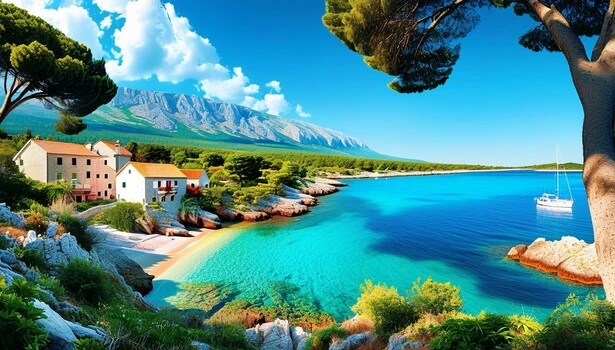
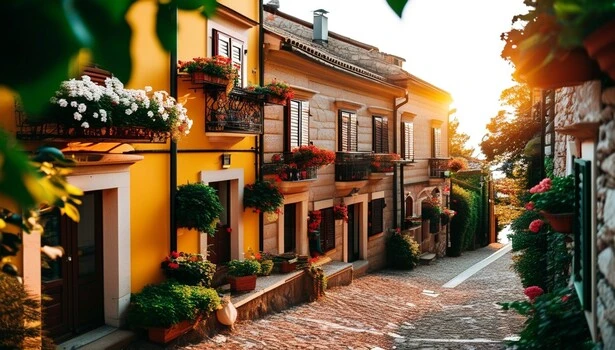
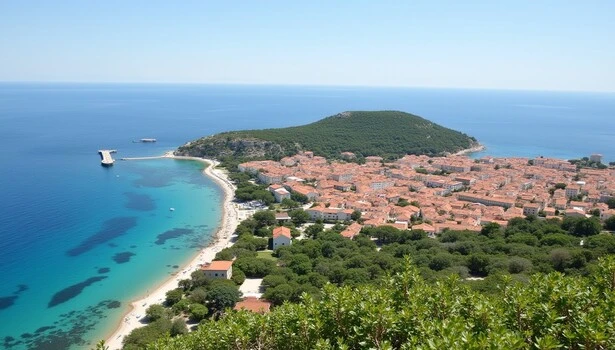
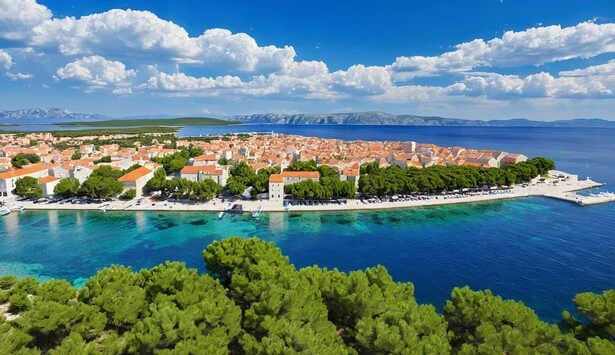
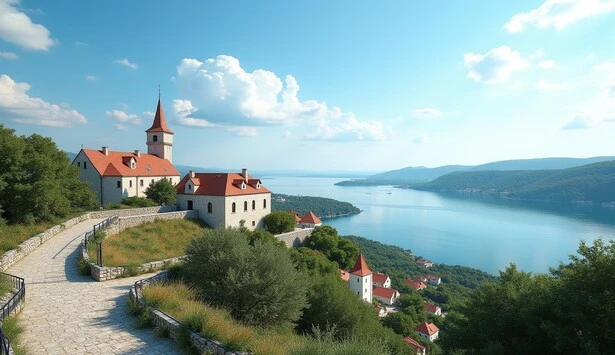
Weather in Croatia
For Sale villa in Croatia
Villas in Lika-Senj
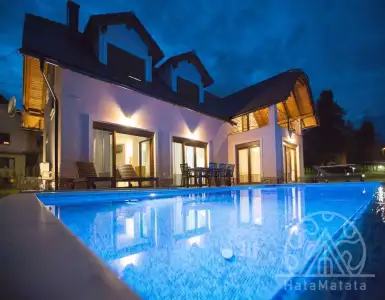
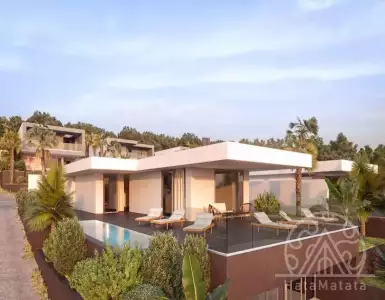
Villas in Dubrovnik-Neretva
Choosing a property in Croatia for your request
- 🔸 Reliable new buildings and ready-made apartments
- 🔸 Without commissions and intermediaries
- 🔸 Online display and remote transaction
Our managers will help you choose a property
Liliya
International Real Estate Consultant
Villas in Primorsko-Goranska
 3
3
 2
2
 151
151
 3
2
151
3
2
151
Villas in Sibenik-Knin
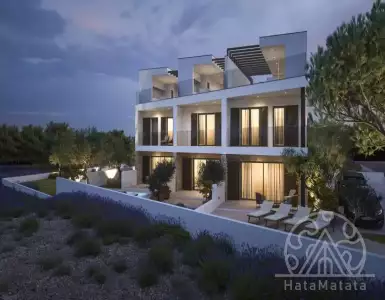
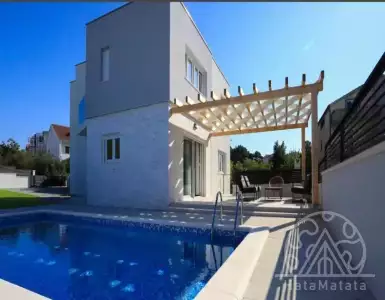
Villas in Split-Dalmatia
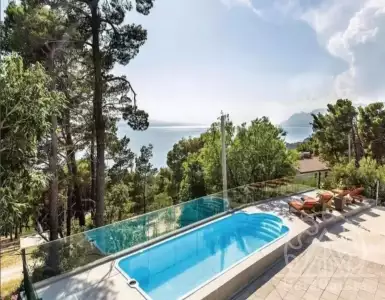
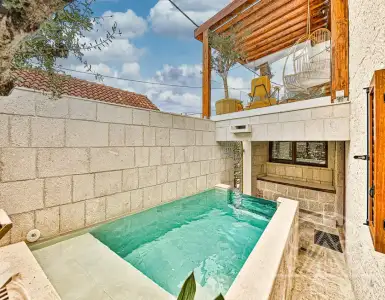
Villas in Dalmatia
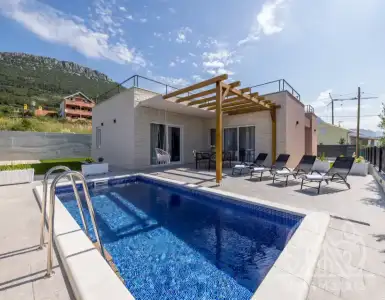
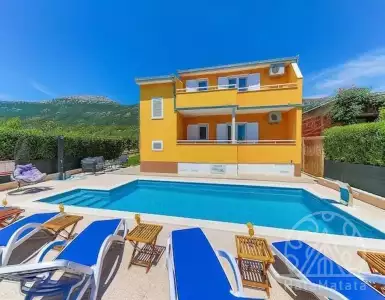
Villas in Zadar
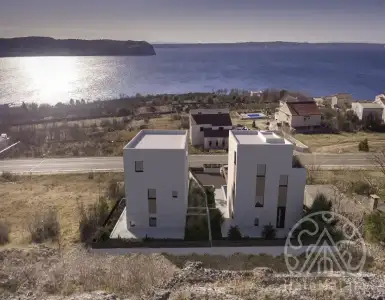
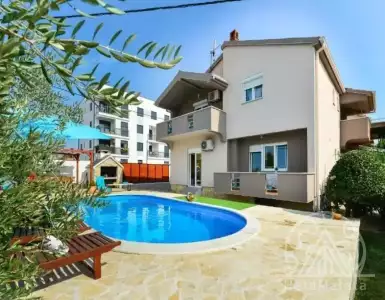
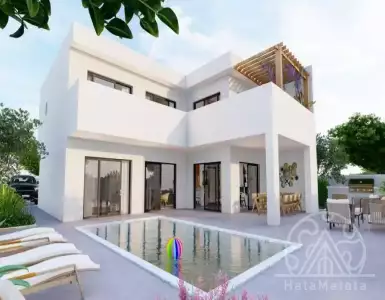
Villas in Istria
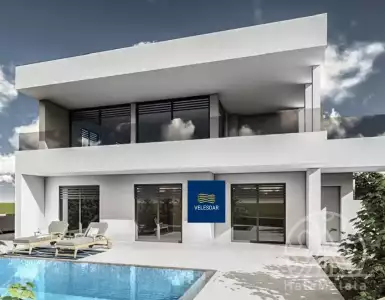
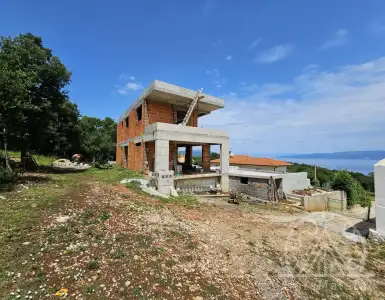
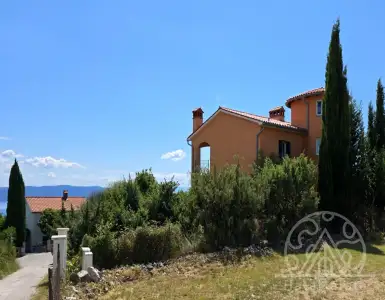
Villa in Croatia
Choosing a property in Croatia for your request
- 🔸 Reliable new buildings and ready-made apartments
- 🔸 Without commissions and intermediaries
- 🔸 Online display and remote transaction
Our managers will help you choose a property
Liliya
International Real Estate Consultant
Need help choosing a property?
Leave a request and our manager will contact you.
Our managers will help you choose a property
Liliya
International Real Estate Consultant
Individual selection villas in Croatia
Save time — for free we will select objects for your budget and goals
🇭🇷 Villa ownership in Croatia: taxes, legal requirements and regional price ranges
Croatia’s coastline, islands and interior combine Mediterranean lifestyle, reliable infrastructure and growing tourism to make buying a villa in Croatia an attractive option for private buyers and investors alike. Coastal locations offer long tourist seasons, established marinas and international airports in Zagreb, Split, Dubrovnik, Zadar and Pula, while inland regions provide quieter family homes and agricultural estates. Demand concentrates where accessibility, utilities and rental operations are straightforward, producing a market with clear prime zones and emerging opportunities for capital appreciation and steady rental income.
🌍 Why geography, climate and infrastructure in Croatia shape the villa market
Croatia’s Adriatic coastline stretches over 1,100 islands and 1,700 km of indented shore, creating numerous micro-markets from Istria to Dalmatia that cater to different buyer profiles. Coastal areas like Dubrovnik, Split, Hvar, Brač, Rovinj and Pula attract luxury buyers and holiday renters because of marine access, cultural assets and higher average nightly rates. Inland regions such as Zagreb hinterland, Istrian valleys and Slavonia are valued for larger plots, lower price per square meter and agritourism potential.
Accessibility is decisive for villa demand; major transport nodes improve liquidity and rental performance. Key transport infrastructure includes the A1 motorway, international airports in Zagreb, Split, Dubrovnik, Zadar and Pula, high-speed ferry links and marinas such as ACI Marina Split and Marina Baotić (Seget Donji). Buyers target properties within 30–60 minutes of airports or major ports to maximize occupancy and resale prospects.
- Major coastal hubs: Dubrovnik, Split, Hvar, Rovinj, Zadar
- Transport / infrastructure: A1 motorway, Split ferry port, Zagreb Airport, Dubrovnik Airport
- Climate influence: Mediterranean coast (mild, long season), continental inland (hot summers, cold winters)
💼 Economy and investment climate in Croatia influencing villa demand
Croatia’s integration into the European single market and steady tourism inflows underpin demand for investment villa in Croatia, with tourism often representing around one fifth of economic output in coastal regions. Business-friendly reforms and EU funding have improved infrastructure and utilities, attracting both private buyers and institutional investors. Liquidity is strongest in areas with sustained tourism and good road and air connections, which supports higher sale volumes and faster turnaround for resale or rental portfolios.
Tax policy affects net returns and investor strategy: VAT at 25% often applies to new developments sold by developers, while a transfer tax of 3% usually applies to secondary market sales. Local property taxes and tourist levies vary by municipality, influencing ongoing operating costs and net rental yield.
- Economic drivers: tourism contribution, EU membership, improving infrastructure
- Taxation: VAT 25% on many new builds, transfer tax 3% on secondary sales
- Market liquidity factors: airport access, marina proximity, local tourism seasonality
💶 How much Villa costs in Croatia with city and regional breakdowns
Property pricing varies sharply between premium coastal hotspots and inland or less-touristed areas. Typical villa price ranges in USD are:
- Dubrovnik region: $1,500,000 – $10,000,000+ for premium waterfront villas with private moorings.
- Hvar and Pakleni islands: $900,000 – $8,000,000 for renovated stone houses and contemporary luxury villas.
- Split / Trogir / Makarska Riviera: $600,000 – $4,000,000 depending on sea views and proximity to Split Airport.
- Istria (Rovinj, Pula, Poreč): $500,000 – $3,000,000 for truffle-region country villas and coastal properties.
- Zadar and Šibenik: $400,000 – $2,500,000; growing demand due to good ferry links and national parks.
- Inland / continental Croatia: $150,000 – $800,000 for larger plots and restored stone villas with agricultural land.
Property formats and dynamics:
- New build luxury villas by developers often command premiums with prices from $4,000 to $8,000 per sqm in top spots.
- Completed/renovated stone villas are popular among holiday rental operators; sizes range from 100–400 sqm.
- Investment villa in Croatia demand is highest for turnkey, professionally managed properties that deliver immediate rental income.
🎯 Which region of Croatia to choose for buying villa based on purpose
Choosing the right region depends on purpose: permanent relocation, vacation use, rental income or prestige collection. Coastal Dalmatia (Split, Dubrovnik, Makarska) is strongest for short-term rental demand and luxury sales; Istria and Kvarner (Rovinj, Pula, Opatija) combine year-round living with tourism appeal; islands (Hvar, Brač, Vis) are boutique-luxury markets with seasonal peaks. Zagreb and the hinterland are preferred for families seeking schools, hospitals and business access, offering lower per-square-meter prices and larger plots.
Infrastructure and rental demand differ by location:
- Dubrovnik: exceptional nightly rates, high barriers to entry, international buyers; premium pricing.
- Split / Trogir: strong airport connectivity, high season occupancy, easy boat access to islands.
- Istria (Rovinj): stable year-round demand, proximity to Central Europe markets and gastronomy tourism.
- Zagreb: best for relocation buyers needing business services, schools and hospitals.
- Islands (Hvar, Brač): high luxury profile, selective rental seasons, higher maintenance costs.
🏗️ Leading developers and villa projects in Croatia
Major hospitality and development operators play a visible role in villa supply and managed product offerings, combining hotel services and private ownership models. Recognized Croatian names include Valamar Riviera, Maistra (Adris Group), Plava Laguna and Arena Hospitality Group, which produce resort-linked residential projects and branded rental programmes. Local construction firms such as Kamen Ingrad and Tehnika are often contractors or partners on bespoke villa developments and restorations.
Representative project types and examples:
- Valamar residential offers in Rabac and Poreč combining resort services and owner programs.
- Maistra developments in Rovinj and Istria with renovation of historic properties and limited luxury villas.
- Plava Laguna projects tied to resort communities along Istrian coast.
- Boutique villa developments and marinas such as Marina Baotić supporting nearby villa sales.
🏦 Mortgage Croatia for foreigners and financing for villa in Croatia
Foreign buyers can obtain financing but conditions depend on nationality, bank policy and property type. Typical bank conditions for mortgage Croatia for foreigners include down payments of 20–40%, interest rate ranges that reflect market conditions and borrower profile, and loan terms up to 25–30 years where allowed. EU citizens often receive more favorable LTVs (loan-to-value) while non-EU nationals may face stricter limits and additional guarantees.
Banks and developers offer different options:
- Rates: indicative ranges often between 3%–6% depending on currency, fixed vs variable structure and borrower credit.
- Terms: repayment periods up to 25–30 years, subject to age and income.
- Requirements: OIB number, proof of income, employment history, property valuation, and legal checks.
- Developer installment plans: many developers provide staged payments from reservation to completion, enabling villa in Croatia with installment plan alternatives for buyers seeking lower bank exposure.
📜 Legal process to buy villa in Croatia: step-by-step guide
The Legal process to buy villa in Croatia typically begins with a title and encumbrance check, obtaining an OIB (personal identification number), and signing a reservation agreement with a deposit. A formal Pre-Contract or Promissory Contract follows, then the Notary-act purchase contract once all checks and necessary approvals are completed. For new builds, VAT or transfer tax implications must be confirmed prior to signing the final deed. Buyers should engage a licensed lawyer and a licensed notary to ensure land registry clearance and contract compliance.
Typical timeline and fees:
- Preliminary checks and reservation: payment of deposit (commonly 5–10%).
- Signing of purchase contract before notary: payment of balance, or staged developer payments.
- Registration in the Land Registry and tax payment: transfer tax 3% or VAT 25% where applicable; notary and registration fees variable.
- Average transaction time: from reservation to registration commonly 2–4 months for secondary market, longer for new builds.
⚖️ Property taxes in Croatia for foreigners and legal ownership rules for villa in Croatia
Property taxes in Croatia for foreigners depend on municipality rates and property category; annual municipal property tax bases are typically modest compared with many EU markets. Short-term rental hosts must register with local tourist boards, collect and remit tourist taxes, and declare rental income under local tax rules; many municipalities also require safety and hygiene compliance for short-term rentals. Capital gains tax and income tax may apply to rental income depending on ownership structure and tax residence.
Residence and citizenship rules are separate from property purchase; Buy villa as a foreigner in Croatia does not automatically grant residency or citizenship. Phrases such as Residence permit through villa investment in Croatia or Golden visa through villa investment in Croatia should be approached with caution because property purchase alone generally does not provide automatic entitlement to residence permits or citizenship under Croatian law. Residency applications follow immigration rules, and large investments may be considered within broader investor visa frameworks only under specific conditions and with official approval.
- Mandatory actions: register property, obtain OIB, declare rental activity
- Taxes and levies: transfer tax 3% or VAT 25%, local tourist tax, income tax on rentals
- Residency notes: property purchase does not automatically grant residence or citizenship
🏡 Buy villa in Croatia for living, rental, relocation, or premium investment and expected yields
Buying a villa in Croatia suits multiple buyer goals. For permanent relocation and family living, Zagreb suburbs, Istrian hill towns and coastal towns with full services are popular. For seasonal residence and holiday income, Split, Dubrovnik, Hvar, Rovinj and Zadar deliver the strongest short-term rental demand and premium nightly rates. Investment villa in Croatia aimed at rental should be located within easy access to airports and marinas to maximise occupancy and rental yield.
Typical performance metrics and scenarios:
- Rental yield for villa in Croatia: gross yields typically range 3–6%, higher in prime holiday zones during peak seasons.
- ROI on villa in Croatia: total returns combining rental and capital growth are location-dependent; prime coastal villas often outperform secondary markets in liquidity.
- Examples: luxury Dubrovnik villas for high-end holiday rental, Istrian countryside villas for agritourism and family retreats, Split-area turnkey villas for island-hopping holiday packages.
Croatia’s villa market offers a structured path for buyers seeking lifestyle properties, seasonal homes or investment portfolios. Strong tourism demand, improving infrastructure and limited prime coastal supply support ongoing interest and moderate price growth, while financial and legal frameworks provide clear procedures for foreigners to Buy villa in Croatia, secure financing via Mortgage Croatia for foreigners or developer programs, and operate rental properties with managed services and transparent tax obligations.
Frequently Asked Questions
Villas in Croatia range widely: inland/rural cottages €100k–€400k (~$110k–$440k), coastal mid-range €400k–€1.2M (~$440k–$1.3M), luxury coastal €1M–€10M+ (~$1.1M–$11M). Per‑sqm benchmarks: roughly €1,000–€3,500/m² inland and €2,500–€7,000+/m² on popular coast; prices vary by island, proximity to sea, condition and local demand.
Croatia offers temporary residence routes (work, family, study), a digital nomad permit (up to 1 year), and business/entrepreneur residence if you register and run a company. Permanent residence and citizenship require extended legal stay and other conditions. Owning a villa does not automatically grant residency, but property can support applications as proof of accommodation or financial means.
Croatia offers good quality of life: relaxed coastal lifestyle, decent healthcare (public + private), schools in cities, reliable transport links and ferries, and widespread broadband in populated areas. Cost of living varies: €800–€2,500/month (~$880–$2,750) depending on location. Croatia is popular with digital nomads, though remote workers should check local infrastructure and residency rules.
Transaction costs in Croatia typically include a property transfer tax (commonly 3% when buying from a private seller) or VAT on new-builds (standard 25%) depending on seller status. Expect notary and land registry fees, local municipal charges, and annual property tax and utility bills. Exact costs depend on municipality and whether the property is new or resale.
Short-term renting is allowed in Croatia but regulated: you must register the property with local authorities and the tax office, collect tourist fees, and report rental income for tax purposes. Rules and licensing, safety and fire standards vary by municipality and island; check local tourism office and tax obligations before offering short-term stays.
In Croatia, EU/EEA citizens generally have the same property rights. Non‑EU buyers may need government approval; reciprocity rules can apply. Agricultural land and certain protected zones face extra limits. Mortgage access and documentation requirements differ for foreigners, so check national and municipal rules before buying a villa in Croatia.
Typical steps: view property, agree terms and sign a preliminary contract with deposit, conduct due diligence (title, encumbrances, zoning), arrange financing, sign the notary deed, pay transfer tax or VAT, and register ownership in the land registry. In Croatia, use a local lawyer or notary to verify documents and handle registration.
Foreigners can obtain mortgages for villas in Croatia, though terms vary. Banks commonly offer 50–70% loan‑to‑value (LTV) to non‑residents and higher LTV to residents, with repayment terms up to 10–30 years. Lenders require proof of income, credit checks, and may prefer collateral in Croatia; conditions differ by bank and applicant status.
Yes. In Croatia structural changes, extensions or converting use typically require a building permit from the local planning authority. Minor repairs may only need notification. Protected heritage zones, coastal strips and islands have stricter rules. Always check local zoning and obtain permits before renovating a villa in Croatia to avoid fines or forced reversal.
Ongoing costs in Croatia include annual property tax and municipal fees, utilities (€100–€400/month depending on usage and location), routine maintenance (€2,000–€12,000/year depending on size), building insurance (€200–€1,500/year), and occasional local service fees (waste, water, harbour dues on some islands). Costs vary by region and villa condition.
Properties by Region
- Villas in Istria (539)
- Villas in Split-Dalmatia (222)
- Villas in Zadar (164)
- Villas in Sibenik-Knin (119)
- Villas in Dalmatia (55)
- Villas in Lika-Senj (28)
Properties by Country
- Real estate in Bulgaria (11408)
- Real estate in Montenegro (5186)
- Real estate in Indonesia (2423)
- Real estate in Spain (2289)
- Real estate in Portugal (1975)
- Real estate in Italy (1910)
- Real estate in Turkey (1699)
- Real estate in Cyprus (1594)
- Real estate in Thailand (1565)
- Real estate in Croatia (1431)
- Real estate in Greece (1082)
- Real estate in USA (1013)
- Real estate in France (1006)
- Real estate in Georgia (519)
- Real estate in Serbia (328)
- Real estate in Slovenia (123)
- Real estate in Egypt (23)
Don't know where to start buying a property in Croatia?
Leave a request and receive free advice on prices, taxes, residence permits and the real estate market. in Croatia.

Maria Guven
Head of Direct Sales Department
+90-507-705-8082