



Flat in Georgia


Choosing a property in Georgia for your request
- 🔸 Reliable new buildings and ready-made apartments
- 🔸 Without commissions and intermediaries
- 🔸 Online display and remote transaction
Our managers will help you choose a property

Liliya
International Real Estate Consultant
Need help choosing a property?
Leave a request and our manager will contact you.
Our managers will help you choose a property
Liliya
International Real Estate Consultant


Weather in Georgia
For Sale flat in Georgia
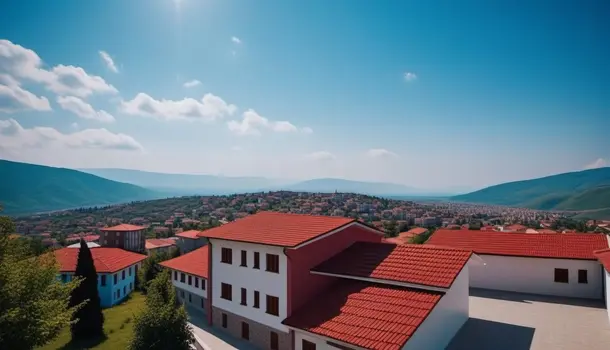
Flats in Guria


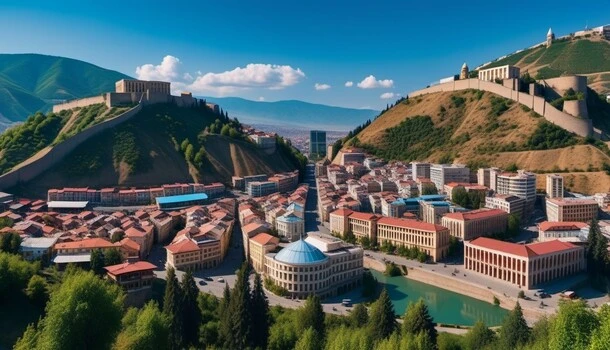
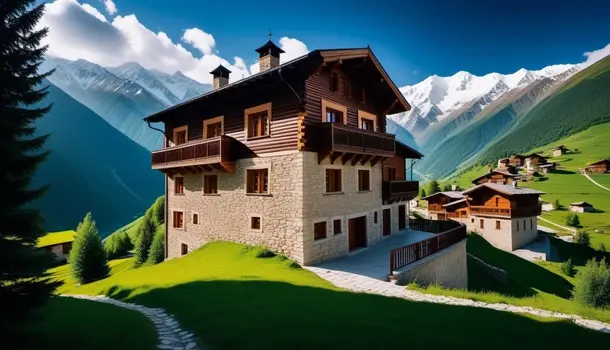
Flats in Kakheti

 2
2
 64
64
 3
91
3
91
 4
141
4
141
Choosing a property in Georgia for your request
- 🔸 Reliable new buildings and ready-made apartments
- 🔸 Without commissions and intermediaries
- 🔸 Online display and remote transaction
Our managers will help you choose a property
Liliya
International Real Estate Consultant
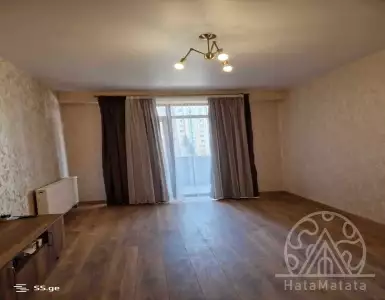
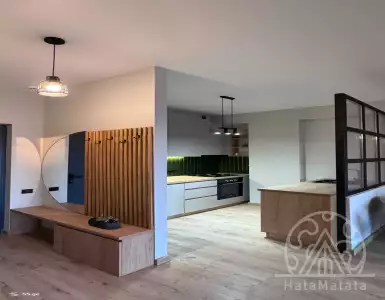
Flats in Tbilisi

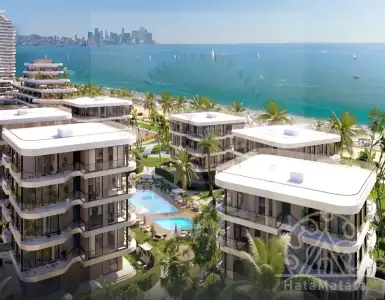
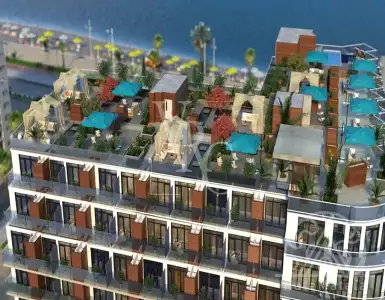
Flats in Ajaria

Flat in Georgia
Choosing a property in Georgia for your request
- 🔸 Reliable new buildings and ready-made apartments
- 🔸 Without commissions and intermediaries
- 🔸 Online display and remote transaction
Our managers will help you choose a property
Liliya
International Real Estate Consultant
Need help choosing a property?
Leave a request and our manager will contact you.
Our managers will help you choose a property
Liliya
International Real Estate Consultant
Individual selection flats in Georgia
Save time — for free we will select objects for your budget and goals
🇬🇪 Flat ownership in Georgia: property registration, taxes, notary and legal requirements
Georgia is a compact country where mountains meet the Black Sea and where property choices reflect a mix of coastal tourism, evolving business hubs, and affordable urban living. Buying a flat in Georgia combines low entry costs, simple registration, and a market shaped by strong tourist inflows in Batumi, steady business growth in Tbilisi, and rising interest in secondary cities such as Kutaisi and Rustavi. This overview gives clear, practical guidance for private buyers and investors ready to evaluate Flat in Georgia opportunities across price, legal, finance, and market-return dimensions.
🏔️ Where geography and infrastructure shape demand for flat in Georgia
Georgia’s geography concentrates demand into a handful of corridors where climate, transport links, and services converge. Coastal Batumi on the Black Sea offers mild winters and seasonal tourism demand, the capital Tbilisi sits on key east–west road and rail arteries and is the national business and cultural center, and Kutaisi and Zugdidi act as regional hubs with improving air and road links. These geographic differences determine whether a flat is bought for long-term living, short-term rental, or capital appreciation. Major transport infrastructure drives specific pockets of demand. Tbilisi International Airport, the S12 and S1 highways, the newly upgraded Anaklia–Batumi corridor, and expanding inner-city metro and BRT lines concentrate higher prices near nodes of connectivity and commerce. Developers target locations near metro stations in Tbilisi and the Batumi Boulevard and seafront for tourist-facing stock. Location demand is reinforced by social and commercial infrastructure such as universities (Ilia State University, Tbilisi State University), hospitals (American Medical Center), tech campuses and coworking clusters, and international schools. These nodes typically show higher occupancy, stronger short-term rental yields, and faster resale — especially central districts in Tbilisi and the Batumi seaside strip.
💶 How the Georgian economy and business climate affect flat demand in Georgia
Georgia’s open economy and liberal tax framework attract foreign capital and entrepreneurs, supporting steady housing demand in urban centers. GDP growth historically outpaced many peers due to tourism, logistics and services, creating a consistent urban rental pool in Tbilisi and Batumi. Visitor flows from neighboring countries and Europe keep short-stay occupancy high on the coast. The investment climate includes a flat personal income tax regime, simplified company registration, and free trade agreements that support business relocations and remote-worker inflows, which in turn boost demand for modern flats near business districts and coworking spaces. This environment improves liquidity for Investment flat in Georgia aimed at both rental and capital gains. Municipal policies and ongoing infrastructure projects increase predictability for real-estate investors. Airport upgrades, seaside promenade extensions in Batumi, and regeneration projects in Tbilisi’s Vera and Vake districts reduce vacancy risk and enhance ROI on flat in Georgia when projects align with demand corridors rather than peripheral greenfield zones.
🧾 How much Flat costs in Georgia and price dynamics
Price levels vary by city, area, and property condition, with clear divides between new developments and secondary market stock. Typical unit formats and market price ranges are:
- Tbilisi: central 1-bedroom (40–60 m²) $80,000–$220,000, price per m² $1,200–$2,500 in prime districts; outer districts $600–$1,000/m².
- Batumi: seafront studios (30–45 m²) $45,000–$120,000, central towers $800–$1,400/m²; seasonal premiums apply.
- Kutaisi and regional centers: 1–2 bedroom flats $25,000–$70,000, price per m² $300–$700.
- New developments vs completed projects: turnkey new-builds typically command a 10–30% premium over comparable resales depending on location and amenities. Market dynamics show steady demand for compact units under 60 m² targeted at renters and tourists, while larger family flats (80–150 m²) attract long-term buyers and expatriates.
- Popular formats and sizes:
- Studios and micro-apartments 30–45 m²
- One-bed flats 40–65 m²
- Two-bed flats 60–100 m²
- Family and premium flats 100–200+ m²
- Typical pricing drivers:
- Proximity to metro/station or seafront
- New-build amenities (security, parking, pool)
- Developer reputation and maintenance structure
🎯 Which cities and regions in Georgia are most popular for buying flat in Georgia
Buyers concentrate on a shortlist of cities where infrastructure, tourism, and business intersect with supply constraints.
- Tbilisi — High demand for rented flats in Vera, Vake, Saburtalo and central Old Town; easy access to international schools, hospitals, and corporate offices drives higher prices and low vacancy.
- Batumi — Seaside demand fuels short-term rental yields; best locations are Batumi Boulevard, Old Boulevard, and new tower zones close to the port and beach.
- Kutaisi — Growing airport connectivity and lower entry prices make Kutaisi attractive for budget investors and longer-term rentals; central districts near the airport and university show steady tenancy.
- Rustavi and Zugdidi — Regional demand with affordable stock for local buyers and lower market volatility. Infrastructure and rental demand profiles:
- Tbilisi: strong long-term rental market, higher capital appreciation potential
- Batumi: seasonal peak yields and tourist-driven cash flow
- Kutaisi: cost-efficient purchases with moderate rental demand Price differentials reflect these patterns, with Tbilisi prices typically 2–3x Batumi per m² in prime micro-locations.
🏗️ Leading developers and projects offering flat in Georgia
A handful of large and reputable developers shape the skyline and investor sentiment across major cities.
- Notable developers and signature projects:
- Orbi Group — Orbi City (Batumi), mixed-use towers adjacent to the seafront with integrated retail and leisure.
- Biltmore Group — Biltmore Hotel & Residences (Tbilisi), luxury apartments combined with a five-star hotel operation.
- Axis Group — Axis Towers (Tbilisi), modern high-rise complexes with office and residential components.
- Alliance Group — residential developments in central Tbilisi and new urban extensions.
- Developer strengths and buyer considerations:
- Brand reputation and after-sales service influence resale liquidity and maintenance fees.
- Projects offering management and short-stay operation solutions simplify tourist rental strategies.
- Mixed-use developments near transport hubs and shopping centers offer higher long-term value. When evaluating any Flat for sale in Georgia, prioritize developers with transparent completion histories, verifiable title documentation and established property management.
🏦 Mortgage Georgia for foreigners and installment options for flat in Georgia
Georgian banks and developers both offer financing pathways to non-residents, though conditions differ from domestic buyers. Key features include:
- Bank mortgage typical terms:
- Down payments for foreigners commonly 20–40% of purchase price.
- Loan-to-value (LTV) up to 60–70% depending on bank policies and collateral.
- Interest rates commonly range 6–12% depending on currency, borrower profile and loan term.
- Maximum terms typically 15–25 years with income and residency checks.
- Developer installment plans:
- Many developers provide flat in Georgia with installment plan options, often interest-free for 12–36 months or with low interest for longer terms, attractive for buyers who prefer staged payments.
- Installment programs vary by project and often require a larger initial down payment alongside staged construction-linked payments.
- Practical steps for financing as a non-resident:
- Provide international income proof and bank statements or make use of a local guarantor.
- Consider currency risk when borrowing in GEL versus USD or EUR. Search for specific offers labelled flat in Georgia with mortgage to compare lender conditions and developer promotions.
📑 Step-by-step legal process to buy flat in Georgia
The legal purchase pathway is transparent and relatively fast when documents are in order. A practical step sequence:
- Initial due diligence and reservation:
- Sign a reservation agreement or preliminary contract and place a deposit; request copies of the seller’s title and building permits.
- Contract, notary and escrow:
- Execute the sale-purchase agreement with a notary; notary certification is a standard requirement and ensures enforceability.
- Transfer payments via bank transfer, using escrow arrangements if available; obtain official receipts and tax invoices from the developer.
- Registration and transfer:
- Register ownership at the National Agency of Public Registry (NAPR); registration completes the transfer and provides a certified title extract.
- Typical timelines from reservation to registration depend on developer completion status and can range from weeks for resales to months for new-build completions. Always verify encumbrances, building permits, and the developer’s debt status, and obtain a notary-certified translation for foreign-language documents.
⚖️ Legal and tax aspects: Property taxes in Georgia for foreigners and rental rules
Georgia grants virtually equal property ownership rights to foreigners with a few practical distinctions; agricultural land purchases have specific restrictions. Key legal and tax details include:
- Ownership and residency:
- Buying residential property does not automatically grant citizenship; Residence permit through flat investment in Georgia is limited and subject to immigration thresholds and program criteria, and Golden visa through flat investment in Georgia is not a direct entitlement through ordinary residential purchase.
- Taxes and fees:
- Property taxes in Georgia for foreigners are generally low compared with Western Europe. Annual municipal property taxes for residential units are modest; registration and transfer fees are small relative to purchase price, and VAT may apply to new-build transactions depending on developer structure.
- Rental income tax and corporate tax regimes affect net yields; many investors use local management companies to optimise compliance with local tax rules.
- Rental rules and landlord obligations:
- Short-term and long-term rentals are permitted; short-stay platforms require the owner or manager to register the activity and handle tourist-related municipal levies and safety regulations. Consult a local real-estate lawyer and accountant to structure purchases and rentals to meet regulatory and tax obligations.
🏡 Which buyer profiles suit buying flat in Georgia and where to look
Different buyer goals match different cities and property types with clear practical pairings:
- Living and relocation:
- Families and expatriates relocating for business choose Tbilisi, especially Vake and Saburtalo, for schools, hospitals and lifestyle apartments in mid- to high-rise buildings.
- Seasonal residence and holiday use:
- Batumi seafront flats and compact studios near the Boulevard are suited for seasonal stays and owner use with strong tourist occupancy.
- Rental and investment:
- Investors seeking short-term cash flow target central Batumi and holiday-oriented towers; those seeking stable long-term rental prefer Tbilisi near universities and corporate offices.
- Premium and family segments:
- Luxury buyers gravitate to gated developments and branded residences such as Biltmore Residences (Tbilisi) and select Orbi Group towers offering concierge services. Match the objective — lifestyle, rental yield, capital growth — to location and property format when selecting an Investment flat in Georgia.
Georgia’s real-estate market presents accessible entry points, transparent registration procedures and a mix of tourism-driven and long-term rental opportunities that together support balanced portfolios and lifestyle purchases. For buyers seeking to Buy flat in Georgia now, focus due diligence on developer track records, transport and amenity proximity, and financing terms, since flat purchase costs in Georgia and expected Rental yield for flat in Georgia vary substantially across the Tbilisi central districts, Batumi seafront and secondary regional towns. Buying as a foreigner is straightforward when following the Legal process to buy flat in Georgia, comparing Mortgage Georgia for foreigners offers, and aligning the purchase with a clear use case to maximise ROI on flat in Georgia and long-term market resilience.
Frequently Asked Questions
Yes. Foreigners may acquire full ownership of flats in Georgia except certain agricultural land and restricted border zones. Transactions are recorded at the Public Registry; title is transferrable and enforceable under Georgian law. Due diligence, ID and basic KYC are required.
Prices vary by location: Tbilisi central apartments commonly trade around $1,000–1,600 per m², outer-city $600–1,000 per m²; nationwide averages range about $500–900 per m². Typical 1–2 bed city flats often list near $50,000–90,000. Main-city prices have risen roughly 15–25% over recent multi-year market cycles.
Gross yields in main markets: Tbilisi ~4–7% annually for long-term rentals; Batumi and resort areas can see seasonal gross yields of 6–9% in peak periods. Net yields depend on management, vacancy and maintenance; expect 3–6% net in established urban locations.
Real estate in Georgia’s major cities has historically outpaced local inflation in many periods; average nominal price growth across key markets is broadly in the mid-single to low-double digits annually. For capital preservation, prefer central Tbilisi or resort hubs and hedge currency exposure if holding local-lari denominated assets.
Yes: foreigners cannot generally own agricultural land and some border strips are restricted. Apartments, commercial units and most urban real estate are freely purchasable. Contracts should be registered at the Public Registry; zoning and building permits apply for renovations.
Yes. Georgian banks commonly lend to non-residents. Typical LTV ranges 50–70%, terms up to 20–25 years, and interest rates vary by currency and risk profile. Loan approval depends on income verification, credit and collateral; mortgage availability and terms change with market conditions.
Standard VAT in Georgia is 18% and may apply to certain new-build sales; resale secondary-market purchases are usually VAT-exempt. Annual municipal property taxes are generally low (often under 1% of assessed value in many areas). Expect registration fees and routine utilities/condominium fees; consult a tax advisor for rental or capital gains specifics.
Tbilisi leads for liquidity, employment-driven demand and capital preservation. Batumi presents strong short-term rental and tourism upside; Kutaisi and regional centers offer lower entry prices with development upside. Time horizon: 3–7 years for income strategies, 5–10+ years for capital appreciation in secondary cities.
With documents in order, signing the sale contract and registering title at the Public Registry can be completed in 1–5 business days. Closing timelines extend if financing, due diligence, or notarizations are needed; typical purchase processes range from 1–6 weeks end-to-end.
No automatic 'golden visa' or citizenship is granted solely by purchasing a flat in Georgia. Many nationalities can stay visa-free for up to a year, but residence permits and naturalization follow separate immigration rules (work, family, or qualifying investments in business). Property ownership alone generally does not confer residency or citizenship.
Properties by Region
Properties by Country
- Real estate in Bulgaria (11408)
- Real estate in Montenegro (5186)
- Real estate in Indonesia (2423)
- Real estate in Spain (2289)
- Real estate in Portugal (1975)
- Real estate in Italy (1910)
- Real estate in Turkey (1699)
- Real estate in Cyprus (1594)
- Real estate in Thailand (1565)
- Real estate in Croatia (1431)
- Real estate in Greece (1082)
- Real estate in USA (1013)
- Real estate in France (1006)
- Real estate in Georgia (519)
- Real estate in Serbia (328)
- Real estate in Slovenia (123)
- Real estate in Egypt (23)
Don't know where to start buying a property in Georgia?
Leave a request and receive free advice on prices, taxes, residence permits and the real estate market. in Georgia.

Maria Guven
Head of Direct Sales Department
+90-507-705-8082