


Real Estate in Paros
- ✓ Verified properties directly from developers
- ✓ No overpayments or commissions
- ✓ Guarantee of transaction purity and post-purchase support

International Real Estate Consultant
Leave a request and our manager will contact you.
International Real Estate Consultant
 Irina Nikolaeva, Southern Europe Real Estate Expert
Reviewed:
Irina Nikolaeva, Southern Europe Real Estate Expert
Reviewed:
Hot Deals

For Sale Real Estate in Paros
151 listings
 5
5
 4
4
 451
451
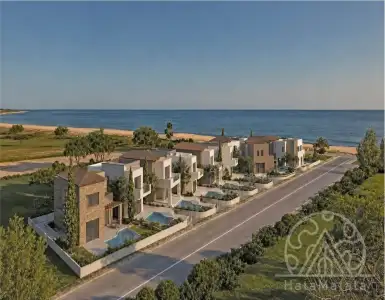
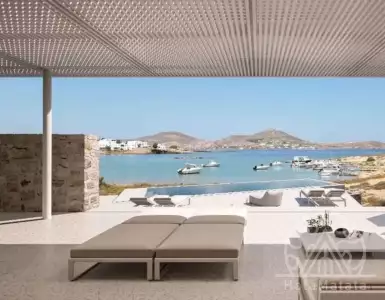
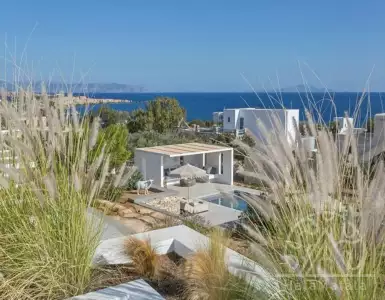
Five magnificent, fully detached villas with direct access to a beautiful sandy beach are built on a charming peninsula in...
Submit Request



 5
7
400
5
7
400
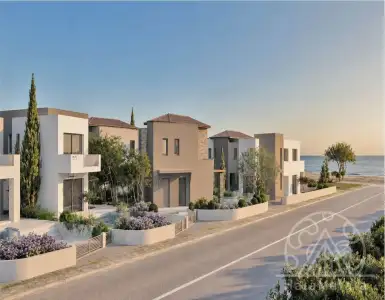
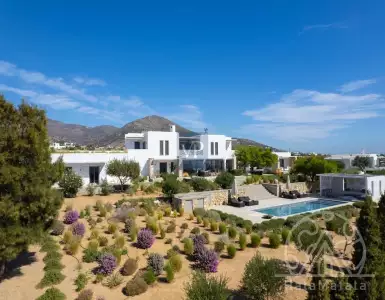
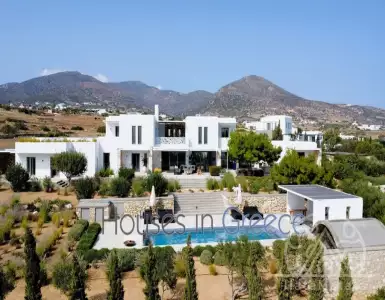
The luxury villa in Lolandonis, Paros, is a beautiful building with extremely high standards and luxury in every detail. Covering...
Submit Request
Real estate in Paros for living, investment and residence permit
- ✓ Verified properties directly from developers
- ✓ No overpayments or commissions
- ✓ Guarantee of transaction purity and post-purchase support
International Real Estate Consultant
 5
7
365
5
7
365
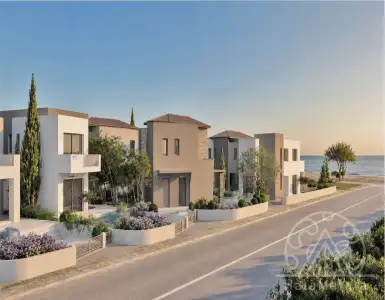
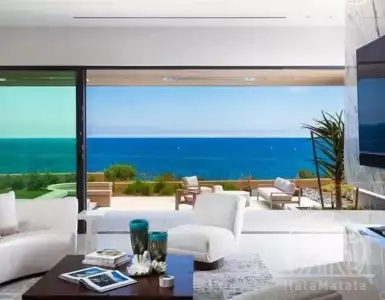
This exceptional villa has everything to satisfy the most demanding guests. First of all, its location is an eye-catcher, as...
Submit Request
 5
4
570
5
4
570
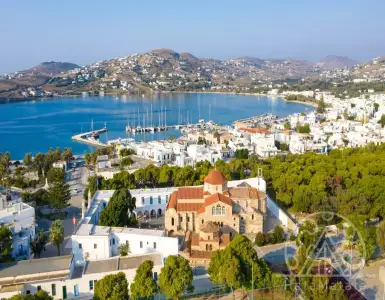
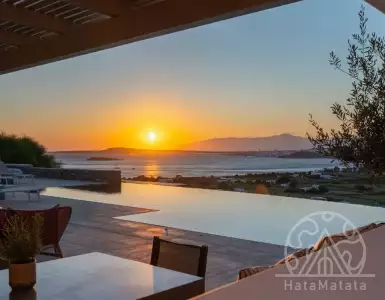
Experience island elegance with this luxurious villa located in the heart of the enchanting island of Paros. Authentic Cycladic architecture...
Submit Request


Real Estate in Paros
- ✓ Verified properties directly from developers
- ✓ No overpayments or commissions
- ✓ Guarantee of transaction purity and post-purchase support
International Real Estate Consultant
Leave a request and our manager will contact you.
International Real Estate Consultant
Need help choosing real estate in Paros?
Leave a request and we will select the 3 best options for your budget
 !
!
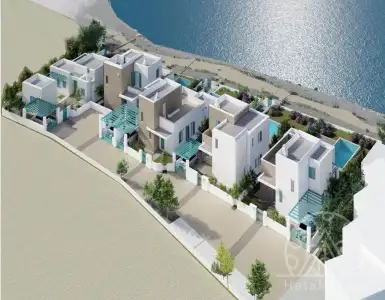
For sale Villa in Paros, Greece 2 480 886 $
This elegant 3-bedroom, 3-bathroom villa at Golden Coast Beach Villas offers a refined Mediterranean lifestyle in a...
 !
!
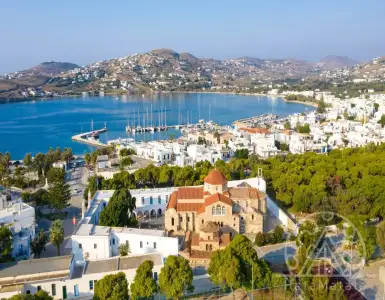
Villa for sale in Paros, Greece 2 250 106 $
This elegant 3-bedroom, 3-bathroom villa at Golden Coast Beach Villas offers a refined Mediterranean lifestyle in a...
🇬🇷 Paros property market, Aegean & Ionian islands: prices, neighborhoods, sea views
Paros is one of the Cyclades’ most balanced islands: lively enough to offer tavernas, boutiques and nightlife in Naoussa and Parikia, yet compact and calm in interior villages such as Lefkes and Marpissa. The island’s Mediterranean climate combines long, dry summers and mild, wet winters, attracting beach-focused tourism (Kolymbithres, Golden Beach, Santa Maria) and active-segment visitors (windsurfing at Pounda). Location-wise Paros sits between Mykonos and Naxos with easy ferry and air links to Athens, making it a practical base for seasonal rentals or full-time relocation. Lifestyle here blends traditional Cycladic architecture and village life with growing services: weekly markets, local olive oil and wine producers, regular cultural festivals and a developing boutique hospitality scene.
🎯 Which district of Paros to choose for buying property in Paros
Parikia (the island capital) is the administrative and transport hub. It hosts the main passenger port, municipal services, the Health Center of Paros and daily ferry and bus connections. Buyers who want year-round life, shops and schools generally target Parikia for apartments and townhouses close to the sea and port.
Naoussa is the most sought-after market for premium second homes and short-term rental portfolios. The old fishing port and narrow alleys attract luxury buyers looking for sea-view apartments and small villas, higher nightly rates and strong summer occupancy.
Aliki, Piso Livadi and Drios are quieter coastal villages favored by families and buyers seeking larger plots or standalone villas. Lefkes and Marpissa in the island interior attract buyers after traditional stone houses, long-term rental tenants and buyers seeking tranquillity.
- Parikia: central, year-round living, resale apartments, proximity to port
- Naoussa: high tourist demand, premium pricing, boutique hotels and holiday rentals
- Aliki / Piso Livadi: family-friendly, villas and plots, quieter beaches
- Lefkes / Marpissa: traditional architecture, restoration projects, lower densities
💶 Property prices in Paros
Market segmentation in Paros is clear: Naoussa commands the top prices, Parikia is mid-market with strong demand for resale property, and inland or southern villages show more affordable ranges. Typical price per square metre varies by location and property quality: Naoussa €2,800–€5,500/m², Parikia €2,000–€3,800/m², Aliki / Piso Livadi €1,800–€3,200/m², and inland villages €1,200–€2,300/m². Luxury villas with panoramic sea views are frequently listed at €800,000 to €3,500,000 depending on land, finishing and private pool.
By property category you can expect broad ranges:
- Apartments (resale): €120,000–€650,000 (studio to 3-bed, 30–120 m²)
- Villas and independent houses: €350,000–€3,500,000 (70–300+ m²)
- Plots and land: €80–€300/m² depending on buildability and proximity to the sea
- Commercial units (shops, restaurants): €150,000–€1,200,000 in core villages
Price dynamics show steady seasonal demand with price appreciation linked to limited developable coastal land, growth in boutique tourism and improved infrastructure. Average gross rental yields for short-term vacation homes in prime areas like Naoussa tend to range from 4% to 7%, while long-term rental yields are lower and more stable.
🚆 Transport and connectivity for property in Paros
Paros has a national airport (Paros National Airport) offering frequent domestic flights to Athens with a flight time of about 40 minutes, creating quick access for international travelers connecting via Athens. Ferry services operate from Piraeus and Rafina; high-speed ferries typically take 3–4 hours from Piraeus and conventional ferries longer. Inter-island routes to Naxos and Mykonos commonly take 20–90 minutes depending on vessel type.
Driving times on Paros are short: Parikia to Naoussa is approximately 10–15 minutes by car (about 8–10 km); Parikia to Aliki or Piso Livadi ranges 20–35 minutes. Public transport consists of regular KTEL buses in summer and reduced schedules off-season; taxis and car rental are widely used for flexibility.
For buyers considering investment property in Paros, proximity to port or airport strongly affects both price and rental performance — properties within 5–10 minutes of the main port typically command premiums.
- Airport to Parikia: ~25–35 minutes drive
- Ferry to Mykonos: ~40–80 minutes (seasonal routes)
- Regular bus lines: Parikia–Naoussa–Lefkes–Aliki routes in high season
🏥 Urban infrastructure and amenities in Paros
Healthcare on Paros is anchored by the Health Center of Paros in Parikia offering emergency and general services; for major hospitals, clients usually travel to Athens or Naxos. Primary and secondary schools exist on the island; international schooling requires commuting or relocation to Athens. Supermarkets include national chains present on the island and local markets in villages. Banking branches, post office and municipal services are concentrated in Parikia.
Recreation and leisure are strong selling points: famous beaches such as Kolymbithres, Golden Beach and Santa Maria, marinas in Naoussa and Piso Livadi, plus watersports facilities in Pounda and Golden Beach. Cultural assets include Paros Archaeological Museum, Byzantine churches and a calendar of local festivals that sustain year-round community life.
For buyers of commercial or mixed-use real estate in Paros, retail footfall and proximity to popular beaches, marina slips or parking are decisive. Infrastructure improvements in roads and water supply in central nodes have supported new developments and renovation projects.
- Primary amenities: Health Center of Paros, ferry port, municipal services in Parikia
- Leisure: Kolymbithres, Santa Maria, Pounda (windsurfing), Naoussa marina
- Utilities: island-wide water and electricity, improving road maintenance programs
📈 Economic environment and development in Paros
Tourism is the engine of Paros’ economy: hospitality, restaurants, boat charters and retail drive seasonal employment and rental demand. Agriculture—olive oil, citrus and small vineyards—remains relevant in local supply chains and agrotourism niches. Construction and real estate activity concentrate on renovation of traditional houses and boutique new developments that respect Cycladic typology.
Ports and marinas are strategic economic nodes: Parikia’s ferry terminal is the main freight and passenger gateway while Naoussa’s small marina supports yachting and private charters. Investments in tourism product diversification (boutique hotels, upscale villas and experiential travel) have raised average tourist spend per visitor.
Growth indicators to observe as a buyer include occupancy rates in Naoussa and Parikia, new-build permits issued by the municipality, and planned infrastructure upgrades—each influences rental yield and capital appreciation potential.
- Key sectors: tourism, hospitality, construction, agriculture
- Economic drivers: ferry traffic, boutique hotels, yacht tourism in Naoussa
- Indicators: building permits, season occupancy, local business openings
🏠 Property formats and housing types in Paros
The island market mixes restored Cycladic houses, contemporary villas, low-rise apartment blocks and limited plot development. Typical dwelling sizes: studios and one-bedroom apartments 30–80 m², family apartments 80–140 m², villas 100–350 m² depending on whether they include guesthouses and landscaped grounds. New developments in Paros often follow local planning limits—low-rise builds and strict height regulations to preserve scalpelines.
New developments in Paros combine modern insulation, cistern and greywater systems, and often private pools and covered terraces. Resale property includes many traditional stone houses requiring renovation, attractive for buyers seeking authenticity and lower entry prices. Off-plan property and new build property in Paros are offered primarily by boutique developers and local contractors, with staged payments tied to construction milestones.
Building density remains moderate; coastal strips and protected areas limit high-density projects. That scarcity supports long-term capital appreciation for well-located parcels and quality new builds.
- New builds: boutique projects, small blocks, private villas
- Resale: traditional Cycladic houses, townhouse conversions, renovation opportunities
- Plot sizes: common ranges 500–3,000 m² for buildable coastal or hillside parcels
🏗️ Developers and residential projects in Paros
Homebuyers and investors usually work with a mix of local builders and nationally-recognised agencies active in the Cyclades. Agencies like Kalogirou Real Estate, Engel & Völkers Greece and Sotheby’s International Realty Greece list both resale and new developments on Paros and can connect buyers with vetted local developers and architects. Local construction firms specialise in Cycladic stonework, seismic-compliant structures and energy-efficient retrofits.
Project features that distinguish reliable developments include clear planning permits, septic/wastewater solutions compliant with island regulations, licensed architects on-site, and transparent warranty agreements. Buyers should request building permits, energy class certificates and contractor references prior to commitment.
Examples of project types found on Paros include small boutique villa clusters around Naoussa, low-rise apartments in central Parikia and rehabilitation projects in Lefkes and Marpissa led by local craftsmen.
- Agencies to consult: Kalogirou Real Estate, Engel & Völkers Greece, Sotheby’s Greece
- Project types: villa clusters, boutique hotels, residential renovations
- Quality markers: permits, energy certificates, contractor guarantees
💳 Mortgage and financing options for property in Paros
Greek banks provide mortgages to foreign buyers but terms vary by residency and nationality. Typical financing scenarios: EU citizens may access up to 60–70% LTV, non-EU buyers commonly secure 40–60% LTV, and banks often require a down payment/deposit of 30–40% for non-residents. Loan tenors are usually up to 20–25 years for residential loans. Interest rates depend on bank policies and borrower profile; interest type can be fixed, variable or mixed.
Developer installment plans are common for off-plan property in Paros and usually request an initial reservation deposit (~€5,000–€20,000), a deposit of 10–30%, and staged payments through construction with a final balance at delivery. These plans can be attractive for buyers seeking to avoid full mortgage underwriting during construction.
For international buyers it is important to open a Greek bank account early, obtain an AFM tax number and prepare documentation (proof of income, tax returns, passport). Banks typically require valuation and legal checks before loan approval.
- Usual down payment: 30–40% for non-residents
- Loan term: up to 20–25 years
- Developer plans: deposit 10–30%, staged payments during construction
📝 How to buy property in Paros step by step
Start by securing a Greek tax identification number (AFM) and opening a local bank account; both are prerequisites for contracts and utility connections. The typical purchase sequence is: reservation agreement with deposit, signing a preliminary contract (with timeline and conditions), due diligence (title search, permits, encumbrances) by a local lawyer, final notary deed transfer and tax registration.
Payment methods commonly used include bank transfers, escrow arrangements and staged payments tied to construction milestones for off-plan property. Notary fees, transfer taxes and agent commissions should be budgeted in addition to property price—expect additional transactional costs in the range of 3–7% of the purchase price depending on services used.
Foreign buyers must verify the property is free of debts and properly registered in the Hellenic Cadastre (where applicable). Working with a bilingual lawyer and a licensed surveyor ensures clear title transfer, correct recording and straightforward post-purchase management.
- Step sequence: AFM → reservation deposit → due diligence → notary deed → registration
- Common costs: transfer tax, notary fees, lawyer fees, agent commission (variable)
- Payment: bank transfer and escrow for security, staged payments for off-plan property
⚖️ Legal rules and residence options for property in Paros
Foreigners can buy property in Greece with relatively few restrictions; purchasing property with a value of at least €250,000 may qualify the investor for the Greek Golden Visa residence permit (per current thresholds). Title registration follows standard Greek property law and transactions must be recorded at the notary and local land registry/cadastre.
Taxes to consider include the transfer tax at sale, annual property tax (ENFIA) based on cadastral values, plus municipal taxes and VAT for certain new-build transactions. Buyers should budget for legal and tax advice: notary fees are often 1–3%, lawyer fees 1–2%, and transfer tax typically calculated on the declared contract value or assessed value within applicable legal rules.
Foreign buyers should also verify coastal zone restrictions, protected-area designations and planning permissions. Residence permit options beyond Golden Visa include work and family reunification permits, with thresholds and eligibility depending on national laws and individual circumstances.
- Golden Visa threshold: €250,000 investment in real estate (subject to current law)
- Typical legal costs: notary and legal fees 1–3% combined, plus ongoing ENFIA tax
- Compliance: cadastre registration, planning permits, environmental constraints
🎯 Investment property strategies in Paros
Buyers targeting resale and capital growth often focus on Naoussa and central Parikia where tourist demand and resale liquidity are highest. Short-term rental investors typically choose seafront apartments and small villas in Naoussa, Parikia and Golden Beach; these areas produce the strongest summer returns and higher nightly rates. Long-term rentals and families prefer Aliki, Piso Livadi and interior villages such as Lefkes and Marpissa for stability and lower management overhead.
Practical investment strategies by use case:
- Permanent residence: Parikia (central services), Lefkes (quiet village houses)
- Long-term rental: Parikia and Aliki (stable tenant base)
- Short-term rental: Naoussa, Kolymbithres, Pounda (high occupancy summer months)
- Capital growth: sea-view plots and renovated Cycladic houses in Naoussa and hillside Parikia
Risk management for investment property in Paros includes realistic occupancy projections, professional property management for vacation rentals, and ensuring all permits are in place for short-term letting where local regulations apply.
- Typical yields: short-term gross 4–7%, long-term lower but steadier
- Good targets: renovated stone houses, new builds with pools, sea-view apartments
- Exit strategy: resale in peak nodes (Naoussa/Parikia) for liquidity premium
Paros offers a mix of authentic island life and steady market fundamentals: constrained coastal supply, robust tourist demand and a clear set of buyer profiles from investors to families. Whether you aim to buy property in Paros as a lifestyle purchase, an investment property in Paros for rental income, or to secure residency via a qualifying purchase, structured due diligence and local expertise will optimise outcomes and reduce transactional risk.
Frequently Asked Questions
How much do properties cost in Paros?
Paros prices vary by location and type. Town apartments in Parikia or Naoussa: about $2,000–$4,000/sqm (≈€1,850–€3,700). Seafront villas and renovated houses: $3,500–$7,500/sqm (≈€3,200–€6,900). Inland or village homes and older apartments: $1,200–$2,200/sqm (≈€1,100–€2,000). Small plots/land range widely: $60,000–$300,000 (≈€55k–€275k) depending on sea views and access.
Can foreigners buy real estate in Paros?
Yes. EU and most non-EU nationals can buy property in Paros but need an AFM tax number and Greek bank account. Non-EU buyers may need written approval for properties in restricted border/military zones—Paros is generally unrestricted. Expect lawyer-led due diligence, a notary for final deed transfer, and registration with the land registry.
Is Paros good for real estate investment?
Paros offers strong seasonal demand: high occupancy in summer, lower off-season. Gross rental yields typically range 3–7% depending on location and season. Short-term rentals perform best in Naoussa and Parikia; liquidity is moderate—well-located units sell faster. Expect peak bookings July–August and shoulder season income May–June, Sept–Oct.
Which Paros areas suit long-term rentals or living?
For long-term tenants and families choose Parikia (services, transport) or Aliki (quieter, local community). Piso Livadi and Golden Beach suit professionals seeking calm with amenities. Naoussa is popular but pricier and more tourist-focused. Prioritize proximity to ferry port, grocery stores, healthcare, and transport links for reliable long-term occupancy.
Can I relocate and live full-time in Paros?
Yes—Paros supports full-time living but plan logistics. Main towns have grocery stores, primary healthcare clinics, a regional health center, and basic schools; serious medical care requires ferry/flight to larger islands or Athens. Ferries and a small port provide regular connections; road network on-island is adequate. Expect slower winter services and fewer international flights.
Is Paros suitable for digital nomads or long stays?
Paros can work for remote workers: main towns have reliable 4G/5G and expanding fiber in central areas; co-working spots are limited but cafes and rentals often suffice. High-speed options vary by neighborhood—check exact address. Golden Visa is available for qualifying property investments (minimum investment thresholds apply); visa-free short stays follow national rules for your passport.
What taxes, fees and timelines apply to buying in Paros?
Typical costs: transfer tax (~3% of declared value), notary fees (≈1–2%), land registry and administrative fees, and legal fees (≈1%). New builds may incur VAT (commonly 24% where applicable). Annual property tax (ENFIA) is charged on assessed value. Transaction timeline: allow 6–12 weeks for standard purchases; off-plan builds take 12–36 months to complete.
Are short-term rentals allowed in Paros?
Yes, but regulated. Hosts must register rentals with tax authorities, declare income, and obtain any local registration numbers required for tourist lettings. VAT or additional tax rules can apply depending on revenue and business setup. Municipal rules and zoning can restrict specific areas—check local municipality and register properly to avoid fines.
Should I buy off-plan property in Paros?
Off-plan can secure lower prices but carries risks: delays, permit issues, or quality variance. Protect yourself with a detailed contract, stage payments linked to milestones, bank guarantees or escrow, and clear completion warranties. Verify building permits and permits-to-buildexist in the land registry before signing; factor 12–36 month completion windows and contingency funds.
How to check developer reliability for Paros new builds?
Verify developer reliability by checking building permits, land title clearances, and previous completed projects; request bank guarantees or escrow for deposits; ask for performance bonds and a detailed construction schedule. Use an independent lawyer to review contracts and confirm permits are lodged with the local municipality and land registry before committing funds.
Property by cities
Properties by Region
Services in Paros
Properties by Country
- Real estate in Bulgaria (11437)
- Real estate in Montenegro (5344)
- Real estate in Spain (5198)
- Real estate in Indonesia (2424)
- Real estate in Turkey (2317)
- Real estate in Portugal (2037)
- Real estate in Croatia (1682)
- Real estate in Cyprus (1644)
- Real estate in Italy (1583)
- Real estate in Thailand (1565)
- Real estate in Greece (1119)
- Real estate in France (1070)
- Real estate in USA (732)
- Real estate in Georgia (507)
- Real estate in Serbia (246)
- Real estate in Slovenia (125)
- Real estate in Egypt (20)
Get the advice of a real estate expert in Paros — within 1 hour
Looking for a property in Paros? Leave a request — we will help you take into account all the nuances, and we will offer objects according to your personal request.

Maria Guven
Head of Direct Sales Department
+90-507-705-8082