


House in Italy


Choosing a property in Italy for your request
- 🔸 Reliable new buildings and ready-made apartments
- 🔸 Without commissions and intermediaries
- 🔸 Online display and remote transaction
Our managers will help you choose a property

Liliya
International Real Estate Consultant
Need help choosing a property?
Leave a request and our manager will contact you.
Our managers will help you choose a property
Liliya
International Real Estate Consultant

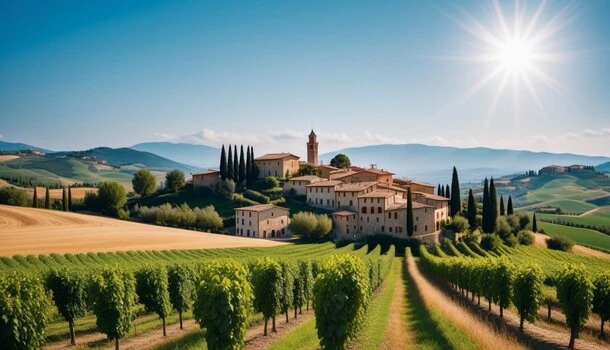
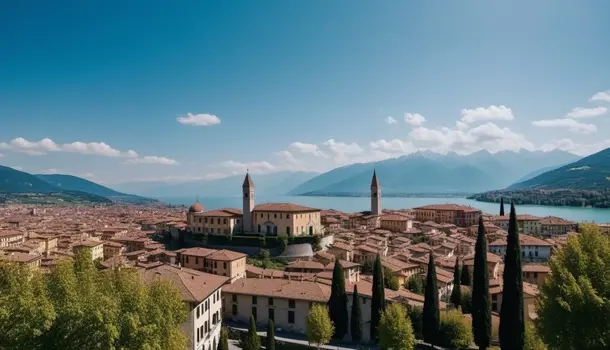
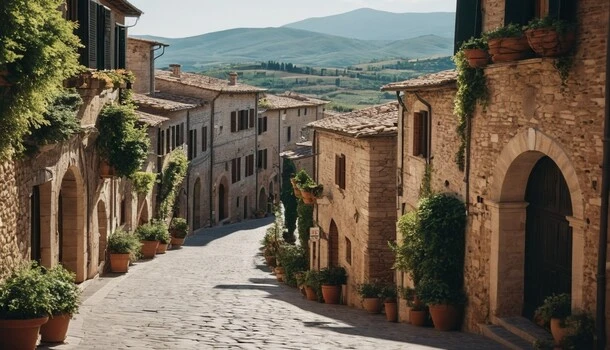
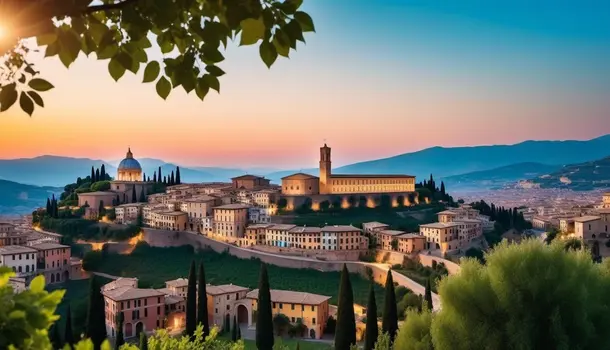
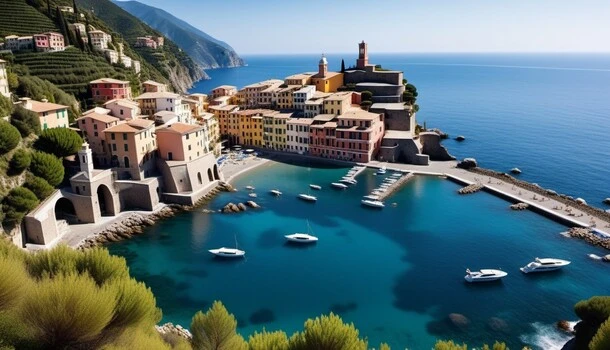
Weather in Italy
For Sale house in Italy
Houses in Campaign
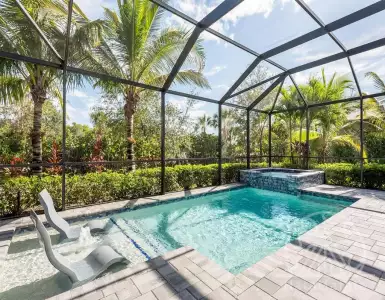
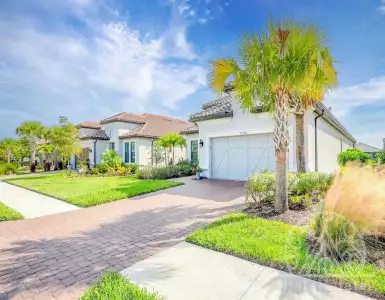
Houses in Piedmont
Choosing a property in Italy for your request
- 🔸 Reliable new buildings and ready-made apartments
- 🔸 Without commissions and intermediaries
- 🔸 Online display and remote transaction
Our managers will help you choose a property
Liliya
International Real Estate Consultant
Houses in Puglia
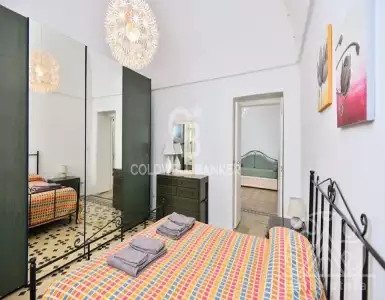
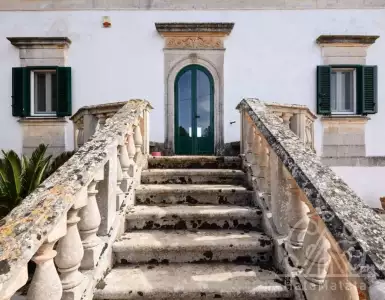
Houses in Calabria

 3
3
 3
3
 133
133
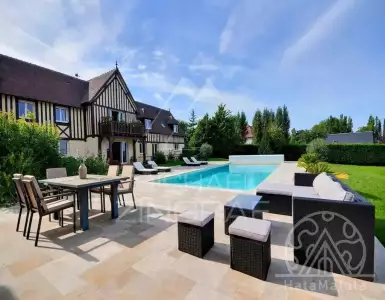 5
465
5
465
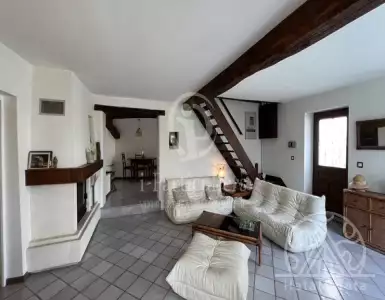 6
200
6
200
Houses in Friuli-Venezia Giulia
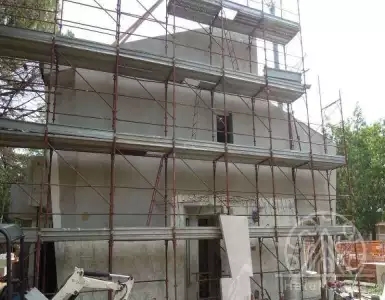 3
1
100
3
1
100

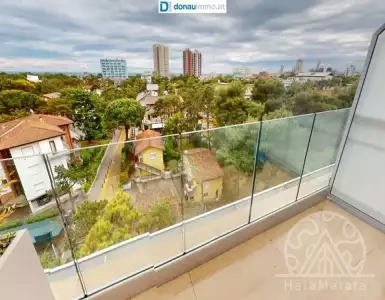 2
1
70
2
1
70
Houses in Lazio

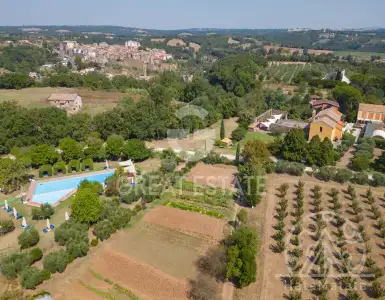
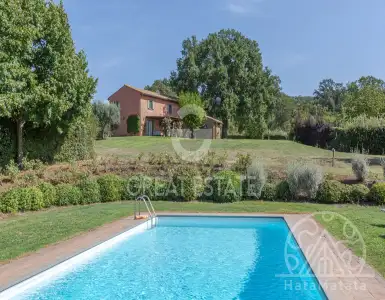
Houses in Umbria
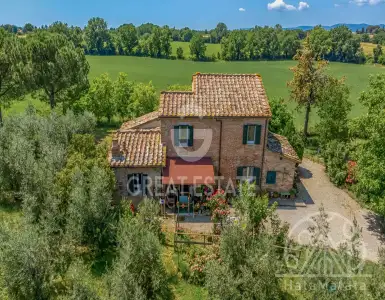
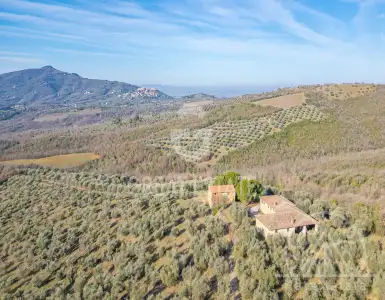

Houses in Venice
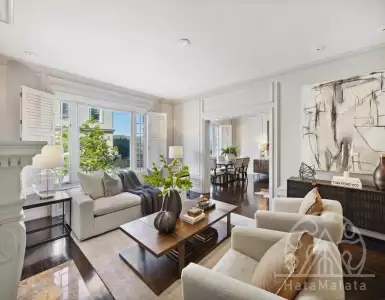
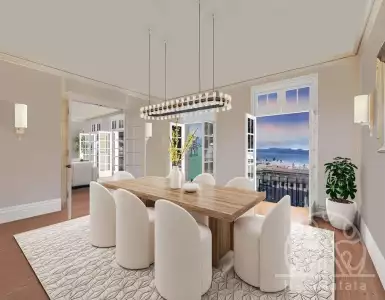
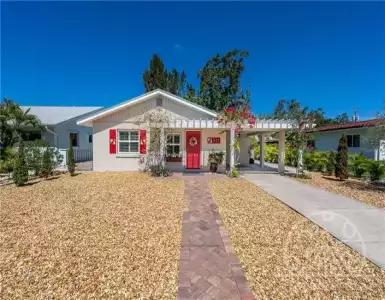
Houses in Liguria

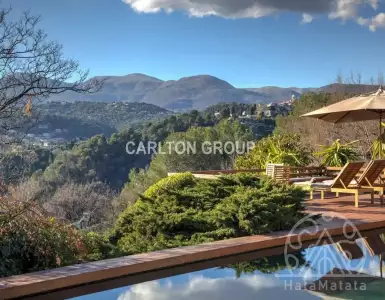
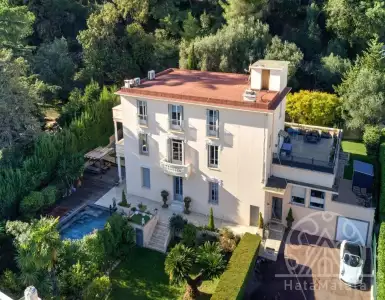
Houses in Lombardy
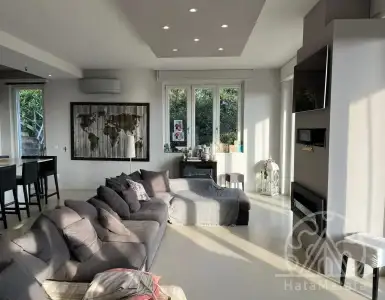
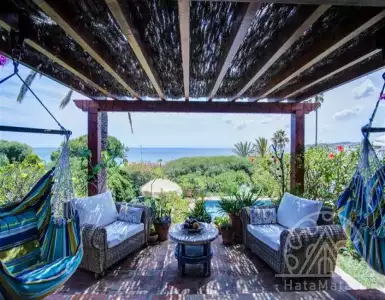
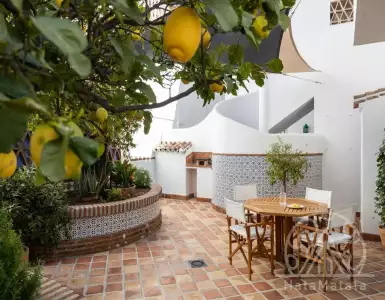
House in Italy
Choosing a property in Italy for your request
- 🔸 Reliable new buildings and ready-made apartments
- 🔸 Without commissions and intermediaries
- 🔸 Online display and remote transaction
Our managers will help you choose a property
Liliya
International Real Estate Consultant
Need help choosing a property?
Leave a request and our manager will contact you.
Our managers will help you choose a property
Liliya
International Real Estate Consultant
Individual selection houses in Italy
Save time — for free we will select objects for your budget and goals
🇮🇹 Italy property overview — regional prices, taxes & legal requirements
Italy combines cultural depth, varied landscapes and resilient infrastructure, making it one of the most attractive markets in Europe for anyone looking to buy property. From alpine chalets in the Dolomites to stone farmhouses in Puglia and luxury villas on the Amalfi Coast, House in Italy purchases respond to clear demand drivers: tourism, domestic wealth centers, transport nodes and regional planning that preserves historic cores. The following guide explains where demand concentrates, what prices and formats to expect, how to finance and legally process a purchase, and which scenarios — living, rental or high-end investment — suit each part of the country.
💶 How much House costs in Italy
Italy’s price spectrum for a House for sale in Italy is broad because of context — urban vs rural, historic centre vs coastal resort, new build vs restored property. Prices for houses by typology and region typically fall in these ranges in US dollars:
- Small rural farmhouse / casa colonica (Abruzzo, Molise, inland Calabria): $30,000–$180,000.
- Townhouse / terraced house in provincial towns (Sicily, Puglia, Marche): $80,000–$350,000.
- Detached villas in Tuscany, Umbria, Liguria: $400,000–$5,000,000 depending on land and proximity to Florence or seaside.
- Luxury villas and sea-front estates (Amalfi Coast, Capri, Portofino, Sardinia Costa Smeralda): $2,000,000–$50,000,000.
- Suburban/commuter houses near Milan or Rome: $350,000–$2,500,000.
Market dynamics show steady interest in restored historic homes in Tuscany and Umbria, while coastal hotspots display higher volatility but strong seasonal upside. Average price per square meter for desirable urban areas: Milan $5,500–$11,000/sq.m, Rome $4,000–$9,000/sq.m, Florence $3,500–$8,000/sq.m. Buyers should budget for house purchase costs in Italy beyond the sale price: taxes, notary fees, cadastral adjustments and agency commissions (commonly 2%–4%), typically adding 5%–10% to total transactional cost.
🎯 Which region of Italy to choose for buying house in Italy
Choice of region depends on the buyer’s objectives: rental cashflow, capital appreciation or lifestyle relocation. Northern Italy (Lombardy, Veneto, Emilia-Romagna) is industrial, wealthy and connected; Central Italy (Tuscany, Umbria, Marche, Lazio) mixes tourism and prestige; Southern Italy (Campania, Puglia, Sicily) offers value and high tourist seasonality; Islands (Sardinia, Sicily) deliver luxury and yacht-accessible coastlines.
- Lombardy (Milan, Lake Como): business hub, high demand for commuter homes and luxury lakeside villas; great transport (Malpensa, Linate airports, high‑speed rail).
- Lazio (Rome, Fiumicino): national institutions and tourism drive steady rental demand; military and diplomatic presence increases long-term rental liquidity.
- Tuscany (Florence, Chianti, Maremma): iconic restorations, agritourism and strong international buyer recognition lead to premium pricing.
- Campania and Amalfi Coast (Naples, Sorrento, Positano): seasonal high yields for short-term rentals and ultra‑luxury demand.
- Sardinia (Costa Smeralda) and Liguria (Portofino, Cinque Terre): top-tier leisure markets with outright luxury pricing.
Each region’s infrastructure and transport profile influences demand: high-speed rail (Trenitalia/Italo) corridors, international airports (Malpensa, Fiumicino, Naples, Cagliari, Palermo) and sea ports (Genoa, Livorno, Naples) underpin rental and resale liquidity.
📈 Economy and investment climate in Italy affecting House market
Italy ranks as one of the largest economies in the Eurozone with diversified manufacturing, fashion, agri-food and tourism sectors that support real estate demand in key cities. Business districts in Milan concentrate finance, fashion and technology firms; Rome hosts government, legal and diplomatic sectors; ports and logistics hubs (Genoa, Trieste, Gioia Tauro) connect trade.
- Tourism flow: international arrivals to cultural destinations and beaches maintain high occupancy levels for short-term rentals in Florence, Venice, Amalfi and the islands, boosting Rental yield for house in Italy in peak areas to 4%–8% seasonally.
- Tax climate: corporate tax (IRES) and regional levies, plus VAT on new builds, shape development economics; incentives for renovation and seismic upgrades (superbonus-style schemes and tax credits) affect ROI calculations.
- Liquidity and ROI: ROI on house in Italy varies — larger urban centers show lower yields but higher liquidity and capital preservation; secondary towns and southern regions can offer higher gross yields but more market risk.
Investors monitor regional plans and urban regeneration (Porta Nuova and CityLife in Milan, EUR redevelopment in Rome, Porto Marghera requalification near Venice) as catalysts for price appreciation and rental demand.
🏗️ Developers and projects offering House in Italy
Large institutional developers and international groups have active residential pipelines alongside local restoration specialists. Notable names and famous projects:
- CityLife (Milan) — multi-phase redevelopment by Generali Real Estate and partners, mixed-use residential towers near Fiera Milano.
- Porta Nuova (Milan) — international offices and residential including Bosco Verticale (Boeri Studio), delivered by Hines and COIMA in restructuring of Garibaldi-Repubblica area.
- COIMA — urban regeneration specialist with projects in Milan and partnerships across residential and mixed-use.
- Pirelli RE and Prelios — urban residential and retrofit projects in Milan and Rome.
- Webuild (major Italian contractor) and regional builders deliver coastal luxury projects in Sardinia and Campania.
- Local developers and restorers in Tuscany and Umbria focus on boutique conversions of farmhouses and palazzi for the premium market.
Buyers evaluating new developments or off-plan should request developer title deeds, guarantee bonds and escrow schedules. Established project names carry resale and rental recognition, which supports both capital appreciation and consistent rental demand.
🏦 Mortgage Italy for foreigners and house in Italy with mortgage or installment plans
Foreign buyers can secure financing, though conditions differ between EU residents, non-EU residents and investors. Typical terms and practical points for a Mortgage Italy for foreigners:
- Loan-to-value (LTV): banks usually offer 60%–70% LTV for non-residents, rising to 70%–80% for EU citizens or long-term residents; exceptional cases may reach 80% with collateral.
- Rates and terms: variable and fixed mortgages commonly span 10–30 years, with representative mortgage interest in a market range roughly 2.5%–5.5% depending on product and borrower profile; proof of income, tax returns and credit history are required.
- Banks: UniCredit, Intesa Sanpaolo, Banco BPM, Banca Monte dei Paschi, and international branches provide foreign-friendly products.
Developer finance and staged payment structures make a house in Italy with installment plan feasible for off-plan purchases:
- Developer installment plans: deposits 10%–30%, staged payments on construction milestones, final balance at rogito; some projects include escrow protections and bank guarantees.
- Bridging loans and renovation mortgages: available for restoration projects, often requiring detailed budgets and certified contractors.
Foreign buyers should obtain an Italian tax code (Codice Fiscale), open an Italian bank account and present documentation translated where required.
📝 Legal process to buy house in Italy
Understanding the Legal process to buy house in Italy reduces risk and timeline surprises. Typical steps and required checks:
- Preliminary offer and deposit (proposta + caparra): buyer submits a written proposal with earnest money; a signed preliminary contract (compromesso) secures conditions and timeline.
- Due diligence: mandatory checks include visura catastale (land registry), ipotecaria (mortgage registry) to confirm title, building permits and APE energy certificate; municipal planning and urban compliance are essential for restorations.
- Final deed (rogito) before a notary: the notary verifies title, applies taxes and registers the transfer; funds are transferred and keys delivered. Timelines vary — cash deals can close in weeks, financed or off-plan deals can take months.
Buyers must budget for transaction-related costs: notary fees, registration taxes, VAT on new builds, mortgage registration (if applicable) and agency commission. Typical transaction timeline from offer to deed ranges from 30 to 120 days depending on financing and due diligence complexity.
⚖️ Property taxes in Italy for foreigners and legal ownership rules
Foreigners enjoy the right to buy property in Italy under the same legal framework as residents, with some municipal or border restrictions rarely applied. Key tax and regulatory aspects labeled under Property taxes in Italy for foreigners:
- Transfer taxes and VAT: resale purchases between private parties are typically subject to a transfer tax that for second homes is commonly about 9% of the cadastral value (lower rates apply for first-home benefits); new-build purchases often include VAT at 4%/10%/22% depending on the property type.
- Annual property taxes: IMU (municipal property tax) applies primarily to second homes and varies by municipality, commonly 0.4%–0.76% of the cadastral value; TARI (waste tax) is charged annually for waste services.
- Rental taxation: rental income is taxable under standard income rules, or landlords may elect the flat regime cedolare secca (flat tax option around 21% on residential rents) where applicable.
Important legal facts: Buy house as a foreigner in Italy does not automatically entitle the buyer to residency; Residence permit through house investment in Italy is not granted by property purchase alone, and Golden visa through house investment in Italy is not an available route. Residency requires appropriate visas, such as elective residence or investor visas with qualifying investment thresholds distinct from ordinary property acquisition.
🏡 Which purposes suit buying House in Italy and recommended locations
Different buyer goals map to specific Italian locations and property types. Recommendations by purpose:
- Primary residence and relocation: Milan and Turin for professionals, Florence for cultural life, suburban villas near commuter rail for families seeking schools and healthcare.
- Seasonal and secondary homes: Amalfi Coast, Capri, Lake Como and Costa Smeralda for luxury seaside living; Puglia and Sicily for value coastal retreats with strong vacation demand.
- Buy-to-let and short-term rental: historic centres of Florence, Rome and Venice for year-round tourist demand; mountain chalets in the Dolomites and ski resorts (Cortina d’Ampezzo) for seasonal premium tariffs.
- Long-term investment and restoration: rural Tuscany, Umbria and Abruzzo for estate conversions and agritourism; these often offer favorable purchase prices with renovation upside and agritourism rental possibilities.
- Premium investment house in Italy: Portofino, Capri, Lake Como and Sardinia attract ultra-high-net-worth buyers seeking privacy, concierge services and marina access.
Each scenario has typical property formats: palazzo apartments in city centres, stone farmhouses in inland regions, luxury seafront villas with private moorings, and modern suburban houses close to business hubs.
Italy’s house market continues to balance cultural preservation with selective new development, and demand from both domestic and international buyers remains anchored by transport connectivity and tourism flows. For buyers and investors, careful location selection, specialist due diligence, and a clear financing plan — whether a house in Italy with mortgage or a house in Italy with installment plan — are the main levers to secure sustainable rental yields and capital appreciation. The market outlook points to steady interest in well-located properties, growing demand for renovated historic homes, and premium resilience in coastal and alpine luxury segments, supporting long-term opportunities for both personal use and portfolio diversification.
Frequently Asked Questions
Country-wide house prices vary widely: rural fixer-uppers often €20,000–€150,000, small-town houses €100,000–€350,000, suburban/commuter houses €200,000–€700,000, and prime city houses €500,000–€3,000,000+. Benchmarks per m²: rural €300–€1,200/m², towns €1,000–€3,000/m², city centre €3,000–€10,000+/m². (€ / approx. USD shown by market conversion).
Buying a house in Italy can trigger transfer taxes: for purchases from a private seller registration tax often 2% (primary residence meeting conditions) or 9% (other), plus fixed cadastral/mortgage taxes (~€50 each). New-build sales may be subject to VAT (typically 4%/10%/22% depending on type). Add notary fees (1–2.5%) and commonly agent fees (2–3%).
Process: negotiate and sign a preliminary contract (compromesso) with deposit (often 10–30%), complete due diligence, arrange financing if needed, then final deed (rogito) before a notary. The notary registers the transfer. Timelines vary but many transactions close in 1–3 months from preliminary agreement in Italy.
Yes. Italian banks and lenders offer mortgages to residents and non-residents. Loan-to-value typically ranges 50–80% (foreign buyers often 50–60% LTV). Lenders require ID, income proof, credit checks, property valuation and often an Italian bank account. Mortgages are usually in € and terms and conditions vary by lender and buyer profile.
Yes. Owners in Italy usually pay IMU (municipal property tax) on second homes and certain properties; municipal rates commonly range around 0.4%–1.06% of the cadastral value but vary locally. You also pay TARI (waste tax) based on property size/occupancy. Rental income is taxed under personal income tax or via an optional flat regime (cedolare secca) if applicable.
Italy offers routes like work permits, family reunification, an investor visa (requires qualifying financial investments), and elective residence visas for financially independent non‑EU nationals. Owning a house in Italy can help prove accommodation but does not automatically grant residency or citizenship; specific visa/permit requirements (income, health insurance) must be met through consulates or immigration authorities.
Italy provides tax-credit incentives for energy efficiency upgrades and seismic improvements on houses. Incentives typically take the form of tax deductions or transferable tax credits covering a portion of eligible costs (commonly from around 50% up to higher percentages for specific schemes). Eligibility depends on work type, standards and documentation, and rules are administratively complex.
Check the title and ownership in the Conservatoria, cadastral data (catasto), building permits/urban compliance, any mortgages or liens, and condominium rules if applicable. Obtain an energy performance certificate (APE) and a structural/survey inspection. Use a notary for legal checks and ensure all local permits match the property's use in Italy.
Typical timelines: offer to preliminary contract a few days–weeks; from preliminary contract to final deed often 1–3 months. If you need a mortgage, add 1–2 months for approval and valuation. Complex title issues or lengthy permits can extend this to several months. The notary registers the deed immediately after closing.
Quality of life in Italy varies by region: strong public healthcare (SSN) with local registration, public and private schools, good urban transport and intercity trains, and many international airports. Cost of living ranges roughly €700–€2,000/month (excluding rent) depending on location. Broadband is reliable in cities and many towns, making Italy suitable for digital nomads/remote workers in well‑connected areas.
Properties by Region
- Houses in Tuscany (424)
- Houses in Lombardy (372)
- Houses in Umbria (334)
- Houses in Lazio (210)
- Houses in Liguria (133)
- Houses in Campaign (60)
- Houses in Piedmont (58)
- Houses in Sicily (35)
- Houses in Venice (31)
- Houses in Calabria (27)
- Houses in Puglia (26)
- Houses in Abruzzo (20)
- Houses in Veneto (14)
Properties by Country
- Real estate in Bulgaria (11408)
- Real estate in Montenegro (5186)
- Real estate in Indonesia (2423)
- Real estate in Spain (2289)
- Real estate in Portugal (1975)
- Real estate in Italy (1910)
- Real estate in Turkey (1699)
- Real estate in Cyprus (1594)
- Real estate in Thailand (1565)
- Real estate in Croatia (1431)
- Real estate in Greece (1082)
- Real estate in USA (1013)
- Real estate in France (1006)
- Real estate in Georgia (519)
- Real estate in Serbia (328)
- Real estate in Slovenia (123)
- Real estate in Egypt (23)
Don't know where to start buying a property in Italy?
Leave a request and receive free advice on prices, taxes, residence permits and the real estate market. in Italy.

Maria Guven
Head of Direct Sales Department
+90-507-705-8082