


10% Rental Yields and 1-Day Title Transfers Are Luring Investors to Tbilisi and Batumi

Georgia’s real estate boom: why investors are paying attention
If you are watching real estate Georgia is hard to ignore right now. The combination of rapidly growing tourism, low entry prices and legal clarity is drawing private buyers and small-scale investors from Israel and beyond. We have tracked the figures and spoken to market participants; the picture is pragmatic and data-driven rather than fanciful.
In short: buyers are finding Tbilisi and Batumi able to deliver returns that sit above many mature markets, while the purchase process and tax rules remain unusually friendly to foreigners. This report explains what those numbers mean, where the opportunity sits, and what a cautious investor must consider before committing capital.
What is changing and why it matters for investors
Georgia has been building a reputation as a liberal and predictable market. The country ranked 7th globally in the World Bank’s Ease of Doing Business ranking, and that is not just a headline. It affects how fast you can register ownership, open a company, or repatriate income.
Key practical features that matter for investors:
- Speed of registration: standard property registration takes up to 4 business days; an expedited option completes transfer in 1 business day.
- Open ownership rules: foreign nationals can buy most property without residency or citizenship; the only real restriction is on agricultural land.
- Tax structure: rental income is taxed at a flat 5%, with a reduced 1% regime available for individual entrepreneurs under a special tax regime.
- Corporate incentive: Georgia follows an "Estonian model" where corporate profit tax is payable only when dividends are distributed, supporting reinvestment strategies.
All of this makes the market accessible to smaller investors who want a straightforward way to diversify outside their home market. But the numbers behind returns are where decisions get made, so we look next at the two cities drawing most of the interest.
Tbilisi: steady demand, respectable yields
Tbilisi is an increasingly sophisticated city market. Beyond the historic centre, developers are delivering modern residential blocks with amenities familiar to buyers from Western Europe and Israel: underground parking, gyms, landscaped courtyards and reliable building management.
What investors should know about Tbilisi:
- Average asking price: $1,200–$1,500 per square metre.
- Typical rental yields: 8–10% annually for long-term and serviced rentals.
- Prime neighbourhoods to watch are Vake, Saburtalo and Sololaki, where demand from expatriates, visiting professionals and tourists is strongest.
- Daily short-term rental rates typically range $50–$90 in desirable central districts.
Our analysis is that Tbilisi is most attractive to buyers who want a balance of capital preservation and steady income. Yields are not extreme, but they are higher than many Western markets when entry prices are taken into account. For investors seeking predictable, mid-risk rental income, Tbilisi is the logical first step.
Practical investor considerations in Tbilisi:
- Look for well-managed new developments or buildings with proven occupancy histories.
- Factor in management fees and utilities: typical monthly maintenance in complexes runs around $0.5–$1 per square metre.
- If you plan to rent short-term, locate near transport links and business hubs to improve off-season occupancy.
Batumi: seaside returns and a shift from seasonal to year-round demand
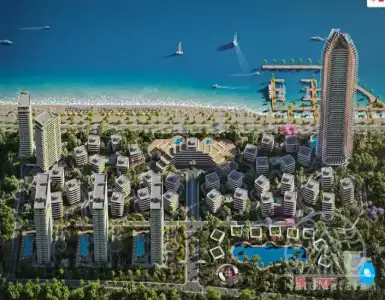
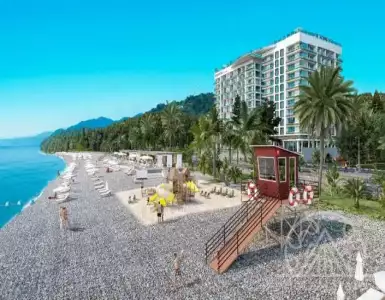
Batumi is shedding its image as merely a summer resort. Developers and hotel brands are expanding along the coast, and many projects position apartments as income-generating assets rather than weekend properties.
Key figures for Batumi:
- Average asking price: $1,300–$1,600 per square metre.
- Short-term rental yields: market estimates show 12–14% annually in serviced seaside complexes.
- Most sought-after unit size: 30–60 square metres in modern seaside residential projects.
- High-season nightly rates often sit between $80–$120 for well-located serviced apartments.
Two factors set Batumi apart from typical resort towns. First, developer-led management models are common. Many complexes offer turnkey rental management, cleaning, booking platform integration and financial reporting, which suits remote investors who do not want to handle day-to-day operations. Second, the city’s infrastructure and corporate hospitality presence are growing, with international brands helping raise service standards.
That combination makes Batumi attractive if you want higher short-term yields and are willing to accept seasonal swings in occupancy. A disciplined approach to cash-flow modelling is essential.
How tourism is supporting rental performance
Tourism is the most tangible demand driver. During the first three quarters of 2025 Georgia received more than 6 million international visitors, outpacing the previous year. That growth is reflected in rental occupancy and night rates.
Observed patterns:
- Short-term occupancy in summer months averages 70–75%; winter occupancy averages about 50%.
- Apartment-based stays remain popular because they offer kitchens and workspace — features that suit longer stays and remote work.
The implication is straightforward: short-term landlords can achieve strong returns in summer and maintain reasonable occupancy off-season, but this requires professional marketing and operational backup. If you are not willing to use a management service, budget for lower occupancy and reduced net yield.
Taxes, legal steps and cost structure for foreign buyers
Georgia is transparent on property rules and tax obligations, which simplifies financial planning. The main items every foreign buyer must know are:
- Foreign ownership: permitted for apartments, houses and commercial real estate; agricultural land is restricted.
- Transfer timeline: up to 4 business days for standard registration; 1 business day for expedited registration.
- Rental tax: flat 5% on rental income; 1% for qualifying individual entrepreneurs.
- Capital gains: no tax if you hold a property for more than two years; if sold earlier, a 20% tax is applied to the difference between purchase and sale prices.
- Property tax: no tax if annual income does not exceed 40,000 GEL (about $14,500); above that, rates range from 0.05% to 1% of cadastral value depending on income.
- Operating costs: utility and maintenance typically average $0.5–$1 per square metre per month.
You can complete transactions in person or through power of attorney. Most developers and agencies provide legal support to foreign buyers. The National Agency of Public Registry issues an Extract that acts as legal proof of ownership.
From a tax-planning viewpoint, the absence of capital gains tax after two years encourages longer holding periods and reduces turnover-related taxation.






Where the real risks are and how to manage them
No market is risk-free. Here are the main hazards and how we recommend addressing them.
- Seasonality in coastal locations: Batumi yields can be high, but summer demand is concentrated. Approach with conservative occupancy assumptions and use professional management to spread bookings through the shoulder seasons.
- Currency and repatriation risk: rental income is frequently paid in dollars or euros, but local operating costs are in GEL. Open a local banking account and use hedging where appropriate for large portfolios.
- Liquidity: smaller cities can take longer to sell. Hold a conservative reserve and avoid over-leveraging if your time horizon is short.
- Construction quality and delivery delays: insist on developer references and independent inspections; prefer projects with proven completion records.
- Regulatory change: while current rules are friendly, tax regimes can shift. Keep a local tax adviser and monitor legislative developments.
This is not an exhaustive list, but it outlines how an investor with modest experience can reduce downside exposure while preserving the income potential.
Practical buying checklist for foreign investors
If you are considering a purchase, the following checklist captures the core steps and decisions we see most successful buyers take:
- Define your objective: capital growth, steady rental income, short-term holiday lets or a hybrid model.
- Choose the city and neighbourhood based on your objective: Tbilisi for steady long-term demand; Batumi for higher short-term yields.
- Confirm budget and unit size: Batumi demand concentrates on 30–60 sqm units; Tbilisi yields are competitive at various sizes.
- Verify developer track record and delivery times; obtain an independent technical inspection where possible.
- Engage a local lawyer to check title, zoning and any encumbrances; use a notary for the purchase agreement.
- Decide on management: developer-run turnkey management vs local property manager vs self-management.
- Open a Georgian bank account and verify the process for receiving rental income and doing international transfers.
- Factor in taxes: budget for 5% rental tax or 1% if you qualify for the special regime.
- Plan for maintenance and utilities at $0.5–$1 per sqm per month when calculating net yields.
- Model exit scenarios and hold periods; remember capital gains are exempt after two years.
How we interpret the market for Israeli and international investors
From conversations with investors and agents, two narratives are common. One is pragmatic: buyers from Israel are seeking diversification because domestic property prices and competition make new purchases harder. Georgia offers a lower entry price and higher immediate yields.
The second narrative is operational: buyers want low friction. The ability to register property in 1–4 days, buy without residency and access a straightforward tax system is attractive in practical terms. For many, the appeal is not risk-free profit but the predictability of rules.
I think the market suits two types of buyers best:
- Investors who want steady rental income and are comfortable with mid-level yields (Tbilisi, central districts, long-term lets).
- Investors who want higher seasonal returns and will use professional management to handle short-term letting (Batumi, serviced complexes, 30–60 sqm units).
Frequently Asked Questions
Can foreigners buy property in Georgia and how long does registration take?
Yes. Foreign nationals may buy apartments, houses and commercial property. Agricultural land is the main exception. Standard registration is up to 4 business days and an expedited option completes registration in 1 business day.
What tax will I pay on rental income and capital gains?
Rental income is taxed at a flat 5%. Individual entrepreneurs under a special regime may pay 1% of turnover. Capital gains tax does not apply if you hold the property for more than two years; if sold earlier, a 20% tax is charged on the difference between purchase and sale prices.
Which city is better for income: Tbilisi or Batumi?
It depends on your strategy. Tbilisi offers 8–10% yields with steadier year-round demand. Batumi can deliver 12–14% short-term yields in seaside serviced complexes but comes with seasonality that must be managed.
What are the typical prices per square metre?
Reported averages are $1,200–$1,500 per sqm in Tbilisi and $1,300–$1,600 per sqm in Batumi, based on current listings and market estimates.
Final assessment and practical takeaway
Georgia combines accessible entry, transparent registration and an investor-friendly tax framework. That mix explains why private investors from Israel are increasingly active in the market. However, higher yields in Batumi come with seasonality; Tbilisi yields are lower but more stable.
Practical takeaway: with property registration possible in 1–4 business days, rental tax at 5% and capital gains exempt after two years, an investor can reasonably expect to move from contract to income in a short window, provided they budget for management fees and seasonal variability. This is where the market is today, and careful selection of location and management will determine whether you convert those headline figures into net returns.
We will find property in Georgia for you
- 🔸 Reliable new buildings and ready-made apartments
- 🔸 Without commissions and intermediaries
- 🔸 Online display and remote transaction

International Real Estate Consultant

Subscribe to the newsletter from Hatamatata.com!
Subscribe to the newsletter from Hatamatata.com!
Popular Posts

We will find property in Georgia for you
- 🔸 Reliable new buildings and ready-made apartments
- 🔸 Without commissions and intermediaries
- 🔸 Online display and remote transaction
International Real Estate Consultant

Subscribe to the newsletter from Hatamatata.com!
Subscribe to the newsletter from Hatamatata.com!
I agree to the processing of personal data and confidentiality rules of Hatamatata


Need advice on your situation?
Get a free consultation on purchasing real estate overseas. We’ll discuss your goals, suggest the best strategies and countries, and explain how to complete the purchase step by step. You’ll get clear answers to all your questions about buying, investing, and relocating abroad.



Irina Nikolaeva
Sales Director, HataMatata