


2026 Forecast: Why US Home Sales Could Jump 14% — What Buyers and Investors Must Do

A turning point for real estate USA: sales up, prices steady, choices return
The 2026 outlook for the real estate USA market offers a rare mix of improving affordability and persistent structural constraints. Within the first weeks of the year, leading economists from the National Association of Realtors (NAR), the National Association of Home Builders (NAHB) and realtor.com all point to a market that is rebalancing: home sales forecast to rise about 14%, home price growth slowing to roughly 2–3%, and inventory about 20% higher than a year ago. That combination could shrink monthly mortgage payments for many buyers for the first time since 2020.
We have to be blunt: these are encouraging signs, but not a full return to the pre-pandemic equilibrium. There are real opportunities for buyers, sellers and investors — and real risks if policymakers, builders and lenders don’t keep pace.
Market snapshot: sales, prices and inventory in 2026
Lawrence Yun, NAR chief economist, is clear: the market is loosening. His forecast of a 14% rise in home sales for 2026 is rooted in two dynamics: more inventory entering the market and a gradual easing of the lock-in effect that kept homeowners from listing during years of rapid price growth.
Key figures to know:
- Home sales: expected to increase by ~14% nationwide in 2026 (NAR).
- Home price growth: projected to moderate to about 2–3%, roughly in line with consumer price inflation.
- Inventory: about 20% higher than a year ago, though still below some pre-COVID norms.
- Monthly payments: set to decline for the first time since 2020, driven by lower mortgage rates and modest price growth.
What that means in practice: buyers have more choices and less pressure to bid aggressively. Sellers face a more balanced market and must be realistic on pricing and timing. For homeowners who want to trade up, the re-emergence of first-time buyers is necessary to keep transactions moving.
Supply-side dynamics: new construction, incentives and the housing deficit
On the supply front, the NAHB’s Robert Dietz expects modest gains in builder activity: about a 1% increase in single-family home building and a 1% gain in new-home sales. That’s an improvement, but not nearly enough to erase the structural shortage that many economists warn about.
Two supply-side themes matter:
- Builder incentives and geography have produced an unusual pricing dynamic: the median price of a newly built home is currently lower than the median resale price. This has happened only a few times in recent decades and reflects both price concessions by builders and where builders are building.
- Zoning and land-use rules remain a critical constraint. Medium-density products such as townhomes and smaller single-family units offer affordability gains, yet many jurisdictions restrict the density needed to build them.
Why this matters to investors and developers:
- Incentivized new construction can temporarily depress resale prices in specific markets, creating arbitrage opportunities for investors who are selective.
- Long-run supply constraints mean rental demand is likely to stay elevated in regions with persistent inventory shortfalls, supporting buy-to-rent strategies.
We think the market will reward targeted investments in markets where builders ramp up product that matches local incomes — not broad speculative land plays.
Mortgage rates and affordability: the single biggest swing factor
Mortgage rates are the driver that can change the whole story. Nadia Evangelou, NAR senior economist, emphasizes the impact of even a one-percentage-point decline. If mortgage rates fall from 7% to 6%, the pool of households who can qualify to buy could expand by about 5.5 million households, including roughly 1.6 million renters who could become first-time buyers. Historically, around 10% of that expanded pool actually converts into purchases — which could mean ~500,000 additional home sales in 2026.
Affordability snapshot:
- Middle-income buyers can currently afford only 21% of homes for sale, compared with about 50% before the pandemic.
- Even modest home-price growth of 2% coupled with falling interest rates can reduce monthly payments in real terms, improving purchasing power.
Practical takeaway for buyers and investors: lock-in strategies and timing are crucial. If you are a buyer who can tolerate some rate volatility, securing financing now with options to refinance could capture near-term buying power while preserving upside if rates decline further.
Demographics: who will be buying in 2026?
The composition of the buyer pool is shifting in ways that affect product demand and neighborhood dynamics. Jessica Lautz, NAR deputy chief economist, highlights several trends:
- Baby boomers continue to dominate transactions. They hold large amounts of housing equity and are active in both buying and selling, often prioritizing lifestyle moves such as proximity to grandchildren or amenity-rich communities.
- First-time buyers are gradually returning as inventory and affordability improve, a necessary development if the market is to regain healthy transaction levels.
- The share of single female buyers is growing, reflecting broader social trends like lower marriage rates and smaller household sizes.
Implications:
- Builders and investors should consider smaller-unit footprints and multifamily or townhome products that appeal to single-person households and older downsizers.
- Landlords in markets with aging populations may find demand for accessible single-level units and maintenance-included rentals.
We expect household-size shrinkage to continue reshaping product demand. In many markets, the median household now contains fewer people, and buyer preferences are adapting accordingly.
Regional divergence: winners and areas to watch
Even with national-level improvements, the housing picture will vary significantly by region.



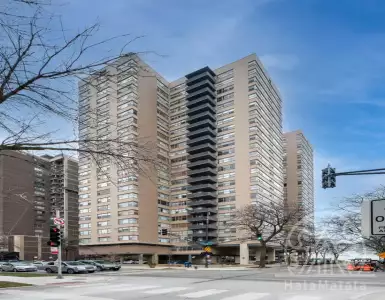



- The Midwest is an area to watch. Cities like Columbus (Ohio), Indianapolis, and Kansas City are showing outsized growth, helped by affordability, proximity to universities and stronger new-home activity.
- The Northeast and parts of the Midwest still suffer from inventory deficits and rising prices relative to local incomes.
- In the South and West, markets where policy has allowed more construction are generally more balanced.
For investors: consider market-level fundamentals rather than national headlines. Look for:
- Job growth and diversification
- A supply pipeline that matches incomes (not just luxury product)
- University towns and regional employment centers that support steady renter demand
We think Midwestern markets will attract more attention from both institutional investors and owner-occupiers seeking better yield and lower entry prices.
Risks and headwinds to keep in mind
The 2026 rebound is not guaranteed. Key risks include:
- Interest-rate volatility: if the Fed’s easing stalls or inflation surprises higher, mortgage rates could stay elevated, restraining demand.
- Structural supply constraints: zoning, land availability and labor shortages for construction can keep supply tight and push prices higher where demand is strong.
- Regional overheating: pockets that saw rapid new-home construction could face cyclical corrections if local job growth disappoints.
- Affordability gaps: middle-income buyers still face a long road back to pre-pandemic purchasing power — policy and targeted supply are required for meaningful progress.
Balanced analysis: we are optimistic about the directional improvement in activity, but cautious about the speed and evenness of that recovery. Investors should plan for multiple macro scenarios.
Practical strategies for buyers, sellers and investors
For buyers (first-time and move-up):
- Get mortgage pre-approval and consider rate-product options that permit refinance if rates fall.
- Expand market search to affordable Midwestern metros noted above, but vet local job and wage trends.
- Compare new construction vs. resale closely: builder incentives can give you negotiating power, but check long-term resale prospects.
For sellers:
- Price for the market. In a more balanced market sellers lose the pandemic-era leverage; staging, realistic pricing and flexibility on inspection contingencies matter.
- If you plan to buy your next home, time your sale to align with mortgage-rate movements and local inventory cycles.
For investors and developers:
- Target medium-density products and infill that face fewer zoning hurdles.
- In buy-to-rent plays, focus on submarkets with constrained for-sale options and stable rental demand.
- Watch builder incentives closely; temporary skews between new and resale prices can create tactical opportunities.
We believe disciplined, local-market focused investing will outperform broad market bets in 2026.
Policy and the long game: zoning, density and affordability
Multiple experts in the field point to a policy solution as the only long-term way out of the deficit: build more homes that align with incomes. That means:
- Modernizing zoning for medium-density housing such as townhomes and multiplexes.
- Streamlining approvals for infill development and accessory dwelling units where politically feasible.
- Encouraging public-private partnerships to underwrite infrastructure that enables dense, transit-oriented housing.
Absent meaningful zoning reform, supply will remain a drag on affordability — even if rates fall and sales rise.
Frequently Asked Questions
Q: Will home prices fall in 2026?
A: No major national price collapse is expected. Economists forecast modest home price growth of about 2–3% nationally. In some overheated local markets prices could cool more; in areas with persistent shortages prices could continue to rise slightly faster.
Q: How much would a rate drop from 7% to 6% matter?
A: A one-percentage-point fall could expand the buyer pool by about 5.5 million households, including 1.6 million renters who might become first-time buyers. Historically, roughly 10% of that expansion converts into purchases, or about 500,000 extra home sales.
Q: Are new homes cheaper than resales?
A: Unusually, yes in some markets. Builder incentives and the locations of new construction have produced a situation where the median newly built home price is lower than the median resale price. That has only happened a few times in recent decades.
Q: Which US cities should buyers consider for value in 2026?
A: The Midwest has several standout markets: Columbus (OH), Indianapolis, and Kansas City are highlighted by economists for affordability, growing employment hubs and outsized new-home activity.
Bottom line: prepare for a more balanced market — with caveats
The technical picture for 2026 is clear: more inventory (+20% YoY), slower price growth (2–3%), and an expected sales rebound (~14%). Mortgage rates will be the single largest swing factor; a decline from 7% to 6% could materially expand affordability and add roughly 500,000 sales based on historical conversion rates.
That said, a structural housing deficit and zoning constraints mean improvements will be uneven. Our analysis recommends acting with local data, flexible financing, and a readiness to pivot if rates or policy change. Investors should prioritize markets with supply pipelines that align to incomes. Buyers should focus on affordability by expanding their search areas and considering new-construction incentives.
Specific fact to end on: if mortgage rates fall to 6% in 2026, the potential buyer pool could grow by about 5.5 million households, a change large enough to reshape many local markets if inventory keeps pace.
We will find property in USA for you
- 🔸 Reliable new buildings and ready-made apartments
- 🔸 Without commissions and intermediaries
- 🔸 Online display and remote transaction

International Real Estate Consultant

Subscribe to the newsletter from Hatamatata.com!
Subscribe to the newsletter from Hatamatata.com!
Popular Posts

We will find property in USA for you
- 🔸 Reliable new buildings and ready-made apartments
- 🔸 Without commissions and intermediaries
- 🔸 Online display and remote transaction
International Real Estate Consultant

Subscribe to the newsletter from Hatamatata.com!
Subscribe to the newsletter from Hatamatata.com!
I agree to the processing of personal data and confidentiality rules of HatamatataPopular Offers

 3
3
 120
120
 5
143
5
143
 2
165
2
165
Need advice on your situation?
Get a free consultation on purchasing real estate overseas. We’ll discuss your goals, suggest the best strategies and countries, and explain how to complete the purchase step by step. You’ll get clear answers to all your questions about buying, investing, and relocating abroad.



Irina Nikolaeva
Sales Director, HataMatata