


After a Record 2025, Dubai Property Faces a New Risk — What Investors Must Do Now

Dubai’s boom meets geopolitics: a market at a crossroads
Dubai’s property surge was one of the clearest stories in global real estate in 2025, and yet the Iran–US tensions have introduced fresh uncertainty to a market that had been firing on all cylinders. As we look at the emirate from the perspective of someone who tracks global markets — including real estate USA comparisons for yield and stability — the question most buyers and investors ask is simple: is this a buying pause or the start of a wider correction?
The short answer: right now it looks like a pause in activity rather than a structural breakdown, but the depth of any adjustment will depend on how long the conflict lasts. We explain why, what parts of the Dubai property market are most at risk, and which strategies make sense for different types of investors.
What the 2025 records actually show
Dubai closed 2025 with headline numbers that are hard to ignore. According to widely cited figures in the market: total transactions crossed about 215,000 deals and sales values were estimated at roughly AED 680 billion (about $185–$190 billion). Residential activity alone recorded near-peak activity, with prime villa communities seeing price gains of between 20% and 40% over two years and rental yields averaging 6–8%, a meaningful premium over many gateway cities and significantly above returns in major Indian metros.
A few market observers offered even larger tallies: alternate reporting pointed to AED 917 billion (around $249 billion) in total transaction value and nearly 270,000 deals across all segments, reflecting the sometimes divergent ways volume is measured (broader commercial activity and off‑plan contract counts can inflate totals). I mention both sets of figures because they indicate consistent direction — deep liquidity and broad participation — even if headline totals vary.
Key structural features that supported 2025 growth
- Strong off‑plan demand, which has been a major driver of volumes
- A widening investor base, including more resident buyers and an expanding NRI cohort
- High rental yields, which attract income-seeking investors
- Policy incentives and a low-tax environment
Those same structural features now shape how the market might react when geopolitical risk rises.
How geopolitics translates into market mechanics
History shows Dubai’s market responds in phases. In past regional shocks the immediate effect was a fall in transaction volumes, followed later by price adjustments if the disruption was prolonged. Two past episodes frame the likely paths:
- 2019 regional tensions after the attacks on oil facilities produced a few quarters of slower activity but no deep price correction because the episode was short.
- 2020 pandemic shock produced a sharp volume collapse in Q2 and a subsequent price fall of roughly 5–10% before a strong rebound when liquidity returned.
From this we take two operational rules:
- Volumes slow before prices adjust. Market participants step back from decision-making first. That creates a window in which negotiation power increases for buyers.
- The scale of price correction depends on the duration of the shock. A short pause is unlikely to change long-term price trajectories; a multi-quarter geopolitical crisis can produce selective corrections, especially where supply and speculative capital are concentrated.
Analysts cited in market commentary say a 10–20% quarterly moderation in transaction volumes would be within historical precedent if tensions persist. That is not the same as saying prices will fall 10–20% — it means fewer deals for a quarter or two, and that slower market can create pressure on headline prices, especially in sensitive segments.
Which segments are vulnerable, which are resilient
Dubai’s market is layered. The risk is not evenly distributed.
-
Luxury homes: properties priced above 10 million dirhams are most exposed because they rely heavily on cross-border capital flows. When global risk is front-of-mind, large-ticket buyers delay or re-allocate capital. Expect negotiation leverage for buyers in prime villa communities if conditions persist.
-
Mid-market family housing: homes in the 1–3 million dirham range are more insulated. Demand here is stronger from residents and mortgage-backed buyers. Mortgage finance now accounts for roughly 40–45% of residential transactions in certain segments, providing a degree of structural stability that is absent in the ultra-prime market.
-
Rental market: high yields averaging 6–8% supported investor interest. That yield cushion can absorb some price volatility and continues to make buy-to-let strategies attractive relative to many global alternatives.
-
Off‑plan and developer-exposed inventory: a large portion of recent activity is off-plan. If buyer confidence weakens, developers are likely to extend payment plans and incentives to maintain sales velocity. That can mask headline price moves while slowing effective price growth on a per-cash-flow basis.
Put simply: liquidity-sensitive, cross-border capital dependent assets are most likely to show weakness first. Owner-occupier and mortgage-supported segments are more robust.
What this means for different investor profiles
For buy-and-hold income investors
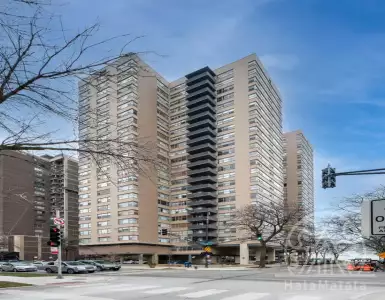
- The 6–8% rental yield backdrop is compelling when compared with many western markets, including real estate USA yield expectations in major cities where rental returns are often lower.





For speculative or short-term traders
- Timing risk has increased. If you chase recent capital gains in the ultra-luxury segment, be prepared for wider bid-ask spreads and a longer selling timeline if headlines stay negative.
For NRIs and foreign buyers
- The dirham’s peg to the US dollar provides currency predictability relative to many home markets. That remains an attraction for Indian buyers and NRIs, who face lower yields at home and currency volatility.
- However, geopolitical escalation raises timing risk; demand more substantial negotiation or pricing buffers.
For developers and brokers
- Expect a shift in buyer requests: more due diligence, longer decision cycles, and requests for flexible payment plans. Developers who can offer credible liquidity solutions will maintain faster sales velocity.
For institutional investors and funds
- Larger funds look at liquidity, leverage and exit routes. Right now there is no systemic liquidity freeze or credit shock, but sustained uncertainty could make institutions re-price risk premia and reduce leverage levels.
Tactical moves we recommend now (practical, experience-based)
- Prioritize mid-market assets in high-demand neighbourhoods for yield stability and shorter vacancy cycles.
- If you buy luxury stock, seek staged payment plans or developer-backed rental guarantees to reduce timing risk.
- Use current buyer caution to negotiate better terms rather than expecting deep headline discounts across the board.
- Validate mortgage availability: the fact that 40–45% of some residential transactions are mortgage-backed shows banks are participating. Confirm lending terms and stress-test scenarios where rates remain elevated or the buyer pool tightens.
- Track off‑plan delivery schedules and developer balance sheets; supply risk is as important as demand risk.
My direct take: now is a time for selective deployment of capital. For income-driven portfolios I favour assets with strong tenant demand and realistic yield expectations. For opportunistic buyers, focus on distressed negotiating leverage in luxury stock where cross-border flows might pause.
Indicators to watch in real time
- Transaction volume trends by segment: look for a 10–20% quarterly moderation as an early warning.
- Mortgage approval rates and bank lending spreads: any sudden tightening would be a red flag.
- Developer sales incentives and extended payment-plan announcements: these are soft signs that headline prices may not be translating into cash sales.
- Vacancy and rental growth metrics in target submarkets: these will show whether rental yields remain underpinned.
- Geopolitical event duration: the single largest determinant of market depth is whether the conflict is short or multi‑quarter.
Balanced risk assessment
There is legitimate cause for caution. Recent military incidents affecting Gulf infrastructure touched Dubai and Abu Dhabi, and that shifts sentiment quickly. At the same time, there are offsetting strengths: there is no present sign of a liquidity shortage, credit markets remain open, and the market’s heavy exposure to off-plan and resident demand creates a buffer.
This is not 2020 yet. The difference between a brief geopolitical episode and a prolonged crisis matters enormously. Short pauses in activity produce negotiation windows and modest correction; prolonged disruptions can produce selective price adjustments, especially at the top end.
Frequently Asked Questions
Q: Are Dubai house prices going to crash because of Iran–US tensions?
A: A crash is not the base case. Historical patterns show volumes drop first, and prices adjust later only if disruptions last multiple quarters. Expect a period of slower transactions and stronger buyer negotiation power; dramatic, market-wide price collapses require sustained, multi‑quarter stress.
Q: Which property segments should international buyers avoid right now?
A: Ultra-prime properties above 10 million dirhams are the most sensitive to cross-border capital pauses and headline risk. If you need short-term liquidity, avoid exclusive luxury stock that depends on global investor flows.
Q: Is now a good time for NRIs and Indian buyers to invest?
A: The arithmetic still looks attractive for many NRIs: rental yields of 6–8% compare well with returns in major Indian cities, and the dirham’s peg to the dollar reduces currency risk. But investors should price in timing risk and seek flexible payment plans or rental guarantees.
Q: What signs would indicate the start of a deeper correction?
A: Watch for sustained declines in mortgage approvals, a sudden spike in developer defaults or forced sales, or a multi‑quarter slump in transaction volumes beyond 10–20% per quarter. Those would be signals for broader price adjustments.
Conclusion — a practical takeaway for buyers and investors
Dubai’s 2025 cycle left the market with strong momentum, and current geopolitical tensions create a measurable pause in that momentum. The important practical point is this: if the conflict lasts longer than two quarters you should expect 10–20% moderation in transaction volumes in a quarter and selective price pressure in luxury segments; if it is shorter, the market’s structural demand and yield advantages should limit losses. Positioning now requires differentiating between segment risk, validating financing, and negotiating terms that protect timing risk. Make those calculations before you commit capital.
We will find property in USA for you
- 🔸 Reliable new buildings and ready-made apartments
- 🔸 Without commissions and intermediaries
- 🔸 Online display and remote transaction

International Real Estate Consultant

Subscribe to the newsletter from Hatamatata.com!
Subscribe to the newsletter from Hatamatata.com!
Popular Posts

We will find property in USA for you
- 🔸 Reliable new buildings and ready-made apartments
- 🔸 Without commissions and intermediaries
- 🔸 Online display and remote transaction
International Real Estate Consultant

Subscribe to the newsletter from Hatamatata.com!
Subscribe to the newsletter from Hatamatata.com!
I agree to the processing of personal data and confidentiality rules of HatamatataPopular Offers

 3
3
 120
120
 1
1
 1
31
1
31
 5
143
5
143
Need advice on your situation?
Get a free consultation on purchasing real estate overseas. We’ll discuss your goals, suggest the best strategies and countries, and explain how to complete the purchase step by step. You’ll get clear answers to all your questions about buying, investing, and relocating abroad.



Irina Nikolaeva
Sales Director, HataMatata