


Athens Rent Consumes a Quarter of a Programmer’s Pay — What This Means for Real Estate in Greece

Athens rent pressure: one programmer’s struggle tells a larger story
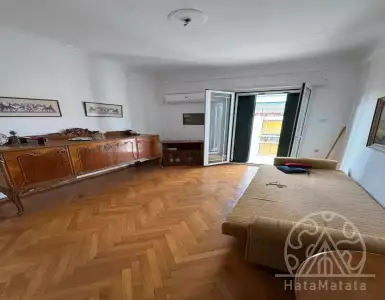
Real estate Greece is facing an affordability squeeze visible on the ground in central Athens. The experience of Nikolas, a 30‑year‑old programmer working in publishing, is a short, sharp example: with a net salary of roughly €1,200 per month he could not afford to rent alone in the city and now shares a 110 sq m apartment in Kypseli for €950 per month with two other men. His share of the rent is a little over a quarter of his income before utilities.
This is small-scale reporting with big implications. It forces us to ask: how does a rental market that pushes a software professional to share a centrally located apartment affect buyers, investors and long-term housing supply in Athens and across Greece? Our analysis parses the numbers, the strategies tenants use to cope, and what the situation means for different types of real estate actors.
What the case study reveals about affordability
Nikolas’s situation is simple to describe and revealing in calculation:
- Monthly net income: about €1,200
- Monthly rent for the apartment: €950
- Number of tenants: 3
- Nikolas’s monthly rent share: roughly €317 (950/3)
- Rent as share of income: approximately 26.4% of his net pay
- National benchmark: his salary is slightly below the Greek average of €1,480 gross (as reported)
That 26.4% figure is a blunt but useful measure. Many financial advisers use a 30% rent-to-income guideline to flag affordability pressure. On the face of it, Nikolas’s rent share is just under that threshold, but the raw number omits two things that matter: household bills, and the difficulty of affording a one‑bedroom alone. He says the rent is “completely disproportionate to salaries,” a direct quote that signals frustration shared by other tenants.
Why a single data point matters
This is one real person in one neighbourhood, but the combination of wage levels and rental asking prices is instructive for three reasons:
- It shows a narrowing space for single-earners seeking central-city accommodation.
- It highlights the spread of a co-living response: multiple unrelated adults sharing larger flats to stay within budget.
- It signals a potential structural stress on the rental market that could influence investor strategies and urban policy.
How tenants respond: shared flats, longer commutes, or moving out
When rent and salaries diverge, tenants adopt coping strategies. In Athens we see common patterns that apply to other cities with squeezed housing markets, and Nikolas’s choice is one of them.
Common tenant responses include:
- Sharing larger apartments among unrelated adults to split rent and bills.
- Accepting less central locations and longer commuting times in exchange for lower rent.
- Delaying household formation (postponing moving out, delaying family formation) to keep costs down.
- Taking on casual or gig work to top up income.
For investors and buyers, these responses change demand dynamics. Shared flats increase effective demand for larger units with multiple bedrooms; longer commutes shift demand to suburbs with different yield profiles. As journalists and analysts, we must treat anecdote as signpost rather than proof, but the signal is strong: central Athens rental affordability is tightening.
What the situation means for property buyers and investors
If you are considering property Greece as an investor or owner-occupier, the implications differ by strategy.
For buy-to-let investors:
- Demand for multi-bedroom units suitable for sharers may be stronger than for studio apartments intended for single occupiers. The Nikolas example is a single narrative indicating a market where renters prefer larger shared units to cut per-person rent.
- Rental yields are influenced by local wage levels and tenant affordability. When tenants’ incomes are constrained, there is limited room to push rents higher without increasing vacancy risk.
- Investors should factor in variable demand: tourist seasonality may boost short-term rental returns, but long-term stability depends on local incomes and tenant demographics.
For owner-occupiers and prospective buyers:
- Buying centrally may be out of reach for middle-income earners who cannot cover mortgage service and living costs without higher salaries or co-borrowers.
- Commuting trade-offs matter. Buyers who accept neighborhoods outside central Athens may find better affordability but must weigh transport, lifestyle and resale considerations.
For institutional investors and developers:
- There is scope for purpose-built rental housing targeting mid-income tenants who need shared or affordable units. Product design that responds to household size, common space, and utility cost allocation can attract stable tenants.
- But any development plan should include a risk assessment of regulatory changes, rent policy, and macroeconomic constraints on disposable income.
Risks and policy considerations every investor should assess
The Nikolas story highlights risks that any investor in real estate Greece must assess carefully.
Key risks include:
- Regulatory change: policymakers may react to affordability pressure with rent caps, tax changes or incentives for affordable housing.









We cannot predict policy moves from a single story, but prudence requires stress-testing assumptions about rental growth and occupancy. Use conservative vacancy rates and realistic tenant affordability assumptions when modelling cash flows.
Practical advice for tenants, buyers and investors
Drawing on this case and common market mechanisms, here is what different actors can do now.
For tenants and prospective renters:
- Compare total housing cost, not just rent: include utilities, internet and commuting in monthly calculations.
- Consider larger flats shared by more people if personal space is negotiable — it is often the only way to secure central accommodation on a mid-level salary.
- Negotiate lease terms where possible to include utilities or maintenance responsibilities; fixed, clearly apportioned costs reduce surprise expenses.
For buyers aiming for owner occupation:
- Budget conservatively. A mortgage payment plus common charges can quickly exceed rental equivalents.
- Explore suburban neighborhoods with robust transport links; lower purchase prices can offset longer commutes.
For investors:
- Product fit matters: build or buy units that match tenant demand profiles, such as multi-bedroom apartments for sharers or small family homes in commuter districts.
- Include sensitivity analysis in financial models for rent growth and vacancy. Base-case scenarios should reflect current salary levels like the ones described in the Nikolas example.
What this says about the wider Greek housing market (cautious take)
We must be careful not to generalise from a single anecdote, yet the anecdote aligns with other reporting that tenant affordability in Athens has become a political and social talking point. Evidence from tenants and local commentators points to the same experience: salaries that cover basic needs but leave little room for rent hikes.
For the market, that means:
- Investor demand for rental properties may persist if population and employment in the capital remain stable, but rent growth may be constrained by incomes.
- Developers focusing solely on high-end units aimed at luxury buyers or tourists may miss unmet demand for mid-market rental stock.
- Policymakers are likely to face mounting pressure to address affordability through incentives for affordable housing or changes to rental law.
These points are logical extensions of the circumstances described by tenants, including the explicit comparison to the national salary average.
How to model a rental opportunity in Athens now
If you are evaluating a rental investment, approach it with the following framework:
- Tenant affordability: assume tenants whose net incomes are similar to Nikolas’s will seek to keep rent below roughly 30% of net pay, and that many will prefer shared occupancy to reduce per-person cost.
- Unit type: multi-bedroom apartments near public transport may offer lower vacancy risk.
- Operating costs: factor in maintenance, taxes and periods of vacancy; do not rely on aggressive rent inflation.
- Exit scenarios: assess resale demand from both owner-occupiers and investors; consider how changes in wage growth or regulatory policy could affect liquidity.
This is practical, grounded modelling rather than wishful forecasting.
Local neighbourhood note: Kypseli as an example
Kypseli is the neighbourhood in Nikolas’s story. It is centrally located and commonly discussed in Athens housing debates as a neighbourhood where residents can find larger flats suitable for shared living. In this case, a 110 sq m apartment rented for €950 is a direct indicator of how central or near-central housing stock is being priced relative to incomes.
Buyers and investors should visit neighbourhoods personally and talk to local letting agents; advertised asking rents and real transactional prices can differ, and local knowledge informs both underwriting and negotiation.
Frequently Asked Questions
Q: How much of Nikolas’s income goes on rent? A: Nikolas pays about €317 a month in rent, which is approximately 26.4% of his €1,200 net monthly income, before paying his share of utilities and other bills.
Q: Is that rent-to-income ratio unsustainable? A: A rent share of around 26% is under the commonly cited 30% guideline, but sustainability depends on household bills, savings needs and other expenses. For many people on similar wages, paying for a single‑occupier apartment in central Athens is unaffordable, which is why shared living occurs.
Q: Does this mean investors should buy in Athens now? A: Investors should not make a decision based on one anecdote. Use conservative underwriting: focus on product-market fit, tenant affordability and regulatory risk. There is demand for rental housing, but returns depend on matching units to tenant budgets.
Q: What immediate steps can tenants take? A: Tenants can reduce housing cost pressure by sharing larger flats, negotiating tenancy terms, or considering neighbourhoods slightly further from the centre with good transport links.
Bottom line: an honest, specific takeaway
The story of Nikolas is straightforward: a 30‑year‑old programmer earning roughly €1,200 net cannot afford to rent alone in central Athens and shares a 110 sq m Kypseli apartment for €950, paying about €317 a month, or 26.4% of his net income, before bills. That is a concrete measure of affordability pressure and a practical signal for buyers and investors to model tenant incomes and product fit carefully when evaluating property Greece opportunities.
We will find property in Greece for you
- 🔸 Reliable new buildings and ready-made apartments
- 🔸 Without commissions and intermediaries
- 🔸 Online display and remote transaction

International Real Estate Consultant

Subscribe to the newsletter from Hatamatata.com!
Subscribe to the newsletter from Hatamatata.com!
Popular Posts

We will find property in Greece for you
- 🔸 Reliable new buildings and ready-made apartments
- 🔸 Without commissions and intermediaries
- 🔸 Online display and remote transaction
International Real Estate Consultant

Subscribe to the newsletter from Hatamatata.com!
Subscribe to the newsletter from Hatamatata.com!
I agree to the processing of personal data and confidentiality rules of Hatamatata
Need advice on your situation?
Get a free consultation on purchasing real estate overseas. We’ll discuss your goals, suggest the best strategies and countries, and explain how to complete the purchase step by step. You’ll get clear answers to all your questions about buying, investing, and relocating abroad.



Irina Nikolaeva
Sales Director, HataMatata