


Bali-Inspired Tempe Villa Sells for $6.6M — What This Means for Indonesian Design in Global Real Estate

Bali meets the Sonoran: a $6.6 million example of global design
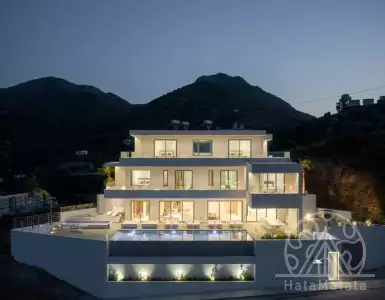
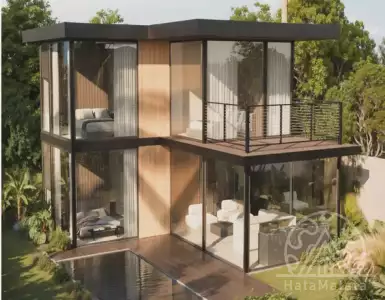
For readers tracking real estate Indonesia, the recent sale of a Bali-inspired estate in Tempe offers a clear illustration of how Indonesian design cues travel into international property markets. The newly completed Circle G Ranches home sold for $6.6 million and measures 6,480 square feet, blending Balinese resort aesthetics with contemporary desert technology in a way that investors and buyers should study closely.
This story is about a high-end U.S. sale, but the design choices and building systems have direct lessons for developers, expatriates, and investors interested in property Indonesia or in exporting Indonesian-style design to other markets. Below I unpack the house’s features, the operational implications of transplanting tropical ideas to an arid climate, and practical investment takeaways for those considering Bali-style projects at home or abroad.
What sold: facts on the Tempe estate
The home is in Tempe’s Circle G Ranches neighborhood and was listed and sold with representation by Shawna Perkins, Colt Stevens, and Mark Thomas. Key facts from the listing:
- Sale price: $6.6 million
- Size: 6,480 square feet
- Bedrooms/bathrooms: Five bedrooms, 5.5 bathrooms plus a private guest casita
- Ceiling height: 14-foot ceilings in primary living areas
- Kitchen: 16-foot island, Sub-Zero refrigerator, professional range, double dishwashers, built-in espresso machine
- Wine storage: glass-enclosed wine room that holds more than 300 bottles at 59 degrees
Those figures are precise, and they anchor the property in the top tier of custom-build luxury in Arizona. The design language references Bali resorts through materials and spatial relationships, while the infrastructure references modern desert living through HVAC, water filtration, and home automation systems.
Inside the house: finishes, layout, and amenities
Walkthroughs of this estate highlight a contrast many buyers find appealing: organic finishes and resort-style spaces combined with commercial-grade mechanicals.
Highlights include:
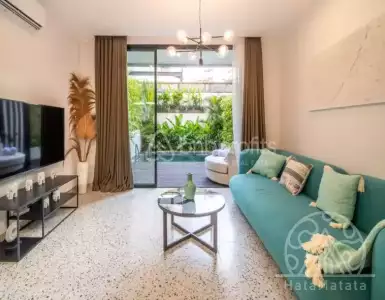
- High-end finishes: white oak floors, custom cabinetry, and hand-selected stone create a warm interior palette.
- Primary suite: dual private exits that open directly to the pool area, electronic shades, room for a personal gym, and a spa-like bathroom with a one-piece marble tub, steam shower, and dual vanities.
- Entertainment: an entertainment lounge with a video wall that flows visually toward the backyard oasis.
- Guest space: a separate casita with sitting area, full bath, and custom cabinetry for privacy and hospitality.
From a buyer’s perspective, these elements matter beyond aesthetics. High ceilings and open sightlines increase perceived volume and resale appeal. The separate casita gives flexibility for long-term visitors, rental, or multigenerational living. The wine room’s specific temperature setting (59 degrees) signals that the property was designed for collectors and serious entertainers.
Outdoor resort living and technical systems
The backyard is marketed as a private resort. Key outdoor features include:
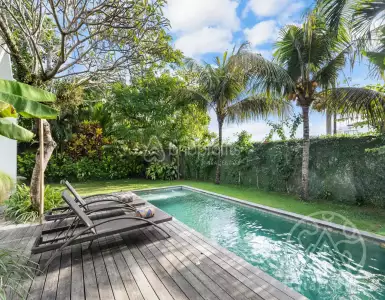
- Private pool with sun shelf
- Shaded cabanas and a daybed pavilion
- Pickleball court
- Jacuzzi and sauna
- Multiple fireplaces and a surround-sound system
- Outdoor kitchen with beverage coolers, fire features, and a misting system
Operationally, the property was built with high-capacity systems to support comfort and durability in an arid climate. Notable technical items:
- Control4 smart home system with eight-camera surveillance
- Five indoor and outdoor gas fireplaces
- Commercial-grade water filtration with whole-home reverse osmosis
- Three 5-ton Lennox AC units with air purification features
- 1,500-square-foot attic equipped with an 800-pound lift
Those details matter for anyone thinking about importing tropical design into dry regions. A Balinese aesthetic often assumes humidity and a certain plant palette; keeping imported materials stable and guests comfortable in a desert requires substantial HVAC and water infrastructure. The listing includes those systems explicitly, and buyers should budget ongoing operating costs accordingly.
Why Balinese design travels — and why Indonesia’s property market matters here
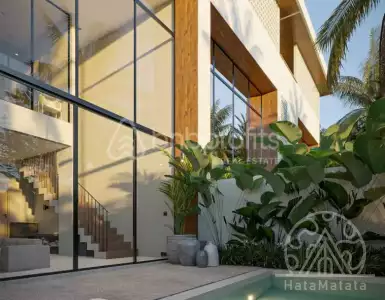
Balinese architecture relies on indoor-outdoor transitions, natural materials, and a human scale of detail. That sensibility has been attractive to luxury buyers from Los Angeles to Bali’s northern beaches. This Tempe estate translates those ideas into a desert idiom: shade pavilions rather than open-air pavilions, misting systems to simulate humidity, and durable finishes suited to Arizona sun.
For people interested in real estate Indonesia, several points are relevant:
- The global appetite for Indonesian or Bali-inspired design increases the value of authentic Indonesian craftsmanship and brand associations. Buyers who want a credible Bali look in the U.S. expect genuine materials and bespoke joinery.
- Developers in Indonesia can export design services and branded concepts to well-heeled buyers abroad. There is market value in design origin when it is executed and maintained.
- Climate adaptation is essential. What works in a tropical island climate needs mechanical augmentation in arid or temperate markets. That raises capex and operating costs.
In short, a design rooted in Indonesia can be a selling point for upscale international properties, but the economics depend on how the design is adapted and what technical systems are integrated to keep that aesthetic functional.
Investment and buying implications: what this sale means for investors
We should be honest: a $6.6 million sale in Tempe is not a template for all luxury transactions. It is, however, a useful case study in premium build decisions and buyer expectations.
 5
5
 5
5
 360
360
 2
2
90
2
2
90
 2
2
130
2
2
130
 2
2
163
2
2
163
 9
9
1474
9
9
1474
What this house tells us about buyer preferences
- There is demand for international design influences when they are paired with modern conveniences and robust systems.
- Buyers at this level expect entertainment-ready infrastructure: dedicated wine storage, high-end kitchen appliances, home automation, and outdoor amenities that work year-round.
- Privacy and flexible guest accommodations matter; the inclusion of a separate casita expands use cases for owners.
Due diligence checklist for Bali-inspired luxury properties (especially relevant for property Indonesia developers and overseas buyers):
- Inspect mechanical systems: Are AC tonnage, filtration, and dehumidification sized for both comfort and the preservation of tropical materials?
- Verify water systems: Misting systems, pools, and landscaping increase water use; what are the local water restrictions or costs?
- Confirm maintenance expectations: Natural stone, white oak, and custom joinery often need specific care in dry climates.
- Assess security and automation: Smart home systems such as Control4 are standard at this price; confirm integration scope, camera counts, and ongoing service fees.
- Review energy costs: Multiple large AC units and outdoor heating features (fire features, fireplaces) increase operating expenses.
Risk and reward
- Reward: A well-executed Indonesian design can command premium pricing and attract lifestyle buyers who care about authenticity and resort living.
- Risk: High operating and maintenance costs can erode long-term returns if the market shifts or if the owners underestimate running expenses. In an arid location, water and HVAC are the variable costs to watch.
Practical advice for developers and buyers linked to Indonesia
If you are a developer in Indonesia thinking about licensing Balinese design overseas or an investor considering Bali-inspired properties, here are some practical, experience-driven pointers from our analysis:
- Standardize technical packages. Buyers expect more than aesthetics; they want a systems package that includes HVAC, water treatment, and automation. Making those systems part of a standard offer reduces friction.
- Document maintenance protocols. Provide owners with clear maintenance schedules for woodwork, stone, and outdoor features. That transparency reduces surprises at resale.
- Think about climate translation. For arid or cold markets, design adjustments are not optional. Enclose elements that would be open in Bali, specify UV-resistant finishes, and include dehumidification where necessary.
- Price operating costs into pro forma models. For investors, the headline price is only part of the cash flow story. Anticipate higher utility and service bills for properties that replicate tropical amenities outside the tropics.
Market positioning: where authenticity pays and where it doesn’t
Authenticity in design can be a differentiator in luxury segments; buyers at the top end buy story and craftsmanship as much as square footage. That said, authenticity has diminishing returns if the context is wrong. A Bali-style pavilion in a rainy northern climate may require so much mechanical adaptation that the authenticity is lost in mitigation.
For property Indonesia stakeholders, the takeaway is this: sell the origin together with the technical solution. If you market Balinese joinery, pair it with explicit specs showing how it will be preserved in the buyer’s climate.
Frequently Asked Questions
Q: How does a Bali-inspired house function in an arid climate like Arizona’s?
A: It functions by combining shading strategies and high-capacity mechanical systems. The Tempe estate uses shaded pavilions, a misting system, and three 5-ton Lennox AC units with purification features to create a controlled indoor-outdoor feeling that preserves tropical materials.
Q: What are the main cost drivers for operating a luxury Bali-style property outside Indonesia?
A: The largest ongoing costs are HVAC (to control temperature and humidity), water use for pools and misting systems, and maintenance for natural materials. This particular property includes commercial-grade water filtration with whole-home reverse osmosis and multiple fireplaces and outdoor features that add to operating expenses.
Q: Can Indonesian craftsmanship add measurable value to a property abroad?
A: Yes, when authenticity is verifiable and paired with quality execution. Buyers pay premiums for credible design origins, but the premium depends on the execution and the property's operational viability in its market.
Q: What should an investor check when buying a high-end property with a separate casita?
A: Confirm separate utilities or the ability to meter usage, confirm privacy features and sound separation, and verify that the casita’s systems (HVAC, plumbing) are integrated into the main house service plan. Casitas add rental and family-use flexibility but require clear utility and insurance arrangements.
Final assessment: practical takeaway for buyers and investors
The Tempe sale at $6.6 million is a reminder that design provenance matters, but it must be backed by engineering and serviceability. If you are evaluating Bali-inspired projects in non-tropical markets or considering real estate Indonesia products for export, budget for robust HVAC, water treatment, and maintenance. This property’s hard specs — the Control4 system with eight cameras, three 5-ton AC units, and commercial water filtration — are not optional extras; they are part of what makes the aesthetic liveable and saleable in a desert setting.
If you take one concrete lesson from this sale, it is this: bring the design, then bring the systems. That combination is what buyers are paying for at the top end of the market.
We will find property for you
- 🔸 Reliable new buildings and ready-made apartments
- 🔸 Without commissions and intermediaries
- 🔸 Online display and remote transaction

International Real Estate Consultant

Subscribe to the newsletter from Hatamatata.com!
Subscribe to the newsletter from Hatamatata.com!
Popular Posts

We will find property for you
- 🔸 Reliable new buildings and ready-made apartments
- 🔸 Without commissions and intermediaries
- 🔸 Online display and remote transaction
International Real Estate Consultant

Subscribe to the newsletter from Hatamatata.com!
Subscribe to the newsletter from Hatamatata.com!
I agree to the processing of personal data and confidentiality rules of HatamatataPopular Offers
 0
0
 4
38
4
38
 2
96
2
96
Need advice on your situation?
Get a free consultation on purchasing real estate overseas. We’ll discuss your goals, suggest the best strategies and countries, and explain how to complete the purchase step by step. You’ll get clear answers to all your questions about buying, investing, and relocating abroad.



Irina Nikolaeva
Sales Director, HataMatata