


Brand-new coastal homes in Spain all under €300,000 — where to look and what to check

Find affordable coastal property in Spain without losing common-sense checks
If you are searching for property in Spain, there are fresh new options that could match a modest budget while still delivering seaside living. A recent curated selection highlights brand-new apartments, townhouses and even small villas priced under €300,000 on several of Spain’s most popular coastlines. That price ceiling makes coastal ownership more accessible than many expect, but our analysis shows buyers still need to be selective and prepared.
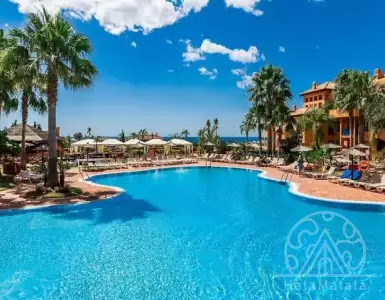
Buying coastal real estate is emotional: sun, sea and the idea of rental income can move decisions fast. We want to be clear — the facts in the original selection are straightforward: developments along the Costa del Sol, Costa Blanca, Costa Brava and Costa de la Luz are listed as new-build options priced below €300,000, many with communal gardens, swimming pools, private parking and direct beach access. We examine what this means for buyers, where the opportunities and limitations are, and how to evaluate each deal like a professional.
Where the budget-friendly new builds are concentrated
Developers are marketing new housing across a wide number of Spanish provinces. The original listing covers multiple provinces; buyers will find options in areas such as Alicante, Málaga, Cádiz, Murcia, Valencia, Almería, Las Palmas, Cantabria, Pontevedra and A Coruña. Each coast and province has distinct market dynamics that affect value, running costs and potential returns.
Costa del Sol (Málaga) — mainstream demand, wide range
The Costa del Sol remains a major draw for northern European buyers and holiday renters. Within the under €300,000 bracket you will mostly find:
- New apartments and some townhouses in peripheral towns rather than prime beachfront in Marbella or Puerto Banús.
- Amenities such as communal pools and parking are common; direct beach access is rare among the cheapest units but not unheard of in smaller developments.
What this means for buyers: expect steady demand for holiday rentals in many locations, but check the exact neighborhood and access. A short commute to tourist hotspots can boost occupancy yet still keep purchase price lower.
Costa Blanca (Alicante and Valencia provinces) — variety and infrastructure
The Costa Blanca offers the broadest range of budget new builds. Here you will find:
- Apartments and townhouses in coastal towns and commuter-friendly inland communities.
- Many developments include communal gardens and pools, and some are marketed with direct access to beaches.
What this means for buyers: good road and airport connections across Alicante and Valencia provinces help both long-term living and short-term rentals. Still, micro-location is crucial — proximity to amenities, public transport and local services matters for resale.
Costa Brava (Girona) — pricier pockets but bargains exist
Parts of the Costa Brava remain expensive, particularly near the well-known tourist towns. Yet the original selection indicates there are new-builds below €300,000. Expect:
- Smaller apartments or off-peak-town properties.
- Developments that emphasize design and energy efficiency.
What this means for buyers: bargains in the Costa Brava will likely require compromise on size or centrality. For buyers seeking year-round rental income, focus on towns with stable tourist seasons.
Costa de la Luz (Cádiz, Huelva) — more space and lower entry prices
The Costa de la Luz is often less expensive than other Spanish coasts. New-builds under €300,000 may include:
- Townhouses and villas closer to residential communities.
- More frequent direct beach access in smaller developments.
What this means for buyers: you may get more space for the money, but check local infrastructure and seasonal demand before assuming high rental yields.
Types of new-builds on offer and typical amenities
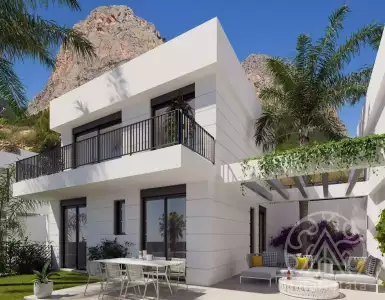
The original selection emphasizes three product types: apartments, townhouses and villas. Standard developer features in this price bracket often include:
- Communal gardens for low-maintenance outdoor space.
- Swimming pools — nearly ubiquitous in coastal developments.
- Private parking or underground garages.
- Direct beach access in some beachfront developments.
From a buyer’s standpoint, these amenities improve marketability. However, they add recurring costs: community fees, pool and garden maintenance, and sometimes guard services.
Costs beyond the purchase price — what to budget for
The headline price of under €300,000 is attractive, but buyers need a complete cost picture. Typical additional costs and recurring expenses include:
- Transaction taxes and notary fees — paid at closing.
- Community fees (comunidad) — cover upkeep of pools, lifts and gardens.
- Property IBI (municipal tax) and garbage collection fees.
- Utility setup and recurring charges for electricity, water and internet.
- Occasional special assessments for building repairs or upgrades.
I recommend asking the developer or seller for the most recent comunidad accounts and any upcoming works. These documents tell you whether the building runs a surplus or is relying on special levies.
Legal and practical steps for foreign buyers
Spain has a clear process for foreign purchasers, but you should prepare in advance. From our experience advising buyers, the typical practical steps are:
- Obtain a NIE (Número de Identidad de Extranjero) — required for transactions and tax purposes.
- Open a Spanish bank account to handle deposits, mortgage payments and ongoing bills.
- Review the reservation contract and the private purchase contract before signing; Spanish pre-sale contracts may require a deposit.
- Check that the development has a final licence of first occupation (licencia de primera ocupación) before completion — this is essential to inhabit or legally rent the property.
- Confirm utility connections and whether the property is on the cadastre and registered cleanly in the Registro de la Propiedad.
We advise working with a bilingual lawyer who specializes in Spanish real estate to review contracts, perform title searches and confirm no encumbrances exist.
Financing: mortgages and developer terms
Many non-resident buyers secure Spanish mortgages; typical features to consider:
- Lenders usually offer up to 70%–80% of the purchase price for non-residents on primary residences and lower loan-to-value for second homes.
- Interest rates depend on lender, loan term and whether the mortgage is fixed or variable.
- Developers sometimes offer staged payment plans during construction; review penalties for delays or cancellation clauses.
If you plan to finance, get a mortgage agreement in principle before reserving a property.


Rental potential and investment considerations
Buying a new coastal property under €300,000 can be an investment or a lifestyle purchase. We assess the potential with caution:
- Short-term holiday rentals can deliver seasonal income but require management, marketing and compliance with local rental licences.
- Long-term rentals provide stability but usually lower gross yields than holiday lets in peak seasons.
- New-builds with modern fittings and communal amenities generally attract higher rents and lower maintenance for the first few years.
Key investing advice: model conservative yields that account for community fees, taxes, insurance, vacancy and management costs. Speak to local letting agents to verify achievable nightly rates and occupancy levels.
Location-specific risks and due diligence
Each coastal area has its own risks. We recommend these specific checks:
- Flooding and erosion risk: request coastal management reports and check whether the property is in a flood plain.
- Building warranty: Spanish law provides a 10-year structural warranty for new builds; confirm the warranty provider and coverage.
- Tourist licence restrictions: some municipalities regulate short-term rentals tightly; verify local rules before assuming holiday-let income.
- Developer track record: for off-plan purchases, research the builder’s history and completion rates.
A failure to perform these checks is the most common regret we see from buyers tempted by marketing images.
How to view, compare and decide
When you shortlist properties, use a consistent checklist to compare offers:
- Price and payment schedule
- Exact plot or apartment orientation and sea views
- Build quality and finishes
- Community fee level and budget for next two years
- Distance to nearest beach, transport links and services
- Title status and occupancy licence
Visiting in person is vital. Photographs and floorplans are useful, but the smell, noise levels and sunlight at different times of day will often determine whether a purchase is right for you.
Practical tips for expats and seasonal residents
From experience advising expats, these practical steps help reduce hassle:
- Register with the local town hall (empadronamiento) if you will spend significant time in Spain; it matters for healthcare and local services.
- Arrange home contents insurance that covers seasonal rental if you intend to let the property.
- Hire a local property manager if you live abroad — they handle cleaning, check-ins and emergencies.
- Budget for occasional travel and contingency funds for urgent repairs.
Balanced assessment — opportunity with caveats
The availability of brand-new coastal apartments, townhouses and villas priced under €300,000 across Spain’s coasts is an opportunity. For buyers seeking affordable access to seaside living, this price band is attractive. My reading of the market is practical: these properties can be good value if you do the paperwork, confirm licences and understand recurring costs. They are not a guarantee of easy profits or passive income.
Be especially sceptical of listings that make bold rental or yield claims without supporting local data. The most reliable outcomes come from buyers who combine personal use with realistic rental expectations and a careful legal and financial check before signing.
Frequently Asked Questions
Q: Are there new beachfront properties in Spain under €300,000? A: Yes. The curated selection includes some developments that advertise direct beach access and prices under €300,000, but beachfront units at that price are usually smaller or located in less central towns. Always verify beach proximity and any public access restrictions.
Q: Can foreign buyers get a mortgage in Spain for these properties? A: Foreigners can obtain mortgages in Spain. Lenders typically offer lower loan-to-value ratios for non-residents and may require documentation such as proof of income, tax returns and a Spanish bank account. Get pre-approval before committing to a purchase.
Q: What are typical running costs for a coastal new build? A: Expect community fees for pools and gardens, municipal taxes (IBI), water and electricity, and insurance. Community fees vary widely by development; ask for the latest annual accounts to see actual costs.
Q: Is it safe to buy an off-plan new-build in Spain? A: Off-plan purchases are common but require precautions. Check the developer’s track record, ensure contracts stipulate completion timelines and penalties for delay, and confirm that the developer holds funds in an escrow account as required by Spanish law.
We end with a specific practical takeaway: if you are serious about owning coastal property in Spain for under €300,000, secure a viewing, a Spanish lawyer and a mortgage agreement in principle before you pay a reservation deposit — those three steps protect your money and keep options open.
Tags
We will find property in Spain for you
- 🔸 Reliable new buildings and ready-made apartments
- 🔸 Without commissions and intermediaries
- 🔸 Online display and remote transaction

International Real Estate Consultant

Subscribe to the newsletter from Hatamatata.com!
Subscribe to the newsletter from Hatamatata.com!
Popular Posts

We will find property in Spain for you
- 🔸 Reliable new buildings and ready-made apartments
- 🔸 Without commissions and intermediaries
- 🔸 Online display and remote transaction
International Real Estate Consultant

Subscribe to the newsletter from Hatamatata.com!
Subscribe to the newsletter from Hatamatata.com!
I agree to the processing of personal data and confidentiality rules of HatamatataPopular Offers
 1
1
 1
1
 61
61
 1
2
83
1
2
83
 1
1
65
1
1
65
Need advice on your situation?
Get a free consultation on purchasing real estate overseas. We’ll discuss your goals, suggest the best strategies and countries, and explain how to complete the purchase step by step. You’ll get clear answers to all your questions about buying, investing, and relocating abroad.



Irina Nikolaeva
Sales Director, HataMatata