


Bulgaria’s Housing Boom Cools: What a 5–10% Rise in 2026 Means for Buyers and Investors

Panic Buying is Ending — What the 2026 Outlook Means for the real estate Bulgaria market
If you follow the real estate Bulgaria market, the message for 2026 is straightforward: the era of panic buying is over and growth is returning to more normal footing. After peak price surges in 2024–2025, analysts now expect a slowdown that will change where and how investors allocate capital, and how owner-occupiers time purchases.
This is not a collapse. Instead it is a transition from double-digit annual jumps to single-digit or low double-digit growth. That matters to anyone weighing a purchase or refinancing plan this year.
What the official numbers say: moderation, not reversal
Experts quoted in recent market commentaries expect national housing price growth of between 5% and 10% in 2026 compared with 2025. In Sofia the forecast is higher, at about 8–12%. Those forecasts follow the intense run-up that peaked in 2024–2025.
Key figures you should know:
- Average Sofia price: EUR 2,487 per sq. m.
- Elite Oborishte borough: up to EUR 3,764 per sq. m.
- Burgas price jump in 2025: nearly 26% year on year.
- Construction and installation costs rose by 15–18% in 2025.
- Total started construction area in 2025: 8.6 million sq. m gross floor area, up 7.5% on 2024. That was the second-largest annual volume in the last 22 years, trailing 2007 by 1.1 million sq. m.
Those are not casual figures. They explain why price growth will continue but at a slower pace.
Supply dynamics: lots of starts, concentrated delivery
The pipeline is active. Preliminary data for 2025 show 8.6 million sq. m of new construction starts, a 7.5% increase from 2024. For context, the only year in the last 22 with higher starts was 2007.
What this means on the ground:
- New-build activity is concentrated in Sofia and major regional centres such as Plovdiv, Varna, Burgas, Stara Zagora, Pleven, Ruse, Haskovo and Kazanlak.
- Developers are focusing on two-room and three-room layouts in urban projects. This mirrors demand from young households, small families and investors targeting rental markets.
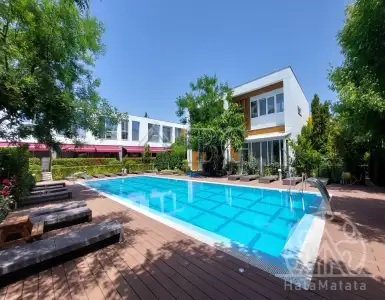
- Holiday and suburban housing is expanding. Private houses and large residential complexes near major cities are now active parts of the market.
The sheer volume of starts reduces the risk of supply shortages in some segments, but the quality gap remains. That is a central reason for continued price support: there is a shortage of modern, high-quality homes that meet contemporary energy and finish standards.
Cost pressures: the real driver of price rises
If you want to understand why prices are still rising even as buyer frenzy fades, look at the cost base. Construction and installation costs rose 15–18% in 2025. Analysts expect material prices and labour costs to climb further at the start of 2026, influenced in part by Bulgaria’s recent entry into the eurozone.
Why that matters:
- Developers normally pass cost increases forward. When steel, concrete, insulation and wages go up, finished prices follow.
- Higher build costs raise minimum viable sale prices for new projects, which is why the normalisation of buyer behaviour does not immediately translate into falling prices.
- Financing conditions matter. Cheap financing has been a growth engine. If that changes, projects under construction with tight margin assumptions could face delays or redesigns.
We see the effect today in stronger price resilience for new builds compared with resale apartments. Buyers who prioritize lower immediate cost may find better opportunities in the secondary market, while investors who expect rental demand and capital growth may still prefer new construction, despite higher prices.
Where growth will be strongest: cities, new builds and coastal hubs
The pattern for 2026 is clear: price growth will be uneven and concentrated.
Top pockets to watch:
- Sofia: Forecast 8–12% growth. The capital remains the primary driver of national averages because of household income growth, jobs and limited central land. The average price already sits at EUR 2,487 per sq. m.
- Plovdiv, Varna and Burgas: Expect continued increases but slower than the spikes of 2025. Burgas recorded a near 26% rise in 2025, and that kind of volatility is unlikely to repeat.
- Holiday and suburban markets: Coastal areas and settlements near major cities are seeing increased private house development and large residential complexes.
If you are buying for rental income, target central and well-connected locations in Sofia and regional centres where employment and university demand support year-round occupancy. For holiday rentals, the Black Sea corridor will still attract tourists and buyers, though 2025’s hot pace is unlikely to repeat.
Practical advice for buyers and investors
We have five practical takeaways based on current data and market mechanics.
-
Timing matters. With price growth expected to slow to 5–10% nationally, there is less urgency than during the panic-buying phase. That gives buyers room to compare product quality and negotiate on fit-out or payment schedules.
-
New builds command premiums. Expect most of the 2026 price increase to come from newly built housing, particularly in capitals and large cities. Factor in higher build costs when evaluating developer pricing and projected margins.
-
Do the numbers on financing. Cheap financing has been a tailwind.

 1
1
 1
1
 57
57
 2
2
90
2
2
90
 1
41
1
41
 1
1
68
1
1
68
Look beyond headline prices. A borough like Oborishte at EUR 3,764 per sq. m is a different market than peripheral Sofia areas or smaller cities. Consider maintenance fees, property taxes, resale prospects and tenant demand when calculating total returns.
Suburban houses are now mainstream. Smaller towns and settlements near big cities are seeing private house construction and large residential complexes. These can offer lower per-sq.m prices but expect longer sales cycles and variable rental demand.
We recommend hiring an independent surveyor for new-build quality checks, and using indexed comparisons for prices per sq. m across neighbourhoods before committing.
Risks and fragility: where this story could change
Not every trend is one-way. Pay attention to these risks:
- Construction cost volatility. If materials or labour costs spike beyond current forecasts, developers will raise prices or delay projects.
- Credit conditions. Markets have been powered by inexpensive loans. An abrupt shift in lending policy or mortgage rates can cool demand quickly.
- Overbuilding in mid-market segments. A large volume of similar two- and three-room apartments could create supply bottlenecks for specific typologies, pushing some developers to compete on price.
- Localised tourism cycles. Burgas and Varna are exposed to holiday demand. Tourism shocks or lower visitor numbers will affect holiday rental returns.
An honest assessment is that the market has less tail risk of an abrupt fall than it did in panic months, but more segmentation risk. Some segments will outperform, others will lag.
What investors should watch in 2026
Key data points and indicators we will follow:
- Quarterly construction cost indices, especially for materials and labour.
- Building permits and started GFA figures. The 2025 starts volume at 8.6 million sq. m is a baseline; a sharp change in starts will signal shifts in developer confidence.
- Mortgage approvals and average lending rates. These indicate whether demand is supported by credit.
- Price moves in Sofia boroughs and coastal towns. If Sofia continues at 8–12% while regional markets slow, reallocation to capital stock may be sensible.
Use these indicators to adjust exposure between new-builds, resale apartments and holiday properties.
How eurozone entry changes the picture
Bulgaria’s adoption of the euro is a structural change with multiple effects on real estate. Experts cite eurozone accession as a major driver for construction activity over the coming decade. The immediate impacts are:
- Perception shift among foreign investors about currency and macro stability. That can attract more capital.
- Short-term price pressure through higher construction input costs and labour demand.
- A recalibration of mortgage markets and cross-border capital flows that could make Bulgarian property more comparable to neighbours in terms of financing and risk pricing.
We expect euro adoption to be a net positive for long-term investment sentiment, but it will also raise short-term costs and push developers to reprice projects.
Final assessment: steady growth, selective opportunity
The market in 2026 is moving from frenzy to selectivity. The headline forecast of 5–10% national price growth and 8–12% in Sofia is consistent with continued demand, higher construction costs and a strong development pipeline that recorded 8.6 million sq. m of new starts in 2025.
For buyers and investors that means:
- Less need to rush, more need to be discerning.
- Premiums for new-build and well-located stock will likely persist because of higher build costs and limited high-quality supply.
- Suburban houses and holiday properties will keep attracting interest, but these require careful underwriting of rental and resale potential.
If you plan to act in 2026, focus on quality, neighbourhood fundamentals and credible developer track records. Always run sensitivity checks on financing costs and completion timelines.
Frequently Asked Questions
Q: Will prices fall in Bulgaria in 2026?
A: No widespread fall is expected. Analysts forecast national price growth of 5–10% in 2026 compared with 2025, with Sofia up 8–12%. The slowdown refers to lower growth rates compared with the double-digit spikes of 2024–2025.
Q: Is it better to buy new construction or resale property now?
A: New builds are likely to lead price growth due to higher construction costs (15–18% in 2025) and developer pricing. Resale apartments may offer better negotiation room, but quality and energy efficiency vary. Choose based on cash flow needs, timing and tolerance for construction risk.
Q: How does euro adoption affect property investment in Bulgaria?
A: Euro adoption is changing investor perceptions of currency and risk and contributes to higher construction input costs in the short term. Longer term it should support more cross-border investment and easier borrowing from euro-denominated lenders.
Q: Where should investors focus within Bulgaria?
A: Prioritise Sofia for capital growth and rental demand, with attention to borough-level price differences such as Oborishte at EUR 3,764 per sq. m. Regional centres like Plovdiv, Varna and Burgas remain attractive, especially for rental and holiday markets, but assess local demand and the risk of over-supply in certain apartment types.
End note: watch construction starts, mortgage flows and material cost indices; the market’s 2026 path will follow those numbers closely.
Tags
We will find property in Bulgaria for you
- 🔸 Reliable new buildings and ready-made apartments
- 🔸 Without commissions and intermediaries
- 🔸 Online display and remote transaction

International Real Estate Consultant

Subscribe to the newsletter from Hatamatata.com!
Subscribe to the newsletter from Hatamatata.com!
Popular Posts

We will find property in Bulgaria for you
- 🔸 Reliable new buildings and ready-made apartments
- 🔸 Without commissions and intermediaries
- 🔸 Online display and remote transaction
International Real Estate Consultant

Subscribe to the newsletter from Hatamatata.com!
Subscribe to the newsletter from Hatamatata.com!
I agree to the processing of personal data and confidentiality rules of Hatamatata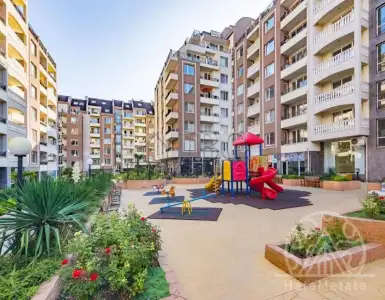
Need advice on your situation?
Get a free consultation on purchasing real estate overseas. We’ll discuss your goals, suggest the best strategies and countries, and explain how to complete the purchase step by step. You’ll get clear answers to all your questions about buying, investing, and relocating abroad.



Irina Nikolaeva
Sales Director, HataMatata