


Buyers Take Control: Miami Tops List of U.S. Metros Where Homes Sit Nearly a Year

Why the real estate USA market is suddenly giving buyers the upper hand
If you have been watching the real estate USA market closely, the shift that closed out 2025 is hard to ignore. Inventory swelled, listing times lengthened and price flexibility increased in several Sun Belt and Western metros—turning more cities into what Realtor.com calls buyer’s markets. For house hunters and investors that means more negotiating power, but also more screening work and longer timelines.
The data driving this story is clear and specific. Researchers at Realtor.com analyzed November 2025 sales and listing data across the 50 largest U.S. metros and used the months-of-supply metric to rank market conditions. The headline: 18 metros now have more than six months of supply, with Miami leading at 11.5 months. That is the most extreme example: at that pace it would take nearly a year to sell all current listings in the city.
What “months of supply” actually measures
Months of supply is a simple but powerful indicator: it estimates how many months it would take to clear current inventory at the existing sales pace, counting both pending and active listings. Market classification by that metric is straightforward:
- Below 4 months of supply = seller’s market
- 4–6 months = balanced market
- Above 6 months = buyer’s market
Realtor.com used November 2025 data from its public records database plus MLS figures where available to compute these values. The result is a geographic snapshot of where supply growth is altering bargaining power.
What the numbers show: top buyer’s markets and how far they’ve moved
Here are the top 10 metros with the greatest months of supply based on November 2025 data and their January median list prices:
- Miami, FL — Months of supply: 11.5 — January median list price: $500,000
- Austin, TX — 10.5 — $455,000
- Orlando, FL — 8.2 — $415,000
- Tampa, FL — 7.9 — $399,727
- New York, NY — 7.7 — $749,000
- Las Vegas, NV — 7.4 — $465,000
- Riverside, CA — 7.4 — $585,000
- Nashville, TN — 7.3 — $525,000
- Jacksonville, FL — 7.2 — $375,000
- Atlanta, GA — 7.1 — $400,000
Several takeaways from this list matter for buyers and investors:
- Florida dominates the top spots: Miami, Orlando, Tampa and Jacksonville are all on the list. That signals a regional correction after the pandemic-era price surge.
- High-price markets can still be buyer’s markets. Miami has the most $1 million-plus listings in the U.S. and a January median list price of $500,000, yet it is the top buyer’s market because listings are piling up and sales are slowing.
- New entrants matter. Riverside, California enters the top 10 for the first time at 7.4 months, driven in part by a rise in delistings as sellers withdraw properties that aren’t meeting price expectations.
Why these metros flipped: the forces behind the shift
There are several overlapping reasons why the balance of power has shifted to buyers in many Sun Belt and Western metros.
-
Pandemic surge and correction: Many Florida markets saw dramatic price increases during the COVID-19 period when demand soared. As Realtor.com senior economist Jake Krimmel put it, the issue now is “price pressures and the direction the market is headed, not about the absolute level of prices.” In plain terms, high prices do not reset overnight; they simply stop accelerating and then inventory catches up.
-
Rising holding costs: In Florida, homeownership costs that feed into affordability have risen, including insurance premiums, condo or HOA dues and construction costs for maintenance. These add to buyers’ calculus and can reduce qualified demand.
-
Higher interest rates and inflation: Elevated mortgage rates and broad inflation reduced buying power for many households, extending listing times and making sellers more likely to negotiate.
-
Inventory growth and delistings: In some metros—Riverside is a notable example—sellers are pulling listings after failing to secure the price they sought. That creates churn and more visible inventory over the short term.
The result is not a uniform collapse in prices but a rebalancing: homes sit longer, and buyers can push for concessions that were rare two years ago.
What this means for buyers: practical steps and opportunities
If you are shopping for property in one of these metros, this environment rewards preparation, patience and negotiation. From interviews with broker Cara Ameer and the Realtor.com team, and from our own market reading, here is a checklist for buyers:
- Get pre-approved: Sellers and listing agents expect a buyer who can move quickly. A solid mortgage pre-approval gives you credibility.
- Be ready to ask for seller concessions: The article cites concessions such as contributions toward closing costs or buying down the interest rate as meaningful ways sellers can improve affordability. In a buyer’s market, agents say those requests are now common.
- Focus on condition and comparables: Turnkey listings in desirable spots still command strong prices; overpriced or poorly presented homes can sit for months. Use local comps to justify offers.
- Factor in carrying and insurance costs: Particularly in Florida, estimate insurance and HOA fees into your monthly carrying cost, not just principal and interest.
- Take your time to find the right property: With inventory rising, buyers have more choice—so conduct thorough inspections and be selective.
In our view, the biggest practical advantage for buyers is leverage on non-price terms—closing timeline flexibility, repairs, and credits can move a deal toward affordability without a large headline price cut.
What sellers and investors should watch
Sellers and rental investors must adjust to longer selling timelines and tighter margins in these markets. Key risks include:
- Price resistance: The data shows many sellers are reluctant to lower price expectations. That has led to delistings in markets like Riverside; a withdrawn listing is a financial and time cost.
- Carrying cost pressure: If a property needs repairs or sits vacant longer than expected, owners face higher interest, insurance and maintenance bills.
- Local cost inflation: In Sun Belt metros, higher insurance and HOA dues can erode net returns for landlords and complicate resale plans.
For investors, the shift increases the importance of underwriting conservative exit assumptions and stress-testing for longer vacancy or sales windows. If you are a landlord in one of the listed metros, check how month-to-month rental demand and cap rates have changed since the pandemic boom; the same forces that slow sales can affect rents.
Regional nuances: Miami, Riverside and Austin tell different stories
Not all buyer’s markets are the same. The data points to regional differences worth noting.
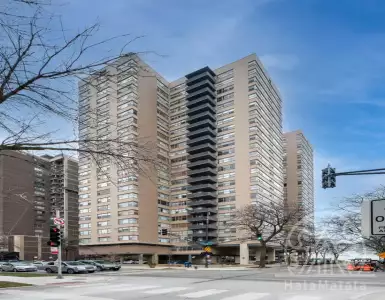
Miami: The city is the most striking example.






Riverside: Riverside entering the top 10 signals a change in Southern California dynamics. Krimmel highlights that Riverside has been a leader in delistings—sellers are removing listings after failing to get their target price. For buyers, this creates opportunities, but for sellers, it raises the prospect of extended marketing and price adjustments.
Austin: Inventory in Austin grew to give it 10.5 months of supply. That is significant for a market that saw rapid price appreciation earlier in the decade. Buyers in Austin can expect more negotiating room, but as in Miami, location and product quality split outcomes: well-priced, updated homes still sell faster.
How economists at Realtor.com built the ranking
The ranking uses November 2025 transaction and listing records from Realtor.com’s public records database and MLS data where available. The months-of-supply calculation includes both existing-home and new-home sales and compares current listed inventory to the recent sales pace. That method gives a timely reflection of market balance rather than a price-only view.
Realtor.com’s rule of thumb is helpful for quick orientation: under 4 months is a seller’s market, 4–6 months is balanced, and over 6 months signals a buyer’s market. By November, 18 metros exceeded that 6-month threshold, up from far fewer just weeks earlier—the number of buyer’s markets doubled from October to November 2025.
Bottom line: opportunities with caution
We are seeing a redistribution of bargaining power in many U.S. markets. That is good news for buyers who prepare and for investors who can adjust underwriting for longer exit timelines. But this is not a uniform price collapse. High-end markets remain expensive in absolute terms, and local cost pressures—insurance, HOA dues, construction costs—are real headwinds.
For buyers, the immediate action is straightforward: secure financing, research comparables, and ask for concessions when warranted. For sellers and investors, the immediate action is harder: test price expectations against present demand and be ready to either adjust price or accept a longer time to sell.
In practical terms, the most concrete fact to hold on to is this: Miami had 11.5 months of supply in November 2025, meaning the city’s listings would take nearly a year to clear at the then-current sales pace—an unusual condition for a market with median list prices well above the national median.
Frequently Asked Questions
Q: What does it mean when a metro is a buyer’s market?
A: A buyer’s market, by Realtor.com’s definition, means more than six months of supply. That indicates the current inventory would take over six months to sell at the recent sales pace, shifting negotiation leverage toward buyers.
Q: Does a buyer’s market mean prices are low?
A: Not necessarily. A buyer’s market means sellers are more likely to make concessions and that listings sit longer. Absolute price levels can still be high—Miami’s median list price was $500,000 in January—even as the months of supply climbed.
Q: How should buyers act in these markets?
A: Buyers should be pre-approved for financing, ready to negotiate on price and terms, and include realistic estimates for insurance and HOA fees in affordability calculations. Asking for seller contributions to closing costs or an interest-rate buy-down is now common practice.
Q: What risks do sellers and investors face in these metros?
A: Sellers face longer marketing times and the likelihood of price reductions or delistings. Investors should plan for longer holding periods, higher carrying costs and potential downward pressure on rents in some markets.
We will find property in USA for you
- 🔸 Reliable new buildings and ready-made apartments
- 🔸 Without commissions and intermediaries
- 🔸 Online display and remote transaction

International Real Estate Consultant

Subscribe to the newsletter from Hatamatata.com!
Subscribe to the newsletter from Hatamatata.com!
Popular Posts

We will find property in USA for you
- 🔸 Reliable new buildings and ready-made apartments
- 🔸 Without commissions and intermediaries
- 🔸 Online display and remote transaction
International Real Estate Consultant

Subscribe to the newsletter from Hatamatata.com!
Subscribe to the newsletter from Hatamatata.com!
I agree to the processing of personal data and confidentiality rules of HatamatataPopular Offers

 3
3
 120
120
 5
143
5
143
 2
165
2
165
Need advice on your situation?
Get a free consultation on purchasing real estate overseas. We’ll discuss your goals, suggest the best strategies and countries, and explain how to complete the purchase step by step. You’ll get clear answers to all your questions about buying, investing, and relocating abroad.



Irina Nikolaeva
Sales Director, HataMatata