


Can You Rent Out a French Home While on a Visitor Visa? What Owners Need to Know

Renting property in France while on a visitor visa: the bottom line
If you are following the real estate France market because you own a property or are thinking of buying one, you will want clarity: the short answer is yes — you can rent, but with strict limits. The visitor visa requires you not to "carry out any professional activity in France," and whether a rental counts as a professional activity depends on how you rent and how much you earn. Our analysis breaks down the rules, the tax categories and the practical steps to keep your rental activity legal and low-risk.
What the visitor visa actually prohibits and why it matters
French visitor visas are aimed at people who live from pensions, savings or investments rather than from working in France. The official condition is that you must not carry out professional activity while in France. That is a real restriction: visa holders have been questioned or penalised when administrations classify their earnings as business income.
- Renting an unfurnished property long-term is treated as revenus fonciers (income from land) and is not classed as professional activity.
- Furnished rentals can be non-professional, but rules are narrower and depend on thresholds and services offered.
In practice, administrations and tax authorities are the ones who decide whether what you do is a simple property income or a professional business. That decision affects not only your visa status but also whether you must pay business social charges (cotisations).
Rental types and the tax regimes you must understand
French tax law sorts rental activities into several categories. The distinction matters because it determines tax filing, social charges and whether your activity looks like a business.
Revenus fonciers (unfurnished long-term lets)
- Applies to long-term rental of unfurnished accommodation used as a tenant’s main home.
- Treated as property income, not professional activity. This is the safest route for visitor-visa holders who want basic rental income.
Location meublée (furnished rental)
- Furnished long-term rental traditionally falls under location meublée, taxed under the BIC (industrial and commercial profits) regime when you opt in or when thresholds apply.
- If you qualify as loueur en meublé non-professionnel (LMNP) — non-professional furnished landlord — the activity is not considered professional, provided specific thresholds are respected.
Parahôtellerie and chambres d'hôtes (guest rooms and B&B)
- Activities such as running chambres d’hôtes are specifically classed as commercial and fall under parahôtellerie. The French government is clear that chambres d’hôtes are commercial operations and must be set up as such.
- Parahôtellerie is more likely to be considered professional because of the services provided alongside accommodation.
Short-term holiday rentals
- Short-term or holiday rentals require registration steps. You are generally required to obtain a SIRET number for commercial registration, but this does not automatically bar a visitor-visa holder from operating.
- Short-term operators commonly register as LMNP (for non-professional landlords), but the services offered determine whether you cross into parahôtellerie.
Key thresholds and what they mean for you
There are clear monetary thresholds that shift the activity from non-professional to professional in the eyes of tax and social authorities. These are not administrative suggestions — they trigger different tax and social-charge regimes.
- €23,000 gross rental turnover per year is the traditional threshold above which furnished rental may be classed as professional. If you exceed €23,000, the activity risks being professional and you may have to pay business social charges.
- Authorities increasingly apply business social charges (cotisations) once furnished rental income hits €23,000/year, irrespective of other household income. That means the old two-condition test (over €23,000 and greater than other household income) is being applied more strictly in practice.
- €6,123/year is the much lower threshold for chambres d’hôtes and parahôtellerie. For these operations, social charges apply when annual income exceeds €6,123.
Those numbers are exact. They are the dividing lines that determine whether administrations view an activity as a passive property income stream or an economic activity with social contributions and business obligations.
Practical steps to structure your rental safely while on a visitor visa
I recommend a conservative approach. The rules are clear but their application can be inconsistent, and tax officers are increasingly quick to demand social contributions.
-
Choose the rental type deliberately
- Prefer long-term unfurnished renting if your aim is to avoid any risk of being viewed as carrying out a professional activity.
- If you offer furnished rentals, keep turnover under €23,000 per year and avoid services that make the let look like hospitality.
-
For holiday rentals, register correctly
- You will usually need a SIRET number to operate short-term lets, but registering does not automatically make you a professional. Register as LMNP, not as a micro-entreprise.
- Avoid registering as a micro-(auto-)entreprise because this creates an obvious business structure and can trigger social charges.
-
Limit services to avoid parahôtellerie
- Offering three or more services (examples: breakfast, regular linen change, daily cleaning, meet-and-greet) risks classification as parahôtellerie and moves you toward commercial status.
- If you keep services minimal — for example, basic cleaning between bookings without daily housekeeping or breakfast — you are less likely to be classed as a commercial host.
-
Keep precise records and declare income accurately
- Log every booking, invoice and expense. If you ever need to show that turnover stayed below the thresholds, documentation is what protects you.
-
Use professional advice early
- As tax lawyer Laurent Gravelle told The Connexion, staying under €23,000/year usually means the activity is not professional and will not break visa rules. That is a helpful rule of thumb, but you should consult a French tax lawyer or accountant before you start renting.
What enforcement looks like and the main risks
The risks are both financial and immigration-related.
- Social charges: if the administration decides your activity is professional, you may be required to pay backdated cotisations, which can be substantial.
- Tax reassessment: a reclassification from revenus fonciers to BIC can change tax treatment and accounting obligations.
- Visa consequences: if you are found to be carrying out a professional activity incompatible with a visitor visa, you can be penalised or face immigration consequences.
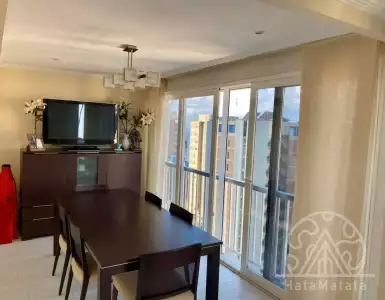
 3
3
 2
2
 109
109
 2
1
68
2
1
68
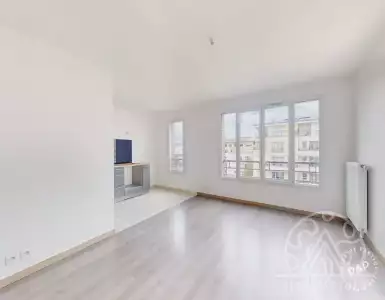 1
1
46.50
1
1
46.50
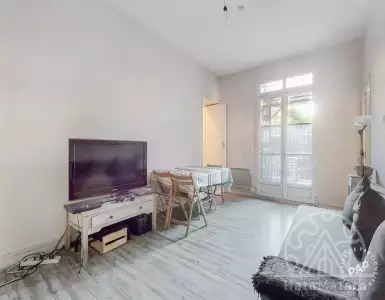 2
1
48
2
1
48
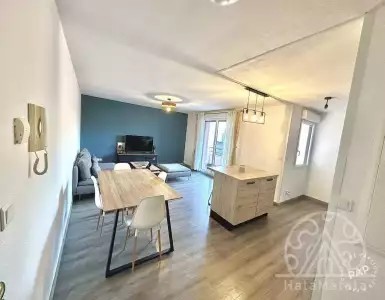

In my view, authorities are more vigilant than they used to be. The €23,000 threshold is frequently a trigger for reassessment and collection of social charges even when other household income remains higher. That makes careful planning essential.
Real-world scenarios: what to expect in common setups
Below I set out common owner profiles and what they should do.
Scenario A: Long-term unfurnished landlord
- You rent your Paris apartment unfurnished to a tenant on a long lease. Income is declared as revenus fonciers.
- Risk: minimal in terms of visa conflict. You must declare rental income for tax purposes but you are not doing a professional activity.
Scenario B: Long-term furnished rental under the threshold
- You rent a furnished flat and keep annual rental turnover under €23,000.
- Action: register as LMNP, do not register as a micro-entreprise, and avoid offering multiple guest services. Keep receipts.
- Risk: low, but still monitor turnover because crossing €23,000 changes your exposure.
Scenario C: Short-term holiday let with online bookings
- You take bookings on platforms for holiday lets. You obtain a SIRET and register as LMNP rather than as a micro-entreprise.
- Action: track turnover carefully and do not offer three or more hospitality services. Consider using a property manager and make sure they do not create a micro-entreprise link for the property owner.
- Risk: moderate. Platforms and local councils are increasingly proactive in checking short-term rentals.
Scenario D: Running chambres d’hôtes or providing many hospitality services
- You provide breakfasts, meet-and-greet services, change linen frequently and advertise a B&B.
- Action: you must register as a commercial operation and pay attention to social charges that apply from €6,123/year.
- Risk: high for a visitor-visa holder because parahôtellerie is commercial activity and therefore likely to breach the visa condition.
How to work with local professionals and authorities
We recommend these practical steps when you plan to rent:
- Speak to a French tax lawyer or fiscal adviser before you start. Quoting Laurent Gravelle’s guidance is fine, but personal circumstances matter.
- Use a chartered accountant to register as LMNP and to file the correct forms each year.
- If you use a property manager, get clear written terms that the manager acts as an agent, and that you remain the non-professional owner.
- Keep copies of all registrations (SIRET if you obtain one), rental contracts, invoices and bank statements.
Practical checklist before you accept guests
- Decide between unfurnished long-term, furnished long-term (LMNP) or short-term holiday rental.
- Estimate annual turnover and keep it under €23,000 if you want to stay non-professional for furnished rentals.
- Avoid chambres d’hôtes or offering three or more hospitality services; €6,123 is the low threshold for parahôtellerie.
- Do not register as a micro-entreprise when you register your LMNP status.
- Obtain a SIRET where required for short-term lets, but register as LMNP rather than as an entrepreneur.
- Keep meticulous records of income and services.
Frequently Asked Questions
Can I rent out my apartment on a visitor visa without breaking the rules?
Yes. Long-term unfurnished rentals are treated as revenus fonciers and are not professional activity. Furnished rentals can be acceptable if you stay below €23,000 gross per year and avoid hospitality services that push the operation into parahôtellerie.
Do I have to register with the authorities before I start holiday letting?
Yes. Short-term or holiday rentals generally require obtaining a SIRET number. That registration does not automatically make the activity professional, but you should register as LMNP and avoid creating a micro-entreprise.
What happens if my furnished rental income exceeds €23,000?
If your furnished rental income exceeds €23,000/year, French authorities commonly require payment of business social charges (cotisations) and can reclassify your activity as professional. That increases tax and social obligations and risks conflict with your visitor visa.
Is running a chambre d’hôtes ever safe on a visitor visa?
No. Government guidance treats chambres d’hôtes as commercial and classed under parahôtellerie. Social charges apply from €6,123/year, and the activity is not compatible with the typical visitor visa restriction against professional activity.
Bottom line: a cautious, document-driven approach
The rules are precise: €23,000 for furnished rentals and €6,123 for chambres d’hôtes are the financial fences you must respect. In my view, the safest path for visitors who want rental income is either long-term unfurnished rentals declared as revenus fonciers or carefully managed furnished lets declared as LMNP with turnover kept under €23,000 and limited services. Keep careful records, register correctly, avoid micro-entreprise status and get professional tax advice before you start. That approach reduces financial risk and the chance of immigration problems, and it gives you a defensible position if authorities question your activity.
Final practical takeaway: if your furnished rental stays under €23,000/year and you do not offer multiple hospitality services, you are unlikely to be judged as carrying out a professional activity that would breach a visitor visa — but document everything and consult a French tax adviser before you advertise or accept bookings.
We will find property in France for you
- 🔸 Reliable new buildings and ready-made apartments
- 🔸 Without commissions and intermediaries
- 🔸 Online display and remote transaction

International Real Estate Consultant

Subscribe to the newsletter from Hatamatata.com!
Subscribe to the newsletter from Hatamatata.com!
Popular Posts

We will find property in France for you
- 🔸 Reliable new buildings and ready-made apartments
- 🔸 Without commissions and intermediaries
- 🔸 Online display and remote transaction
International Real Estate Consultant

Subscribe to the newsletter from Hatamatata.com!
Subscribe to the newsletter from Hatamatata.com!
I agree to the processing of personal data and confidentiality rules of Hatamatata

Need advice on your situation?
Get a free consultation on purchasing real estate overseas. We’ll discuss your goals, suggest the best strategies and countries, and explain how to complete the purchase step by step. You’ll get clear answers to all your questions about buying, investing, and relocating abroad.



Irina Nikolaeva
Sales Director, HataMatata