


Condo Prices Slide and Buyers Wait: What 2026 Means for Thailand Real Estate

Thailand real estate in 2026: why the condo market is stuck between price cuts and weak demand
The real estate Thailand market is feeling strain in 2026, and buyers are reacting. Higher oil prices linked to tensions in the Middle East, slow formation of government early in the year, and tight bank lending have combined to sap household purchasing power and freeze many would-be buyers.
We opened this report with one clear observation: the market is moving from expansion to selective consolidation. Developers are lowering initial asking prices, shifting product mixes, and holding back new launches. That is pragmatic, not panicked, but it changes where and how to invest in Thai property this year.
Market snapshot: supply, launches and demand signals
- New launches in Q1 2026: about 7,170 condominium units, a quarterly increase driven by a few large projects, according to Cushman & Wakefield Thailand research head Surachet Kongcheep. That rise did not equate to stronger buyer demand.
- Full-year launches are now expected at only 15,000–18,000 units for 2026, well below pre-crisis levels.
What this means: developers are not stopping all activity but are staging new supply carefully. The market shows pockets of demand—projects in clear locations with distinctive concepts still attract interest—but overall purchasing power remains weak.
H3: Why demand is muted
- Higher energy costs (creditable to geopolitical tensions involving Iran, the US and Israel) have pushed up the cost of living, prompting households to delay large purchases such as homes.
- Political uncertainty and delays in forming government early in the year have reduced private-sector confidence, weakening investment appetite.
- Lenders are strict: mortgage application rejection rates are running around 50–60%, a principal barrier to closing sales.
These factors create a holding pattern: supply can be present but unsold when credit and buyer confidence are missing.
Pricing trends and developer strategy
The market is showing a structural price adjustment. Developers are shifting down the value chain toward more affordable products and peripheral locations.
- Average selling price of newly launched condominiums in Q1 2026: about THB84,500 per square metre.
- Many projects are priced below THB80,000 per square metre to match weaker purchasing power.
Developers are changing tactics on three fronts:
- Product mix: more one- and two-bedroom units aimed at mass segments rather than luxury formats.
- Project location: emphasis on outlying areas where land costs allow lower price points.
- Launch discipline: postponing projects in zones with existing oversupply.
From an investor standpoint, these shifts mean margins will be tighter on new developments, but resale and rental demand may improve in well-located, competitively priced projects. We advise looking at absorption rates and presale performance rather than headline prices when judging a new project's prospects.
Costs and construction: why rising input prices have limited immediate impact
Construction materials make up only 25–30% of a project's value, so short-term increases in material costs have a damped effect on final housing prices. Analysts estimate that if material prices rise 10–20%, total project costs would change by about 2.5–6%.
That math explains why developers have not passed all input cost increases straight to buyers. Still, if material and energy costs stay elevated over a long period, pressure on selling prices will grow. In practice this will happen via:
- Longer lead times to completion, increasing financing costs for developers.
- Narrower developer margins, which can delay new launches.
- Selective price increases in markets where demand can absorb them.
Developers can manage moderate cost rises, but sustained inflation in inputs combined with weak demand will strain project feasibility and slow supply further.
Credit conditions: the real choke point for transactions
Banks and financial institutions are the market's gatekeepers. In 2026 they are more conservative.
- Mortgage decline rates remain high at 50–60%, making credit access the most significant barrier to completed transactions.
- LTV rules were eased and the government cut transfer fees for homes priced at no more than THB7 million, yet lending standards still restrict many buyers.
How this affects buyers and investors:
- Cash buyers or those with large down payments move faster and can negotiate better terms.
- Developers increasingly value buyers who can show solid pre-approval to avoid cancellations.
- For investors relying on mortgage leverage, higher rejection rates mean delayed acquisitions or the need to seek alternative financing.
We recommend buyers secure pre-approval, verify underwriting criteria with multiple banks, and consider smaller projects or resale units where underwriting can be easier.
Foreign buyers and the Longstay Visa: a critical source of demand
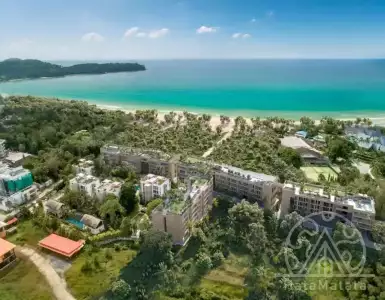
Foreign demand is emerging as a safety valve for the market. The Thailand Longstay Visa policy, in partnership with Thailand Longstay Management Co., Ltd., ties long-term residency to condominium purchases of THB3 million or more.








Primary foreign target groups:
- Retirees seeking lower-cost long-term residence.
- Investors moving capital away from regions facing geopolitical risk.
- Digital nomads seeking stable residency and lower living costs.
Hotspots for foreign interest include Bangkok, Phuket, Chiang Mai and Pattaya. For developers, that means projects in these cities often include features aimed at foreign buyers: turnkey furnishing options, English-language concierge services, and proximity to international transport.
What this implies for investors:
- Properties priced above THB3 million can tap Longstay buyers but may face price sensitivity among locals.
- Demand from foreigners can be seasonal and concentrated in specific product types (luxury or well-located mid-range units).
- Cross-border investment flows can respond quickly to changes in visa policy, taxation and geopolitical risk.
We advise monitoring buyer origin data for projects and checking whether a development has sales teams or marketing channels targeted at overseas buyers.
Where to look: cities, segments and micro-opportunities
Not all Thai property markets are equal in 2026. Opportunities differ by city and segment.
- Bangkok: still the largest market for condos, with demand for well-priced units near transport nodes and established amenities. Investors should watch absorption rates in each submarket rather than citywide averages.
- Phuket: foreign leisure and longstay buyers make certain parts of Phuket resilient. Look for projects with clear short-stay and long-stay rental strategies.
- Chiang Mai: appealing to retirees and digital nomads; well-located, lifestyle-oriented projects hold up better than high-density towers on the city edge.
- Pattaya: continues to attract foreigners and domestic investors seeking rental yields and lower entry prices.
Practical search criteria we use:
- Presale take-up: above-market presale rates in the first 30–90 days indicate product-market fit.
- Effective price per square metre after incentives: incentives can mask the true selling price.
- Financing availability for buyers: projects that attract high pre-approval rates sell faster.
What buyers and investors should do now (practical guidance)
We make these recommendations based on market facts and current constraints.
-
For buyers seeking a primary residence:
- Target proven locations and projects with strong presale track records.
- Secure mortgage pre-approval early; expect a 50–60% rejection environment.
- Consider units priced below THB3 million if you want to avoid Longstay-linked foreign demand dynamics.
-
For investors seeking rental income:
- Focus on unit types with broad appeal: one- and two-bedroom units that suit long-stay renters.
- Check occupancy and rental yield history for a building rather than relying on projected yields.
-
For developers and brokers:
- Maintain flexibility on pricing and product mix.
- Market to foreign buyers for units above THB3 million but do not rely solely on this channel.
- Keep an eye on construction-cost trends; a sustained rise would force price adjustments.
Risks and what could change the outlook
The condo market’s recovery depends on several external factors. The main risks are:
- Continued geopolitical tensions pushing oil prices higher and choking domestic consumption.
- Prolonged political uncertainty in Thailand, which would depress investor and buyer sentiment.
- Sustained rise in construction materials or energy costs beyond current levels, which would erode developer margins.
- Tighter bank underwriting or new regulations that further restrict mortgage access.
Conversely, these events would improve sentiment:
- Stabilisation of global oil prices and easing of regional conflicts.
- Clearer domestic political direction that restores private-sector confidence.
- Policy measures that directly boost consumer purchasing power or ease buyer finance access.
We weigh the probability of each outcome carefully; today the odds favour a slow, uneven recovery rather than a rapid rebound.
Frequently Asked Questions
Q: How many new condominiums were launched in Thailand in Q1 2026? A: About 7,170 new condominium units were launched in Q1 2026, driven by several large projects.
Q: What is the full-year forecast for condo launches in 2026? A: Developers expect 15,000–18,000 new condominium units to be launched in 2026, down from pre-crisis levels.
Q: How much was the average selling price for newly launched condos in Q1 2026? A: The average selling price of newly launched condominiums in Q1 2026 was approximately THB84,500 per square metre, with many projects priced under THB80,000 per square metre.
Q: Why are many sales failing to close? A: The main obstacle is strict lending standards: mortgage rejection rates are about 50–60%, which blocks many buyer transactions despite price adjustments and government incentives.
Bottom line: pragmatic choices in a cautious market
Thailand’s condo market in 2026 is adjusting to weaker domestic demand, higher energy costs and tight bank underwriting. Developers are responding with lower prices, product shifts and delayed launches, while foreign buyers using the Longstay Visa are a growing source of demand for units at or above THB3 million.
For buyers and investors we recommend a conservative approach: verify financing first, favour proven locations and smaller unit types with broad renter appeal, and confirm presale take-up before committing. Keep in mind the technical facts: 50–60% mortgage rejection rates, Q1 launches of about 7,170 units, and an average Q1 asking price of THB84,500 per sqm—these are the constraints that will shape deals through 2026.
We will find property in Thailand for you
- 🔸 Reliable new buildings and ready-made apartments
- 🔸 Without commissions and intermediaries
- 🔸 Online display and remote transaction

International Real Estate Consultant

Subscribe to the newsletter from Hatamatata.com!
Subscribe to the newsletter from Hatamatata.com!
Popular Posts

We will find property in Thailand for you
- 🔸 Reliable new buildings and ready-made apartments
- 🔸 Without commissions and intermediaries
- 🔸 Online display and remote transaction
International Real Estate Consultant

Subscribe to the newsletter from Hatamatata.com!
Subscribe to the newsletter from Hatamatata.com!
I agree to the processing of personal data and confidentiality rules of Hatamatata


Need advice on your situation?
Get a free consultation on purchasing real estate overseas. We’ll discuss your goals, suggest the best strategies and countries, and explain how to complete the purchase step by step. You’ll get clear answers to all your questions about buying, investing, and relocating abroad.



Sales Director, HataMatata