


Dh32.2bn of Dubai Rental Deals in Q1 — What Buyers and Investors Should Know

Dubai rental market posts Dh32.2 billion in Q1: real estate UAE demand stays firm
The real estate UAE rental market logged Dh32.2 billion ($8.8bn) of registered rental contracts in the first quarter of 2024, according to the Dubai Land Department (DLD). That headline number is more than a statistic; it is a signal of continued demand, a functioning regulatory system and a rental cycle that is behaving more like a mainstream investment market than a boom-and-bust story.
Within the first 90 days of the year the DLD recorded 118,385 new rental contracts and 135,607 renewals. At the same time, cancelled contracts fell by 25%, a figure the department links to improved landlord-tenant stability and lower market volatility. Those are concrete signs we should treat seriously when assessing housing prices, rental yields and investor opportunities in Dubai.
Why this quarter matters to buyers and investors
We read these figures as confirmation that Dubai’s housing market is moving beyond recovery into an orderly expansion. Transaction values across all property sales also rose: the total value of Dubai’s real estate transactions hit Dh252 billion, an annual increase of 31%. For anyone watching rental markets for income or capital-growth potential, Q1 2024 shows both sustained tenant demand and a flow of capital into the emirate’s real estate sector.
What the numbers say: contracts, renewals and licences
The raw counts matter as much as the headline sums because they reveal market behaviour.
- 118,385 new rental contracts in Q1
- 135,607 contract renewals in Q1
- 25% drop in contract cancellations year-on-period within the quarter
- Dh32.2 billion total value of registered rental contracts in Q1
- Dh252 billion total transaction value across the property market in Q1 (a 31% YoY rise)
On the services side, Dubai issued 3,599 real estate licences during the quarter — an ecosystem expansion that deserves attention. Licensing breakdowns include:
- 1,564 sales and purchase brokerage licences
- 928 leasing brokerage licences
- 376 transaction follow-up services licences
- 128 real estate development licences
- Additional licences for owner association management, consultancy, mortgage brokerage, valuation, surveying and auction services
Those licence figures suggest the market is broadening in scope, with more firms entering sales, leasing and the professional services that support transaction volumes.
How policy and demographics are supporting rent growth
Several government initiatives are sustaining demand for Dubai housing and supporting higher rents since the pandemic. These include residency pathways for retirees and remote workers, and an expanded 10-year "golden visa" programme that keeps high-net-worth residents and skilled professionals in the market longer.
These changes matter for investors and landlords because residency stability tends to lengthen tenancy durations and makes rental income more predictable. We have seen the effect: renewals outnumber new contracts in the quarter and cancellations have dropped, both positive signs for landlords who depend on steady occupancy.
At the same time, the DLD and Dubai authorities have an integrated regulatory framework that makes tenancy records, contract registration and dispute resolution more transparent than in many other markets. That built-in clarity reduces information asymmetry for buyers and tenants and raises investor confidence.
Demand patterns: luxury, expatriates and the role of international capital
DLD data and market commentary point to growing interest in luxury properties and an influx of new investors during Q1. That aligns with the larger sales transaction total of Dh252 billion, up 31% year-on-year.
What this means in practice:
- Luxury apartment and villa segments have attracted a notable share of international capital.
- Residency-linked buyers — those seeking visas through investment or employment — are supporting mid-to-high-end demand.
- Remote-worker residency permits are adding a new cohort of tenants who can afford higher rents and longer tenancies.
We should be clear: luxury demand can lift averages for transaction values without equal gains across all neighbourhoods. Investors chasing headline figures must drill down to neighbourhood-level rental yields and occupancy rates before committing capital.
Market stability vs. geo-political and macro risks
The Q1 data arrive against a backdrop of heightened regional tensions. Attacks affecting the UAE and neighbouring states began on February 28, and yet business and property transactions continued. That resilience is notable, but it does not erase risk.
Key risks to consider:
- Geopolitical shocks can transiently alter investor sentiment and short-term capital flows; volatility in the region remains a factor.
- Macro pressures such as rising global interest rates can compress mortgage affordability for domestic buyers and influence demand from leveraged investors.
- Supply-side risk is always present. New developments and off-plan projects could dampen future rental growth in certain segments if absorption slows.
We think the current DLD figures show a market that is handling these risks well, but they also reinforce the need for careful asset-level analysis rather than assuming uniform strength across Dubai.
What the licence numbers reveal about the market's structure
Receiving 3,599 licences in one quarter indicates a growing services sector that supports real estate transactions. The concentration of licences in brokerage — 1,564 sales and purchase brokers and 928 leasing brokers — tells us the market remains agent-driven.
Practical implications:
- More brokers increase competition and can reduce agency fees, but they also raise the importance of vetting agents and checking credentials.
- The diversity of licences — valuation, mortgage brokerage, owner association management — points to a maturing market where professional services add transaction transparency.
- For investors, the growth in third-party services makes outsourcing property management and compliance more feasible and often more efficient.
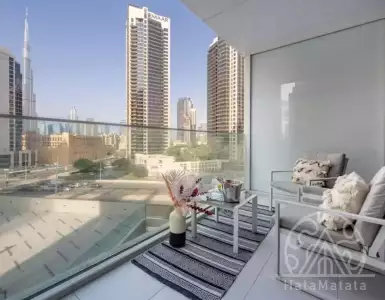
On-the-ground signals: listings and tenant enquiries
Private brokerage data complement DLD numbers.
 1
1
 1
1
 56
56
 5
6
313
5
6
313
 4
3
400
4
3
400
 1
45
1
45
 1
2
80
1
2
80
 1
127
1
127
- Increased listings suggest landlords are trying to take advantage of strong headline rents or expanding inventory.
- Fewer enquiries per listing could hint at a filtering market where demand is focused on specific segments — often higher-spec, well-located units — while other stock faces weaker interest.
For landlords and investors this means quality and location matter more than ever. Units that are well-fitted, well-priced and in accessible locations attract tenants quickly; others may require more competitive pricing or incentives.
Practical advice for buyers, landlords and tenants
We offer here a pragmatic checklist based on the quarter’s data and our experience covering Dubai property markets.
For investors and buy-to-let buyers:
- Check DLD registration: ensure contracts and titles are properly registered to avoid disputes.
- Focus on neighbourhood-level fundamentals: average rents, occupancy rates and upcoming supply pipelines.
- Compare gross and net yields: take into account agency fees, service charges and periods of voids.
- Use licensed brokers and verified property managers: the rising number of licences helps, but credentials and track records matter.
For landlords:
- Prioritise tenancy stability: renewals outpaced new lettings in Q1, so consider tenant retention strategies such as modest rent adjustments and flexible lease terms.
- Prepare for compliance: owner association rules, service charges and property maintenance are increasingly scrutinised.
- Price competitively for quality: well-presented homes in prime locations still command a premium.
For tenants and occupiers:
- Expect a tighter market in desirable locations: plan ahead and budget for higher rents if you want central or premium accommodation.
- Verify your tenancy contract registration: DLD registration protects tenants’ rights and streamlines any disputes.
- Consider longer leases or renewal incentives if you value stability; landlords are more willing to negotiate with qualified long-term tenants.
Where yield and capital growth might come from
With rental volumes and transaction values high, investors will ask where the returns lie. Based on Q1 trends, we see two rational approaches:
- Income-oriented strategy: aim at well-located units with stable demand from professionals and expatriates. These assets may offer steady cash flow if purchased at the right price and managed effectively.
- Value-add strategy: target under-fitted units or medium-density locations near infrastructure upgrades where refurbishment can lift rents and capital values.
Neither approach is risk-free. Investors must stress-test scenarios for vacancy, service-charge increases and potential market corrections.
Final assessment: growth with caution
The DLD Q1 figures — Dh32.2bn in rental contract value, 118,385 new contracts and 135,607 renewals — paint a picture of a rental market that is active and stabilising. The drop in cancellations by 25% is particularly meaningful because it signals improved landlord-tenant relationships and a smoother rental cycle.
That said, the market is not homogeneous. Luxury segments and prime locations are outperforming, and licence growth shows more professionals entering the market to service expanding demand. Geopolitical events and global macro conditions remain real risks that can change flows of capital and tenant behaviour quickly.
If you are considering entering Dubai’s rental market as a buyer, landlord or tenant, act with diligence: verify DLD registrations, vet brokers and managers, run conservative yield calculations and stress-test exposure to vacancy and interest-rate shifts. The quarter’s figures support cautious opportunity rather than guaranteed returns.
Frequently Asked Questions
Q: How big was Dubai’s rental market in Q1 2024? A: Dubai recorded Dh32.2 billion ($8.8bn) in registered rental contracts during Q1 2024, according to the Dubai Land Department.
Q: How many rental contracts were new versus renewed? A: The DLD recorded 118,385 new rental contracts and 135,607 renewals in Q1.
Q: Did cancellations increase because of regional tensions? A: No. Cancellations fell by 25% in the quarter despite regional tensions that began on February 28. The data suggest improved rental-cycle stability, although geopolitical risk remains a factor to monitor.
Q: What other market indicators should investors watch? A: Watch licence registrations, neighbourhood-level supply pipelines, DLD transaction totals (Q1 transactions were Dh252 billion, up 31% YoY), rental listings and tenant enquiry trends. Combine those with macro variables such as interest rates and currency flows.
(End: The DLD’s Q1 figures show Dh32.2bn in rental registrations and a 25% fall in cancellations — a practical signal that Dubai’s rental cycle is stabilising and attracting professional services, but investors still need careful asset-level due diligence.)
We will find property in UAE (United Arab Emirates) for you
- 🔸 Reliable new buildings and ready-made apartments
- 🔸 Without commissions and intermediaries
- 🔸 Online display and remote transaction

International Real Estate Consultant

Subscribe to the newsletter from Hatamatata.com!
Subscribe to the newsletter from Hatamatata.com!
Popular Posts

We will find property in UAE (United Arab Emirates) for you
- 🔸 Reliable new buildings and ready-made apartments
- 🔸 Without commissions and intermediaries
- 🔸 Online display and remote transaction
International Real Estate Consultant

Subscribe to the newsletter from Hatamatata.com!
Subscribe to the newsletter from Hatamatata.com!
I agree to the processing of personal data and confidentiality rules of HatamatataPopular Offers
 3
4
196
3
4
196
 2
3
121
2
3
121
 3
4
120
3
4
120
Need advice on your situation?
Get a free consultation on purchasing real estate overseas. We’ll discuss your goals, suggest the best strategies and countries, and explain how to complete the purchase step by step. You’ll get clear answers to all your questions about buying, investing, and relocating abroad.



Sales Director, HataMatata