


DH550m Mortgage and DH64m Palm Sale: Big Money Moves in Dubai Property

Two headline deals kick off the week for UAE real estate
UAE real estate has opened the week with two headline-making transactions in Dubai that demand attention from buyers and investors. At the start of the week the market recorded a major mortgage on a land parcel in the Dubai Trade Centre area and, in the early hours of Monday sales, a luxury apartment on Palm Jumeirah changed hands for a seven-figure sum.
Both transactions were registered via the Dubai Rest application and together they tell a clear story: capital continues to chase prime Dubai property, and lenders are prepared to underwrite high-value land positions. Below we unpack the facts, examine what these moves mean for the market, and offer practical guidance for investors weighing exposure to Dubai real estate.
What happened: the facts
- Mortgage on Trade Centre land: DH550,000,000. The mortgaged plot has an area of 66,700 square feet and the reported average price is 8,291 dirhams per sq ft, according to Dubai Rest.
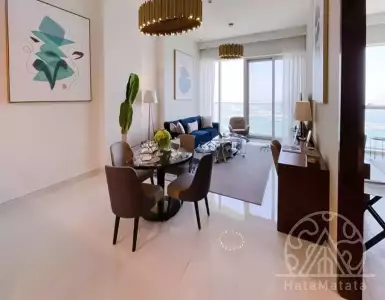
- Palm Jumeirah apartment sale: DH64,000,000. The unit is part of 'The Residences' by Amna, measuring 6,681 square feet with an average of 9,580 dirhams per sq ft.
Both entries were logged at the start of the week, with the Palm transaction noted during the first hours of Monday sales. Dubai Rest remains the registry source for both records, which increases transparency for market participants.
Why these deals matter to the market
These are not routine transactions. Each carries signals about supply, demand, and financing in Dubai's top-tier segments.
- The DH550m mortgage suggests banks or financial institutions are willing to provide substantial leverage for land in the Trade Centre area. Large land loans are often linked to development plans or refinancing of major holdings; they reflect lender confidence in the asset's future value and the sponsor’s balance sheet.
- The DH64m Palm sale confirms that the artificial island continues to command some of the highest per-square-foot prices in the emirate. The sale price of 9,580 dirhams per sq ft for a finished residential unit places it firmly in the ultra-prime bracket.
Taken together, these transactions indicate strong appetite at the top of the market for both land and finished product. That appetite affects pricing dynamics across the city because developers and sellers use prime benchmarks to set expectations.
What the numbers reveal about pricing and location
Location remains the dominant value driver in Dubai. Two specific takeaways stand out:
- Land in Dubai Trade Centre is priced as an institutional asset. An average of 8,291 dirhams per sq ft across 66,700 sq ft signals that investors treat Trade Centre parcels like long-term strategic land plays rather than short-term flips.
- Palm Jumeirah continues to attract buyers who will pay a premium for waterfront addresses and project affiliation. A finished apartment at 9,580 dirhams per sq ft reflects both the island’s scarcity and the premium attached to branded or high-end developer projects.
Buyers should note that per-square-foot comparisons are only meaningful when you align for product type and delivery status. Raw land is priced and financed differently from completed residential units.

 1
1
 1
1
 56
56
 5
6
313
5
6
313
 4
3
400
4
3
400
 1
45.86
1
45.86
 1
2
80
1
2
80
 1
127
1
127
What the mortgage tells us about financing appetite
A mortgage of DH550m is material for the Dubai market. Lending at this scale sends several messages:
- Banks or lending syndicates are prepared to underwrite land exposure when the collateral and sponsor meet credit criteria.
- Large mortgages increase market liquidity for developers and landowners, which can accelerate project launches or portfolio reshaping.
- However, big loans raise concentration risk for lenders, especially if multiple large exposures are linked to the same developer or market segment.
For investors, the practical implications are:
- Expect financing to be available for well-located assets, but terms will follow borrower credit and asset quality.
- Monitor lender appetite as a leading indicator: more big mortgages usually precede new supply coming to market.
Who should care and why: buyers, investors, developers
These deals matter to several groups for different reasons.
- Property buyers looking for primary residences should pay attention to Palm pricing if they aim for waterfront living; the premium per sq ft is part of the price of entry.
- Yield-focused investors need to factor high acquisition costs into rental yield calculations; top-end prices compress gross yields and extend payback periods.
- Developers and land speculators will watch Trade Centre loan activity for signs that new or large-scale projects could appear in the pipeline.
Practical investor takeaways:
- Run conservative yield scenarios when evaluating premium purchases, and include service charges and maintenance for luxury schemes.
- Use Dubai Rest and other registry tools to confirm titles, encumbrances, and recent comparable transactions.
- Check developer reputation and delivery track record when buying off-plan or a high-priced finished unit; project affiliations (like 'The Residences' by Amna) matter for resale.
Risks and cautionary points
High-value transactions create headlines, but they also carry risks investors should not ignore:
- Market concentration: When activity clusters in ultra-prime pockets, exposure can be lumpy. A downturn that hits luxury buyers harder may compress values faster in those pockets.
- Liquidity risk: Not all high-priced properties are equally liquid. Selling a DH64m apartment requires a narrow buyer pool compared with mid-market stock.
- Financing risk: Large mortgages increase systemic exposure. If economic conditions change and lenders tighten, refinancing may be costly or more difficult.
- Cost drag: High service charges, property management fees, and periodic upgrades can materially affect net returns on luxury units.
We recommend thorough stress testing of every purchase scenario. Ask how the asset performs under slower rental demand, higher financing rates, or longer resale timelines.
How to approach opportunities in Dubai's prime segments
If you are considering exposure to top-tier Dubai real estate, here is a practical checklist we use and recommend:
- Verify title and encumbrances through Dubai Rest before signing anything.
- Confirm whether the property is freehold and assess any restrictions tied to ownership.
- Obtain a full schedule of service charges, sinking fund contributions, and developer warranties.
- Model returns with conservative rent and exit price assumptions; include a sensitivity to higher interest rates.
- Ask for comparable sales and time-on-market data for similar units or adjacent land parcels.
- If financing, lock in pre-approval terms and understand covenants and potential margin calls.
These steps reduce surprise and protect capital—especially important when dealing with multi-million-dirham assets.
What this means for the wider Dubai property market
High-ticket deals have ripple effects:
- Pricing benchmarks: Developers can cite headline transactions when marketing similar offerings, which can lift asking prices across a segment.
- Investor sentiment: Big mortgages and luxury sales increase market confidence among deep-pocketed buyers, which can attract more capital into the city.
- Supply signals: A major land mortgage can signal an intent to develop or reposition the site, which could add new product to the market over the medium term.
That said, headline transactions do not always translate into broad-based market moves. Middle-market demand, financing availability for smaller buyers, and macroeconomic factors will determine the overall trajectory of housing prices.
Practical scenarios: how different investor types should react
- High-net-worth individuals seeking lifestyle homes: Expect to pay premiums for Palm Jumeirah and similar addresses; prioritize due diligence and service charge analysis.
- Yield investors: Look for deals where purchase prices and operating costs allow acceptable net yields; avoid paying headline prices without matching cashflow forecasts.
- Developers: Use large land loans to secure strategic sites but prepare for longer timelines and entitlement costs that can affect margins.
- Overseas investors and allocators: Factor in currency considerations, taxation in home jurisdictions, and the procedural differences of buying in Dubai.
Frequently Asked Questions
Q: How reliable is the Dubai Rest application for transaction data?
A: Dubai Rest is the official registry platform used to record transactions in Dubai. It is the primary source for title and mortgage registration and is reliable for confirming the presence of mortgages and recorded sale prices.
Q: Does a large mortgage mean the borrower is a developer planning a new project?
A: A large mortgage can indicate development intent, refinancing of an existing asset, or collateralized funding for other corporate needs. It signals that a lender has accepted the asset as security, but it does not guarantee imminent construction.
Q: Should I expect to find many buyers for a DH64m apartment if I decide to sell?
A: Ultra-prime units have a smaller pool of buyers. Liquidity exists but is limited compared with mid-market stock. Sale timelines can be longer and may require price adjustments to match buyer demand.
Q: How do per-square-foot prices affect investment decisions?
A: Per-square-foot prices are a starting point for valuation. For complete analysis you need to combine them with operating costs, expected rental income, financing costs, and holding-period assumptions to determine returns.
Final assessment and takeaway
These two transactions—the DH550,000,000 mortgage on 66,700 sq ft of Trade Centre land at 8,291 dirhams per sq ft, and the DH64,000,000 sale of a 6,681 sq ft Palm Jumeirah apartment at 9,580 dirhams per sq ft—are clear indicators of active capital flows into Dubai's prime property segments. For investors, the practical takeaway is straightforward: expect to pay a premium for location and delivery status, verify titles and financing structures via Dubai Rest, and run conservative return scenarios before committing. The numbers make one point plain—Dubai's top-tier properties are trading at above DH8,200–9,500 per sq ft, and that price band is now a reference for anyone allocating to the emirate's high-end market.
We will find property in UAE (United Arab Emirates) for you
- 🔸 Reliable new buildings and ready-made apartments
- 🔸 Without commissions and intermediaries
- 🔸 Online display and remote transaction

International Real Estate Consultant

Subscribe to the newsletter from Hatamatata.com!
Subscribe to the newsletter from Hatamatata.com!
Popular Posts

We will find property in UAE (United Arab Emirates) for you
- 🔸 Reliable new buildings and ready-made apartments
- 🔸 Without commissions and intermediaries
- 🔸 Online display and remote transaction
International Real Estate Consultant

Subscribe to the newsletter from Hatamatata.com!
Subscribe to the newsletter from Hatamatata.com!
I agree to the processing of personal data and confidentiality rules of HatamatataPopular Offers
 1
1
31
1
1
31
 4
38
4
38
 3
213
3
213
Need advice on your situation?
Get a free consultation on purchasing real estate overseas. We’ll discuss your goals, suggest the best strategies and countries, and explain how to complete the purchase step by step. You’ll get clear answers to all your questions about buying, investing, and relocating abroad.



Irina Nikolaeva
Sales Director, HataMatata