


Dubai Sales Fall 30% — Why Investors Are Racing Toward Turkey Property

Dubai’s shock is Turkey’s opening: what investors need to know
When Dubai's property market lost momentum after the recent escalation in the Middle East, international buyers began searching for alternatives — and real estate in Turkey moved to the top of many lists. The shift is not casual interest; it is a reaction to falling transaction volumes, lower liquidity and renewed questions about immediate exit options for overseas holders.
The figures are blunt: property sales in Dubai declined by 30.5%, from 17,027 to 11,828 units in the four weeks after the conflict widened, while transaction value fell 36%, from $16.53 billion to $10.58 billion, according to DXB Interact data cited by Anadolu Agency. Early market signals show a 4%–5% price drop, and industry experts warn a sharper correction could arrive in the next quarter. In short, investors who once relied on fast liquidity in Dubai are thinking about a Plan B — and Turkey has become a front-runner.
In this report we break down what that shift means for buyers and investors, why Turkey is rising on shortlists, where the risks lie, and the practical steps to take if you are considering moving capital from one regional market to another.
The immediate fallout in Dubai: numbers and market psychology
The DXB Interact snapshot is a clear short-term warning: demand and dollars pulled back quickly once the conflict widened. Key takeaways:
- Sales volume fell by 30.5% (17,027 to 11,828 units).
- Transaction value fell by 36% ($16.53bn to $10.58bn).
- Early pricing data indicates a 4%–5% fall already.
Industry voices cited in the report underline the role of confidence. Haitham Ahmet Alamarioğlu, CEO of Level Immigration and Properties, says that until a stable cease-fire is in place, many international buyers will remain on the sidelines. He expects geo-political corrections of this kind to take at least 12–18 months to reverse, and he warns that the real pressure on prices is likely to arrive after a lag, once frozen transactions start to translate into price reductions.
What does this mean for investors? First, liquidity risk rises: lower transaction volumes mean it can take longer to sell. Second, valuations get re-priced downward when sellers eventually react. Third, political risk now sits front and center in allocation decisions for cross-border portfolios.
Why Turkey is emerging as a Plan B
Turkey is not a random alternative. The market is drawing buyers for several reasons that combine policy, geography and buyer preference:
- Residency and citizenship options: The article notes a notable uptick in demand from Iranian and Gulf-based buyers tied to Turkey’s citizenship-by-investment route. That program gives a path to full citizenship through property acquisition, which is attractive for families seeking mobility and a clear legal status.
- Visa and cultural proximity: For buyers from the region, visa arrangements and cultural connections make Turkey a practical relocation or second-home choice.
- Varied stock and price points: Turkey’s market offers coastal second homes, city apartments in Istanbul, and more affordable options inland — giving buyers flexibility on yield, use and exit strategy.
Özden Çimen, CEO of Parcel Estates, points out that while Dubai’s advantages — zero income tax, strong rental yields and a regulated marketplace — remain present, international investors are simply spreading risk. In recent weeks buyers have added options such as Istanbul to portfolios alongside cities like London, Lisbon, Miami and Barcelona.
In our reading, the most immediate attraction is the combined offer of residence or citizenship through property plus relatively fast access to lifestyle and business hubs in Europe and the Middle East. That mix is hard for many Dubai buyers to ignore when geopolitical headlines rise.
Practical implications for buyers and investors considering Turkey
If you are moving capital toward Turkish property, here is a checklist of practical issues I recommend you treat as mandatory homework:
- Legal due diligence: use an independent Turkish lawyer who has experience with foreign purchases and citizenship cases. Verify title, encumbrances and whether the plot sits near restricted zones.
- Citizenship program rules: the program exists and is a major driver of demand, but rules and administrative procedures change. Confirm current eligibility criteria, processing times and whether the property must be held for a specified period.
- Exit planning and liquidity: ask developers and agents for resale histories in the neighbourhood and for comparable transactions. Istanbul and major coastal towns have stronger secondary markets than remote developments.
- Currency exposure and financing: consider how receipts and costs in Turkish lira affect your returns. If you finance locally, know the terms and whether rates are fixed or variable. If you report income in another currency, plan for FX swings.
- Tax and rental regimes: get clear on property taxes, withholding taxes for non-residents, and licensing required for short-term rentals if that is your intent.
- Developer track record: for off-plan deals, check delivery records, complaint histories and whether the project benefited from bank guarantees.
These are not theoretical risks. When investors move quickly, they sometimes prioritize documents tied to residency or citizenship and overlook resale or rental dynamics — and that can trap capital in underperforming assets.
Where in Turkey: city choices and asset types
Location matters more than ever when you seek liquidity and safe legal footing. The report highlighted Istanbul as a focal point — and with good reason. But other areas attract specific investor profiles:
- Istanbul: Big international demand, established letting market, varied product from luxury to more affordable urban flats.
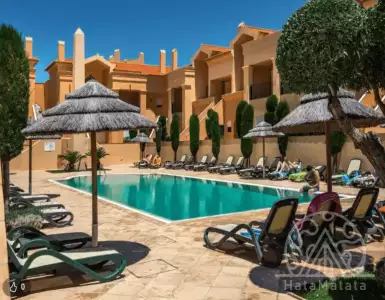







Types of assets to consider:
- New-build apartments from credible developers: easier to rent in prime neighbourhoods but watch completion risk.
- Resale apartments with trading history: better for immediate rental revenue and easier resale.
- Villas and second homes: appeal to lifestyle buyers, but can be slower to sell outside high-demand coastal corridors.
Comparing Turkey with other alternatives cited by experts
Experts singled out Greece and Panama alongside Turkey, with other cities such as London and Lisbon also part of broader diversification strategies. Here's a quick comparative lens:
- Turkey: Citizenship-by-investment route via property is a key differentiator. Strong regional accessibility for buyers from the Gulf and Iran. Mixed macro backdrop and currency risk need active management.
- Greece: Golden Visa program is popular for residency permits tied to property investment; the program has different conditions than Turkey’s and is EU-linked, which attracts a distinct buyer profile.
- Panama: The qualified investor program grants residence quickly; it is attractive for buyers seeking fast administrative routes but is geographically distant for many Middle Eastern investors.
Each option trades off regulatory certainty, tax profile and liquidity. Many investors will split exposures rather than move everything to a single market.
Market outlook: timing, price risk and recovery expectations
The experts cited in the source give a guarded timetable. Key points:
- Expect at least 12–18 months for a geo-politically induced correction in Dubai to reverse under normal circumstances.
- Price reaction often lags volume declines. Right now many sellers are holding, so more visible price falls could arrive after the current freeze breaks.
- Early data show a 4%–5% price decline in Dubai already, and experts warn of a more pronounced correction in the next quarter.
For Turkey, short-term pressure is different — demand from buyers seeking citizenship or immediate relocation could support selected neighbourhoods and asset classes. But this demand is concentrated and could face competition, legal changes or shifts in currency that affect affordability for foreign buyers.
The takeaway for investors: shifting from one geopolitical hotspot to another is not risk-free. You trade one set of upsides for another set of exposures. Our view is that a diversified cross-border approach — with explicit exit planning and legal confirmation of residency/citizenship claims — is the most defensible path.
Action plan for serious buyers: a step-by-step checklist
If you are preparing to move capital to Turkey property, do this before you sign:
- Engage a reputable local lawyer experienced with foreign buyers and citizenship-by-investment cases.
- Obtain an independent title search and request a land registry certificate.
- Verify the citizenship program rules at the official government source and record processing timelines.
- Ask for audited or verifiable resale comparables for the exact block or complex you are considering.
- If you plan to rent, secure written evidence of typical rental returns and occupancy rates for that micro-market.
- Run currency-scenario stress tests on your expected returns and plan hedging if necessary.
- Include a clause in contracts that protects against developer non-delivery or significant delays.
We have seen buyers accelerate when geopolitical risk rises. That is understandable, but speed without structure is where mistakes happen.
Frequently Asked Questions
Q: Can buying property in Turkey give me citizenship?
A: The article notes Turkey’s citizenship-by-investment route tied to property acquisition, which has produced increased demand from Iranian and Gulf buyers. Program details change, so always verify the current legal requirements with official government sources and a qualified Turkish lawyer.
Q: How badly has Dubai been affected and how long will recovery take?
A: According to DXB Interact data, sales fell 30.5% and transaction value dropped 36% in the four weeks after the conflict widened. Industry experts quoted expect that geo-political corrections can take 12–18 months or longer to reverse, and early price declines of 4%–5% have already been recorded.
Q: Is Turkey safer as an investment than Dubai right now?
A: “Safer” depends on which risks you prioritize. Dubai retains advantages such as zero income tax and strong regulatory frameworks, but recent geopolitical shifts raised liquidity and exit concerns. Turkey offers residency and citizenship pathways attractive to some buyers, along with strong demand from specific nationalities, but it also carries its own macro and currency risks. You must evaluate legal, tax and exit risks rather than rely on labels of safety.
Q: What are the immediate practical risks when buying abroad now?
A: Immediate risks include reduced liquidity, changing program rules for residency/citizenship, developer delivery risk for off-plan properties, foreign-exchange exposure and tax surprises. Doing the right legal and fiscal homework is essential.
Final assessment
The drop in Dubai sales and transaction value is a clear market signal: investors are re-evaluating geographic concentration and exit readiness. Turkey is attractive for many buyers because it combines property options with a route to citizenship and relatively easy regional access. That appeal has real weight, but it does not remove legal, currency or resale risks. If you are considering Turkish property as a Plan B, treat the move as a structured repositioning: confirm citizenship rules from official sources, secure legal title checks, model FX scenarios and demand verifiable resale data for the exact assets you plan to buy. Expect a market environment where careful paperwork matters as much as the headline yield figures.
Tags
We will find property in Turkey for you
- 🔸 Reliable new buildings and ready-made apartments
- 🔸 Without commissions and intermediaries
- 🔸 Online display and remote transaction

International Real Estate Consultant

Subscribe to the newsletter from Hatamatata.com!
Subscribe to the newsletter from Hatamatata.com!
Popular Posts

We will find property in Turkey for you
- 🔸 Reliable new buildings and ready-made apartments
- 🔸 Without commissions and intermediaries
- 🔸 Online display and remote transaction
International Real Estate Consultant

Subscribe to the newsletter from Hatamatata.com!
Subscribe to the newsletter from Hatamatata.com!
I agree to the processing of personal data and confidentiality rules of Hatamatata

Need advice on your situation?
Get a free consultation on purchasing real estate overseas. We’ll discuss your goals, suggest the best strategies and countries, and explain how to complete the purchase step by step. You’ll get clear answers to all your questions about buying, investing, and relocating abroad.



Sales Director, HataMatata