


Dutch buyers have overtaken Brits on the Costa Blanca — average purchase €315,334

Dutch buyers have overtaken Brits on the Costa Blanca — what the numbers tell us
If you are following the property in Spain market, this is one of the clearest recent shifts: buyers from the Netherlands became the largest spenders in Alicante province in the first half of 2025, pushing the British further down the value rankings. New data from the General Council of Notaries for H1 2025 show an unmistakable change in who is driving demand for higher-value homes on the Costa Blanca.
The headline figures are blunt and useful. The average Dutch family spent €315,334 on a property in Alicante in H1 2025 — higher than Swiss buyers at €286,446, Norwegians at €276,110, Belgians at €275,095, the French at €236,655, and British buyers at €230,623. For context, the average foreign buyer in the province now pays €216,602, which is about 40% higher than five years ago and nearly €80,000 more than the average local Spanish buyer, who pays €137,437.
These numbers are more than trivia. They point to changing buyer profiles, different housing segments, and policy-driven demand shifts that matter for anyone buying, selling or investing in Alicante.
How and why Dutch buyers moved to the top
Several clear patterns explain why Dutch purchasers are now the biggest spenders per transaction on the Costa Blanca:
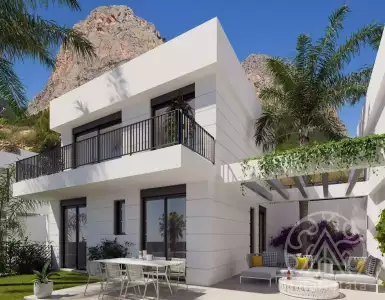
- Different buyer objectives. According to notaries’ data and local market reporting, the Dutch are buying more new-build villas and homes in exclusive urbanisations, often as primary or long-term residences rather than seasonal second homes.
- Product preference. New-build, modern villas and gated developments command higher prices than older, smaller holiday apartments. The average Dutch purchase of €315,334 aligns with the type of product they target.
- Financial capacity and developer targeting. Developers in Alicante have focused construction and marketing on higher-margin projects aimed at Northern European markets. That strategy attracts buyers able to spend more on contemporary properties with amenities and security.
From an investor perspective, that means the northern-European buyer segment is paying premiums for quality, location and long-term liveability. If you are targeting rental yield from long-term expat tenants or resale to similar buyers, new-build villas and higher-spec developments remain attractive, but you must pay a price premium for that position.
Why British spend fell and how Brexit altered demand
The shift is not because Brits stopped buying; they still purchase the most units in Alicante province by volume. The difference is in what they buy and how much they spend. Several mechanics are at work:
- Residency/time limits. Since Brexit, UK nationals who are not residents in an EU country are limited to 90 days in any 180-day period under Schengen rules. That has changed preferences: many British buyers are now focused on “lock-up-and-leave” holiday apartments rather than on high-end permanent residences.
- Product choice and price point. The British market has tilted towards more affordable apartment stock in areas such as Torrevieja and Orihuela Costa, where holiday rentals and short-stay use dominate. That shifts the average British spend down to €230,623 in the period measured.
I think the Brexit effect is straightforward: limited stay rights reduce the practical appeal of buying a high-value primary residence unless the buyer obtains Spanish residency by other means. The market reaction is predictable — higher spending from buyers who plan to live in Spain more permanently, and more modest purchases from those who will use properties as holiday bases.
What the widening price gap means for locals and for the market
The data show a growing gulf between what foreign buyers pay and what local Spanish buyers pay: foreign buyers average €216,602 versus €137,437 for locals. That is significant in policy and planning terms:
- Local affordability pressure. Developers increasingly focus on projects that attract wealthier foreign buyers, which can squeeze supply of mid-market housing for local residents.
- Urban change and social effects. When inflows of higher-spending foreign buyers concentrate in coastal towns, local rental markets, shop services and year-round community composition can change.
- Political sensitivity. Local authorities in some areas have already debated measures to preserve affordable housing for residents. The gap makes such interventions more likely.
From an investor’s point of view this creates trade-offs. On the one hand, rising demand from affluent foreigners supports price growth and provides a thin-luxury niche with resilience. On the other hand, political or regulatory responses aimed at protecting local housing—such as incentives for affordable build, tourist rental restrictions or changes to planning—could alter the investment case for new developments concentrated on holiday use.
Segment-by-segment snapshot: who is buying what in Alicante
The notaries’ figures and market commentary point to a clear segmentation of the Alicante property market by nationality and purpose:
- Dutch buyers: Average spend €315,334. Predominantly new-build villas and properties in exclusive urbanisations intended for primary or semi-permanent occupation.
- Swiss buyers: Average €286,446. Tend to target high-quality apartments and villas in mid- to high-range developments.
- Norwegians: Average €276,110. Similar to Swiss patterns, with a preference for comfort and modern amenities.
- Belgians: Average €275,095. Active in mid to upper mid-range segments.
- French buyers: Average €236,655. A steady mid-market presence.
- British buyers: Average €230,623. Higher volume of smaller holiday apartments and “lock-up-and-leave” stock, particularly in Torrevieja and Orihuela Costa.
- Buyers from Morocco and Algeria: Represent the lower end of the average spend spectrum; typically they buy older properties for family or work connections rather than new developments.
These differences matter when you decide which submarket to enter. Rental demand, occupancy patterns and yield prospects vary sharply between high-end villas aimed at long-stay residents and small holiday apartments aimed at seasonal tourists.
Practical implications: advice for buyers and investors
As a journalist who watches these markets, here is what I see as practical, experience-based guidance for buyers and investors considering property in Spain, and Alicante specifically:
- Understand buyer segmentation and your target tenant/buyer.





Tax, financing and legal considerations must be part of any purchase plan. Speak to a local notary, an independent lawyer experienced in Spanish property law, and a tax adviser who knows cross-border tax issues. The General Council of Notaries supplies transaction-level data but not legal advice — your advisors should validate title, usage permissions and local planning before contracts are signed.
Risks and warning signs to watch
A few direct risks emerge from the current dynamics:
- Price inflation in specific corridors. When new-build, higher-end projects cluster, prices can accelerate locally, raising the cost for anyone trying to buy in later phases.
- Regulatory changes. Municipalities may tighten rules on short-term rentals or reorient zoning to protect local housing stock; that can reduce holiday rental yields.
- Market concentration. Heavy reliance on specific buyer nationalities exposes sellers and investors to policy or macro shocks in those source countries.
- Mismatch between product and market. Buying a high-spec villa intended for year-round occupancy but relying on a British holiday market that has shortened stays increases the resale risk.
I recommend running scenario tests on your expected returns: what happens to rental income if tourist demand drops 20%? What if a municipality restricts short-term lets? Conservative assumptions will protect you from headline returns that look attractive but are fragile.
What this means for towns such as Torrevieja, Orihuela Costa and exclusive urbanisations
- Torrevieja and Orihuela Costa: Expect continued demand for smaller, accessible apartments at moderate prices from British holiday buyers. If your plan is short-let, source property close to transport links and amenities that support tourism off-season.
- Exclusive urbanisations and new-build villas: These are where Dutch, Swiss and Norwegian buyers spend more. If you target these products, be prepared for higher purchase prices and a buyer demographic oriented to comfort, security and long-term living.
For investors focused on capital appreciation, properties that appeal to the higher-spending northern European buyers can perform well, because those buyers pay premiums that support price growth. For investors focused on yield, smaller apartments in well-located towns still offer more immediate rental opportunities, but with greater management complexity.
Frequently Asked Questions
Q: Why have Dutch buyers become the biggest spenders on the Costa Blanca?
A: The General Council of Notaries figures for H1 2025 show Dutch buyers spent an average of €315,334. That reflects a preference for new-build villas and properties in exclusive urbanisations intended for primary or long-term use, plus developers actively marketing higher-end stock to northern European buyers.
Q: How has Brexit changed the British role in the Alicante property market?
A: Brexit left British nationals subject to Schengen rules that limit stay to 90 days in any 180-day period unless they have residency. That has pushed many UK buyers toward holiday apartments and “lock-up-and-leave” stock in coastal resorts, which tends to be cheaper than high-end permanent residences.
Q: Is the rise in foreign buyer spending pricing locals out of Alicante?
A: The widening gap is real: average foreigner spend €216,602 vs local Spanish €137,437. This nearly €80,000 difference is causing concern over local affordability because developers respond to higher-margin foreign demand, reducing mid-market supply for locals.
Q: If I want to invest in Alicante, what should I prioritise?
A: Decide on the strategy first—capital growth or rental yield. If you want capital appreciation and a buyer pool of affluent northern Europeans, consider new-build villas and higher-spec developments. If you want rental yield or short-stay income, look at well-located apartments in Torrevieja, Orihuela Costa or similar towns but factor in management costs and potential regulatory changes.
Bottom line (practical takeaway)
The notaries’ H1 2025 data show that the Costa Blanca market is splitting along clear lines: higher spenders from northern Europe are buying newer, pricier stock for longer-term use, while British demand is shifting toward more modest holiday apartments because of time-in-country restrictions. For buyers and investors, the takeaway is simple and specific: match product choice to your intended use and plan for the political and regulatory environment — the current average foreign purchase is €216,602, and that premium over local prices is a central feature of the Alicante market today.
Tags
We will find property in Spain for you
- 🔸 Reliable new buildings and ready-made apartments
- 🔸 Without commissions and intermediaries
- 🔸 Online display and remote transaction

International Real Estate Consultant

Subscribe to the newsletter from Hatamatata.com!
Subscribe to the newsletter from Hatamatata.com!
Popular Posts

We will find property in Spain for you
- 🔸 Reliable new buildings and ready-made apartments
- 🔸 Without commissions and intermediaries
- 🔸 Online display and remote transaction
International Real Estate Consultant

Subscribe to the newsletter from Hatamatata.com!
Subscribe to the newsletter from Hatamatata.com!
I agree to the processing of personal data and confidentiality rules of HatamatataPopular Offers

 2
2
 1
1
 60
60
 1
1
52
1
1
52
 1
1
58
1
1
58
Need advice on your situation?
Get a free consultation on purchasing real estate overseas. We’ll discuss your goals, suggest the best strategies and countries, and explain how to complete the purchase step by step. You’ll get clear answers to all your questions about buying, investing, and relocating abroad.



Irina Nikolaeva
Sales Director, HataMatata