


Dutch Buyers Surge into Spain’s Property Market — What Investors Need to Know

Dutch buyers move up: a real shake-up for real estate Spain
The real estate Spain market saw a notable shift in 2025 as Dutch buyers climbed to second place among foreign purchasers, taking 6.7% of international transactions in Q4. That put them just behind the British at 7.9% and ahead of the Germans at 6.6%, according to Property Registrars data. This is more than a ranking change; it signals a shifting demand profile for coastal and luxury housing across Spain.
We think this trend is more than seasonal curiosity. The rise of Dutch buyers has implications for pricing in coveted micro-markets, the types of homes in demand, and how overseas investors should approach due diligence and tax planning.
How the numbers add up: who is buying and how fast
- Q4 2025 ranking among foreign buyers: British 7.9%, Dutch 6.7%, Germans 6.6% (Property Registrars).
- Growth in Dutch transactions (2023–2025): almost 50% increase, with volumes reaching €52 million (Dils Lucas Fox).
- Hotspot growth: micro-destinations including Jávea, the northern Costa Blanca and Girona on the Costa Brava recorded growth of more than 42% in 2025 for Dutch buyers (Dils Lucas Fox).
Those figures are concrete. The near-50% rise in two years and a mid-year spike to 6.7% market share among foreigners tell us demand is not marginal. Dutch family offices and private buyers are increasing allocations to Spanish property. Paloma Pérez Bravo, Residential CEO at Dils Lucas Fox, captures the motivation: “Dutch buyers are drawn by Spain’s unique lifestyle, sunny climate, outdoor living opportunities, excellent connectivity, and the potential returns of owning property here.”
That quote explains a lot, but it leaves out operational details: purchase costs, local taxes, and the type of stock being snapped up. We cover those points below.
Where Dutch buyers are concentrating: micro-destinations and product mix
The shift is geographically focused. Dutch buyers are not scattering evenly across Spain; they are clustering in a handful of micro-destinations that offer sun, sea access, and a lifestyle shift from Northern Europe.
Key locations:
- Jávea/Xàbia: Traditional favourite with sheltered coves and upmarket villa stock.
- Northern Costa Blanca: Towns north of Alicante where quality villas and gated communities sit near international airports.
- Girona and the Costa Brava: Coastal towns with historic centres and luxury villas close to Barcelona transport links.
Product types preferred by Dutch purchasers in 2025:
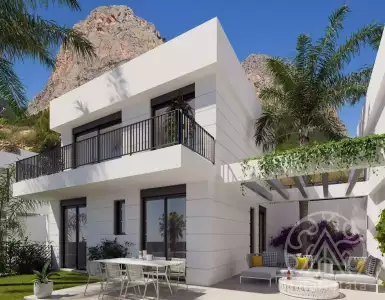
- 51.6% luxury villas — ready-to-live-in detached homes with outdoor spaces.
- 31.3% apartments — often turnkey or within secure complexes.
- 6.3% country houses — for buyers seeking rural privacy and land.
- 10.8% other types — including plots, townhouses and mixed-use units.
This mix tells us that Dutch buyers favour move-in-ready properties with outdoor amenities. That is consistent with the age profile: typical age 45–60, rising to 50–60 on the Costa Blanca. Buyers in that bracket are looking for retirement comfort, family-use second homes, or lifestyle-led investments that require limited refurbishment.
Buyers’ motives: lifestyle vs investment — the split that matters
Dils Lucas Fox data show a near-even split in purchase intent among Dutch buyers in Spain:
- 45.3% purchase as main residence
- 45.3% buy as second home
- 9.4% buy as investment
This even split between primary and secondary use is notable. Many nationalities lean heavily towards second homes or investment stock; the Dutch mix indicates long-term lifestyle migration as well as seasonal ownership. For investors, that matters because a primary-residence buyer will behave differently in the market — lower churn, higher maintenance standards, and interest in community and health services rather than pure yield.
What this means in practice:
- Areas popular with Dutch buyers will see demand for ready-to-occupy villas and apartments rather than fixer-uppers.
- Short-stay rental yield might not be the primary concern for many; owners prize living standards and proximity to services.
- Dutch family offices looking for returns are likely to combine lifestyle assets with structured investments, such as managed lettings or co-ownership models.
Market impact and price pressure: read the signs carefully
When a new buyer nationality increases presence quickly, local supply and pricing respond. We can expect:
- Upward pressure in micro-markets where supply is limited — particularly detached villas with sea views.
- Faster sales cycles for turnkey properties that match Dutch preferences.
- Increased competition during peak seasons for viewings and pre-construction off-plan slots.
That said, Spain’s market is broad. The pressure is concentrated: not all regions will see the same movement.





Risks to watch:
- Overpaying in a micro-market where the buyer pool is temporarily skewed by nationality-led demand.
- Misjudging total acquisition costs — taxes, notary fees, and community charges can erode returns if not forecast accurately.
- Supply-side changes such as new planning rules, or an influx of similar buyers from other countries, which could slow price growth once demand normalizes.
We advise buyers and investors to run scenario models for appreciation and rental yield rather than relying on headline growth figures.
Practical guidance for Dutch and other foreign buyers in Spain
If you are an investor or buyer considering Spain because of these trends, here are practical steps we recommend based on market behaviour and legal realities.
- Get local advisors early
- Hire a Spanish lawyer who specialises in property transactions for foreigners.
- Engage a gestor or tax advisor to model property taxes, wealth taxes and implications for your home country.
- Verify the property status and costs
- Check the land registry (Registro de la Propiedad) for liens and encumbrances.
- Confirm utility connections and any outstanding community charges.
- Budget for transaction costs which typically include transfer tax (varies by region), notary fees, registration and agent fees.
- Consider purpose-driven choices
- For a main residence, prioritise proximity to healthcare, schools and reliable transport.
- For a second home, focus on accessibility from the Netherlands (flight time, regional airports) and local amenities during holidays.
- For an investment purchase, run rental yield scenarios for both long-term leases and short-term holiday lets; check local licensing rules for tourist rentals.
- Time the market and be selective
- Look for properties with structural value: location, sea access, orientation, and the possibility to add value through legal refurbishments.
- Resist bidding wars that push you beyond fair market value based on comparative sales.
- Consider ownership structures
- Dutch family offices increasingly invest through Spanish companies or fractional ownership to simplify management and tax liabilities. Seek specialist advice.
Financing, taxes and aftercare: the nuts and bolts
Financing for foreigners is possible through Spanish lenders and international banks, but conditions vary. Expect loan-to-value ratios to be lower for non-residents and interest rates to reflect borrower profile.
Tax items to plan for:
- Transfer tax or VAT applies depending on whether you buy resale or new build; rates differ by region.
- Annual property taxes and community fees can be significant for villas with gardens and pools.
- Non-resident income tax applies to rental income; capital gains tax applies on sale. Residency status changes the tax profile.
If you plan to spend extended periods in Spain, consult a tax expert on residency thresholds and double taxation treaties between Spain and the Netherlands.
Aftercare and management
- If you won’t live year-round in Spain, hire a local property manager to oversee maintenance, rentals and community obligations.
- Insurance for coastal properties should cover storm risk, water damage and liability for guests.
What agents and sellers are saying — and why that matters
Estate agencies report that Dutch buyers seek immediate occupancy and outdoor space. That has consequences for how sellers market their properties: high-quality photography of terraces, pools and nearby beaches; staging that emphasises outdoor living; and clear documentation of transport links.
Agents also note a rise in group viewings from Dutch buyers, where families or investing groups assess clusters of properties in one trip. Sellers who can present ready-to-live-in villas with straightforward legal status and energy certificates often secure quicker sales at stronger prices.
Strategic takeaways for investors and agents
- If you are an investor, target assets where Dutch demand is rising but also check broader appeal to avoid over-reliance on one nationality.
- Agents should tailor marketing to Dutch preferences: English and Dutch-language materials, clear travel advice and documented costs.
- For developers, there is opportunity in ready-to-move-in product with low maintenance, outdoor amenities and strong energy performance.
We recommend building scenarios around two outcomes: sustained Dutch demand and a normalization where other foreign buyers return to historical shares. Price sensitivity and supply response will determine which outcome plays out.
Frequently Asked Questions
Are Dutch buyers buying mostly for lifestyle or yields?
Dutch buyers split almost evenly: 45.3% buy as primary residence and 45.3% as second homes, with 9.4% for investment. That points to lifestyle motives dominating but family offices and investors are taking positions with a yield element.
Which regions in Spain are seeing the most Dutch activity?
The hotspots are Jávea (Xàbia), the northern Costa Blanca, and Girona on the Costa Brava. These micro-destinations showed growth of more than 42% for Dutch buyers in 2025.
What types of properties do they prefer?
Ready-to-live-in homes with outdoor space dominate: 51.6% villas, 31.3% apartments, and 6.3% country houses, with the remainder being other property types.
How should foreign buyers handle taxes and legal checks?
Engage a Spanish property lawyer and tax advisor before making offers. Verify registry records, outstanding charges, and regional transfer tax or VAT liabilities. If you are not resident, expect different tax rules for rental income and capital gains.
Final assessment: an opportunity that demands discipline
The Dutch rise in Spain’s foreign buyer ranks is measurable and concentrated: 6.7% of foreign purchases in Q4 2025 and nearly 50% growth in Dutch transactions between 2023 and 2025, amounting to €52 million. For buyers and investors that means stronger competition for turnkey villas in specific coastal towns and a need for careful pricing, tax planning, and post-purchase management.
We are bullish on the quality-of-life case for Spain, but cautious about assuming uninterrupted price gains. If you are considering a purchase, treat the current demand spike as a factor to price against, not a guarantee of future appreciation. Remember the concrete fact that Dutch buyers accounted for 6.7% of international transactions in Q4 2025 when you model market entry and exit scenarios.
Tags
We will find property in Spain for you
- 🔸 Reliable new buildings and ready-made apartments
- 🔸 Without commissions and intermediaries
- 🔸 Online display and remote transaction

International Real Estate Consultant

Subscribe to the newsletter from Hatamatata.com!
Subscribe to the newsletter from Hatamatata.com!
Popular Posts

We will find property in Spain for you
- 🔸 Reliable new buildings and ready-made apartments
- 🔸 Without commissions and intermediaries
- 🔸 Online display and remote transaction
International Real Estate Consultant

Subscribe to the newsletter from Hatamatata.com!
Subscribe to the newsletter from Hatamatata.com!
I agree to the processing of personal data and confidentiality rules of HatamatataPopular Offers
 1
1
 1
1
 61
61
 1
2
83
1
2
83
 1
1
65
1
1
65
Need advice on your situation?
Get a free consultation on purchasing real estate overseas. We’ll discuss your goals, suggest the best strategies and countries, and explain how to complete the purchase step by step. You’ll get clear answers to all your questions about buying, investing, and relocating abroad.



Irina Nikolaeva
Sales Director, HataMatata