


Florida Plunges Near Bottom of US Housing Markets — What Buyers and Investors Should Do

Florida's real estate slump: a blunt wake-up call
The real estate USA picture just got sharper: a new Construction Coverage analysis puts Florida among the worst housing markets in the country, with a composite score of 7.8 out of 100. That rank is the second-lowest among states, behind Texas at 7.3, while Connecticut tops the list with 93.9. Those numbers are hard to ignore for anyone holding property, planning a purchase, or allocating capital in U.S. housing.
This is not a minor shift. The report—Construction Coverage’s 2026 edition of the hottest real estate markets—uses measurable market indicators such as days on market, price growth and bidding activity to create its rankings. The result is stark: Southern states, including Florida, are clustered near the bottom. Our analysis parses what that means for buyers and investors, which Florida cities are most affected, and how to approach opportunities that remain.
How Construction Coverage scores markets
Construction Coverage compiles a composite score for each state and for individual metro areas using a set of objective indicators. The key inputs mentioned in the report are:
- Days houses remain on the market (speed of sale)
- Price growth (year-over-year appreciation)
- Bidding activity (competition among buyers)
These metrics feed a composite that ranks markets from hottest to coldest. Florida’s 7.8 means its housing activity and price momentum are extremely weak compared with states at the top, like Connecticut at 93.9.
Why these metrics matter to buyers and investors
- Days on market signals how quickly inventory moves; longer times indicate weaker demand.
- Price growth shows the recent return on capital; slowing appreciation reduces capital gains for sellers and impacts investor yields.
- Bidding activity affects short-term price volatility; fewer bidding wars mean more room to negotiate.
Put together, the metrics give a snapshot of liquidity, valuation pressure and transaction competitiveness. For investors, they also indicate where risk of downward price adjustments is highest.
Why Florida scored so poorly
Construction Coverage points to several interlocking causes. We see the same forces on the ground:
- Rapid past price increases in many Florida metros inflated buyer expectations and prices, reducing affordability.
- Rising mortgage rates have weakened purchasing power. Higher rates reduce how much buyers can borrow and slow transactions.
- Return-to-office mandates have cut into post-pandemic migration trends. Remote work fueled moves to Sun Belt states; as office returns increase, some of that incentive fades.
These factors are especially painful in the South. The report notes the Southern U.S. makes up eight of the bottom 15 states in the ranking. Only Virginia finished in the top 15 among Southern states, at No. 12.
I think the most revealing point is how quickly demand dynamics changed after extraordinary price growth during the pandemic. Markets that relied on fast in-migration for buyers are now correcting to a new normal when affordability and borrowing costs matter more.
City-level breakdown: which Florida markets are worst hit
The report singles out large and mid-size Florida cities with poor scores.
- Jacksonville is the worst housing market among large U.S. cities with a score of 16.
- Tampa recorded a score of 17.4, placing it near the bottom among big metros.
- Miami sits as the seventh-worst large-market in the ranking.
No major Florida metro is in the top 15 hottest markets. That top list is led by San Francisco, then San Jose and Minneapolis.
Mid-size Florida markets are also weak:
- Cape Coral is last in the country among mid-sized markets.
- St. Petersburg comes in just above Cape Coral.
- Hollywood, Port St. Lucie and Pembroke Pines also placed in the lower tier.
These results show the slowdown is broad-based across the state, not confined to one city.
What this means for buyers in Florida
For those looking to buy a home in Florida, the shift changes negotiating power and the checklist for a sound purchase.
Practical implications:
- More negotiating leverage: With lower bidding activity and increased days on market, buyers can ask for price reductions, seller concessions, or repairs. Expect fewer bidding wars.
- Watch price trends by neighborhood: State-level and city-level data hide micro-market differences. Some neighborhoods with strong employment or limited supply will still see steady demand.
- Check affordability: Rising mortgage rates reduce how much you can borrow. Run affordability scenarios at current mortgage rates, not last year’s.
- Use inspection and contingency windows: In a softer market, sellers may accept tougher contingencies.


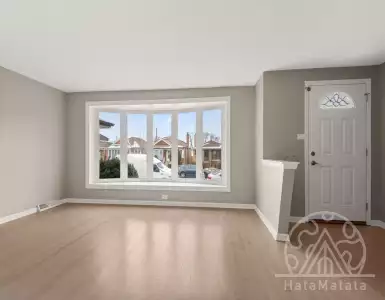
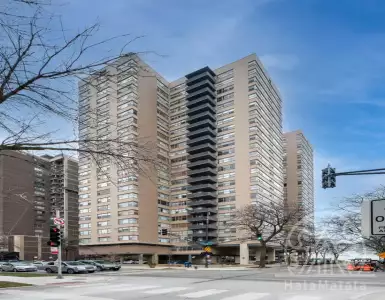



A sober strategy is to buy with a margin of safety. That means not stretching budgets to chase a property that may see only modest appreciation while carrying higher borrowing costs.
What this means for investors and landlords
Investors need a different checklist. A market with low price momentum can still be attractive for yield-focused strategies—if fundamentals support cash flow.
Key investment considerations:
- Rent fundamentals: Check vacancy rates, rent growth and local job markets. If rents remain stable or growing, buy-to-rent can work even if capital appreciation stalls.
- Cap-rate discipline: With slower price growth, cap rates matter more. Focus on properties where expected rental income covers debt service with a buffer for vacancy and maintenance.
- Local demand drivers: Proximity to healthcare, education and government jobs can insulate demand. Avoid markets reliant on speculative migration.
- Exit planning: In softer markets, holding periods may need to be longer. Plan for at least a multi-year horizon unless the asset has immediate yield.
We advise investors to run stress tests on rental cash flows under higher vacancy and flat rent assumptions.
Risks and red flags to monitor
The Construction Coverage report flags structural headwinds. We identify practical warning signs that a market could underperform further.
- Sustained decline in bidding activity: If auctions and multiple-offer situations evaporate, price discovery becomes weaker.
- Rising days on market across price tiers: A market that slows only at the top is different from one where starter homes also sit unsold.
- Employment contraction or slowing migration: Job losses or reduced in-migration reduce demand for both homes and rentals.
- Overbuilding: New construction that outpaces absorption increases months of supply and pushes prices down.
If several of these indicators move the wrong way, buyers should be cautious and investors should tighten underwritten returns.
Where opportunities might remain
A cooling market does not mean shut down. There are routes to find value in Florida right now.
Potential opportunity areas:
- Distressed or motivated-seller transactions: Slower markets generate more motivated sellers who will negotiate on price and terms.
- Value-add rental plays: Renovation and repositioning can increase rents and yields in submarkets with stable tenant demand.
- Affordable housing fundamentals: Starter homes may still have steady demand where local incomes are rising.
- Selective submarkets with supply constraints: Tightly zoned neighborhoods or islands of low inventory can buck broader trends.
Each opportunity requires local due diligence. We recommend on-the-ground checks of rental demand, permit pipelines, and recent comparable sales.
Practical checklist before you act
Whether you are buying a primary home, a vacation purchase or an investment, use this checklist:
- Verify current local price trends and days on market data for the specific neighborhood.
- Recalculate affordability at prevailing mortgage rates and stress-test with a rate increase.
- Confirm employment and migration trends from local economic reports.
- Inspect new supply and pipeline for the submarket.
- For investors: model cash flow with conservative rent growth and higher vacancy assumptions.
These steps help avoid being caught by regional weakness that shows up in state-level scores like Florida’s 7.8.
Frequently Asked Questions
Q: How did Florida score so low in Construction Coverage’s ranking?
A: The report used metrics such as days on market, price growth and bidding activity. Florida’s composite score was 7.8, driven down by slower price growth, fewer competitive bids and longer selling times—factors linked to past rapid price increases, higher mortgage rates and changes in migration patterns.
Q: Are all Florida cities equally weak?
A: No. The weakness is broad but uneven. Jacksonville scored 16 and is the worst among large U.S. cities; Tampa scored 17.4; Miami ranked as the seventh-worst large market. Mid-size markets like Cape Coral and St. Petersburg are at the bottom. Still, some neighborhoods may be more resilient.
Q: Does this mean I should not buy in Florida?
A: Not necessarily. A softer market can offer negotiating power and investment entry points. But buyers should be disciplined: run affordability tests at current mortgage rates, verify local job and rent fundamentals, and avoid overpaying based on peak prices.
Q: What should investors prioritize now?
A: Prioritize cash-flow metrics and downside protection. Model rents conservatively, insist on lower leverage, and focus on submarkets with steady employment or constrained supply.
Bottom line
Florida’s real estate market is cooling in measurable ways. The Construction Coverage 2026 ranking places Florida at a composite 7.8, second only to Texas at 7.3. Home sales across the U.S. are down 8.3% year-over-year, and price growth has slowed to about 1.1% in some markets, signaling a much less fevered environment for property transactions.
For buyers and investors, the change reduces the risk of overpaying but raises the need for careful local analysis. If you are active in Florida markets right now, focus on cash flow, check neighborhood-level supply and demand, and use the current cooling to negotiate stronger purchase terms. Florida's composite score was 7.8 in Construction Coverage’s 2026 ranking.
Tags
We will find property in USA for you
- 🔸 Reliable new buildings and ready-made apartments
- 🔸 Without commissions and intermediaries
- 🔸 Online display and remote transaction

International Real Estate Consultant

Subscribe to the newsletter from Hatamatata.com!
Subscribe to the newsletter from Hatamatata.com!
Popular Posts

We will find property in USA for you
- 🔸 Reliable new buildings and ready-made apartments
- 🔸 Without commissions and intermediaries
- 🔸 Online display and remote transaction
International Real Estate Consultant

Subscribe to the newsletter from Hatamatata.com!
Subscribe to the newsletter from Hatamatata.com!
I agree to the processing of personal data and confidentiality rules of HatamatataPopular Offers

 3
3
 120
120
 5
143
5
143
 2
165
2
165
Need advice on your situation?
Get a free consultation on purchasing real estate overseas. We’ll discuss your goals, suggest the best strategies and countries, and explain how to complete the purchase step by step. You’ll get clear answers to all your questions about buying, investing, and relocating abroad.



Irina Nikolaeva
Sales Director, HataMatata