


Grounds Developments’ Tamaraya: A 60,000 sqm Coastal Play for Year‑Round Living in South Hurghada

Tamaraya arrives on the Red Sea with a clear pitch for year‑round coastal living
A new developer has entered the Red Sea market with a project that reframes expectations for coastal housing in Egypt. Grounds Developments has launched Tamaraya, a low‑density residential scheme in South Hurghada positioned for primary residences, holiday stays and investment. From the first announcement, this move is relevant to anyone watching the real estate Egypt market: it signals developer appetite for all‑season living on the Red Sea rather than a purely seasonal tourism play.
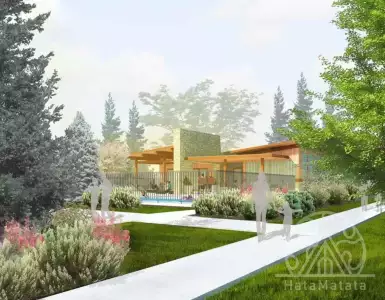
The project is small enough to be manageable but large enough to matter: Tamaraya covers approximately 60,000 sqm of land. Grounds Developments has appointed Studio Five for architectural and master planning duties; the consultancy has focused the design on open spaces, pedestrian routes and green areas that the developer says will exceed the built‑up footprint.
In our analysis this is an interesting attempt to pivot coastal supply toward residents rather than short‑stay tourists. But the move contains both opportunity and risk for buyers and investors. Below we break down what Tamaraya actually is, who is behind it, why it matters to the Hurghada property market, and what buyers should consider before committing capital.
What Tamaraya is — size, use and design brief
Tamaraya is introduced by Grounds Developments as a low‑density residential development on the Red Sea coast aiming to blend permanent living, tourism accommodation and investment units. Key facts from the launch:
- Site area: approximately 60,000 sqm
- Location: South Hurghada, Red Sea governorate
- Developer: Grounds Developments, founded by Youssef Fekry and led by industrialist Ali Fekry
- Architect and master planner: Studio Five
- Market positioning: year‑round residential destination (local buyers, Egyptian expats, international investors)
- Design priorities: open spaces, pedestrian zones, landscaping that will exceed the built‑up area, natural ventilation and optimal building orientation
The developer has insisted the project is not a seasonal resort. That matters because it influences unit types, infrastructure needs and marketing strategy. A year‑round community requires different considerations: more robust services, better insulation and ventilation strategies for summer months, and an owner/tenancy profile less dependent on peak tourist seasons.
Design and environmental approach
Studio Five’s brief is explicit about climate‑responsive design. The architectural team says they tailored the master plan to the Red Sea environment with an emphasis on:
- maximizing natural light while controlling heat gain
- orienting buildings for cross‑ventilation and shade
- landscaping that exceeds the built footprint, which helps microclimate moderation
- creating pedestrian‑focused streets and public areas that encourage outdoor living
Those are practical choices in Hurghada where climates are hot and wind patterns matter for comfort. Landscape areas that exceed built areas can also improve stormwater absorption and reduce heat island effect, both relevant to coastal projects.
Who is Grounds Developments and why the Red Sea now?
Grounds Developments is a relatively new name in Egypt’s property sector, founded by Youssef Fekry and led operationally by Ali Fekry, an industrialist with experience across project management and industrial sectors including cement packaging. Their background suggests a developer that understands supply chains, construction logistics and industrial‑scale coordination, all useful when moving into a coastal market.
This is the company’s first project in the Red Sea region. Launching Tamaraya is a strategic extension of their portfolio beyond existing assets and sectors. Their pitch to buyers focuses on:
- addressing growing demand for coastal housing in Egypt
- offering a low‑density product distinct from high‑rise hotel developments
- targeting a diverse buyer base: locals, expats and international capital
From an investor perspective, regional diversification makes sense. Hurghada and the Red Sea have long been tourism magnets; the new angle is supplying stock for year‑round residents rather than short‑term lettings alone.
How Tamaraya fits into the Hurghada and broader Egyptian property market
To understand Tamaraya’s potential, you must look at market dynamics in Hurghada and the broader coastal property Egypt scene. Hurghada has historically been a tourism‑led market with seasonal demand spikes driven by European holidays and dive tourism.

- growing numbers of Egyptian expats seeking second homes back in their homeland
- rising interest from long‑stay visitors and retirees looking for milder costs than Europe
- developers experimenting with mixed‑use coastal communities rather than pure resorts
Grounds Developments is tapping into those trends by pitching Tamaraya as a year‑round community. That strategy changes the metric of success: instead of measuring occupancy during peak weeks of the year, success will be measured by stable annual occupancy, owner occupation rates and long‑term rental yields.
Commercially, buyers should remember that coastal property Egypt has segments: beachfront resorts, gated communities, urban apartments and low‑rise residential compounds. Tamaraya positions itself in the low‑rise compound category, which often trades at a premium for privacy and quality of life.
What this launch means for buyers and investors — practical implications
If you are considering a purchase in Tamaraya or similar Red Sea projects, here are the practical implications we extract from the announcement and the market context.
- Product type: Expect low‑rise villas, townhouses or small apartment clusters rather than high‑rise blocks. Low density usually implies more private outdoor space and higher per‑unit land costs.
- Year‑round market: Developers targeting year‑round buyers must provide services and infrastructure compatible with permanent occupancy — schools, healthcare access, utilities, and reliable transport links to Hurghada city.
- Sustainability and running costs: The design focus on natural ventilation and orientation should reduce reliance on mechanical cooling. That can lower running costs for owners but effectiveness depends on final material choices and MEP systems that the developer installs.
- Buyer profile: Grounds targets local buyers, Egyptian expats and international investors. Each cohort has different drivers: locals may seek retirement or holiday homes, expats look for ties to home, and foreign investors measure rental yields and exit liquidity.
Practical checklist for prospective buyers or investors:
- Demand proof: Ask the developer for market studies showing year‑round demand and projected occupancy mix.
- Infrastructure plan: Confirm what on‑site and off‑site infrastructure will be delivered at handover (roads, utilities, waste management).
- Delivery schedule: Request a detailed construction timeline and penalties for delays.
- Exit and rental strategy: For investors, understand whether the development will allow short‑term rentals, long‑term leases or both, and what management services are offered.
- Maintenance costs: Low‑density and heavy landscaping can mean higher maintenance fees; factor that into total ownership cost.
Risks and what could go wrong
My view is that Tamaraya is an attractive concept for buyers seeking a different type of Red Sea product, but the project carries foreseeable risks that buyers must weigh.
- Seasonality risk: Even with a year‑round pitch, coastal economies are still cyclical. If tourism dips, local rental demand may not fully compensate.
- Delivery risk: New developers expanding into new regions carry execution risk. Confirm Grounds Developments’ track record and supply chain capability before signing contracts.
- Market liquidity: Coastal communities can be less liquid than urban apartments; resale can take longer in an oversupplied market.
- Environmental and regulatory risk: Coastal projects face environmental scrutiny and potential regulatory changes on zoning, building setbacks and conservation.
- Operating costs: Landscaped, low‑density developments often have higher running and maintenance costs, which can compress net rental returns.
We recommend buyers push for transparent data from the developer on these points and to include contractual protections where possible.
Comparative angle: how Tamaraya differs from other Red Sea offerings
Tamaraya’s design and marketing claims set it apart in several ways from typical Red Sea developments:
- It emphasizes green space that exceeds the built footprint, rather than maximizing floor area.
- It targets permanent residency rather than a seasonal holiday market.
- It is a low‑density project rather than high‑rise hotels or mass‑tourism compounds.
- Studio Five’s climate‑responsive orientation and ventilation are explicit design priorities.
Those differences influence buyer expectations. Low density and excess greenery usually command higher per‑square‑metre pricing but might produce better long‑term quality of life for residents.
Financing, ownership and legal points to check
Purchasing property in Egypt, whether local or foreign buyers, requires attention to financing and legalities. While the Tamaraya announcement did not spell out sales or financing terms, buyers should prepare to check the following:
- Title and land status: Confirm the land title, any mortgages or encumbrances, and that the developer has the right to sell.
- Purchase contracts: Get a clear payment schedule, handover conditions, and warranties for workmanship.
- Foreign ownership rules: Foreigners should confirm any restrictions or required approvals on property ownership in the Red Sea governorate.
- Taxation and fees: Understand stamp duty, registration fees and expected annual property taxes.
- Mortgage availability: Local banks’ willingness to lend on off‑plan coastal projects varies; ask the developer for preferred lenders.
These legal and financial checks are standard but crucial in new developments where delivery and paperwork determine risk exposure.
What buyers should ask Grounds Developments now
If you are considering Tamaraya, ask the developer for:
- A copy of the master plan and detailed phasing schedule
- Unit types, sizes and typical floor plans
- A complete list of on‑site and off‑site infrastructure to be delivered with the first phase
- Evidence of budgets for landscaping and maintenance reserves
- Sales contract template and statutory disclosures
Strong answers to these questions reduce uncertainty and let buyers assess value logically.
Frequently Asked Questions
What is the size and scope of Tamaraya?
Tamaraya covers approximately 60,000 sqm in South Hurghada and is planned as a low‑density residential development for primary homes, short‑stay tourism and investment units.
Who is developing Tamaraya and who designed it?
The developer is Grounds Developments, founded by Youssef Fekry and led by Ali Fekry. Studio Five is appointed as the architectural and master planning consultant.
Is Tamaraya a seasonal resort or a year‑round community?
Grounds Developments positions Tamaraya as a year‑round residential destination, targeting locals, Egyptian expatriates and international investors rather than being a purely seasonal resort.
What are the main design priorities for the project?
Design priorities include open, pedestrian‑friendly public spaces, landscaping that exceeds the built area, and building orientation and natural ventilation strategies aimed at improving environmental efficiency.
Verdict — who should take a closer look?
Tamaraya will interest buyers who prefer low‑density, landscaped coastal living and who want properties suited to long‑term occupation rather than short seasonal lets. Investors seeking stable, year‑round rental streams should request supporting demand analysis and confirm management plans for lettings and upkeep. Conservative buyers should verify the delivery record of Grounds Developments and insist on contractual clarity about timelines and maintenance obligations.
The project is a clear signal that developers are attempting to broaden the Red Sea product mix beyond resorts. That could improve the overall health of the coastal real estate Egypt market if delivery, infrastructure and demand align. For now, the concrete fact that anchors this project is simple: Tamaraya is a roughly 60,000 sqm low‑density coastal development in South Hurghada.
Tags
We will find property in Thailand for you
- 🔸 Reliable new buildings and ready-made apartments
- 🔸 Without commissions and intermediaries
- 🔸 Online display and remote transaction

International Real Estate Consultant

Subscribe to the newsletter from Hatamatata.com!
Subscribe to the newsletter from Hatamatata.com!
Popular Posts

We will find property in Thailand for you
- 🔸 Reliable new buildings and ready-made apartments
- 🔸 Without commissions and intermediaries
- 🔸 Online display and remote transaction
International Real Estate Consultant

Subscribe to the newsletter from Hatamatata.com!
Subscribe to the newsletter from Hatamatata.com!
I agree to the processing of personal data and confidentiality rules of Hatamatata


Need advice on your situation?
Get a free consultation on purchasing real estate overseas. We’ll discuss your goals, suggest the best strategies and countries, and explain how to complete the purchase step by step. You’ll get clear answers to all your questions about buying, investing, and relocating abroad.



Irina Nikolaeva
Sales Director, HataMatata