


Indonesia’s Real Estate Surge: Market to Hit $93.75bn by 2031 — What Investors Should Know

Indonesia real estate: a $90bn market in the making
The Indonesia real estate market is on track to expand from USD 70.37 billion in 2026 to USD 93.75 billion by 2031, according to a new report from Mordor Intelligence. That projection, which implies a compound annual growth rate (CAGR) of 5.91%, is driven by accelerating urbanisation, major infrastructure projects and a shift toward industrial and logistics property. For buyers, investors and expatriates watching Southeast Asia, this is progress worth putting under a microscope.
In this piece we break down the numbers, map where the growth will occur, explain which sectors offer the best risk-adjusted returns and flag the practical legal and market hurdles that matter to anyone thinking of committing capital. I have covered property markets across Asia for years; here I apply that experience to the Indonesian context and point to the pragmatic steps investors should take now.
Market snapshot: the headline figures and what they mean
- Market size (2026): USD 70.37 billion
- Projected market size (2031): USD 93.75 billion
- Forecast CAGR (2026–2031): 5.91%
Those figures are not guesses. They come from the Mordor Intelligence report and reflect demand across residential, commercial, logistics and mixed-use segments. The main takeaways from the numbers are:
- Growth is steady rather than explosive. A near-6% CAGR implies sustained expansion rather than a bubble.
- Residential demand is the largest single component, but the fastest growth is in logistics and industrial property.
- Geographic diversification within Indonesia means opportunities both inside major metropolitan areas and in regional corridors.
For investors this is a different story than markets driven only by capital inflows or debt-fuelled speculation. The growth is anchored in demographic change and real economic activity.
The growth drivers: why the market is expanding
Mordor Intelligence identifies several core drivers. I group them here and explain the investor implications.
Urbanisation and housing demand
Millions of Indonesians move to cities every year, household sizes are shrinking and that sustains demand for new housing. Developers are responding with:
- Affordable apartments and townhouses that meet government incentives
- Integrated townships combining residential and commercial elements to diversify income
What this means: residential stock aimed at first-time buyers remains a durable play. Expect steady sales volumes in affordable and mid-market segments even when high-end demand slows.
Infrastructure expansion and new capital development
Large transport projects, including high-speed rail links and highway upgrades, are expanding development corridors and opening suburban land to development. The report calls out new capital development as a catalyst.
What this means: properties near planned transport hubs and along upgraded corridors can gain value ahead of wider market appreciation. I recommend mapping confirmed infrastructure timetables before buying.
Industrial expansion and logistics demand
As manufacturing grows and foreign companies expand production in Indonesia, demand for warehouses, industrial parks and worker housing rises. Logistics property shows the fastest segment growth in the report.
What this means: institutional investors seeking yield should look at modern logistics assets in established industrial corridors. Leasing demand is supported by supply-chain relocation in the region.
Tourism recovery and hospitality-linked development
Tourism is recovering and developers are blending hospitality with residential and retail to reduce reliance on seasonal travel. Mixed-use projects that combine serviced apartments, retail and leisure components are becoming more common.
What this means: invest in mixed-use assets in tourism nodes only after assessing the non-tourism revenue streams in the project, such as long-stay rentals and retail catchment.
Sector-by-sector look: where returns may come from
The report segments the market by property type. Here is how I see risk and return across those types.
Residential
- Largest share of the market.
- Strong demand for affordable units backed by government incentives.
Investor view: Best suited for local developers, housing funds and buy-to-let investors targeting urban professionals. Look for projects with pre-sales, clear title and developer financials.
Commercial (offices and retail)
- Office demand rises with corporate expansion, but remote working trends may temper immediate demand for premium office space.
- Retail is mixed: domestic consumption is rising while e-commerce growth pushes demand for experiential retail formats.
Investor view: Core office in Jakarta remains attractive for creditworthy tenants; suburban office might offer value if transport links improve.
Logistics and industrial
- Fastest-growing segment due to manufacturing and foreign investment.
- Increased leasing activity for warehouses and industrial parks.
Investor view: This is the most compelling institutional opportunity in the near term. Modern, multi-tenant logistics parks with last-mile capabilities are likely to deliver stable yields and strong rental growth.
Mixed-use and hospitality
- Blending hotel, residential and retail offers revenue diversification.
Investor view: Mixed-use can be defensive when tourism is volatile, provided the developer balances tenancy and ownership models carefully.
Regional hotspots and corridors to watch
Indonesia is not a single market. Mordor Intelligence highlights regional diversity and I focus on the pockets that matter for international investors.
- Greater Jakarta: The largest economic hub and the primary destination for office and residential demand.
- Industrial corridors: Areas outside Jakarta where transport upgrades and manufacturing growth are centred.
- Regional cities: Secondary cities are attracting investment due to lower costs and improving connectivity.
- Tourism-focused regions: Bali and other leisure markets support hospitality and mixed-use projects.
Practical advice: Match asset type to location.


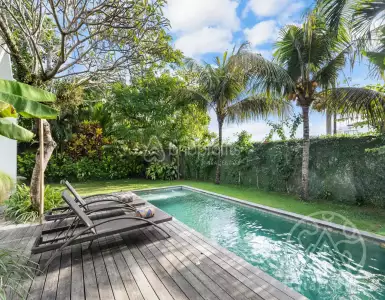
 5
5
 5
5
 360
360
 2
2
90
2
2
90
 2
2
130
2
2
130
 2
2
163
2
2
163
Key market players and what they indicate about demand
Mordor lists several major developers that shape supply and standards in Indonesia:
- PT Intiland Development Tbk
- Tokyu Land Indonesia
- Agung Podomoro Land
- Ciputra Group
- Sinar Mas Land
What their presence signals:
- Large developers are moving into integrated townships and mixed-use developments rather than single-purpose projects.
- Foreign-enterprise partnerships, such as Japanese-linked Tokyu Land Indonesia, show continued international capital appetite.
For investors this means competition for prime land will remain intense; partnering with established developers or buying later in the development cycle can reduce delivery risk.
Practical steps for investors and buyers
Here are specific, actionable steps I recommend before deploying capital in Indonesia real estate.
- Conduct legal due diligence on land title and permits. Indonesia’s land law is complex and ownership models vary.
- Scrutinise the developer’s track record and pre-sales rates. High pre-sales reduce sales risk in residential projects.
- Map confirmed infrastructure timelines rather than speculative projects. Confirmed public budgets and contractor awards are stronger signals.
- For logistics investments, check access to ports, road freight capacity and proximity to manufacturing clusters.
- Consider currency exposure and financing terms. Many investors face rupiah fluctuations and varying local lending conditions.
- Use local partners or advisers with on-ground experience. Practical knowledge of permitting, zoning and community issues is indispensable.
Risks and downside scenarios
No market expands without risk. The key headwinds to watch:
- Regulatory and permitting complexity that can delay projects and add cost.
- Oversupply in certain segments or regions if developers misread demand.
- Macroeconomic shocks that reduce domestic consumption and capital flows.
- Land disputes and title irregularities that can affect delivery and resale.
- Currency volatility that erodes returns for foreign-denominated investors.
I do not expect a uniform downturn, but these risks mean investors should prefer assets with diversified income streams, strong tenants and transparent ownership.
What this forecast means for returns and portfolios
A 5.91% CAGR to 2031 suggests steady value creation driven by fundamentals. For different investor types:
- Core investors should focus on prime office and modern logistics for stable cashflow.
- Value-add investors can look at converting or repositioning older warehouses near upgraded transport links.
- Residential buy-to-let investors should target affordable apartments near employment hubs and confirmed transport nodes.
Remember that nominal market growth is not the same as rental yield. Asset-level yield depends on effective management, tenant quality and financing.
Frequently Asked Questions
Is now a good time to invest in Indonesia real estate?
It depends on your strategy. The market shows steady medium-term growth with clear demand drivers, especially for logistics and affordable housing. If you seek stable income, modern logistics and prime office assets with creditworthy tenants are sensible. If your horizon is long-term capital appreciation, look for assets near confirmed infrastructure projects.
Which property sectors offer the fastest growth?
Mordor Intelligence highlights logistics and industrial property as the fastest-growing segments, driven by manufacturing expansion and supply-chain shifts. Mixed-use projects that blend residential, retail and hospitality also show rising activity due to tourism recovery.
Can foreigners buy property in Indonesia?
Foreign ownership rules are complex. Many international investors use long leases, strata title purchases, or invest via local corporate structures. Work with local legal counsel to structure purchases in compliance with Indonesian law.
Which regions should I prioritise?
Prioritise Greater Jakarta for scale, industrial corridors for logistics and secondary cities for lower-cost growth opportunities. Tourism-focused regions can work for hospitality and mixed-use projects if non-tourism revenue streams are in place.
Bottom line
The forecast to USD 93.75 billion by 2031 at a 5.91% CAGR is a useful starting point, but successful investing in Indonesia requires granular due diligence: confirm infrastructure timelines, verify land and permits, and match asset type to local demand drivers. The market is growing on the back of real economic changes, especially manufacturing and urbanisation, yet it is not free from delivery and regulatory risk. For investors who accept those constraints and do the homework, logistics and affordable residential projects look most compelling in the medium term. That is where I would focus first: modern logistics in confirmed industrial corridors and affordable housing near guaranteed transport links, because those segments align most directly with the fundamentals highlighted by Mordor Intelligence.
We will find property in Thailand for you
- 🔸 Reliable new buildings and ready-made apartments
- 🔸 Without commissions and intermediaries
- 🔸 Online display and remote transaction

International Real Estate Consultant

Subscribe to the newsletter from Hatamatata.com!
Subscribe to the newsletter from Hatamatata.com!
Popular Posts

We will find property in Thailand for you
- 🔸 Reliable new buildings and ready-made apartments
- 🔸 Without commissions and intermediaries
- 🔸 Online display and remote transaction
International Real Estate Consultant

Subscribe to the newsletter from Hatamatata.com!
Subscribe to the newsletter from Hatamatata.com!
I agree to the processing of personal data and confidentiality rules of HatamatataPopular Offers
 0
0
 4
38
4
38
 2
96
2
96
Need advice on your situation?
Get a free consultation on purchasing real estate overseas. We’ll discuss your goals, suggest the best strategies and countries, and explain how to complete the purchase step by step. You’ll get clear answers to all your questions about buying, investing, and relocating abroad.



Irina Nikolaeva
Sales Director, HataMatata