


Phuket’s New Eco-Condos Promise 11% Returns — But Are They Worth It?

Phuket’s eco push lands in prime property Thailand locations
Phuket has long been a magnet for buyers hunting for a second home or an investment that combines lifestyle and rental income. Now a British developer with a strong sustainability record is targeting that appetite. The Zero, founded in London in 2019, has launched two eco-smart residential projects on Phuket that aim to marry British construction standards with low-impact design—and headline a projected circa 11% annual ROI and up to 25% capital growth.
Right away, two facts stand out: these are not small plays and they are explicitly pitched at international buyers who care about green credentials and hotel-style services. For anyone tracking the property Thailand market, The Zero’s entry is both an affirmation of Phuket’s continued appeal and a test of whether eco-premiums will translate into stronger returns.
The two developments at a glance
Here are the headline facts that investors and buyers need to know before reading deeper:
- The Zero Bang Tao: 85 residences, single seven-storey building, completion Q1 2027, prices from 4.6 million THB, projected ~11% ROI and up to 25% capital growth. First condominium on Phuket to be single-use plastic free.
- Silhouette by The Zero Phuket: 150 residences (studio to two-bedroom penthouses), beachfront location between Sirinat National Park and Nai Yang Beach, opening Q3 2028, prices from 4.4 million THB, projected ~11% ROI and up to 25% capital growth.
- Both developments are EIA-approved and incorporate solar power, rainwater harvesting and energy-efficient design.
- The Zero’s CEO is Anthony Bygraves MSyI; the company’s prior project Zero London was a sell-out zero-carbon development in the UK.
These numbers and approvals come from The Zero’s public materials and press releases. They offer a clear commercial case, but the detail behind occupancy, management contracts and legal title is where buyers need to focus.
The Zero Bang Tao: boutique, design-led condo near Bang Tao beach
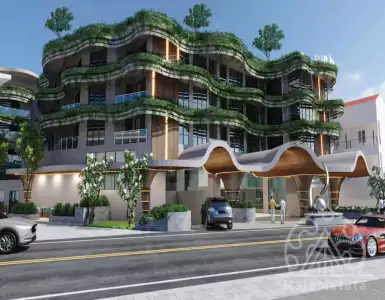
The Zero Bang Tao is positioned inside Phuket’s luxury corridor, a short drive from Bang Tao Beach and many of the island’s high-end amenities. The project’s scale—85 units—suggests a boutique approach rather than a high-density resort.
Key features highlighted by the developer include:
- A single seven-storey building designed to maximise natural light
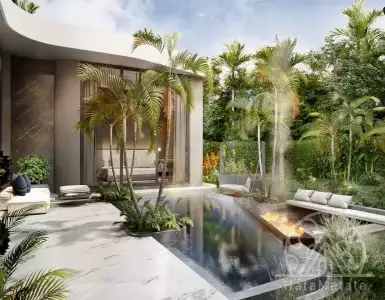
- Amenity set: pool, gym, gardens, restaurant
- The building will be single-use plastic free, a local first
- Completion planned for Q1 2027
Why this matters for buyers
Smaller buildings can mean lower overall on-site competition for rental guests and a more curated resident mix. The Bang Tao location places units within easy reach of golf courses, beach clubs and upscale retail, which can help upscale holiday-rental yields during the high season. That said, boutique supply also often means tighter management requirements: if occupancy dips, fixed overheads such as maintenance and security are spread across fewer units.
Silhouette by The Zero Phuket: low-density beachfront with hotel-style services
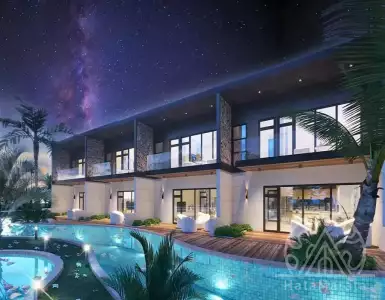
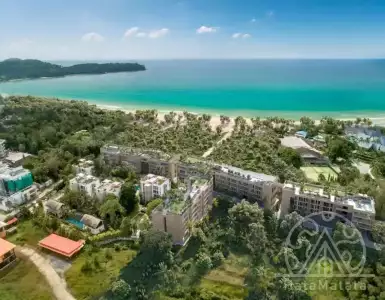
Silhouette is larger at 150 units and sits between Sirinat National Park and Nai Yang Beach, closer to Phuket International Airport than Bang Tao. The developer markets it as an eco-smart beachfront retreat, and the amenities list is long:
- Rooftop pool and bar
- Restaurant and spa
- Gym and kids’ club
- Golf simulator and padel courts
- Co-working spaces and hotel-style management
The developer expects Silhouette to open in Q3 2028, with prices starting from 4.4 million THB.
Why this matters for buyers
Beachfront and airport-adjacent locations tend to attract both short-stay tourists and longer-stay guests, including digital nomads. The hotel-style management offering is aimed at investors that want a hands-off income stream. In our analysis, the viability of that strategy will depend on the management company’s track record, marketing reach and the proportion of units reserved for owner use versus the rental pool.
Sustainability, certifications and social impact: more than marketing copy
What sets these two projects apart from mainstream condo launches is their explicit environmental and social framing. Both developments are EIA-approved, and the published sustainability measures include:
- Solar power integration
- Rainwater harvesting
- Energy-efficient design features
- A firm-wide pledge to reduce single-use plastics (Bang Tao claims to be the island’s first plastic-free condo)
The Zero also links development to long-term social contributions via its support of the Asia Center Foundation, which works with underprivileged children.
From a buyer’s perspective, green features can do three things:
- Lower ongoing utility and operating costs if systems are installed and maintained correctly
- Broaden the marketing appeal to a growing segment of eco-conscious travellers and owners
- Provide PR and award opportunities that boost perceived prestige; The Zero Bang Tao won Best Sustainable Residential Development – Phuket at the Dot Property Thailand Awards 2025
These are real advantages, but sustainability is only as effective as the implementation. Buyers should ask for third-party verification of energy savings, water yield estimates from rainwater systems, and post-handover performance guarantees.
The investment case: headline returns and the mechanics behind them
The developer projects circa 11% annual ROI and up to 25% capital growth for both projects. Those are headline numbers you will see in sales brochures; here is how to think about them practically.
What drives rental yield on Phuket property:
- Location and accessibility: proximity to beaches, airport and services matters
- Product quality and amenities: modern, well-run properties attract higher nightly rates
- Seasonality: Phuket has a pronounced high season and low season
- Marketing and management: hotel-style operations can lift occupancy if they reach global distribution channels
Costs and variables that will reduce net returns:
- Management fees and marketing commissions
- Maintenance, sinking funds and utilities
- Periods of low occupancy
- Exchange-rate volatility for international owners
We view the developer’s ~11% ROI as achievable in a strong recovery scenario where tourism remains buoyant and management is effective. But that outcome assumes relatively high average occupancy and day rates.



Legal and ownership considerations for international buyers
Foreign buyers need to navigate Thailand’s well-known ownership rules and local market practices. The most common points to check are:
- Condominium freehold ownership for foreigners is permitted provided the building’s foreign quota remains within legal limits (generally up to 49% of total unit space across the building)
- Alternative structures include leasehold arrangements and Thai-entity ownership, each with different legal and tax implications
- Verify what title is being sold, how common areas are managed and what the condo’s foreign quota currently is
We recommend buyers obtain independent legal advice that covers:
- The purchase contract and cooling-off terms
- Reservation deposits and refund conditions
- Details of the on-site management company and the rental pool contract
- Ongoing fees such as maintenance, sinking fund and service charges
Don’t sign anything until you have clear answers on foreign quota, title type and what happens if the quota is exceeded.
Risks and due diligence: questions every buyer should ask
The Zero’s projects are credible on paper, but all property investments carry risk. Some specific questions we would expect sophisticated buyers to ask include:
- What is the confirmed foreign freehold quota for each building, and how many units have been sold to foreigners so far?
- Can the developer provide evidence of projected rental streams based on comparable properties and current market data?
- Are the sustainability technologies independently tested or certified, and who covers maintenance costs for systems such as solar arrays and rainwater harvesting?
- What guarantees are in place for completion dates and construction quality? Is there a payment schedule tied to specific milestones?
- Who is the on-site operator for hotel-style services and what is its track record in Phuket or comparable markets?
We also advise buyers to request cash-flow models under conservative, base-case and optimistic scenarios so they can see how sensitive returns are to occupancy and average daily rates.
Practical steps for buyers and investors
If The Zero’s Phuket developments are on your shortlist, here is a practical checklist to work through:
- Inspect the site and its surroundings. Confirm access times to beaches, airport and amenities.
- Request the EIA documentation and technical reports for solar and water systems.
- Get an independent valuation or a second opinion on the developer’s projected yields and capital growth.
- Have a Thai-qualified solicitor review the purchase contract and title documentation.
- Clarify the management contract: fee structure, marketing channels, owner use rights and revenue sharing.
- Consider currency hedging strategies if you will receive rental income in THB and repatriate funds.
These steps reduce the chance of surprises and make the investment case more transparent.
Where The Zero fits in the broader Phuket and Thailand property market
The arrival of a UK-based, sustainability-focused developer signals a couple of wider trends:
- International brands still see Phuket as a long-term draw for lifestyle buyers and tourists
- Sustainability credentials are becoming a market differentiator rather than a niche add-on
That does not eliminate structural risks. Thailand’s tourism recovery, global travel patterns and macroeconomic forces will determine how quickly projected yields materialise. For buyers we speak to, the combination of a strong location, credible sustainability measures and hotel-style management is attractive—provided the legal and financial safeguards are tight.
Our assessment: promising, conditional on verification
We find The Zero’s Phuket projects to be a persuasive blend of sustainability, branded delivery and prime locations. The headline figures—prices from 4.6m THB (Bang Tao) and 4.4m THB (Silhouette) with ~11% ROI—are attention-grabbing. Yet our analysis suggests these returns depend on several moving parts: effective management, verified sustainability performance, and continued strength in international travel demand.
If you are an investor drawn to property Thailand for both lifestyle and income, these projects are worth physical inspection and rigorous due diligence. Ask for independent performance data, confirm legal title arrangements, and test worst-case cash-flow scenarios before you commit.
End note: The Zero Bang Tao is due Q1 2027 and Silhouette is due Q3 2028; both are EIA-approved and branded by a developer with a UK track record.
Frequently Asked Questions
Q: Are these condos sold freehold to foreigners?
A: Thailand allows foreign freehold ownership of condominium units within the building’s foreign quota, generally up to 49%. Buyers should request the project’s current foreign quota status and seek independent legal advice on title type before proceeding.
Q: How realistic is the 11% ROI claim?
A: The developer’s circa 11% figure is a projection. Achieving it depends on occupancy, nightly rates, management efficiency, and seasonal demand. Insist on seeing conservative and downside cash-flow scenarios and independently verified comparables.
Q: What does EIA-approved mean for these projects?
A: EIA-approved indicates the projects passed a formal environmental impact assessment required in Thailand, which looks at ecological and community impacts. Buyers should still request the full EIA report and technical details of systems such as solar arrays and rainwater harvesting.
Q: What are the main risks investors should watch?
A: Key risks include: slower-than-expected tourism recovery affecting occupancy, management underperformance, maintenance and repair costs for sustainability systems, currency fluctuations for overseas owners, and legal issues around foreign ownership quotas.
For buyers focused on property Thailand, these developments are attractive but they are not plug-and-play investments. They need careful vetting, clear legal structures, and realistic financial modelling. The specific takeaway is this: the projects may deliver strong returns, but only if the sustainability features work as designed and the on-site operator delivers the occupancy and rates the projections assume.
Tags
We will find property in Thailand for you
- 🔸 Reliable new buildings and ready-made apartments
- 🔸 Without commissions and intermediaries
- 🔸 Online display and remote transaction

International Real Estate Consultant

Subscribe to the newsletter from Hatamatata.com!
Subscribe to the newsletter from Hatamatata.com!
Popular Posts

We will find property in Thailand for you
- 🔸 Reliable new buildings and ready-made apartments
- 🔸 Without commissions and intermediaries
- 🔸 Online display and remote transaction
International Real Estate Consultant

Subscribe to the newsletter from Hatamatata.com!
Subscribe to the newsletter from Hatamatata.com!
I agree to the processing of personal data and confidentiality rules of Hatamatata
Need advice on your situation?
Get a free consultation on purchasing real estate overseas. We’ll discuss your goals, suggest the best strategies and countries, and explain how to complete the purchase step by step. You’ll get clear answers to all your questions about buying, investing, and relocating abroad.



Irina Nikolaeva
Sales Director, HataMatata