


Pruksa’s iPlern Bet: Building a Rent-First Play in Thailand’s Housing Market

Why Pruksa is shifting focus in Thailand real estate
Thailand real estate investors should pay attention to Pruksa Holding’s new rental brand, iPlern. The SET-listed developer is pivoting from its core for-sale housing business into apartments for rent to secure steady cash flow amid a sluggish residential market. The move is blunt and pragmatic: recurring income can help smooth earnings when property sales slow.
Pruksa’s recent financials explain the urgency. In the first half of 2025 the group reported total revenue of 6.94 billion baht, down 30% year-on-year, and net profit slid 76% to 90 million baht. Roughly 74% of revenue still comes from residential sales. Those figures show why management wants a higher share of predictable rental cash flow.
IHC, Pruksa’s subsidiary Inno Home Construction, will roll out the iPlern brand with an initial investment of 100 million baht to launch the first five projects in late 2025. The strategy is to convert land originally earmarked for townhouses and condos into rental apartment blocks in targeted pockets: university districts and industrial zones.
Quick snapshot of the iPlern plan
- Initial investment: 100 million baht (Q4 2025)
- First locations: Rangsit, Lam Luk Ka, Bo Win (areas near factories and universities)
- Rents starting: 2,000 baht per month
- Target portfolio by 2029: 316 projects, 640 million baht in annual rental income, and 6.3 billion baht in assets
- Financial targets: projected IRR 13–15% for the portfolio and an annual yield of 8–10%
The product: what iPlern apartments will offer
Pruksa is clearly aiming for rental supply that matches demand from three groups: students, factory workers and young professionals. Management said its tenant mix target is students 40%, factory workers 35%, and first jobbers 25%.
Units will start at 21 sq m, with rents varying by location and proximity to employers or campuses:
- University districts: 4,000–5,000 baht/month (versus condos at 7,000–10,000 baht)
- Industrial zones: 2,000–3,000 baht/month
- City centres: 8,000–10,000 baht/month
Pruksa wants iPlern to be distinct from its Plum Condo brand by targeting a lower price bracket and avoiding direct competition with the company’s existing condo products. Management also plans a hybrid model that pairs apartments and affordable condos in the same masterplan but in separate buildings, with condo prices starting from 600,000–700,000 baht.
From a product-design perspective, expect simple, functional units with lower build costs, efficient layouts, and location-driven amenities such as bike parking, lockers, or shuttle links to campuses and factories. Those are the practical design choices that lift occupancy without heavy capital expenditure.
Market context: why the rental market makes sense now
Pruksa’s timing reflects structural trends in Thailand’s rental segment. The company cites a market of around 745,000 rental apartment units valued at about 27 billion baht, expanding 3% annually with an average occupancy of 90%. Gen Z — students and new entrants to the workforce — is a major demand driver.
Here are the demand dynamics we see:
- High occupancy rates indicate tight effective supply in many commuter and university corridors.
- Young renters value affordability and proximity to work or study, so purpose-built rental product can undercut condo pricing and win higher lifetime occupancy.
- Industrial growth creates concentrated pockets of workforce demand — a clear target for low-cost rental supply.
That mix produces a strong case for converting underperforming residential land parcels into rental assets. For Pruksa, the strategy is partly defensive: protect margin and cash flow when condo demand lags. But it is also offensive: capture long-term recurring income and scale an institutional-grade rental portfolio that could feed a future REIT.
Financial plan and the REIT angle
Pruksa’s rollout is staged. After the initial 100 million baht launch in late 2025, the company plans to step up investment to 2 billion baht in 2026 to build roughly 100 more projects nationwide. By 2029 the firm expects to operate 316 projects with 640 million baht in annual rental income and 6.3 billion baht in assets.
Management has signalled a plan to eventually move assets into a real estate investment trust (REIT) to raise capital for further expansion. A REIT could convert steady rental earnings into a liquid, institutional-grade product and give Pruksa a funding alternative that does not rely on pre-sales.
From an investor’s perspective, this rollout has two attractions:
- The portfolio-level annual yield target of 8–10% is higher than many Thai REIT yields, although the figure is for the operating portfolio rather than a publicly traded vehicle.
- A projected IRR of 13–15% implies attractive returns on a development-plus-hold strategy if lease-up and operating costs match company assumptions.
But investors should treat those projections with caution. They depend on sustained occupancy, stable operating costs, and disciplined capex per unit. If construction inflation reappears or rental growth stalls, those returns will compress.
What this means for buyers, landlords and investors
For different groups in the market, Pruksa’s iPlern has distinct implications.
Buyers who were considering a small condo purchase purely for rental income should reassess. iPlern will compete on price and yield in university and industrial pockets, offering lower rents but also lower capital outlay for tenants. That could limit upside for individual landlords in the budget segment.
Institutional investors and funds will watch for a REIT conversion. If Pruksa successfully scales and aggregates assets, it could offer a sizeable pool of rental income for securitisation.






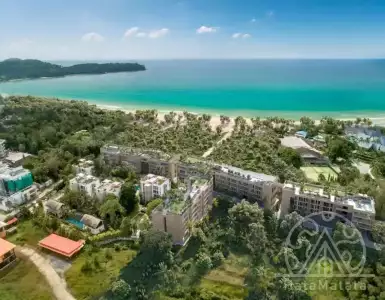


Developers and land-holders should note the precedent: converting planned townhouse or condo sites into rental apartments is now a mainstream option. The math can work when sales slow and the site sits near consistent demand generators such as factories and campuses.
For renters and communities, the shift could widen affordable, professionally managed options in growth corridors. Managed rental stock often offers better maintenance and tenant services than ad hoc landlord markets.
Risks and open questions
IHC and Pruksa have laid out targets, but execution risk is material. Key risks include:
- Construction costs: a jump in materials or labour can erode margins and delay handovers.
- Rent escalation: the company’s yield targets require healthy rent growth or persistent high occupancy to offset capex and operating costs.
- Local competition: other developers and build-to-rent operators could replicate the model in the same corridors, pushing down rents.
- Tenant profile concentration: targeting students and factory workers concentrates tenant turnover and potentially raises wear-and-tear and management costs.
- Financing and REIT timing: timing a REIT requires market appetite for yield and asset scale — conditions which can change with macro sentiment.
We also should be clear on a practical point: projected yields and IRRs are portfolio-level numbers that smooth across many projects. Single-project returns may vary widely. Investors who expect uniform returns across the portfolio could be disappointed.
How this affects pricing and local rental markets
Pricing dynamics will vary by micro-location. A few likely outcomes:
- Near large universities, budget rentals at 4,000–5,000 baht could take market share from existing low- to mid-range condos rented at 7,000–10,000 baht. That compresses yields for smaller landlords relying on premium condo rents.
- In industrial suburbs where worker housing is scarce, starting rents of 2,000–3,000 baht could be competitive and sustain high occupancy rates.
- In city centres, iPlern-style units may not target luxury tenants; city-centre units are projected at 8,000–10,000 baht and will face stronger competition from existing condo stock.
For local authorities and planners the model has pros and cons. Purpose-built rental blocks near campuses reduce pressure on informal rental markets, but higher tenant density needs better transport and utilities planning.
My read: sensible strategy, but execution is everything
I think Pruksa’s pivot is sensible and timely. The housing slump exposed the vulnerability of a sales-heavy revenue mix. Moving some land into a rental-first product mitigates that risk and aligns supply with clear demand pockets. There is a plan to scale and an eventual REIT exit that could unlock institutional capital.
That said, the company is not eliminating risk; it is changing the risk profile. Instead of relying on pre-sales and unit price appreciation, Pruksa will now rely on operating performance, tenant retention and disciplined capex. Those are different capabilities and require strong property management and cost control.
If the company delivers, the outcome is meaningful: a portfolio with 640 million baht in annual rental income and 6.3 billion baht of assets by 2029 would be a material, recurring-income business for Pruksa.
Practical advice for readers
- If you are a buy-to-let investor, compare the expected rental yield of your target condo with the 8–10% annual yield target quoted for iPlern. Ask whether your property can match occupancy and net yields after management fees.
- If you invest in REITs or real estate funds, watch for Pruksa’s asset aggregation. A future REIT listing could alter yield benchmarks in the mid-range rental segment.
- If you are a tenant or student, iPlern may provide consistent, professionally managed options close to study and work centres with rents starting at 2,000 baht.
- Developers and landowners with stalled townhouse or condo projects should run the numbers on repurposing to rented units near employment hubs.
Frequently Asked Questions
What is iPlern and why did Pruksa launch it?
iPlern is Pruksa’s new apartment-for-rent brand launched by IHC. The company launched it to secure recurring rental income amid a downturn in residential property sales and to capture demand from students, factory workers and first jobbers.
How big is the rental market in Thailand?
According to Pruksa, the apartment rental market has about 745,000 units worth around 27 billion baht, growing roughly 3% a year with an average occupancy of 90%.
What are the expected returns from the iPlern portfolio?
Pruksa projects a portfolio IRR of 13–15% and an annual yield of 8–10%. The company aims to reach 316 projects by 2029, producing 640 million baht in annual rental income and 6.3 billion baht in assets.
Could these apartments be bundled into a REIT?
Yes. Pruksa has signalled plans to divest assets into a real estate investment trust to finance expansion. A successful REIT would offer a way to monetise steady rental income and attract institutional investors.
Bottom line
Pruksa is switching some of its development muscle from for-sale housing to a rent-first model in targeted university and industrial corridors. The company’s targets are clear — 100 projects by 2026 via a 2 billion baht investment, scaling to 316 projects by 2029 — but real value depends on execution: cost control, tenant retention and timing a potential REIT. If Pruksa hits its targets, the business would add 640 million baht a year in recurring income to its balance sheet by 2029.
We will find property in Thailand for you
- 🔸 Reliable new buildings and ready-made apartments
- 🔸 Without commissions and intermediaries
- 🔸 Online display and remote transaction

International Real Estate Consultant

Subscribe to the newsletter from Hatamatata.com!
Subscribe to the newsletter from Hatamatata.com!
Popular Posts

We will find property in Thailand for you
- 🔸 Reliable new buildings and ready-made apartments
- 🔸 Without commissions and intermediaries
- 🔸 Online display and remote transaction
International Real Estate Consultant

Subscribe to the newsletter from Hatamatata.com!
Subscribe to the newsletter from Hatamatata.com!
I agree to the processing of personal data and confidentiality rules of Hatamatata

Need advice on your situation?
Get a free consultation on purchasing real estate overseas. We’ll discuss your goals, suggest the best strategies and countries, and explain how to complete the purchase step by step. You’ll get clear answers to all your questions about buying, investing, and relocating abroad.



Irina Nikolaeva
Sales Director, HataMatata