


Sansiri Puts 33 New Projects and 51bn Baht on the Table — What Thailand Property Investors Should Know

Sansiri’s big 2026 move: scale, segmentation and stability
Sansiri has just outlined a bold plan for 2026 that will reshape parts of the Thailand property market: the developer will launch 33 new projects valued at 51 billion baht, while targeting 48 billion baht in presales and 39 billion baht in residential transfers by year-end. For buyers and investors tracking real estate Thailand, that combination of scale, product mix and financing targets matters.
The company is explicit about its strategy: grow steadily through disciplined launches, focus on medium- and premium-market demand, and expand income sources beyond core property development. In our analysis, this is a calculated effort to protect margins and cash flow in the face of a tough economic backdrop and weak household purchasing power.
Quick snapshot for readers who need the headline facts
- 33 new project launches in 2026
- 51 billion baht combined development cost
- Presales target: 48 billion baht
- Residential transfers target: 39 billion baht
- Focus: 80% of new launches in the medium- to premium-market segments
- Low-rise projects: 17 projects worth 25 billion baht
- Condo launches: 16 projects worth 26 billion baht
- New brand JV: LOVE by Sansiri with Mitsui Fudosan, project >6.3 billion baht on Charoen Nakhon Road
- Land secured for all planned developments
Product strategy: low-rise holds centre stage while condos return
Sansiri’s 2026 line-up balances low-rise housing and condominiums in a roughly 50:50 split by value, but the company’s narrative makes it clear that low-rise housing remains the cash engine.
- Low-rise (single-detached, duplex, townhouses): 17 projects worth 25 billion baht. Sansiri is updating designs to address different life stages — from double-income no-kids households to ageing buyers — and expects these projects to remain demand drivers.
- Condominiums: 16 projects worth 26 billion baht, a sign the condo market is showing recovery after a prolonged slowdown.
All planned developments already have land secured, which reduces acquisition risk and should improve the predictability of project delivery schedules and cost assumptions. That detail matters for investors worried about land cost inflation and project starts being delayed.
A new brand and community concepts
Sansiri will launch a new brand, LOVE by Sansiri, in a joint venture with Mitsui Fudosan Asia Development (Thailand) on Charoen Nakhon Road, with a project value exceeding 6.3 billion baht. The developer is also creating a Sansiri Community focused on health and wellness on a 142-rai (around 23 hectares) site in the Krungthep Kreetha area.
These moves are tactical: the JV with a major Japanese developer brings capital and design input, and the wellness-focused community targets a specific buyer profile where developers can command price premiums if execution is strong.
Financial position and operational performance: resilience in hard numbers
Sansiri’s 2025 performance gives context for the 2026 plan. For the first nine months ending 30 September 2025, Sansiri posted a net profit of 3.03 billion baht, the highest among listed Thai property developers. The company kept a high dividend yield of 9–10% and recorded full-year presales of 51 billion baht and transfers of 36.7 billion baht. A notable sales achievement: 29 projects sold out, worth a combined 28.8 billion baht.
Other financial metrics worth noting:
- Total assets: 148 billion baht
- Backlog: 19.7 billion baht, of which >10 billion baht is expected to be recognised as revenue this year thanks to newly completed and ready-to-move-in condos
- Crafted by Sansiri (home-building business) target to double sales to 500 million baht in the current year
- Plans to set up a 1-billion-baht investment fund for strategic investments
- Goal to raise income from new business lines from 13% last year to 15% this year and 25% by 2030
Strong investor demand for the company’s bonds, with most issues oversubscribed, shows bondholders still trust Sansiri’s credit profile and cashflow projections. For property investors and those evaluating real estate equities, these figures point to a developer that is managing liquidity while diversifying revenue sources.
What this means for buyers and real estate investors in Thailand
Sansiri’s 2026 plan affects different market participants in different ways. Here are the practical takeaways we see.
For residential buyers:
- More choice in medium- and premium segments could support better transaction comparables and slower price declines in those categories.
- Low-rise supply will expand, and refreshed product designs may better match lifecycle demand — relevant if you are buying for long-term living rather than short-term capital gains.
- All projects have secured land, which lowers the chance of construction delays from land title issues.
For investors (rental, capital-growth, REIT or listed-equity play):
- Presales targets and backlog recognition timing will be the two main signals to watch for near-term revenue recognition and cashflow.
- The condo pipeline implies more move-ins and rental stock becoming available; urban rental markets could see pressure if absorption is weaker than Sansiri expects.
- Joint ventures and the 1-billion-baht fund mean returns could come from non-core property businesses — this diversifies risk but requires monitoring of the new business performance metrics.
For listed-equity investors:
- The 9–10% dividend yield is an eye-catching income signal; sustaining that payout depends on Sansiri’s ability to convert presales to transfers and manage margin.
- Bond oversubscription suggests capital markets have confidence in financing, but interest-rate moves and macro risk still matter.
Risks and what could derail the plan
Sansiri is positioning for steady growth, but a credible plan still has exposure to external risks. We flag these for cautious investors.
- Macroeconomic pressure: The company itself notes weak household purchasing power and low growth in Thailand. If wages and employment do not improve, presales could undershoot targets.
- Interest rates and borrowing costs: Higher rates raise financing costs for buyers and can slow mortgage uptake, directly hitting presales and absorption rates.
- Condo absorption risk: The condo recovery is visible, but 16 new projects worth 26 billion baht means competition for tenants and buyers. If the market misprices supply, discounts or longer marketing periods could appear.
- Execution risk on new business lines: Doubling Crafted by Sansiri sales and executing a 1-billion-baht investment strategy will require business skills that differ from core development. Returns will take time to materialise.
We advise investors to monitor presales velocity, cancellation rates, and the pace of transfers. Those three indicators reveal whether demand is real or being driven by early-bird incentives.
How to read Sansiri’s diversification strategy: cautious pragmatism
Sansiri is explicit about shifting revenue mix: increase income from new businesses from 13% to 25% by 2030. That goal is not small; it requires disciplined capital allocation and operational follow-through.
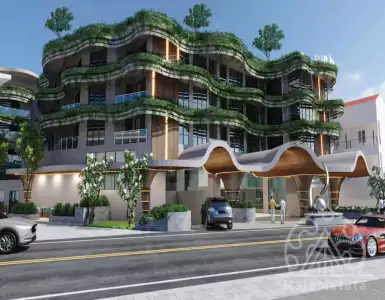








- Crafted by Sansiri: higher-volume home-building targeting prices from 3.29–20 million baht
- A 1-billion-baht investment fund to back high-potential businesses
- Strategic joint ventures to reduce balance-sheet intensity and share risk
From a strategic standpoint, this is sensible. Developers that rely solely on cyclical property booms face revenue volatility. Spreading risk across construction, investments and JV models can flatten earnings cycles. That said, diversifying creates new KPIs for the market to evaluate: return on invested capital across the fund, margins in the home-building arm, and synergies from JVs.
Execution watch-list: what to track in 2026
If you follow Sansiri or the Thailand property market, track these items closely:
- Presales progress toward the 48 billion baht target and month-on-month velocity
- Cancellation and refund rates for newly launched projects
- Number of project transfers and revenue recognition from the >10 billion baht backlog due this year
- Sales performance of LOVE by Sansiri JV and uptake of the wellness community in Krungthep Kreetha
- Progress and margins at Crafted by Sansiri as it scales toward 500 million baht in sales
- Dividend announcements and any changes to the payout ratio that could signal stress
These metrics will tell you whether Sansiri’s plan is being executed at forecasted cashflow levels or if market weakness forces tactical changes.
Regional impact: Bangkok versus Phuket and beyond
Sansiri is continuing its expansion in Phuket, while many of its condo launches are urban-focused, notably in Bangkok. That mix matters for market participants:
- Phuket projects are likely aimed at a mix of domestic buyers and holiday-home demand; buyer profiles and financing behaviours differ from urban condos.
- Bangkok condos that are completed and ready-to-move-in will support the near-term revenue recognition that underpins dividends and bond servicing.
For investors, geographic diversification across domestic tourist hubs and capital-city suburbs can be a hedge against a single market slowdown, but it also requires local market knowledge when assessing rental potential and resale prospects.
Our assessment: measured expansion, not risk-free
Sansiri’s 2026 plan is ambitious by numbers but structured to control execution risk: land secured, a heavy tilt to medium and premium segments where margins are higher, and a clear attempt to diversify revenue. The company’s strong 2025 results — 3.03 billion baht net profit for nine months and 51 billion baht presales for the year — give the plan credibility.
That said, the plan counts on steady presales and a recovering condo market. If macro conditions deteriorate, Sansiri’s diversified approach will help, but revenue growth and dividend sustainability could be affected. For buyers and investors, the trade-off is clear: access to newly launched projects and a developer with a healthy balance sheet, offset by the real risk that macro pressure slows absorption and forces marketing concessions.
Frequently Asked Questions
What is Sansiri planning to launch in 2026?
Sansiri plans 33 new projects worth 51 billion baht, split between 17 low-rise projects (25 billion baht) and 16 condominium projects (26 billion baht). The company targets 48 billion baht in presales and 39 billion baht in transfers for the year.
How financially strong is Sansiri coming into 2026?
For the first nine months of 2025 Sansiri posted a net profit of 3.03 billion baht. The company reported total assets of 148 billion baht and a backlog of 19.7 billion baht, with more than 10 billion baht expected to be recognised this year. It maintained a 9–10% dividend yield in 2025.
What new brands or business lines should buyers and investors watch?
Key items: the LOVE by Sansiri joint venture with Mitsui Fudosan on Charoen Nakhon Road (>6.3 billion baht), the Sansiri Community focused on health and wellness on 142 rai in Krungthep Kreetha, and the expansion of Crafted by Sansiri, which aims to double sales to 500 million baht. The company is also launching a 1-billion-baht investment fund to back other businesses.
Is this a good moment to buy Thai property from Sansiri?
If you seek purpose-built product in medium- and premium segments and value a developer with a solid balance sheet and a history of dividend payouts, Sansiri’s 2026 pipeline is worth considering. Pay close attention to presales velocity and transfer schedules. If presales slow or cancellation rates rise, pricing and incentives can change quickly.
Final takeaway
Sansiri is betting that disciplined, land-secured launches and a stronger mix of medium- and premium properties will translate into steady revenue and cashflow — while new-business growth will reduce reliance on cyclical real estate ups and downs. For investors and buyers, the immediate signals to watch are presales velocity, cancellation rates and the pace of revenue recognition from the existing backlog. Those metrics will tell you whether Sansiri is executing or adjusting its plan.
We will find property in Thailand for you
- 🔸 Reliable new buildings and ready-made apartments
- 🔸 Without commissions and intermediaries
- 🔸 Online display and remote transaction

International Real Estate Consultant

Subscribe to the newsletter from Hatamatata.com!
Subscribe to the newsletter from Hatamatata.com!
Popular Posts

We will find property in Thailand for you
- 🔸 Reliable new buildings and ready-made apartments
- 🔸 Without commissions and intermediaries
- 🔸 Online display and remote transaction
International Real Estate Consultant

Subscribe to the newsletter from Hatamatata.com!
Subscribe to the newsletter from Hatamatata.com!
I agree to the processing of personal data and confidentiality rules of Hatamatata

Need advice on your situation?
Get a free consultation on purchasing real estate overseas. We’ll discuss your goals, suggest the best strategies and countries, and explain how to complete the purchase step by step. You’ll get clear answers to all your questions about buying, investing, and relocating abroad.



Irina Nikolaeva
Sales Director, HataMatata