


Sansiri’s Phuket Play: 13 Private-Pool Villas Point to a Shift in Real Estate Thailand

Sansiri’s bold move and what it means for real estate Thailand
Thailand’s property market has a new headline: Sansiri is planning 13 luxury villas, each with a private swimming pool, on an 11,200-square-meter plot in the Bang Jo area of Phuket. That fact by itself is straightforward. What interests me is the timing and the wider signal it sends: a major Bangkok-based developer is allocating scarce land and capital to resort property at a moment when Bangkok’s housing market is described as saturated and Phuket asking prices are rising.
Within the first 100 words we need to state the obvious — this is about real estate Thailand — because the move is both tactical and strategic. It reflects developers chasing margins and international demand, and it raises practical questions for buyers: who will these villas appeal to, how will they perform as investments, and what risks should buyers expect?
Why Sansiri’s Phuket project matters
Sansiri is one of Thailand’s best-known developers. Their decision to build 13 villas on an 11,200 sq m lot in Bang Jo is noteworthy for several reasons:
- Scale and density: Thirteen detached villas on a single plot is a deliberate choice to target the high end of the market rather than the mass segment.
- Product type: Private pools for every villa mean higher build costs and higher ongoing maintenance, signalling a premium price point.
- Location: Bang Jo is a named subarea of Phuket in the announcement; placing luxury stock there suggests developers see demand beyond the main beachfront strips.
This is not a minor boutique project. When a major developer shifts resources from a saturated urban market to resort product, it signals confidence that the demand and price appreciation can justify the higher per-unit outlay.
Market drivers behind the shift from Bangkok to Phuket
Our analysis points to three immediate drivers mentioned in the announcement and in coverage of the broader trend:
- Bangkok market saturation: Developers face heavy competition and inventory glut in Thailand’s capital. That reduces upside on new launches and squeezes margins.
- Rising property values in Phuket: The press note ties activity to rising values on the island, attracting capital looking for appreciation potential.
- International demand: Phuket’s tourism recoveries and its reputation as a leisure destination draw foreign buyers more readily than Bangkok in the luxury segment.
Put together, these items explain why developers with land-bank strategies and capital are pivoting to resort real estate.
Who is the buyer for these villas?
Based on the product specification — private-pool villas, limited number of units — the likely buyer profiles include:
- High-net-worth domestic Thais seeking second homes or rental income.
- International buyers looking for holiday homes and rental returns during high season.
- Investors targeting capital appreciation in the luxury segment rather than yield-driven apartments.
From our experience advising overseas buyers, villa purchasers value privacy, turnkey management and a credible rental programme. Developers who package property management, rental marketing and villa maintenance make their products more attractive to absentee owners.
Practical implications for buyers and investors
If you are considering buying into this wave of Phuket development, consider these practical points based on common real estate mechanics in Thailand and our market observation:
- Ownership structure: Foreigners generally cannot own freehold land in Thailand. Villas are typically sold via:
- Leasehold arrangements for a set term, or
- Thai-registered companies that hold the title, which requires careful legal structuring to comply with regulations.
- Condominiums vs villas: Foreigners can own condominium units freehold under Thai law up to the statutory foreign quota in a building. Villas are different and often need tailored ownership solutions.
- Holding horizon: Resort properties usually require a multi-year horizon to capture appreciation and amortise transaction and holding costs.
- Operating costs: Private pools, gardens and villa staff increase annual maintenance. Factor realistic operating expenses into net yield calculations.
We advise potential buyers to secure Thai legal counsel early, confirm the developer’s track record in resort property management, and demand transparent pro-forma rental projections.
Risks that buyers must weigh
This project fits into a broader surge in resort development. That brings upside — but also risks.
- Market concentration risk: If multiple developers target the same high-end tourist buyers, supply could outpace demand in that price band. That compresses resale and rental performance.
- Tourism volatility: Phuket’s property market correlates with international visitor numbers. Travel restrictions, pandemics, and geo-political shocks can reduce demand.
- Currency risk: International buyers buying in Thai baht expose themselves to FX moves that can erode returns when repatriating proceeds.
- Regulatory and ownership risk: Thai property law favors Thai nationals in land ownership. Ownership mechanisms for foreigners require care and can change with fiscal or political shifts.
- Environmental and infrastructure issues: Resort areas can suffer service constraints during peak season — water, waste, and transportation — all of which affect guest experience and long-term value.
We do not expect developers to hide these risks, but buyers often underestimate their financial impact.
How to assess developers and project viability
Not every new villa development will perform the same. Here is a checklist investors should use when evaluating Sansiri’s project or comparable offerings in Phuket:
- Developer track record: Has the developer completed and managed resort villas successfully? Track record in Phuket and other resort markets matters.
- Sales and marketing plan: Is the project being marketed to a broad international base or a narrow domestic segment? Diversified buyer demand reduces concentration risk.
- Design and build quality: Are there independent specifications, warranties and clear timelines? Luxury buyers pay a premium for durable finishes and attention to detail.
- Post-sales services: Is there an onsite management company, rental programme, and transparent fee schedule? These affect net returns.
- Exit strategy: What is the likely resale market? Are comparable villas trading actively in the area, and at what per-square-metre rates?
This checklist is practical. We use it when assessing projects for clients and when advising readers considering cross-border property investment.
Pricing signals and the broader Phuket market
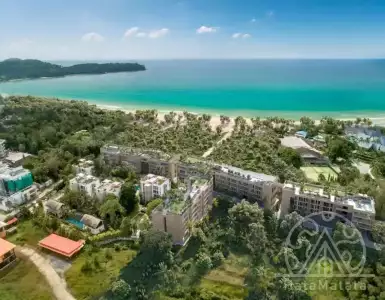
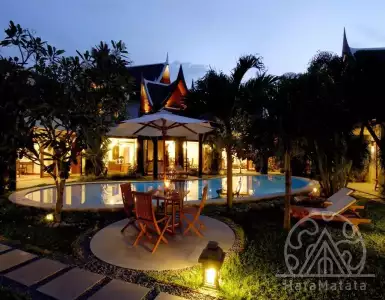
The announcement links the Sansiri scheme to rising property values in Phuket.







- Higher-end inventory expands as developers chase margins.
- Prices in established resort pockets can climb faster than island-wide averages.
- Secondary markets near new high-end projects may see uplift due to spillover demand.
That said, the article does not provide pricing for the Sansiri villas. Buyers should expect pricing to reflect premium location, private pools and developer brand — and they should demand full pricing schedules and comparison to recent transaction evidence.
How lenders and financing might respond
Banks and private lenders in Thailand have historically been conservative on resort villa financing, especially for foreigners. Expect:
- Higher deposit requirements and lower loan-to-value ratios for foreigners compared with Thai nationals.
- More lending available to domestic buyers and to buyers using Thai corporate vehicles.
- Developer payment plans and structured finance playing a material role in closing transactions.
If you need leverage, compare developer-backed payment terms with third-party loans. Developers sometimes offer staged payments that reduce initial capital outlay for buyers.
Strategic considerations for international investors
For foreign buyers, Sansiri’s announcement is a sign to review strategy. Consider these factors:
- Diversification: Avoid allocating too much of your portfolio to a single resort market. Phuket is attractive but concentrated.
- Purpose: Are you buying for personal use, short-term rental income, or long-term capital gain? The answer changes which product is right.
- Management: Will you hire a local manager, use the developer’s rental team, or self-manage? Each choice affects returns and hassle.
- Legal structure: Consult lawyers on ownership structures, taxes, and potential future regulatory changes.
We recommend a conservative approach: assume moderate occupancy and realistic rates when modelling yield, and plan for a minimum holding period that lets you ride out cyclical volatility.
What this trend means for the Thailand property market overall
Sansiri’s move is one data point in a larger repositioning of major developers towards resort product. The immediate consequences likely include:
- A reallocation of capital from urban mid-market projects to higher-margin resort developments.
- Increased competition in the luxury villa segment on islands like Phuket.
- Greater visibility for Phuket among international buyers and wealth managers.
From a market-structure point of view, the pivot could tighten supply in Bangkok over time if more developers commit land and capital to resort projects. That could stabilise prices in some central urban segments and create pricing pressure in resort enclaves.
Our bottom-line advice for potential buyers
We see Sansiri’s 13-villa plan as an indicator of confidence in Phuket’s luxury market, not a guarantee of returns. Practical next steps for investors:
- Request full disclosure: site plan, unit sizes, build specifications, pricing, and pro-forma rental schedules.
- Verify the ownership model and obtain independent legal advice in Thailand.
- Assess demand sources: who buys in similar Sansiri projects — domestic HNWIs, Russian, Chinese, European buyers? Different buyer mixes lead to different resale dynamics.
- Model downside scenarios: lower occupancy, FX swings, and higher maintenance.
We often tell clients that successful cross-border property investment is methodical. Excitement about a brand-name developer is understandable; rigorous legal and financial checks are essential.
Frequently Asked Questions
Can foreigners buy villas in Thailand freehold?
Foreigners cannot generally own land in Thailand outright. Villas on land are typically sold under leasehold terms or held via corporate structures that must comply with Thai law. Seek Thai legal counsel to choose the correct ownership route and to understand tax and compliance implications.
Will private pools and luxury finishes improve rental yields?
They can increase the nightly rate, but they also raise maintenance and utility costs. Net yield depends on occupancy, seasonality and management efficiency. Buyers should request a realistic rental projection and ask for historical data from similar projects.
Does Sansiri’s project indicate a wider market bubble in Phuket?
The project signals developer confidence and rising interest in resort real estate, but it is only one indicator. A bubble requires overbuilding, speculative buying and sharp price detachment from fundamentals. Buyers should watch new supply pipelines and actual transaction volumes, not just developer announcements.
What is a sensible holding period for resort villas in Phuket?
A practical horizon is multiple years — commonly five to ten — to absorb transaction costs, cover variability in tourist arrivals, and allow for capital appreciation. Short-term flips are higher risk in resort markets.
Final assessment
Sansiri’s plan for 13 villas on 11,200 square metres in Bang Jo, Phuket is a clear sign that high-end resort product is back in favour among major Thai developers. For buyers and investors, this creates opportunities but also amplifies the need for careful due diligence on ownership structure, operating costs and market depth. If you are considering an acquisition in Phuket, insist on transparent data from the developer, independent legal advice and conservative financial modelling; treat the purchase as a long-term asset rather than a short-term trade.
Tags
We will find property in Thailand for you
- 🔸 Reliable new buildings and ready-made apartments
- 🔸 Without commissions and intermediaries
- 🔸 Online display and remote transaction

International Real Estate Consultant

Subscribe to the newsletter from Hatamatata.com!
Subscribe to the newsletter from Hatamatata.com!
Popular Posts

We will find property in Thailand for you
- 🔸 Reliable new buildings and ready-made apartments
- 🔸 Without commissions and intermediaries
- 🔸 Online display and remote transaction
International Real Estate Consultant

Subscribe to the newsletter from Hatamatata.com!
Subscribe to the newsletter from Hatamatata.com!
I agree to the processing of personal data and confidentiality rules of Hatamatata


Need advice on your situation?
Get a free consultation on purchasing real estate overseas. We’ll discuss your goals, suggest the best strategies and countries, and explain how to complete the purchase step by step. You’ll get clear answers to all your questions about buying, investing, and relocating abroad.



Irina Nikolaeva
Sales Director, HataMatata