


Son of Ex-MP Bought Downtown Dubai Apartment, Leaked Records Show

A leak, a luxury flat and questions about money: what the Dubai files reveal
The leaked documents uncovered by the international Dubai Unlocked project show a clear example of how property UAE draws buyers from the former Soviet space. The records indicate that Arsen Ivaniushchenko, the son of former Ukrainian MP Yuriy Ivaniushchenko, purchased an apartment in The Residence in Downtown Dubai in 2022, and rented a villa in Al Merkadh in 2024. At the same time, other datasets show Yuriy himself flew to Dubai five times during 2023–2024, with flights recorded from Russia.
This is more than gossip. For buyers, investors and advisers scanning the Dubai property market, the story raises concrete issues about source-of-funds checks, beneficial owners and reputational exposure. In our analysis below we set out the facts from the leak, explain the legal and commercial implications, and give practice-focused advice for anyone buying or selling property in the UAE.
What the leaked records actually show
Slidstvo.Info, working with the Dubai Unlocked consortium of investigative journalists, gained access to internal datasets from the Dubai Land Department and UAE state utilities. The items of interest in the Ivaniushchenko case are straightforward:
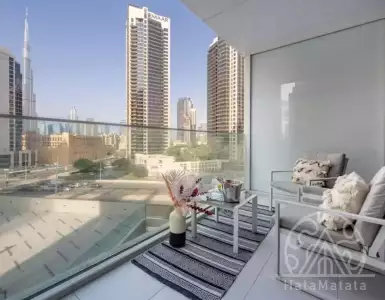
- 2022: Purchase of an apartment in The Residence, a high-end complex in Downtown Dubai, close to the Burj Khalifa and Dubai Mall.
- 2024: Rental of a villa in Al Merkadh, a low-rise, private-villa neighbourhood favoured by affluent expatriates and locals.
- 2023–2024: Records from Russian databases indicate five flights by Yuriy Ivaniushchenko to Dubai, all originating in Russia.
- Investigations by Ukrainian authorities previously targeted Yuriy for alleged embezzlement and illicit enrichment; he left Ukraine after 2014 and is on the wanted list of the National Anti-Corruption Bureau of Ukraine (NABU).
- NABU detectives say one of the inquiries involves a scheme to legalise 18 hectares of state land near Kyiv, valued at more than 160 million hryvnias ($3.6 million).
Journalists contacted Arsen Ivaniushchenko with questions about the origin of funds for the Dubai purchases but received no reply.
Why Dubai continues to attract buyers from the CIS and beyond
Dubai has a long record of attracting wealthy individuals and families from across the world, including the Commonwealth of Independent States (CIS). The reasons are practical: strong property infrastructure, relatively quick registration, tax neutrality for many investors, high-quality luxury stock and a large expatriate ecosystem.
In this case the two purchases are telling in scale and location:
- Downtown Dubai apartments: close to the Burj Khalifa and Dubai Mall, these units command premium prices and are easy to rent to short-term and corporate tenants. Buyers view them as liquid, internationally recognisable assets.
- Al Merkadh villas: quieter, villa-style neighbourhoods like Al Merkadh offer privacy and a family-friendly environment; they are favoured by HNW individuals and those seeking long-term residency.
For many buyers from the region, buying property in Dubai is also about mobility and lifestyle: a base that allows relatively easy travel, access to global banking, and a legal environment perceived as business-friendly. That said, proximity to such advantages comes with scrutiny — especially when ownership traces back to politically linked figures.
Legal and compliance implications for the UAE market
The Ivaniushchenko disclosures highlight legal and compliance challenges that are already on the agenda for Dubai regulators and financial institutions.
First, beneficial ownership and source-of-funds checks are the core compliance tools. When property is purchased by individuals linked to politically exposed persons (PEPs) or to investigations in other jurisdictions, banks and brokers are meant to apply enhanced due diligence. The leak shows that registration data can still reveal such links after the fact.
Second, the leak itself is a governance issue. The Dubai Unlocked dataset originates from internal registers. Public access to that information — even as a leak — shines a spotlight on how records are kept and who can access them. For buyers this means two practical realities:
- Buyers should assume that ownership data is not fully private and could be exposed in future leaks or legal requests.
- Sellers, advisers and banks must be ready to respond to reputational scrutiny when a buyer is linked to a politically exposed person or to allegations of illicit enrichment.
Third, cross-border law enforcement can move. NABU’s listing of Yuriy on a wanted list and the financial allegations in Ukraine create potential legal friction for transactions that involve funds traced to those activities. We have already seen in other cases how asset freezes and sanctions can complicate property ownership internationally.
Market and reputational risks: not just a legal issue
There are several categories of risk that developers, agents and buyers should consider.
- Reputational risk for developers and brokers: being associated with high-profile politically linked purchasers can attract media scrutiny and complicate future sales to institutional buyers.
- Counterparty risk for banks: lenders and escrow agents face the prospect of being implicated in money-laundering allegations if they fail to apply adequate AML screening.
- Liquidity risk for buyers: if a property is identified publicly as owned by a questionable figure, it can be harder to resell quickly and at market price.
We have seen these dynamics in other jurisdictions: banks tighten lending, title insurers flag the property, and buyers who discover the link may pull out or demand discounts.
 1
1
 1
1
 56
56
 5
6
313
5
6
313
 4
3
400
4
3
400
 1
45.86
1
45.86
 1
2
80
1
2
80
 1
127
1
127
Practical due-diligence checklist for buyers and investors
If you are buying property in Dubai or elsewhere in the UAE, the Ivaniushchenko leak is a reminder to treat due diligence as a core part of the transaction. Below is a practical checklist we use in our reporting and recommend to clients:
- Verify beneficial ownership: obtain certified copies of shareholder registers and understand who ultimately controls the purchasing entity.
- Source-of-funds documentation: insist on bank statements, transaction history and evidence of legitimate income streams for the buyer.
- Check for PEP status: conduct screening not only for the purchaser but for immediate family and known associates.
- Confirm chain of title: obtain a recent title report from the Dubai Land Department and a history of transfers for the specific unit or villa.
- Ask about local structures: find out if nominees or trustee arrangements were used and, if so, who the trustee is.
- Use escrow and regulated intermediaries: use reputable lawyers, regulated banks and escrow accounts rather than private cash settlements.
- Consider reputational screening: search media and leaked-data repositories for names connected to your counterparty.
- Seek expert legal advice: local counsel can explain nuances in UAE law, transfer taxes, residency implications and registration processes.
We recommend that foreign investors maintain a written record of all checks performed. That documentation is invaluable if regulatory scrutiny follows a purchase.
What this case suggests about policy and enforcement in the UAE
The leak will not be the last. For UAE regulators, the balance to strike is clear: protect the integrity of the property market while preserving Dubai’s attractiveness to legitimate global capital. The presence of a buyer linked to an internationally wanted figure is unwelcome press for any jurisdiction, particularly one that cultivates financial services.
In practice, that usually means:
- Stronger AML checks at banks and title registries.
- Tighter reporting requirements for beneficial ownership.
- Closer cooperation between UAE authorities and international law enforcement when credible allegations arise.
We have to be frank: stronger checks add friction and cost to legitimate transactions. But the alternative is systemic reputational damage that can reduce appetite from conservative institutional capital — the very buyers Dubai wants to keep.
How brokers, developers and lawyers should respond
Professionals in the Dubai market should treat this episode as a prompt for internal review rather than a crisis.
- Brokers should update their client onboarding processes and ensure KYC documentation is complete before listing high-value units.
- Developers should maintain and share compliance standards with agents working on their projects, including the expectations for verifying high-net-worth purchasers.
- Lawyers must be prepared to advise on cross-border risks, including the possibility of asset restraint orders or evidence demands from foreign prosecutors.
From my reporting and conversations with practitioners, the most effective change is cultural: treat compliance as an integral part of sales rather than an afterthought.
Why this matters to ordinary buyers and prospective expat residents
If you are looking to buy in Dubai, this story matters for three reasons:
- Pricing and liquidity: properties linked to controversial owners can fall out of mainstream channels and lose value.
- Personal exposure: living next door to a high-profile figure is not illegal but could carry media attention and longer-term market effects.
- Transaction safety: strong compliance reduces long-term risk. A clean title and documented source of funds protect your investment.
We cannot and should not stigmatise all buyers from the CIS or any other region. But market transparency and predictable enforcement protect everyone by ensuring that legitimate purchasers are not undercut by illicit flows.
Frequently Asked Questions
Who bought the Dubai properties and where are they located?
According to leaked documents accessed by Slidstvo.Info and the Dubai Unlocked project, Arsen Ivaniushchenko bought an apartment in The Residence in Downtown Dubai in 2022 and leased a villa in Al Merkadh during 2024.
What are the legal concerns raised by these purchases?
The main concerns are the origin of the funds used for acquisition and whether enhanced due diligence was applied. Yuriy Ivaniushchenko is on NABU’s wanted list in Ukraine and has been linked to alleged schemes involving state land worth over 160 million hryvnias ($3.6 million), which raises compliance questions for any property connected to his family.
Will the UAE seize or freeze such properties?
Seizure or freezing of assets depends on court orders or international cooperation. If a competent authority presents evidence and obtains a court order in the UAE, assets can be restrained. That requires formal legal steps; leaks alone do not trigger freezes.
How should I protect myself when buying property in Dubai?
Do the following: obtain full beneficial-ownership information, document source of funds, use regulated escrow accounts, engage reputable local counsel and run media and sanctions screening on counterparties. Keep written records of all checks.
Final assessment and takeaway
The Ivaniushchenko files are a clear example of the cross-border flows that now define high-end property markets. The core fact is simple and documented: a Downtown Dubai apartment was bought in 2022, and a villa was rented in 2024, with flight records showing the elder Ivaniushchenko travelling to Dubai five times in 2023–2024. For investors and advisers, the practical takeaway is equally clear: treat source-of-funds evidence and beneficial-ownership verification as non-negotiable parts of any transaction in the UAE. That is how you reduce legal exposure and protect the value of a Dubai property investment.
We will find property in UAE (United Arab Emirates) for you
- 🔸 Reliable new buildings and ready-made apartments
- 🔸 Without commissions and intermediaries
- 🔸 Online display and remote transaction

International Real Estate Consultant

Subscribe to the newsletter from Hatamatata.com!
Subscribe to the newsletter from Hatamatata.com!
Popular Posts

We will find property in UAE (United Arab Emirates) for you
- 🔸 Reliable new buildings and ready-made apartments
- 🔸 Without commissions and intermediaries
- 🔸 Online display and remote transaction
International Real Estate Consultant

Subscribe to the newsletter from Hatamatata.com!
Subscribe to the newsletter from Hatamatata.com!
I agree to the processing of personal data and confidentiality rules of HatamatataPopular Offers
 1
1
31
1
1
31
 4
38
4
38
 3
213
3
213
Need advice on your situation?
Get a free consultation on purchasing real estate overseas. We’ll discuss your goals, suggest the best strategies and countries, and explain how to complete the purchase step by step. You’ll get clear answers to all your questions about buying, investing, and relocating abroad.



Irina Nikolaeva
Sales Director, HataMatata