


Split’s Housing Crunch: Prices Hit Records While Resales Collapse

Split at a crossroads: record prices, collapsing transactions
The real estate Croatia market in Split is sending a warning signal. Prices for apartments have climbed into territory that local incomes cannot match, while resale activity has plunged. Our analysis of official reports and interviews with local agents shows a market that is overheated in price but cooling in transactions — a combination that often precedes a correction.
In plain numbers: resale apartment sales have fallen by up to 30%, yet average resale prices in Split range from €4,000 to €4,500 per square metre in the wider urban area. New developments are even more expensive at €6,000–€10,000 per square metre, with some luxury projects topping €12,000 per square metre. At the same time, policy change is reshaping owner incentives: the new vacancy tax charges €0.60 to €8 per square metre for properties not rented out for at least ten months per year.
Those facts are enough to capture attention. What matters more for buyers, renters and investors is what they mean in practice. We break down causes, consequences and tactical responses below.
Why prices keep climbing while sales fall
The split between high prices and falling transactions is driven by a tight supply picture and very strong demand, especially for coastal and near-coastal stock. Key drivers we observed are:
- Scarcity of developable land within Split’s city limits; officials and agents say buildable plots are nearly exhausted.
- Strong demand from domestic and international buyers who accept buying off-plan; agents report projects being sold out before the first floor is completed.
- Renovation economics: buyers face resale prices that, after refurbishment, approach the cost of a new flat.
Jasminka Biliškov, deputy president of the Croatian Chamber of Commerce’s Real Estate Association, puts it bluntly: when a buyer pays the resale price and then renovates, the total cost is comparable with buying a new build. That reality reduces the appeal of second-hand stock for certain buyers, especially those seeking turnkey or higher-spec apartments.
Matej Samardžić, who runs a Dalmatia regional office at a major agency, told HRT: “The demand is much higher than the supply. Buildings are often sold out before the first floor is even completed.” This pre-sale dynamic supports high list prices because developers and investors price for scarcity and urgency.
But demand can cool quickly when affordability breaks. That is what we are seeing: a 30% drop in resale transactions while headline prices keep rising.
The new vacancy tax: mechanics and immediate effects
Croatia introduced a property tax aimed at owners who keep apartments unused for more than ten months in a year. The tax has three features worth noting:
- It ranges from €0.60 to €8 per square metre, depending on location.
- The tax applies to properties left vacant or not rented for at least ten months annually.
- The Tax Administration issued around 90,000 rulings in the first year, and about 80,000 properties requested exemptions.
Authorities estimate the tax could bring in about €70 million of revenue, with 80% of proceeds allocated to cities and 20% to counties.
Why does that matter? For owners, the tax changes the carrying cost of leaving a property empty. That creates three practical incentives:
- Owners may start placing previously dormant apartments onto the rental market, increasing supply and helping renters in the medium term.
- Some owners may sell to avoid recurrent tax payments, which could increase resale supply but also depress prices if many properties come to market at once.
- Owners seeking exemption have flooded the tax administration, which shows both uncertainty about the rules and a desire to avoid the levy.
The exemption requests (around 80,000) underscore how many owners need clarification about their obligations and how many properties sit in ambiguous occupancy categories (seasonal use, family use, sporadic rentals).
Supply constraints and transport bottlenecks: why Split cannot expand cheaply
The scarcity of land inside Split is not an abstract problem. Locals and industry figures point to a practical boundary: buildable plots within city limits are depleted, meaning future affordable housing projects will need to use land outside central Split, generally in areas at least 20 km from the centre.
That pushes potential housing development into satellite towns and commuter belts where transport links are weaker. The market already struggles from:
- Poor road links to inland towns like Sinj, Imotski and Vrlika.
- Irregular ferry services that make some coastal neighbourhoods less accessible year-round.
Those weaknesses limit the pool of locations where cheaper, higher-volume housing can be built and inhabited by commuters. Without reliable public transport or road upgrades, living 20 km from the centre may not be viable for many workers, which keeps pressure on central and near-central prices.
Maja Armanda, a real estate sales advisor, highlights the market psychology: “The situation is such that demand far exceeds supply. A building that isn’t finished is already sold.” That pre-sale model rewards developers and landowners, but it leaves ordinary residents with fewer affordable options.
What buyers, renters and investors should do now
We want to be practical. Here is what market participants should consider in the current Split environment.
For buy-to-live buyers:
- Expect to pay at least €4,000 per sqm for resale within the wider urban area. Factor renovation costs into your budget because resale plus overhaul can approach the price of a new build.
- Consider commute times and transport links carefully if you look at properties 20 km from the centre; savings on purchase price can be wiped out by transport costs and time.
- If you are a local household on a single salary, be realistic about affordability: many residents report needing to share apartments due to price pressures.
For buy-to-let investors:
- The vacancy tax raises the cost of leaving units empty and may boost rental supply, lowering yields if supply expands faster than demand.
For buyers assessing new-builds vs resales:
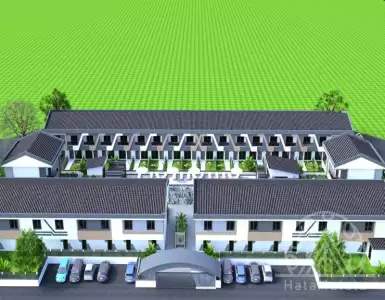
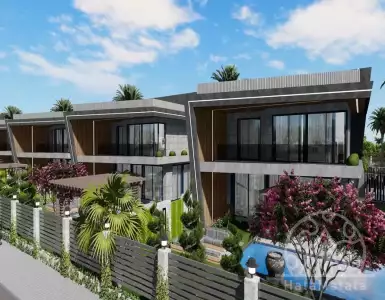
- Compare total delivered cost. A resale at €4,000–€4,500 per sqm plus renovation expenses may equal a new build priced at €6,000–€10,000 per sqm.
- New-builds often come with construction guarantees and modern standards that resale stock may lack, which matters for financing and resaleability.
Across the board, due diligence is critical. Verify tax obligations, exemption rules, and the practical occupancy profile of a unit. If you depend on rental income, stress-test your calculations for lower occupancy and shorter seasons.
Policy, social effects and the question of affordable housing
The combination of high prices, limited supply and a tax that targets vacant units is creating a visible social strain. Local residents report that typical wages do not match housing costs; one resident said, “I don’t think one lifetime would be enough to buy a property here.” Shared apartments are common because single incomes cannot support larger units.
The city has promised to build 1,000 affordable apartments for young people, but precise timelines and funding details are missing. That gap matters because supply-side interventions take time; building 1,000 units requires land, capital and construction capacity, all of which are currently constrained in Split.
What might policymakers do, in realistic terms?
- Allocate part of the €70 million in expected tax revenue to targeted affordable-housing programs, combined with fast-track planning for suitable sites.
- Improve transport links to the areas 20 km from the centre so those locations become viable for workers and families.
- Encourage redevelopment of brownfield sites within the city where feasible, to increase net housing without expanding the urban footprint.
These are not quick fixes. The tax will nudge behavior but will not replace a long-term housing programme. Expect friction as exemptions are processed and as owners adjust strategies.
Market risks and the potential for correction
We assess several risks that buyers and investors must weigh carefully:
- Price correction risk: falling transaction volumes alongside rising prices is a classic setup for a correction. If sellers increase supply to avoid the vacancy tax, downward pressure on prices could accelerate.
- Policy uncertainty: the large number of exemption requests (around 80,000) shows ambiguity in implementation. Rules can change and administrative delays can affect cash flows.
- Infrastructure constraints: without improved transport and local services, cheaper housing outside the centre may remain unattractive, keeping central prices high and vulnerable.
That said, coastal demand has real economic support from tourism and limited coastline supply, which buffers the market to some degree. But buffers are not impenetrable.
What we recommend to different readers
- Local buyers: secure a realistic budget that includes renovation and tax costs; consider cooperative housing options and municipal programmes.
- Renters: document your lease arrangements and look for longer-term contracts to get protection against seasonal shortages and tax-driven market shifts.
- Investors: stress-test cash flows for lower occupancy and reduced peak-season yields; verify the documentation needed to qualify for vacancy exemptions.
- Policymakers: convert tax revenue into supply-side actions and prioritise transport upgrades so peripheral land becomes useful for affordable housing.
Frequently Asked Questions
Q: How much is the new property tax in Split? A: The tax ranges from €0.60 to €8 per square metre, depending on location, and applies to properties that are vacant or not rented for at least ten months in a year.
Q: How many owners sought exemptions from the tax? A: Around 80,000 properties requested exemptions, while the Tax Administration issued about 90,000 rulings in the tax’s first year.
Q: Could the tax reduce vacancy and increase rental supply? A: The tax raises the cost of leaving properties empty and may push some owners to rent or to sell. That could increase rental supply over time, but the effect will depend on whether new supply meets the quality and location preferences of renters.
Q: Are prices likely to fall soon? A: The market shows a warning sign: resale transactions down by about 30% while prices rise. That combination increases the risk of a correction, especially if many owners decide to sell to avoid the tax or if demand softens.
If you are considering buying in Split, plan for a higher entry price than in most Croatian inland towns, factor renovation and tax liabilities into your total cost, and verify exemption procedures if the property may face vacancy periods. The hard data are clear: prices are high, sales are down, and the new tax is reshaping owner decisions. That combination will determine whether Split’s market cools gently or corrects more sharply in the months to come.
We will find property in Thailand for you
- 🔸 Reliable new buildings and ready-made apartments
- 🔸 Without commissions and intermediaries
- 🔸 Online display and remote transaction

International Real Estate Consultant

Subscribe to the newsletter from Hatamatata.com!
Subscribe to the newsletter from Hatamatata.com!
Popular Posts

We will find property in Thailand for you
- 🔸 Reliable new buildings and ready-made apartments
- 🔸 Without commissions and intermediaries
- 🔸 Online display and remote transaction
International Real Estate Consultant

Subscribe to the newsletter from Hatamatata.com!
Subscribe to the newsletter from Hatamatata.com!
I agree to the processing of personal data and confidentiality rules of HatamatataPopular Offers

 11
11
 10
10
 701
701
 7
8
1012
7
8
1012
Need advice on your situation?
Get a free consultation on purchasing real estate overseas. We’ll discuss your goals, suggest the best strategies and countries, and explain how to complete the purchase step by step. You’ll get clear answers to all your questions about buying, investing, and relocating abroad.



Irina Nikolaeva
Sales Director, HataMatata