


What €100,000 Buys You in Portugal in 2026 — Expect Small, Rural or in Need of Work

Buying property in Portugal in 2026: reality check for a €100,000 budget
Searching for affordable property in Portugal in 2026? If your budget tops out at €100,000, be ready to accept trade-offs: smaller floorplans, inland locations, or houses that need significant work. The Portuguese real estate market has tightened in recent years and finding a turn‑key coastal apartment at this price is rare.
We move beyond headlines and listicles to give you a practical, experience‑led guide for what to expect, where to look, and how to budget if you want to buy cheap property in Portugal. Our analysis uses the latest market context: property prices have risen faster here than in many parts of Europe, and the pool of homes under €200,000 has shrunk substantially over the last five years.
Where sub‑€100,000 homes still exist
Location is the single biggest factor determining whether you will find property in Portugal under €100,000. Coastal resort towns and major cities are largely out of reach at this price; the opportunities are in quieter, inland pockets.
- Central Portugal: Small towns, villages and some market towns still list studios, one‑bed flats and traditional townhouses under €100,000. Many of these properties require modernisation.
- Parts of the Alentejo: The Alentejo offers low entry prices in more remote parishes. These properties often attract buyers who want a rural lifestyle or those open to renovation projects.
- Northern interior away from Porto: Away from the Porto metro area you can still find inexpensive village houses and older apartments.
Coastal properties at this price are exceptional and typically fall into three categories: very small flats, dated units a long way from the beach, or properties requiring major works. If proximity to the sea is non‑negotiable, prepare to increase your budget.
What kinds of homes you’ll see for under €100k
Expect a narrow range of property types at the bottom of the market. These are the common profiles:
- Small studios and one‑bed apartments, often in older buildings and without modern amenities.
- Traditional village houses and townhouses that have not been modernised and may have structural or services deficits.
- Former agricultural buildings or small farm annexes that are sold as renovation projects.
- Remote rural properties that can be attractive for lifestyle buyers but thin on rental demand.
Most listings at this level are not move‑in ready. The building fabric may be sound, but systems like electrics, plumbing and insulation commonly need immediate attention.
The true cost: what the asking price does not cover
A headline price of €100,000 is only a starting point. For foreign buyers especially, other costs add up quickly and can change the viability of a purchase.
Key extra costs to factor in:
- IMT (property transfer tax): This tax applies when you buy residential property in Portugal. It is a purchase cost that you must budget for when calculating affordability.
- Legal fees and due diligence: You need a good lawyer for title checks, processing deeds and dealing with registry matters. Skimping here is risky.
- Surveying and energy certification: Building surveys and the legally required energy performance certificate are necessary to understand defects and long‑term running costs.
- Immediate upgrades: Older properties frequently need work on electrics, plumbing, heating, insulation or roofing; those are recurring themes on low‑priced listings.
- Ongoing maintenance and utilities: Remote locations can have higher running costs and variable service standards for water, electricity and broadband.
We advise every buyer to run a conservative budget that includes contingency for unseen problems. A cheap purchase can become expensive fast if roof or structural repairs are required.
Financing and legal steps for non‑resident buyers
Foreign buyers remain active in Portugal, but the process requires preparation. Mortgages and finance are available to non‑residents from Portuguese banks and some international lenders, however approval depends on income, credit history and the property’s condition.
Practical steps and considerations:
- Obtain a fiscal number (NIF) early — you cannot complete a purchase without it.
- Secure clear legal representation to check land registry entries, debts or legal limitations on the property.
- Ask lenders whether they value the property for mortgage purposes when it needs significant renovation; some banks discount heavily or refuse lending against properties that are not habitable.
- Consider whether you will buy as a cash purchaser, with a renovation loan, or via a local lender. Each route has different costs and timelines.
We recommend getting mortgage pre‑approval only after a solicitor has confirmed title and encumbrances. That sequence prevents people from committing to finance for a property that cannot legally or practically be mortgaged.
Renovation realities and planning permissions
Renovating a cheap Portuguese property is common, but it requires realistic planning.
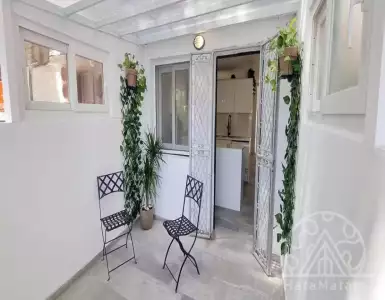
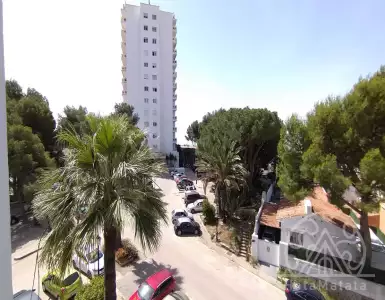
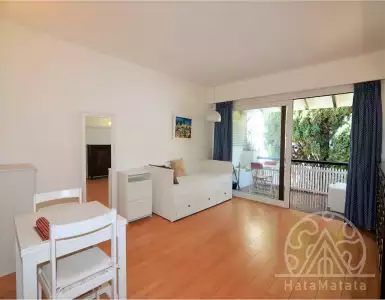
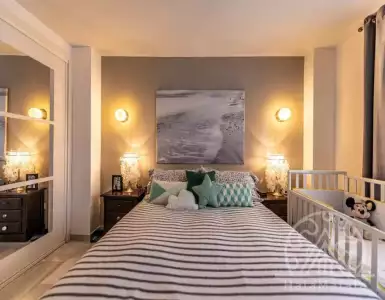
What to check before bidding:
- Structural condition: look for damp, subsidence, sagging roofs and damaged timbers.
- Electrical installation: older wiring may be unfit for modern loads and can be a fire risk.
- Plumbing and sanitation: expect older lead or corroded pipes in many properties under €100,000.
- Thermal performance: poor insulation increases running costs and affects comfort.
- Historic designation: some village houses are in conservation areas and require special permits for changes.
Obtaining building permits in Portugal can be straightforward for minor works, but complex if you change layouts or alter listed façades. Factor application time into your project timeline.
Who should buy a cheap property in Portugal — and who should not
A low entry price can fit different buyer profiles. We outline who can realistically make it work and who will likely be frustrated.
Good candidates:
- Buyers looking for a long‑term project and who enjoy renovation and site management.
- Lifestyle buyers seeking a slow‑paced life in rural Portugal with flexible timelines.
- Investors focused on long‑term value-add who can absorb renovation and holding costs.
Less suitable candidates:
- Buyers needing quick rental income: rural areas can have weak short‑term let markets outside tourist hubs.
- Buyers who want a fully furnished, ready‑to‑occupy home upon arrival.
- Buyers without either cash reserves or access to renovation financing.
We have seen cheap purchases succeed when buyers match capability to property condition: buy a renovation project only if you have the budget, time and risk tolerance to see it through.
Valuation and resale prospects
Cheap properties are less liquid than mid‑market homes. Resale depends heavily on location, quality of renovation and local demand dynamics.
Points to weigh:
- Inland homes typically appreciate more slowly than coastal or city properties.
- A well‑executed renovation that respects the local market can improve resale prospects, but returns can be modest and take years to materialise.
- Tourism and rental fuelled gains are concentrated in accessible coastal and historic towns; remote village homes rarely deliver high short‑term yields.
If your plan is to flip a sub‑€100,000 purchase quickly for profit, the odds are against you unless the property is undervalued and the renovation is cost‑effective.
Practical checklist for buyers viewing cheap properties
Before making an offer, verify these essentials in person or through a trusted local agent and solicitor:
- Confirm the property is correctly registered and has no outstanding debts or legal claims.
- Order a structural survey and an electrical/plumbing inspection.
- Check water and electricity supply reliability and broadband availability.
- Ask for previous permits and documentation for any past works.
- Obtain an energy performance certificate and inquire about expected running costs.
- Get at least one local builder’s estimate for required repairs.
Bring a translator or bilingual advisor if Portuguese is not your language; small print and registry entries can hide surprises.
How to approach negotiation and offers
Pricing dynamics differ across regions. In quieter markets, motivated sellers may be open to offers below asking; in sought‑after villages with few listings, competition can push prices up.
Negotiation tips:
- Use survey findings as leverage for price reductions when hidden defects emerge.
- Build realistic timelines into the offer for completion and handover.
- Consider a conditional offer that depends on legal and technical checks.
A firm deposit and a competent solicitor give buyers negotiating confidence. Avoid emotional bidding wars that ignore running and renovation costs.
Investment cases where cheap Portuguese property makes sense
There are scenarios where buying under €100,000 is defensible:
- As a low‑cost entry into the Portuguese market for long‑term residency or retirement, if you are ready to modernise slowly.
- As a lifestyle purchase for someone who wants a holiday base and accepts modest accommodation in exchange for low purchase prices.
- As a long‑term value‑add investment when the buyer has renovation expertise or contractors who can keep costs controlled.
Even in these scenarios, careful budgeting and realistic timelines are non‑negotiable.
Risks and red flags to watch
Cheap property is often cheap for a reason. Watch out for these warning signs:
- Properties without proper registration or with unclear title history.
- Major structural issues flagged in an initial walkthrough.
- Lack of essential services or access to roads and emergency services.
- Restrictions that prevent making desired changes, especially within historic or conservation zones.
Avoid properties where the seller cannot provide clear documentation. The initial saving on purchase price can be wiped out by legal disputes or unexpected remediation.
Frequently Asked Questions
Can a foreigner buy property in Portugal for under €100,000?
Yes. Foreign buyers can purchase property in Portugal, including homes under €100,000, though they must obtain a Portuguese fiscal number and follow the same legal checks as residents. Budget for legal fees and taxes such as IMT.
Are mortgages available for low‑priced properties that need renovation?
Lenders do provide mortgages to non‑residents, but banks are conservative when properties are not habitable. Expect stricter valuation rules and the possibility that a bank will only lend a portion of the after‑renovation value.
Where is the best place to look for cheap properties?
Look inland: Central Portugal, parts of Alentejo, and northern regions away from Porto are where most sub‑€100,000 listings are found. Coastal bargains are rare and often require compromise on size or condition.
How much should I budget for unseen repairs?
There is no uniform figure, since repair costs depend on property condition and scope of works. Plan for comprehensive surveys and include a contingency in your budget. Many buyers discover they must upgrade electrics, plumbing, insulation or the roof soon after purchase.
Final takeaways for buyers and investors
Cheap property in Portugal under €100,000 still exists in 2026, but the pool is smaller and the bargains usually come with strings attached. You can buy a modest studio, a village house or a renovation project in inland areas, but you must approach these purchases with detailed due diligence, a realistic budget for extra costs, and patience.
If you are considering a purchase at this price point, start with a solicitor and a surveyor, be conservative in your renovation budget, and match your expectations to the property type. A low purchase price can be worthwhile if you plan carefully and accept that immediate rental income or rapid resale is unlikely. Remember: a property under €100,000 often requires upgrades to electrics, plumbing or the roof shortly after purchase, so include those possibilities in your financial plan.
We will find property in Portugal for you
- 🔸 Reliable new buildings and ready-made apartments
- 🔸 Without commissions and intermediaries
- 🔸 Online display and remote transaction

International Real Estate Consultant

Subscribe to the newsletter from Hatamatata.com!
Subscribe to the newsletter from Hatamatata.com!
Popular Posts

We will find property in Portugal for you
- 🔸 Reliable new buildings and ready-made apartments
- 🔸 Without commissions and intermediaries
- 🔸 Online display and remote transaction
International Real Estate Consultant

Subscribe to the newsletter from Hatamatata.com!
Subscribe to the newsletter from Hatamatata.com!
I agree to the processing of personal data and confidentiality rules of HatamatataPopular Offers

 1
1
 45
45
 1
1
80
1
1
80
 2
2
107
2
2
107
Need advice on your situation?
Get a free consultation on purchasing real estate overseas. We’ll discuss your goals, suggest the best strategies and countries, and explain how to complete the purchase step by step. You’ll get clear answers to all your questions about buying, investing, and relocating abroad.



Irina Nikolaeva
Sales Director, HataMatata