


When Listing Photos Lie: AI, Trust and Buying Property in Spain

First impressions, real stakes: AI and real estate Spain
The first thing many buyers see is a photo. In the age of online searches, a listing image can make or break interest in a property, and that matters for anyone watching the real estate Spain market. But what happens when that image is improved or invented by artificial intelligence? The result can be an efficient marketing edge or a source of serious buyer disappointment. In our analysis, the balance between helpful enhancement and misleading manipulation is where the market will be tested.
What modern AI tools do to listing photos
AI-driven photo tools have moved beyond simple cropping and colour tweaks. Today’s platforms offer a range of edits that change how a home appears online. Key capabilities include:
- Lighting correction and colour balance to make interiors look brighter and more uniform
- Clutter removal that erases personal items, cables or mess from a frame
- Virtual staging that inserts furniture and décor into empty rooms
- Background and view alteration including changing sky colour or adding a different outside scene
- Full image generation that can produce visuals that never existed for the property
Real estate professionals argue these tools speed up marketing and increase engagement. Some firms say enhanced visuals produce significantly more interest and faster viewings. That can reduce listing time on market and cut marketing budgets. For sellers and agents, AI can be an efficient route to more clicks and more inquiries.
But functionality is not ethics. When an image moves from enhancement to fabrication, expectations change and so does buyer risk.
When enhancement becomes misrepresentation: legal and ethical lines
There is a practical boundary between acceptable editing and deceptive practice. Small corrections that reflect the property’s real condition are common in professional photography. However, when edits alter the facts about a property—its size, condition, fixtures or the view—buyers can be misled.
Regulators and watchdogs are already flagging that risk. The New York Department of State has warned buyers about the rise of AI-generated listing images that can misrepresent properties. In the United States, authorities are moving toward rules that require digitally altered real estate photos to be labelled and for original images to be made available. Professional associations, such as the National Association of Realtors, expect members to avoid exaggeration or concealment of key facts under their codes of conduct.
Spain does not yet have specific national rules for AI use in property photos. That regulatory gap matters because many listing platforms operate across borders. International practice shows how fast harm can spread. If portals allow heavily edited images without disclosure, buyers—especially foreign buyers and expats comparing listings across countries—can arrive at viewings with incorrect expectations.
Legal and reputational risk for agents can follow:
- Agents who publish images that materially misstate a property’s condition may face consumer complaints, disciplinary action by professional bodies, or civil claims under misrepresentation rules
- Misleading images can damage an agency’s reputation, making it harder to win future listings or trust from local buyers
Ethics matter in markets built on trust. In real estate, credibility is a tradable asset. When photos stop being accurate, that asset depreciates.
What buyers in Spain should do: a practical due-diligence checklist
Buyers, investors and expats need concrete steps to protect themselves. I recommend a layered approach that combines online checks and real-world verification.
Immediate checks on any listing:
- Ask directly: "Were these photos taken by a photographer or enhanced with AI?" Insist on a clear answer.
- Request originals: Ask the agent for the unedited files. Metadata in original images can confirm date, time and camera used.
- Look for virtual staging signs: unnaturally perfect furniture placement, identical shadows, or furnishings that look like renderings are red flags.
- Reverse image search: Run the photo through a search engine to see if the image is recycled, stock photography, or appears on multiple listings.
- Compare room proportions: If furniture looks out of scale with a doorway or window, measurements may have been altered.
Deeper verification before committing time or money:
- Request a live video walkthrough with a local agent or owner giving a continuous pan of the space; ask them to show features such as sockets, meters, and the view out the window
- Insist on timestamps for virtual tours and videos to make sure content is current
- Hire an independent inspector or surveyor before exchange of contracts; photos cannot replace a technical survey
- Visit in person where possible. Seeing the property is still the most reliable way to confirm what photos show
Negotiation and contractual tactics:
- Reference advertising accuracy in pre-contract communications. Ask the agent to confirm in writing whether listing images represent the current condition.
- Use contingencies: make offers conditional on a satisfactory in-person inspection or on verification of the property’s features
- Keep evidence: save copies of listing pages and email correspondence.



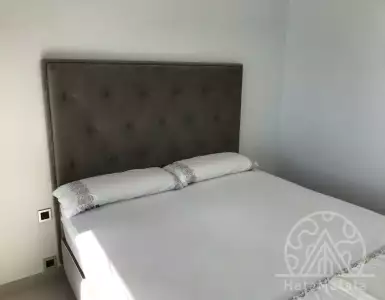

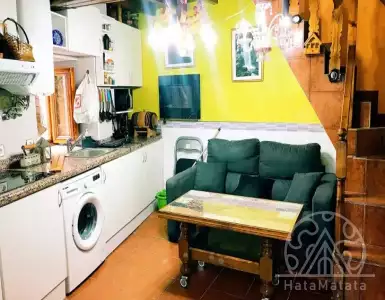
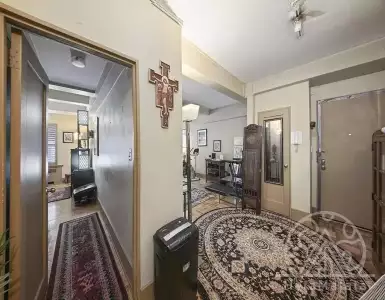

These steps cost time and sometimes money, but they lower the risk of surprise and financial loss.
How agents and platforms should respond: transparency as a competitive edge
From an industry perspective, the smart route is clear: use technology, but label it. Transparency reduces legal risk and preserves credibility.
What I expect will happen gradually in Spain and on major portals:
- Platforms and listing sites will introduce mandatory flags for "virtually staged" or "AI-enhanced" images
- Agencies will offer both enhanced and original photos to satisfy buyer demand for honesty and marketing needs
- Professional codes of conduct will be updated to cover AI manipulations and disclosure standards
Agents who voluntarily provide originals and labelled edits will win trust from careful buyers and long-term investors. Those who hide manipulations risk complaints or worse. Given international trends, Spanish marketplaces that adopt clear labelling and make raw images available will make their platforms more attractive to cross-border buyers.
Spotting AI edits: red flags and quick tests
Most buyers do not need advanced forensics to spot suspicious images. Train your eye and use simple tools. Watch for:
- Overly uniform lighting across an entire interior with no visible light source
- Furniture that repeats textures, patterns, or looks like the same object mirrored
- Streets, skies or distant views that appear inconsistent with the neighbourhood
- Missing small details such as light switches, sockets, or curtains that are usually present
Simple tech checks:
- Check EXIF metadata in the photo file to verify camera make, model and date; absence of metadata is a possible indicator of heavy editing
- Search the same image on reverse-image platforms to detect reuse
- Compare multiple listings from the same agent to see if a particular editing style is consistent or suspicious
These checks are low cost and often reveal problems before you travel to view a property.
What investors and landlords should consider
For investors buying to let or resell, photos are marketing tools but they cannot replace due diligence. If you are buying in Spain for rental income or capital appreciation, pay particular attention to:
- How the property is presented versus how it will perform with tenants: staging can hide maintenance needs that affect rental yield
- The cost of rectifying misrepresented defects: an attractive asking price may conceal defects that reduce net return
- Regulatory compliance for advertising to international tenants and buyers
As an investor, I would insist on inspection reports and an independent valuation before exchange. That keeps assumptions about condition and usable area grounded in evidence rather than images.
Policy trends to watch
Policymakers in several countries have started acting. The US examples are instructive: some states and regulators now require disclosure when a photo has been digitally altered and that original photos be available. Spain may not have specific rules yet, but cross-border platforms and European consumer law pressures could change that.
Watch for these developments:
- Platform-level disclosure rules on major Spanish portals
- New guidance from Spanish consumer protection agencies on online property advertising
- Updates to professional association codes in Spain covering digital advertising and image editing
Agents who adapt early to disclosure standards will face less regulatory risk and may benefit from buyer confidence.
Our verdict: useful technology, conditional on honesty
AI can be a legitimate marketing tool in property sales. It helps agents produce clean, understandable photos quickly and can aid buyers in visualising potential. But when edits create a different reality, the technology undermines the market’s basic currency: trust.
For buyers in Spain and those comparing listings across borders, the practical rule is simple: assume photos may be edited, ask for originals, and verify what you see.
Frequently Asked Questions
Q: Are virtual staging and AI edits illegal in Spain? A: Currently there is no specific Spanish law that bans virtual staging or AI edits. However, if images materially misrepresent the property, general consumer protection and advertising rules could apply. Buyers should document discrepancies and consult a lawyer if they suspect misrepresentation.
Q: How can I tell if a listing photo is AI-generated? A: Look for telltale signs such as inconsistent shadows, duplicated objects, hyper-uniform lighting, or backgrounds that do not match the neighbourhood. Ask the agent for raw images and request a live video walkthrough with timestamps.
Q: Should I rely on virtual tours instead of photos? A: Virtual tours can be more reliable because they show movement and continuity, but they can also be edited. Prefer live video tours where the agent pans through rooms in real time and includes outside views and detail shots.
Q: What legal remedies exist if I buy a property based on misleading images? A: Remedies depend on the facts and local law. If images were materially misleading, buyers may have claims for misrepresentation or breach of pre-contract information duties. Save evidence such as screenshots and correspondence and consult a Spanish property lawyer promptly.
In short: treat listing images as a starting point, not proof. Ask for originals, insist on inspection or survey, and keep documentation of all claims made by the agent. Those steps protect your money and preserve confidence in the market.
We will find property in Spain for you
- 🔸 Reliable new buildings and ready-made apartments
- 🔸 Without commissions and intermediaries
- 🔸 Online display and remote transaction

International Real Estate Consultant

Subscribe to the newsletter from Hatamatata.com!
Subscribe to the newsletter from Hatamatata.com!
Popular Posts

We will find property in Spain for you
- 🔸 Reliable new buildings and ready-made apartments
- 🔸 Without commissions and intermediaries
- 🔸 Online display and remote transaction
International Real Estate Consultant

Subscribe to the newsletter from Hatamatata.com!
Subscribe to the newsletter from Hatamatata.com!
I agree to the processing of personal data and confidentiality rules of Hatamatata
Need advice on your situation?
Get a free consultation on purchasing real estate overseas. We’ll discuss your goals, suggest the best strategies and countries, and explain how to complete the purchase step by step. You’ll get clear answers to all your questions about buying, investing, and relocating abroad.



Irina Nikolaeva
Sales Director, HataMatata