


Why buyers and investors are chasing this Na Jomtien beachfront project in 2026

Southbound shift: why Thailand property buyers are looking to Na Jomtien
Thailand property investors are shifting their attention from central Pattaya to Na Jomtien, and for reasons that go beyond headline luxury. In 2026 the market is responding to accessibility improvements under the Eastern Economic Corridor and to a new class of developments that trade scale for privacy, one of which is The Panora Estuaria. We have reviewed the project details and the market context so you can decide whether this type of beachfront real estate fits your portfolio or lifestyle.
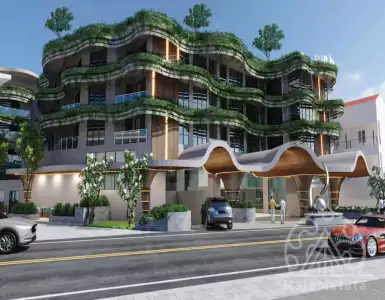
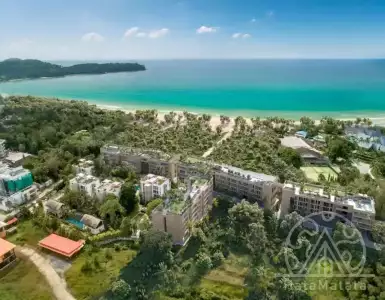
The Panora Estuaria is being positioned as a limited, boutique beachfront residence in Na Jomtien with direct access to Ban Amphur beach and a unit count of only 264. That combination is why many investors describe the project as offering "scarcity value": land for true beachfront development in this zone is nearly exhausted, and the arrival of improved roads and airport capacity has made the location commercially relevant again.
Why Na Jomtien is the hotspot for Pattaya-area investment
Na Jomtien was, until recently, a quieter alternative to the city centre. That changed as infrastructure projects accelerated. Key transport projects that elevate the area are:
- Eastern Economic Corridor (EEC) upgrades that bring industrial and service-sector investment to the region
- Motorway 7 extension, improving road connections with Greater Bangkok and other eastern provinces
- U-Tapao International Airport expansion in 2026, increasing international and domestic passenger capacity
These projects increase accessibility for visitors and long-stay executives, which matters for both short-term rentals and long-term capital growth. In our view, accessibility plus constrained beachfront supply is a strong combination for an asset aimed at higher-net-worth tenants and owners who value low-density residence.
Na Jomtien also sits close to attractions and amenities that matter to affluent tenants: international-standard water parks, private and semi-private golf courses, and lifestyle-driven resorts. That mix supports a market for private residences that do not require proximity to central Pattaya's nightlife or mass-tourism hubs.
The Panora Estuaria: five features that define the project
The developer has publicised five defining elements. They matter differently depending on whether you are buying to live, rent, or hold for capital growth.
1. The Mangrove Lagoon philosophy
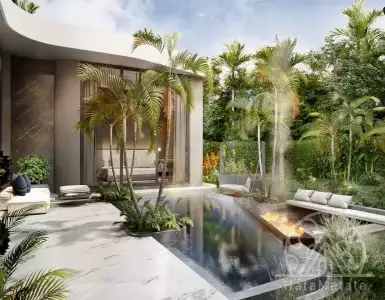
The project integrates a mangrove-forest inspired grid of green areas and waterways. This is not purely aesthetic: the developer claims the design creates a natural micro-climate, improving air movement and cooling common areas. For buyers, the implication is:
- Landscape-driven passive cooling may reduce reliance on mechanical cooling in public zones
- An ecological thematic approach may appeal to long-stay international renters who prefer low-density, nature-oriented residences
From a due-diligence perspective, confirm local environmental permits and whether any conservation obligations affect future development or access rights.
2. The "Power of 4" amenity concept
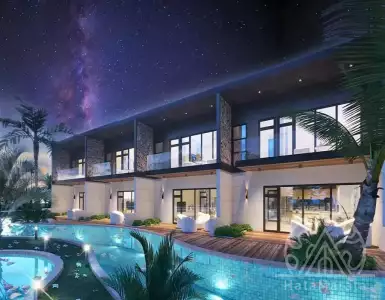
Amenities are split across four themed zones named Nara, Pana, Kirima, and Samuttra. The stated aim is to spread facilities so no single zone becomes overcrowded. Examples cited include a private onsen and a high-tech co-working space. For investors this has implications:
- Amenity distribution targets privacy and long-stay comfort rather than density-driven guest turnover
- A co-working space can increase appeal to executives and digital nomads seeking longer leases
Ask the developer for a masterplan that shows how amenity circulation works and how maintenance costs are allocated across zones.
3. Privacy via limited supply
The project features 264 units. That unit cap is intentional: the developer markets the development as boutique, aiming to attract high-net-worth tenants and owners who want low traffic and exclusivity. From an investment angle this is an explicit supply-management strategy designed to support rental premiums and resident satisfaction.
4. Absolute zero-distance living
A key sales point is that The Panora Estuaria offers direct transition from the development onto Ban Amphur beach with no public road separating property and sand. This is rare in the Na Jomtien–Ban Amphur strip, where many so-called beachfront projects are bisected by public thoroughfares.
Direct beach access can raise both the premium buyers pay and the complexity of operations: expect higher expectations on security, beach upkeep, and public-rights management. Verify documented access rights and any shared-use arrangements with local authorities.
5.



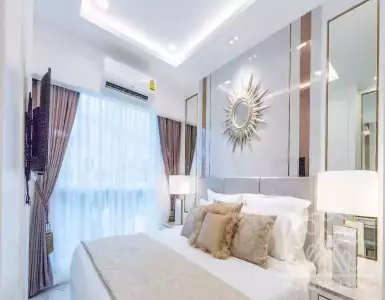
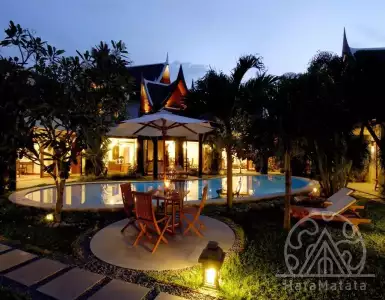
The development is marketed as equipped for 2026 living standards: smart-home ecosystems, EV charging hubs, and AI-assisted building management. For buyers this indicates:
- A higher base specification that may reduce retrofit costs later
- The need to verify interoperability of smart systems with international standards and after-sales support
We recommend asking for technical dossiers: which smart-home platform is used, what standards the EV chargers follow, and how the AI building-management system integrates with safety and fire systems.
Investment case: scarcity, demand profile and likely performance drivers
There are three clear pillars to the project's investment narrative according to the project materials and market context:
- Scarcity of true beachfront land in the Na Jomtien–Ban Amphur stretch
- Infrastructure upgrades under the EEC and U-Tapao’s 2026 expansion boosting accessibility
- Demand from executives and long-stay international tenants seeking low-density, privacy-focused residences
For investors that mix lifestyle and capital aims, The Panora Estuaria ticks important boxes: location, limited supply, and amenity strategy aligned to long-stay tenants. That said, we do not have developer pricing or projected yields from the source. Buyers should model outcomes under conservative occupancy and rental-rate assumptions, not marketing projections.
Key investor considerations include:
- Target tenant profile: executives, corporate relocations, and longer-term holiday lets rather than short-stay vacation traffic
- Potential for capital appreciation as infrastructure improves and competing beachfront supply remains limited
- Operating cost implications of high-spec amenities and AI/EV systems
Risks and what to check during due diligence
No development is without risk. Here are the principal areas you should investigate before committing capital.
- Regulatory and ownership complexity: Thai property law has specific rules for foreigners. Condominiums are a common foreign-friendly route, but legal structures and tax implications vary. Consult a Thai-qualified property lawyer.
- Environmental and permitting constraints: a mangrove-themed design may require coastal and environmental permits; confirm these are in place and that there are no pending objections or remediation requirements.
- Coastal hazards and insurance: beachfront properties face storm surges, erosion, and flood risk. Obtain up-to-date flood maps and insurance quotes before purchase.
- Technology execution risk: smart-home and AI systems add value but require long-term maintenance and cybersecurity planning; clarify warranties and who bears upgrade costs.
- Demand seasonality and rental mix: Na Jomtien’s market will have seasonal peaks. If your plan relies on high yields from short-term rentals, model a year-round occupancy scenario and understand local regulations for short-term letting.
We recommend the following due-diligence steps:
- Request the full masterplan, environmental impact assessments, and building permits
- Review the title deeds and condominium juristic person structure if buying a unit
- Seek independent structural and M&E inspections where possible
- Get written detail on service charges, sinking funds, and amenity maintenance schedules
- Verify the timeline and specifics for public-infrastructure projects claimed as value drivers
Practical buying advice for foreign and domestic investors
From our editorial experience in Thailand property markets, buyers who get the best outcomes follow a checklist:
- Align purchase purpose with product type: live, rent long-term, or trade on resale. The Panora Estuaria’s low-density model is better suited to long-term lease and owner-occupation than high-volume short-term letting.
- Confirm ownership vehicle and tax exposure: ask for a breakdown of transfer fees, withholding taxes, rental tax rules, and local annual taxes.
- Negotiate clear specifications in the sales contract: smart-system brands, EV-charger counts, common-area finishes, and any promised onsen facilities should be contractually defined.
- Plan for operating costs: a high-amenity development will have higher service charges; request historical benchmarks from comparable projects in Na Jomtien if possible.
If you plan to rent the unit out, consider third-party management: international tenants often prefer professionally managed residences that guarantee some level of consistency in cleaning, security, and maintenance.
How The Panora Estuaria fits portfolio strategies
In a diversified international property portfolio, a low-density beachfront condominium with direct beach access can play a specific role:
- As a lifestyle hedge: owners can use the unit for personal stays while generating some rental income
- As a yield-plus-asset: if infrastructure improvements materialise, capital appreciation may outpace inland apartments—but performance will lag during low tourist season
- As a capital-preservation asset: beachfront scarcity can protect value against overbuilding inland, but maintenance costs are higher
We believe this type of asset works best when not relied upon as the only source of yield in a portfolio. Treat it as a specialised holding that provides geographic and use diversification.
Balancing the sales pitch with market realities
Marketing materials frame The Panora Estuaria as a "Hidden Gem" that redefines beachfront living. That label reflects two truths: there is limited genuine beachfront land remaining in the Na Jomtien–Ban Amphur corridor, and the EEC-driven transport upgrades materially improve accessibility.
At the same time, buyers should temper sale-forward language with practical questions about price per square metre, service charge forecasts, and proven demand for high-end low-density units in the immediate submarket. The long-term infrastructure story is persuasive, but it is a multi-year play and depends on broader macro conditions including Thailand's tourism recovery, global travel patterns, and currency movements.
Frequently Asked Questions
Q: Who is the target buyer or renter for The Panora Estuaria?
A: The project targets higher-net-worth homeowners and long-stay international tenants, including executives and professionals who value privacy, spacious amenities, and direct beach access. The amenity mix—private onsen and co-working hubs—signals a lean toward longer stays rather than transient, high-turnover visitors.
Q: How does the project benefit from the Eastern Economic Corridor and U-Tapao expansion?
A: The EEC upgrades, the Motorway 7 extension, and the U-Tapao International Airport 2026 expansion raise accessibility for the eastern seaboard. Improved transport links shorten travel times for domestic and international visitors and can support higher sustained demand from corporate relocations and long-stay tenants.
Q: Are there environmental or regulatory risks linked to the mangrove integration?
A: Yes. Any development that highlights mangrove integration likely had to address coastal and ecological regulations. Buyers should request environmental impact assessments and confirm all required permits are in place. Local conservation rules can affect future changes to common areas.
Q: What practical steps should I take before booking a private viewing in 2026?
A: Prior to a viewing, request the masterplan, confirmed permits, a breakdown of service charges, the contract specification for smart systems and EV infrastructure, and sample sales contracts. Bring a Thai-qualified property lawyer to review the purchase terms and ownership options.
Final assessment and practical takeaway
The Panora Estuaria illustrates the class of projects that are reshaping the southern Pattaya corridor in 2026: limited-unit beachfront developments that lean into privacy, ecological design, and smart infrastructure. For buyer-investors who value low-density beachfront living and who plan on holding for the medium to long term, the project aligns with the EEC-driven accessibility improvements and the shortage of direct-beach plots.
That said, any purchase demands rigorous checks on environmental permits, title documents, operating budgets, and the technical specifications of the smart and EV systems. If you are arranging a private viewing in 2026, bring documented questions about service charges, warranty periods for smart-home systems, and written evidence of beach-access rights—these are the details that influence total cost of ownership and rental-market viability.
Tags
We will find property in Thailand for you
- 🔸 Reliable new buildings and ready-made apartments
- 🔸 Without commissions and intermediaries
- 🔸 Online display and remote transaction

International Real Estate Consultant

Subscribe to the newsletter from Hatamatata.com!
Subscribe to the newsletter from Hatamatata.com!
Popular Posts

We will find property in Thailand for you
- 🔸 Reliable new buildings and ready-made apartments
- 🔸 Without commissions and intermediaries
- 🔸 Online display and remote transaction
International Real Estate Consultant

Subscribe to the newsletter from Hatamatata.com!
Subscribe to the newsletter from Hatamatata.com!
I agree to the processing of personal data and confidentiality rules of Hatamatata


Need advice on your situation?
Get a free consultation on purchasing real estate overseas. We’ll discuss your goals, suggest the best strategies and countries, and explain how to complete the purchase step by step. You’ll get clear answers to all your questions about buying, investing, and relocating abroad.



Irina Nikolaeva
Sales Director, HataMatata