


Why Luxury Homes in Greece Stay Unsold: Four Seller Mistakes to Fix Now

Luxury real estate Greece is active — but many high-end homes are stuck
The real estate Greece market, especially in the Athens Riviera and the Northern Suburbs of Athens, is showing steady activity. Yet a surprising number of luxury properties are lingering on the market for months. We asked why some estates sell quickly while others do not. The answer is less about macro cycles and more about four recurring seller errors that I see again and again.
Korina Saia, CEO of Premier Realty, says the problem rarely lies in overall market direction. Her assessment is direct: owners are often their own biggest obstacle. Below I unpack each mistake, explain the consequences, and offer practical fixes for sellers and guidance for buyers and investors.
1. Incorrect pricing: the single largest mistake
Price is the most decisive factor in the market. Modern buyers compare listings and real-time market data, so a mispriced luxury property will be obvious within days.
- Sellers who price above market expectations stretch the time a property is active from weeks into months.
- Forecasts for 2026 predict price growth of only 3%–5%, so speculative, steep price increases are unlikely to be absorbed by buyers.
Why this matters for sellers
- Long exposure weakens negotiation power. A property that has been on the market too long invites discount expectations.
- Market fatigue sets in. Premier Realty and other brokers note that listings with no serious buyer engagement after 90–120 days enter a soft zone where interest drops and offers evaporate.
Practical pricing steps for sellers
- Use a Comparative Market Analysis (CMA) that includes recent closed sales in the Athens Riviera and Northern Suburbs, adjusting for amenities, plot size, view, and energy performance.
- Price for the market, not for an emotional or aspirational target. Buyers in the luxury segment are data-driven and will spot outlier listings.
- Consider a staged price path: launch with a competitive price, hold at that level for the first 60–90 days, then reassess if feedback is weak.
What buyers should know
- A property on the market beyond 120 days may have room for negotiation, but investigate why it has not sold before making assumptions about condition.
- Use online comparables and broker networks to verify if a listed price is aligned with recent transactions.
2. Poor market positioning: identity matters for luxury homes
Luxury buyers are buying a lifestyle as much as concrete and marble. Too many sellers present high-end homes as a list of features without a compelling story.
What poor positioning looks like
- Listings that lack a clear target audience or fail to explain how the property delivers a specific lifestyle.
- Brochures that recycle generic copy and images rather than creating a unique identity for the home.
Why a story sells
- In luxury markets, buyers are seeking an experience: privacy, a coastal lifestyle on the Athens Riviera, family living in the Northern Suburbs, or a pied-à-terre for seasonal stays.
- A property with a clear identity converts initial interest into serious visits and offers.
How to fix positioning
- Define the buyer persona: international investor, local executive, family, second-home buyer, or a combination.
- Build a narrative that ties the property to local amenities (marinas, schools, private clubs) and to tangible benefits like proximity to Athens international and cultural attractions.
- Use high-quality storytelling assets: a short video showing daily life, a lifestyle brochure, professionally staged photography, and a polished floor-plan packet that clarifies circulation and functional zones.
3. Limited marketing strategy: listing alone is not enough
Listing on portals is a necessary step but insufficient in luxury sales. A targeted, managed campaign is required.
Typical marketing missteps
- Passive listing without active follow-up or data-driven campaign adjustments.
- Narrow geographic targeting or no international outreach despite buyer profiles pointing to foreign demand.
- Failure to set clear campaign milestones and to monitor response metrics.
What good luxury marketing includes
- Multi-channel campaigns: premium property portals, curated email lists to local and international brokers, targeted social media campaigns, virtual tours, and private viewings for pre-qualified buyers.
- Defined timelines: initial campaign (0–30 days), reassessment phase (30–90 days), and relaunch or repositioning if no serious interest appears by 90–120 days.
- A/B testing for different images, headlines, or price points to understand what attracts qualified leads.
Why active management matters
- Marketing is an investment. If a property receives poor exposure or the wrong exposure, listing time increases and perceived value drops.
- Active management allows sellers to pivot quickly: change the target audience, revise price brackets, or refresh creative assets.
4.




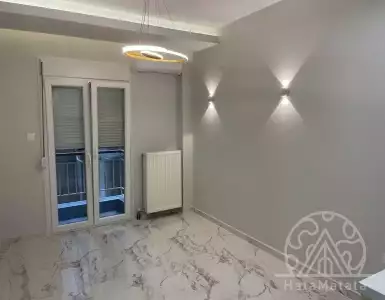

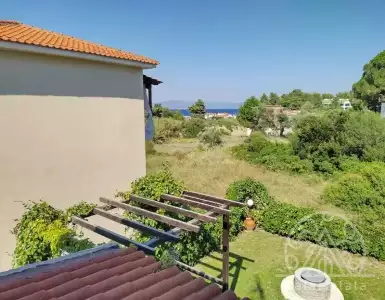
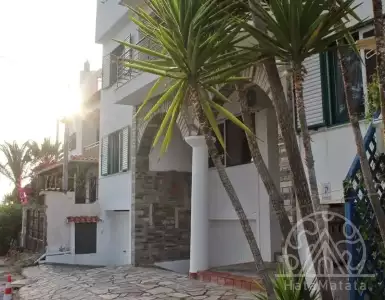
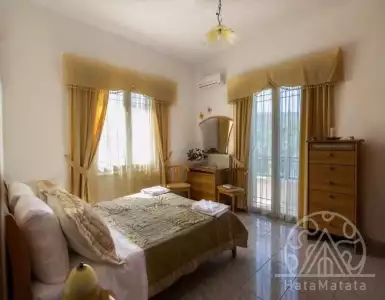
Demand exists, but the buyer profile for luxury homes is discerning. Preferences have shifted beyond mere aesthetics.
Key buyer priorities today
- Functionality of floor plans and flexible living areas.
- Construction quality and documented workmanship.
- Energy efficiency and modern systems. In Greece, European Union and national requirements mean buyers expect clear Energy Performance Certificates and energy-efficient installations.
- A clear price-to-value ratio: buyers weigh rarity against ease of ownership and expected maintenance costs.
Why selectivity causes longer sales cycles
- Even rare properties must meet modern standards of comfort and efficiency to command premium pricing.
- Buyers will cross-check building permits, titles, and the property’s maintenance history before committing.
What sellers must highlight
- Full documentation: permits, warranties, and energy performance data.
- Recent upgrades and maintenance logs, especially for systems such as HVAC, solar, and pool infrastructure.
- Function-focused renovations: kitchens and bathrooms configured for modern usage, easy traffic flow, and low-maintenance materials.
Bringing the four pieces together: a seller’s action plan
If you are selling a luxury property in Greece, here is a concise operational checklist that aligns with market realities.
- Price accurately: anchor your price within comparable recent sales and allow for negotiation room. Remember the 3%–5% projection for 2026 when setting expectations.
- Craft identity: create a clear buyer persona and narrative that conveys the lifestyle the home delivers.
- Manage marketing: run an active, measurable campaign with checkpoints at 30, 60, and 90–120 days.
- Provide evidence: compile permits, energy certificates, and maintenance records; present them proactively in marketing packs.
If no serious interest appears within 90–120 days, take decisive action: reduce the price to align with market comps, relaunch marketing with a fresh creative angle, or shift the target buyer profile.
What investors and buyers should do differently
Buyers have leverage when sellers make one or more of the four mistakes. Here’s how to act smart:
- Use the listing’s time-on-market as a negotiation input but verify underlying reasons for delay.
- Prioritize properties with clear documentation and up-to-date Energy Performance Certificates.
- Request a detailed cost estimate for any deferred maintenance or modernization before making an offer.
- Factor in transaction costs and taxes in Greece, and confirm title deeds and permits through legal due diligence.
From an investment perspective, properties that are mispriced or badly positioned can represent opportunity if you are prepared to invest in works, staging, or rebranding.
Practical staging and repositioning tips that work
Small, well-targeted investments can cut marketing time and increase final sale price.
- Staging: neutral, high-quality furniture and lighting that clarifies room function; allow buyers to visualise living patterns.
- Professional photography and a short lifestyle film highlighting views, sun patterns, and access to amenities.
- Virtual tours that allow overseas investors to pre-qualify before travel.
- A relaunch plan: if the listing is stale at 90–120 days, replace imagery, update price messaging, and expand outreach to international broker networks.
Risks sellers must accept and manage
- Holding costs: unsold high-end properties often have high running costs, from security to maintenance, which erode the seller’s net position over time.
- Price erosion: repeated price reductions can weaken perceived value among future buyers.
- Market shifts: even steady markets can be affected by regulatory changes, fiscal policy, or sudden shifts in international demand.
A measured strategy balances immediate pricing realism with a marketing plan that reaches the right buyers quickly.
Our assessment: what this means for the Greek market
The Greek luxury market has real demand, particularly along the Athens Riviera and in the Northern Suburbs. Still, we are not in a hot upswing; projections for 2026 expect only 3%–5% growth. That moderating outlook means sellers must compete on price, presentation, and the tangible value of the offer. When owners ignore those elements, listings stall.
At the same time, buyers who shop carefully will find opportunities where sellers have misjudged price or positioning. The caveat is simple: due diligence and documentation are essential in every transaction.
Frequently Asked Questions
Q: How long should a luxury property in Greece stay on the market before a seller makes a change?
A: Monitor initial buyer engagement closely. If there is no serious buyer activity by 90–120 days, the listing likely has market fatigue and requires a price adjustment or repositioning.
Q: How important is energy performance in selling a luxury home in Greece?
A: Energy performance is an increasingly decisive factor. Buyers look for documented energy efficiency and modern systems, and sellers should provide an Energy Performance Certificate and maintenance records.
Q: Should sellers reduce price immediately if there is low interest?
A: Not necessarily immediately. Start with a review of positioning, marketing assets, and buyer targeting. If those are solid and feedback is still weak, then a structured price correction is appropriate.
Q: What are the quickest wins that can speed up a sale?
A: The most effective moves are: accurate pricing based on recent comps, professional staging and photography, a targeted international marketing push, and full documentation of permits and maintenance.
In the Greek luxury property market, numbers and storytelling are equally important. Sellers that get the price right, tell a clear story, market proactively, and meet modern buyer expectations sell faster and for better terms. If those elements are missing, expect longer marketing time and more concessions — and remember the rule I return to: act decisively after 90–120 days of weak interest.
Tags
We will find property in Greece for you
- 🔸 Reliable new buildings and ready-made apartments
- 🔸 Without commissions and intermediaries
- 🔸 Online display and remote transaction

International Real Estate Consultant

Subscribe to the newsletter from Hatamatata.com!
Subscribe to the newsletter from Hatamatata.com!
Popular Posts

We will find property in Greece for you
- 🔸 Reliable new buildings and ready-made apartments
- 🔸 Without commissions and intermediaries
- 🔸 Online display and remote transaction
International Real Estate Consultant

Subscribe to the newsletter from Hatamatata.com!
Subscribe to the newsletter from Hatamatata.com!
I agree to the processing of personal data and confidentiality rules of Hatamatata
Need advice on your situation?
Get a free consultation on purchasing real estate overseas. We’ll discuss your goals, suggest the best strategies and countries, and explain how to complete the purchase step by step. You’ll get clear answers to all your questions about buying, investing, and relocating abroad.



Irina Nikolaeva
Sales Director, HataMatata