


Why Valor’s €20m Milan Logistics Buy Signals a Bigger Real Estate Italy Move

Valor’s first Italian step: a small deal with big signals
The arrival of Valor Real Estate Partners in Milan is more than a single acquisition; it is a clear marker of appetite for industrial and logistics property Italy investors should watch. In the opening lines: Valor paid €20m for a fully let urban distribution facility of 20,926 sqm in Cerro Maggiore, purchased from Nuveen Real Estate through an Italian fund managed by Colliers Global Investors Italy. The firm has told the market it is targeting €100m of investment in the Milan city region by 2026.
We see this as a calculated entry. The headline numbers are compact, but the strategy indicates a sustained push into logistics and urban distribution in one of Europe’s most active markets.
The deal: facts and portfolio context
Valor’s transaction is straightforward at face value, but the surrounding detail matters for investors and occupiers.
- Acquisition price: €20m
- Asset size: 20,926 sqm (fully let urban distribution facility in Cerro Maggiore, Milan)
- Vendor: Nuveen Real Estate
- Vehicle: purchased via an Italian real estate investment fund managed by Colliers Global Investors Italy
- Larger target: €100m of investment in the Milan region during 2026
- Portfolio reach: after the deal Valor manages more than 200 assets across 11 cities (UK, France, Germany, the Netherlands, Ireland and Italy), totaling 17m sqft and valued at over €5bn (assets managed on behalf of global investors)
Those figures are not window dressing. They position Valor as an international institutional investor that is comfortable acquiring fully tenanted logistics product but equally focused on reversionary opportunities.
Why Milan? A practical read for investors
Milan is repeatedly referenced by investors as one of Europe’s leading logistics markets. That’s not empty praise. Several concrete drivers are at work:
- A rising urban population creates stronger last-mile demand for goods and e-commerce distribution.
- Milan’s geographic location in northern Italy makes it a hub for distribution across the peninsula and for cross-border freight into central Europe.
- Urban distribution facilities—warehouses close to the city—have a premium because they reduce transport times and support same-day or next-day delivery models.
From our experience covering European industrial markets, these factors combine to create persistent occupier demand. For investors this typically translates into:
- Greater rent resilience compared with secondary industrial locations
- Lower long-term vacancy risk for well-located assets
- Stronger prospects for rental growth when assets are modernised and repositioned
But there are trade-offs. Prime urban sites often carry higher entry prices and greater planning constraints for expansion. Investors must balance yield compression with the operational upside from active asset management.
Valor’s strategy explained: what they are buying into
Valor’s stated approach uses data-led acquisition and focuses on two broad asset types in Milan:
- Prime, reversionary assets that can benefit from market rental growth. These are properties already in demand but where leasing strategies or capex can lift returns.
- Older assets with short lease profiles where refurbishment, improved energy performance and re-letting can raise rents.
Why does this matter for buyers and portfolio managers? Because the returns from logistics property Italy often come from both income stability and active value creation.
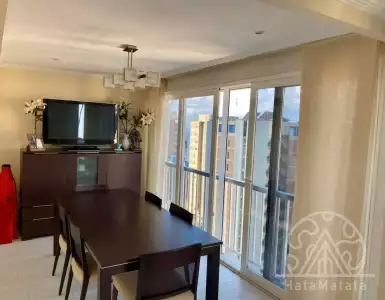
 3
3
 2
2
 109
109
 2
1
68
2
1
68
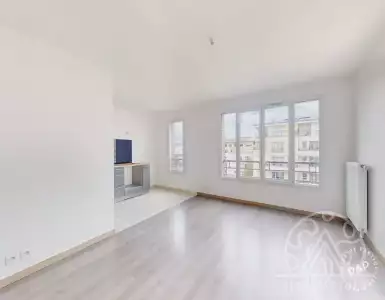 1
1
46.50
1
1
46.50
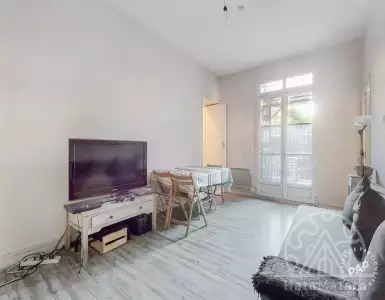 2
1
48
2
1
48

Key tactical points for investors:
- Short lease profiles mean the investor must be prepared for tenant turnover and leasing risk; the opportunity is to re-let at higher levels after refurbishment.
- Refurbishment for industrial stock often targets improved clear heights, loading capabilities, insulation and roof systems, as well as ESG upgrades such as rooftop solar, LED lighting and improved HVAC controls.
- Planning and local permitting can materially affect refurbishment timelines and costs in Italy, especially near urban centres like Milan.
We expect Valor to pair acquisition discipline with a clear capex plan to lift net operating income over a medium-term hold period.
Practical implications for buyers and occupiers
If you are an investor or occupier in the Milan market, Valor’s entry matters in several ways.
For investors:
- Expect continued institutional interest in Milan logistics. That may keep pricing competitive, particularly for assets with institutional covenants or clear ESG credentials.
- Opportunities exist in value-add plays—older warehouses with short leases—but you must budget for refurbishment capex and leasing downtime.
- Funds structured via local managers (like the Colliers-managed vehicle used in this deal) help international buyers navigate local compliance, tax and planning rules.
For occupiers and logistics operators:
- More institutional ownership can mean higher standards for facility condition and sustainability performance.
- Tenants negotiating in this market should be clear about expected service levels and potential refurbishment schedules; lease terms may be tightened by owners seeking to protect upside on reversion.
For both groups, conduct thorough due diligence on building performance (energy, roof condition, yard capacity) and the local transport network. We have seen deals where the headline rent looks attractive but hidden constraints—bridge heights, night access limits, environmental restrictions—erode operating efficiency.
Risks and what can go wrong
We cover the upside, but the risks deserve equal attention.
- Price competition: With many investors targeting logistics, entry yields can compress, limiting immediate returns and increasing reliance on active management to create value.
- Execution risk: Refurbishment programs in Italy can be delayed by planning approvals or construction complexity; this extends holding periods and raises costs.
- Leasing risk: If occupiers delay expansion or if macro demand softens, short lease expiries could lead to downtime and vacancy.
- ESG regulation and compliance: Stricter energy standards and disclosure requirements will create upfront costs for older assets.
A realistic investor will stress-test scenarios for longer vacancy, higher capex and slower rental growth when underwriting Milan logistics plays.
How this transaction fits wider capital flows into European logistics
Valor’s 200-asset, €5bn-plus portfolio across 11 cities shows the firm has scale. Milan sits alongside other major logistics centres in Europe where capital is increasingly concentrated.
Observations from our coverage of cross-border logistics deals:
- Institutional capital is chasing scale and operational control. Larger portfolios let managers standardise upgrades and reduce per-asset transaction friction.
- Many investors look for a regional cluster strategy where several assets in a market can be managed together; Valor’s plan for €100m in the Milan region suggests it is aiming for such a cluster.
- Fund structures with local partners help smooth acquisition and disposition processes, particularly in countries with complex land and tenancy frameworks.
This trend raises a practical point for smaller, local owners: assets lacking modern specifications may become harder to sell to institutional buyers without significant investment.
Who are the players: Nuveen, Colliers and Valor
A quick reminder of the parties involved gives context.
- Nuveen Real Estate was the seller. Nuveen is a large institutional operator that periodically recycles capital out of mature assets.
- Colliers Global Investors Italy acted as the fund manager for the Italian vehicle through which the acquisition occurred. Local fund managers provide necessary on-ground expertise.
- Valor Real Estate Partners is the buyer. After the transaction Valor manages more than 200 assets and 17m sqft of holdings valued at over €5bn across European cities.
These relationships matter because institutional transactions often rely on fund structures, side letters and investor governance that differ from private sales. Buyers should expect longer diligence and more formal representations in these deals.
What investors should watch next in Milan logistics
If you are monitoring the market, follow these signs:
- Additional acquisitions by Valor in the Milan region or announcements from other cross-border logistics investors
- Leasing velocity and rent growth data for urban distribution assets versus peripheral industrial parks
- Planning and zoning decisions affecting urban logistics sites, especially around last-mile hubs
- ESG investment trends, such as demand for solar, BREEAM or LEED certifications, and energy efficiency retrofits
We expect the market to remain busy, but watch for rising capex and longer refurbishment timelines as bottlenecks.
Frequently Asked Questions
What exactly did Valor buy in Milan?
Valor purchased a fully let distribution facility of 20,926 sqm in Cerro Maggiore near Milan for €20m, acquiring the asset via an Italian real estate fund managed by Colliers Global Investors Italy.
How much will Valor invest in the Milan region?
Valor has announced a target of €100m of investment in the Milan city region during 2026.
Why is Milan attractive for logistics real estate investment?
Milan has growing urban demand for last-mile and omnichannel distribution, a strategic northern Italian location for domestic and cross-border logistics, and active occupier demand that supports lower vacancy risk for well-located warehouses.
What should investors consider when buying logistics property Italy?
Key considerations are lease profile and reversion potential, capex required for refurbishment and ESG upgrades, planning and permitting risks, and competition from institutional buyers which can affect pricing and yields.
Bottom line for buyers and investors
Valor’s entry into Milan with a €20m purchase and a €100m investment target signals institutional conviction in the city-region’s logistics market. For investors, the opportunity lies in assets that can be upgraded to meet modern occupier requirements. The risk lies in paying a premium for location without fully accounting for refurbishment cost, lease expiry timing or planning constraints. Plan for refurbishment capex, expect active asset management to be necessary, and factor potential leasing downtime into valuations, because Valor aims to spend €100m in Milan by 2026.
We will find property in France for you
- 🔸 Reliable new buildings and ready-made apartments
- 🔸 Without commissions and intermediaries
- 🔸 Online display and remote transaction

International Real Estate Consultant

Subscribe to the newsletter from Hatamatata.com!
Subscribe to the newsletter from Hatamatata.com!
Popular Posts

We will find property in France for you
- 🔸 Reliable new buildings and ready-made apartments
- 🔸 Without commissions and intermediaries
- 🔸 Online display and remote transaction
International Real Estate Consultant

Subscribe to the newsletter from Hatamatata.com!
Subscribe to the newsletter from Hatamatata.com!
I agree to the processing of personal data and confidentiality rules of Hatamatata

Need advice on your situation?
Get a free consultation on purchasing real estate overseas. We’ll discuss your goals, suggest the best strategies and countries, and explain how to complete the purchase step by step. You’ll get clear answers to all your questions about buying, investing, and relocating abroad.



Irina Nikolaeva
Sales Director, HataMatata